Table of Contents >> Show >> Hide
- First: What Frying Actually Does to Food
- The Big Reasons Fried Food Can Be Bad for You
- Zooming In: The Science Stuff (But Make It Understandable)
- So… Is Fried Food “Always Bad”?
- Why Restaurant Fried Foods Can Hit Harder Than Homemade
- Healthier Ways to Get the Crunch Without the Health Tax
- Bottom Line
- Real-Life Experiences: What People Notice When They Cut Back on Fried Food (and What They Miss)
Fried food is the culinary equivalent of a catchy pop song: delicious, memorable, and somehow always louder than the tiny voice in your head saying,
“Maybe I don’t need the jumbo basket of fries.” The truth is, frying can turn perfectly normal ingredients into something far more calorie-dense, saltier,
and chemically complicated than they started out. That doesn’t mean you can never eat fried chicken again (your taste buds can unclench), but it does mean
it’s worth understanding what frying does to foodand what it can do to your body over time.
Let’s break down the “why” behind the health risks, the science-y stuff that happens in hot oil, and the practical ways to enjoy crispy foods without
treating your arteries like a deep-fryer filter.
First: What Frying Actually Does to Food
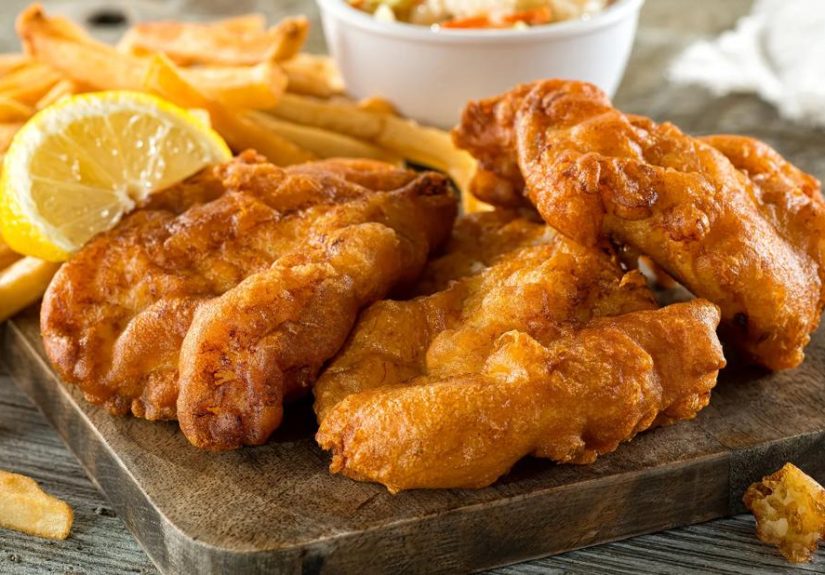
Frying cooks food by surrounding it with very hot oil (often around 350–375°F). Water inside the food turns to steam and rushes out, creating that
crisp exterior. Meanwhile, oil moves inespecially if the temperature is too low, the batter is thick, or the food sits around after frying like it’s
waiting for a photoshoot.
Translation: compared with baking, steaming, or grilling, fried food typically ends up with more fat and more calories per bite. And because
it’s engineered by physics to be crunchy, salty, and aromatic, it’s also easy to overeat. Your stomach says “I’m full” while your brain says “But listen
to that crunch.”
The Big Reasons Fried Food Can Be Bad for You
1) It’s calorie-dense, which makes weight gain easier
Many fried foods absorb oil, and oil is extremely energy-dense. That means a modest portion can pack a big calorie punch before you even add dipping sauce
(which, let’s be honest, is never “a little”).
Over time, regularly eating calorie-dense foods makes it easier to drift into a calorie surplus, which can lead to weight gain. Extra body weight is linked
with higher risk of conditions like type 2 diabetes, high blood pressure, sleep apnea, and heart disease. Fried foods aren’t the only driver here, but they
can be a frequent “silent multiplier” because they’re both filling and easy to keep eating.
2) The fat profile can push cholesterol in the wrong direction
A lot of fried foods are cooked in oils or fats that are higher in saturated fat, and some fried items (especially highly processed or commercially prepared)
can contain trans fats. Saturated fat and trans fat tend to raise LDL (“bad”) cholesterol, which is associated with increased risk of heart disease and stroke.
Not every oil is the same, and many restaurants now avoid partially hydrogenated oils. Still, fried fast foods often end up as a combination of
refined carbs + added fat + high sodium, which is a trio that doesn’t exactly scream “cardiology’s favorite.”
3) Fried foods are often high in sodium (and sodium affects blood pressure)
Fried food doesn’t just come with oilit usually comes with salt. Lots of salt. From seasoned breading to salty batters to the final “snowfall” of salt on
top, fried foods can push sodium intake up quickly. Excess sodium can contribute to high blood pressure in many people, and high blood pressure is a major
risk factor for heart disease and stroke.
The sneaky part: sodium often hides in combo meals. The fries are salty. The sandwich is salty. The dipping sauce is salty. Even the “healthy” salad can
show up with a salty dressing as a sidekick.
4) High heat can create unwanted compounds in the food
Frying is not just “hot.” It’s very hot, and high heat changes the chemistry of food. Two big concerns are:
-
Acrylamide (especially in fried starchy foods like french fries and potato chips), which forms when certain carbohydrates are cooked at
high temperatures. -
Oxidation products from heated oilsespecially when oils are heated repeatedlywhich can generate reactive compounds (including certain
aldehydes) that researchers study for potential health effects.
Important nuance: risk isn’t just about “a single fried meal.” It’s about patternshow often you eat fried foods, the portion size, and how the food is
cooked (fresh oil vs. repeatedly used oil, temperature control, and oil type).
Zooming In: The Science Stuff (But Make It Understandable)
Acrylamide: Why fries get special attention
Acrylamide is a chemical that can form when certain plant-based foodsespecially potatoes and grainsare cooked at high temperatures (think frying,
roasting, baking). It forms from a reaction between natural sugars and an amino acid called asparagine, and it tends to increase when foods get very brown
or burnt.
You’ll often see acrylamide mentioned in the context of cancer risk, because high levels have caused cancer in lab animals. Human evidence is more complex
and less definitive, but many health organizations still recommend practical steps to reduce exposurelike aiming for a golden color rather than a deep
brown and not overcooking starchy foods.
The takeaway: fries, chips, and other deeply browned starchy snacks aren’t “toxic,” but they’re not an everyday foundation food either.
Oil oxidation: What happens when oil gets hot (and then hot again)
Oils are made of fatty acids. When heated, especially for long periods, they can break down and oxidize. This process can produce a variety of compounds,
including lipid oxidation products. Some of these compounds (such as certain aldehydes) are being researched because they can be reactive in the body.
One practical point most people miss: how the oil is handled matters. Oil that’s fresh, heated to the right temperature, and not abused for
hours on end is different from oil that’s been reheated repeatedly, exposed to air, and used to fry batch after batch. Reused oil tends to accumulate
breakdown products, which can change flavor and potentially increase exposure to less desirable compounds.
Glycation and inflammation: the “fried + processed” pattern problem
Fried foods often live in the same neighborhood as ultra-processed foods: refined carbs, added sugars, and industrial formulations designed for maximum
crave-ability. Diet patterns heavy in these foods have been associated with higher inflammatory markers in many studies, and chronic inflammation is linked
with a wide range of health issues.
Fried foods can also worsen symptoms for some people with acid reflux, because high-fat meals can slow stomach emptying and relax the lower esophageal
sphincter. (If you’ve ever regretted late-night fried food at 2 a.m., you already know this without a textbook.)
So… Is Fried Food “Always Bad”?
No. Food is not a moral test. Fried food is not a villain twirling its mustache in your kitchen. The real issue is frequency, portion size, and what fried
food tends to replace. If fried meals crowd out fiber-rich foods (vegetables, beans, whole grains, fruit) and healthier fats (nuts, seeds, fish, olive oil),
then health risks climb.
Observational research has linked higher fried-food intakeespecially frequent consumptionwith increased risk of cardiovascular disease, type 2 diabetes, and
higher mortality in some populations. That doesn’t prove fried food is the only cause, but it’s consistent with the biology: more calories, less nutrient
density, worse fat profile, higher sodium, and more heat-created compounds.
Why Restaurant Fried Foods Can Hit Harder Than Homemade
Portions are bigger
At home, a “serving” might be a small plate. At a restaurant, a “serving” can look like it’s meant to feed a youth soccer team. Bigger portions mean more
calories, sodium, and fatfast.
Oil may be reused for long periods
Many commercial kitchens reuse frying oil for efficiency. That’s common practice, but oil quality changes with repeated heating, time, and exposure to air.
The longer the oil is used, the more breakdown products can accumulate. Even if the food still tastes great, the chemistry isn’t the same as when the oil
was fresh.
Fried food often comes bundled with other “risk multipliers”
Think: sugary soda + fried entrée + fries + dessert. Each one isn’t a disaster by itself, but together they can push calories and sodium sky-high while
fiber stays low. Your body ends up doing the nutritional equivalent of carrying a couch up three flights of stairs.
Healthier Ways to Get the Crunch Without the Health Tax
1) Change the method: bake, roast, or air-fry
Air fryers aren’t magic (they’re basically powerful convection ovens), but they can give crisp texture with far less oil. Baking or roasting can do the same,
especially if you use a light coating of oil and a hot oven.
2) If you do fry at home, pick smarter oils and treat them nicely
- Choose more heat-stable oils (often those higher in monounsaturated fat and with higher smoke points).
- Control the temperature (around 350–375°F) to reduce oil absorption and excessive browning.
- Don’t reuse oil endlessly. Strain it if you must reuse, store it properly, and discard it if it smells off, smokes easily, or looks very dark.
- Drain well on a rack or paper towels to reduce surface oil.
3) Shrink the portion, keep the pleasure
You don’t need to ban fried food to improve your health. Try a “taste portion” approach: order the small size, split an appetizer, or have a few bites and
build the rest of the meal around fiber and protein.
4) Pair fried foods with high-fiber sides
Fiber helps with satiety and supports healthy blood sugar responses. If you’re eating something fried, balance it with vegetables, beans, whole grains, or a
fruit-based side. Yes, fries are technically made from potatoes, but your body knows the difference between “vegetable” and “vegetable that went scuba
diving in oil.”
5) Aim for “golden,” not “dark brown”
Especially for starchy foods like potatoes, cooking to a lighter golden color can reduce acrylamide formation compared with heavily browned or burnt results.
Crispy is great. Charcoal chic is less great.
Bottom Line
Fried foods can be bad for you because they tend to be high in calories, added fats, and sodiumand because high-heat frying can create compounds (like
acrylamide in starchy foods and oxidation products in heated oils) that raise health concerns when exposure is frequent. The strongest risks show up with
regular, high intake, especially when fried foods replace more nutrient-dense options.
The good news: you can keep the joy of crunchy foods while lowering the downside. Cook with less oil, choose better methods, watch portions, and balance your
plate with fiber-rich foods. Your taste buds get their party, and your heart doesn’t have to clean up afterward.
Medical note: If you have high cholesterol, high blood pressure, diabetes, reflux, or heart disease, personalized advice from a clinician or registered
dietitian is worth itbecause your body’s rulebook may be different from your friend’s.
Real-Life Experiences: What People Notice When They Cut Back on Fried Food (and What They Miss)
If you ask people what changes when they reduce fried food, you’ll rarely hear, “My LDL cholesterol improved by exactly 12 points and I celebrated with a
spreadsheet.” What you hear is more humanand honestly more helpfulbecause it’s about day-to-day life.
For example, a lot of people describe the “heavy lunch hangover” effect. You know the feeling: you grab fried chicken and fries at noon,
it tastes amazing for 10 minutes, and then your afternoon turns into slow-motion. Some people report feeling more energized when they swap a fried lunch for
something lighter like grilled protein, a grain bowl, or a sandwich that doesn’t require nap scheduling. It’s not that fried food is “poison”it’s that a
high-fat, high-sodium meal can feel physically demanding to digest, especially if it’s large.
Another common experience is less heartburn drama. People who deal with reflux often notice that greasy fried mealsespecially late at nightare
the fastest route to “Why is my chest on fire?” territory. Cutting back doesn’t always eliminate reflux, but many people say it reduces those dramatic flare-ups,
or at least makes them less frequent. In practical terms: fewer midnight regrets and fewer antacid negotiations.
Then there’s the craving loop. Fried foods are designed by nature and modern food culture to be extremely rewarding: crunchy texture, salty hit,
rich aroma. Some people notice that when fried foods are a daily habit, their taste buds start demanding that level of intensity all the time. When they reduce
fried food for a couple of weeks, they often report that “regular” foods start tasting better againlike roasted potatoes become satisfying instead of feeling
like a sad substitute. It’s as if the volume knob on taste resets.
Social situations show up a lot, too. People often aren’t eating fried foods because they woke up thinking, “Today I will destroy my wellness goals.”
They’re eating them because they’re at a game, a family gathering, or a quick drive-thru between meetings. One of the most relatable experiences is learning
how to navigate that without becoming the person who sighs loudly at the menu. Some people do better with a simple rule like: “I’ll have fried foods once a
week, but I’ll really enjoy it.” Others do better with the swap strategy: share fries, choose a grilled entrée, keep the fried item as the
side instead of the main event.
And yespeople miss the crunch. That’s real. But many find that crunch doesn’t have to come from deep frying. Air-fried potatoes, oven-crisped chickpeas,
toasted corn tortillas, roasted veggies with a light coating of oil, or even a handful of nuts can scratch that texture itch. The experience becomes less
about deprivation and more about finding a “new default” that still feels fun.
The most consistent “experience-based” lesson is this: people succeed when they stop treating fried food like a forbidden romance and start treating it like
a sometimes food. When it’s occasional, it’s enjoyable. When it’s constant, it quietly rewrites how you feel day to day.