Table of Contents >> Show >> Hide
- What a Scab Actually Is (and Why Your Body Makes One)
- Why Do Scabs Itch? The Most Common Causes
- 1) Dryness and tight skin (the “shrink-wrap effect”)
- 2) Inflammation and histamine (your immune system doing its job)
- 3) New skin growth (and nerve “rewiring”)
- 4) Friction, stretching, and “high-traffic” locations
- 5) Irritation or allergy from products (tape, ointments, fragrances)
- 6) Underlying skin conditions (eczema, psoriasis, dermatitis)
- 7) Infection or delayed healing (the “okay, this is not normal” category)
- Normal Itch vs. “Call a Pro” Signs
- Treatments: How to Stop a Scab From Itching Without Slowing Healing
- 1) Clean gently (skip the “scrub it like a frying pan” approach)
- 2) Keep the wound lightly moist and protected
- 3) Try a cold compress for quick itch relief
- 4) Reduce friction and accidental scratching
- 5) Consider OTC itch helpers (use common sense and label directions)
- 6) Don’t pick the scab (your future self will thank you)
- Special Situations: Scab Itch in the Real World
- How Long Does a Scab Itch?
- Prevention: Make Future Wounds Less Itchy
- FAQ: Quick Answers About Itchy Scabs
- Conclusion
- Experiences: What Itchy Scabs Feel Like in Real Life (and What People Learn)
If you’ve ever had a scab that suddenly starts itching like it’s auditioning for “Most Annoying Sensation of the Year,” you’re not alone.
The good news: an itchy scab is often a normal part of wound healing. The less-fun news: sometimes itching can also mean
dryness, irritation, or (rarely) infection. Let’s break down what’s going on under that crusty little “body Band-Aid,” how to stop the itch,
and how to help your skin heal wellwithout turning your scab into a scratch-off ticket.
Note: This article is for general education, not a substitute for medical advice. If you’re unsure about a wound, contact a healthcare professional.
What a Scab Actually Is (and Why Your Body Makes One)
A scab forms when blood and wound fluid dry and harden on the surface of injured skin. Think of it as your body’s temporary “do not disturb” sign.
Underneath, your skin is repairing itselfbuilding new tissue, closing the gap, and strengthening the area.
A quick (human-friendly) guide to wound-healing stages
- Stop the leak: Your blood clots to slow bleeding.
- Clean-up crew: Inflammation ramps up to remove germs and damaged tissue.
- Rebuild mode: New tissue and new skin cells form.
- Remodeling: The new tissue strengthens over time, and a scar may fade gradually.
Why Do Scabs Itch? The Most Common Causes
The big idea: itch is a signal. During healing, your body releases chemical messengers and rebuilds skin and nerves. Those processes
can tickle (literally) the nerve endings that interpret sensation as itching.
1) Dryness and tight skin (the “shrink-wrap effect”)
As a scab dries, it can feel tight. That tightness pulls on the surrounding skin, especially when you move (hello, knee scabs).
Dry skin also becomes more sensitive and itchy. If the scab cracks, it can itch even morelike a tiny desert trying to moisturize itself through complaining.
2) Inflammation and histamine (your immune system doing its job)
Early healing involves inflammation, which isn’t automatically “bad.” It’s your body’s way of protecting the area and starting repairs.
During this phase, your body releases substances that help coordinate healingand some of them can activate itch pathways.
Histamine (famous for allergies) can also show up around injuries, and your nerves may interpret that as itch.
3) New skin growth (and nerve “rewiring”)
As fresh skin forms underneath the scab, the area can feel prickly or itchy. Nerve endings may become more sensitive as they recover and reconnect.
That’s one reason healing wounds can itch even if the scab looks calm on the outside.
4) Friction, stretching, and “high-traffic” locations
Scabs on joints, hands, feet, waistlines, or places where clothing rubs tend to itch more. Movement and friction irritate the scab and the delicate skin beneath it.
Even a perfectly normal healing scab can feel like a drama queen if it lives on an elbow.
5) Irritation or allergy from products (tape, ointments, fragrances)
Sometimes it’s not the scabit’s what’s touching the scab. Adhesive bandages can irritate skin, especially if you’re sensitive to the glue.
Some topical antibiotic ointments can cause a mild rash in certain people. Fragranced lotions, harsh antiseptics, or repeated scrubbing can also inflame the area.
6) Underlying skin conditions (eczema, psoriasis, dermatitis)
If you’re prone to eczema or other sensitive-skin issues, the area around a wound can become extra reactive. Dryness and inflammation can make itch feel louder,
and scratching can trigger a cycle where the skin becomes even more irritated.
7) Infection or delayed healing (the “okay, this is not normal” category)
Itching alone doesn’t automatically mean infection. But if itching is paired with worsening symptoms, the wound may need medical attention.
Infection can cause increasing irritation, pain, warmth, swelling, or drainage.
Normal Itch vs. “Call a Pro” Signs
Usually normal
- Mild to moderate itching that comes and goes
- A scab that looks dry but is gradually shrinking
- Minor tenderness that improves over time
- New pink skin appearing as the scab loosens
Get medical care if you notice
- Spreading redness around the wound
- Increasing pain, swelling, or warmth
- Pus, bad odor, or new drainage
- Fever or feeling generally unwell
- Red streaks traveling away from the wound
- A wound that isn’t improving or looks worse after several days
Treatments: How to Stop a Scab From Itching Without Slowing Healing
The goal is itch relief plus smart wound care. You want to calm the nerves and protect the new skin underneath.
Here are the best evidence-based, common-sense options.
1) Clean gently (skip the “scrub it like a frying pan” approach)
For minor wounds, gentle soap and water is usually enough. Pat dry. Avoid harsh chemicals that can irritate tissue.
If your wound is large, deep, from an animal bite, or keeps reopening, follow medical guidance.
2) Keep the wound lightly moist and protected
One of the most helpful ways to reduce itching is also one of the most helpful ways to support healing:
keep the area from drying out too much. Many dermatology recommendations suggest using a thin layer of plain petroleum jelly
and covering with a clean, nonstick bandage (changed regularly). Moist, protected wounds are less likely to crack and itch.
3) Try a cold compress for quick itch relief
A cool, clean compress can temporarily calm itch by reducing nerve activity and inflammation. Use it briefly (a few minutes at a time),
and keep it gentleno ice directly on skin.
4) Reduce friction and accidental scratching
- Cover the scab with a nonstick dressing if clothing rubs it.
- Keep nails trimmed (less damage if you scratch without thinking).
- At night, consider a bandage or soft clothing barrier if you tend to scratch in your sleep.
- Change sweaty clothes and keep the area clean after sports.
5) Consider OTC itch helpers (use common sense and label directions)
If the itch is driving you up the wall, you can consider over-the-counter options, but choose carefully:
- Oral antihistamines may help some people, especially if itching is worse at night.
- Anti-itch creams can help on surrounding intact skin, but avoid putting random products directly into an open wound.
- Colloidal oatmeal (soaks or creams) may soothe irritated skin around the area.
If you’re unsure what’s safe for your specific wound (especially surgical sites), ask a pharmacist or clinician.
6) Don’t pick the scab (your future self will thank you)
Picking feels satisfying for about 0.7 secondsthen it can reopen the wound, increase bleeding, invite infection, and raise the chance of noticeable scarring.
If your scab is itching, it’s often a sign that healing is happening. Let it do its job.
Special Situations: Scab Itch in the Real World
Stitches and surgical scabs
Healing incisions often itch as the skin knits together. Follow your surgeon’s instructions exactlyespecially about washing, ointments, and dressings.
If an incision becomes increasingly red, hot, painful, or starts draining, call the clinic.
Burns and larger scrapes
Burns and wide abrasions can itch intensely because there’s a larger area of inflammation and nerve sensitivity.
These injuries may benefit from specific dressings or professional guidanceespecially if blistering, deep damage, or significant pain is involved.
People who may need extra caution
If you have diabetes, poor circulation, immune suppression, or frequent skin infections, take wounds seriously. Itching isn’t the problem by itself
delayed healing and infection risk are. When in doubt, get evaluated early.
How Long Does a Scab Itch?
For small cuts and scrapes, itch often peaks during active rebuilding and then fades as the scab loosens and new skin toughens up.
That can be a few days to a couple of weeks, depending on depth, location, friction, and how well the wound is protected.
If itching gets worse over time instead of betteror if the area looks angry and inflameddon’t just “power through.” Get it checked.
Prevention: Make Future Wounds Less Itchy
- Clean promptly with mild soap and water.
- Use a thin layer of plain petroleum jelly (if appropriate) to prevent over-drying and cracking.
- Cover with a clean dressing when the area is exposed to friction or dirt.
- Avoid harsh antiseptics unless instructedirritation can increase itch.
- Protect healing skin from sun; newly healed areas can discolor more easily.
FAQ: Quick Answers About Itchy Scabs
Is an itchy scab a sign of healing?
Often, yes. Itch commonly shows up during inflammation and rebuilding, especially as new skin forms and the area becomes sensitive.
But if itch comes with spreading redness, pus, fever, or increasing pain, consider infection and get medical advice.
Can I put lotion on a scab?
It depends. Fragranced lotions can irritate. For many minor wounds, plain petroleum jelly is commonly recommended to keep the area from drying out too much.
If the scab is fully closed and the surrounding skin is dry, a gentle, fragrance-free moisturizer around (not rubbed aggressively into) the area may help.
Why does my scab itch more at night?
Nighttime itching can feel stronger because you’re less distracted, the area may be warmer under blankets, and you may unconsciously scratch.
Keeping the wound protected and using a cool compress can help.
What if my scab won’t stop itching?
Persistent itch could mean dryness, irritation from adhesives/products, contact dermatitis, or a healing complication. If you’ve tried gentle wound care,
reduced friction, and avoided irritantsand it still feels intense or looks worsecheck in with a clinician.
Conclusion
So, why do scabs itch? Mostly because your body is doing complex repair work: inflammation signals, new skin growth, and sensitive nerves waking back up.
The best “treatment” is usually a combo of gentle cleaning, keeping the area lightly moist and protected, and preventing friction (and picking).
Treat your scab like a tiny construction site: don’t stomp through it, don’t rip down the scaffolding, and please don’t “help” by excavating with your fingernails.
If you see signs of infection or healing isn’t progressing, get medical carebecause the only thing worse than an itchy scab is an itchy scab with a problem.
Experiences: What Itchy Scabs Feel Like in Real Life (and What People Learn)
Everyone’s “itchy scab story” is a little different, but they tend to share the same theme: the itch shows up right when you finally stop thinking about the wound.
Here are some common experiences people describeand what those moments usually mean.
The “Knee Scab That Hates Walking” Experience
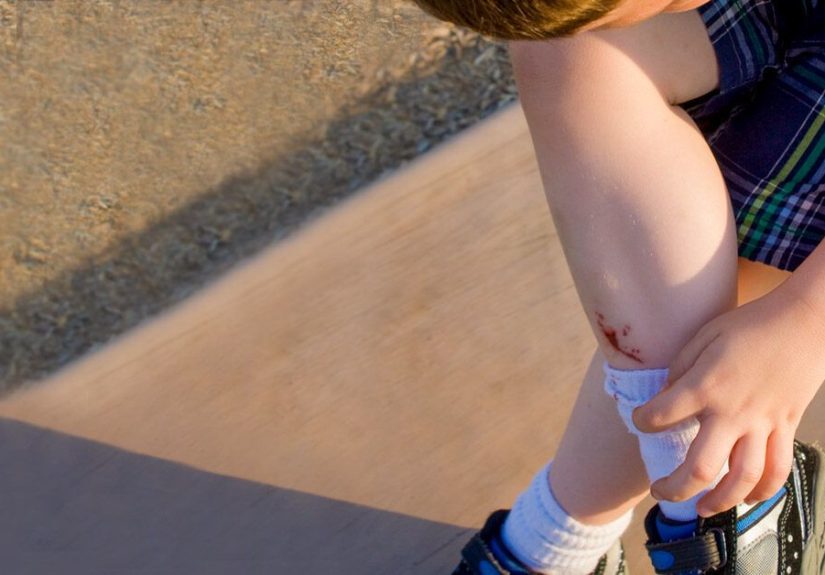
A classic: you scrape your knee, it scabs over, and then every time you bend your leg the scab feels tight, itchy, and somehow offended.
People often notice the itch spikes during movementclimbing stairs, sitting down, or kneelingbecause the skin is stretching and the scab’s dry surface tugs
at the edges. Many learn that the best relief isn’t scratching; it’s reducing friction and preventing cracking. A nonstick bandage during the day can help,
especially if jeans or athletic pants rub the area. Once people start keeping the wound protected and less dry, the itch tends to calm down faster.
The “Bandage Outline Rash” Experience
Another common story: the scab itches, but the itchy part is actually the rectangle around itexactly where the adhesive touches.
People describe it as a red, itchy border that feels more like a rash than normal healing. This often happens when tape or adhesive irritates the skin,
or when a product under the bandage (like a fragranced ointment) triggers sensitivity. The takeaway many people learn is to switch strategies:
use a different style of bandage, reduce adhesive contact when possible, and keep products simple and gentle. If the rash spreads or becomes very inflamed,
it’s worth getting advicebecause contact irritation can quickly turn into a scratch cycle.
The “Itches Like Crazy Right Before It Falls Off” Experience
People often report a sudden itch surge when the scab is loosening and new skin is nearly finished forming underneath.
It can feel like the scab is “too small for the skin,” especially if the area is drying out. This is the moment when scratching feels extra tempting
and also when picking can do the most unnecessary damage, because the new skin underneath is still delicate. A lot of people find quick relief from a cool compress
and keeping the area lightly protected. The itch often fades soon after the scab releases on its own, revealing pink new skin that looks tender but healthy.
The “Why Is This So Itchy at Night?” Experience
Nighttime itching shows up in so many stories that it deserves its own fan club (one we would like to cancel).
People describe lying down and suddenly noticing the itch more, sometimes scratching without realizing it. This can happen because there’s less distraction,
the skin is warmer under blankets, and the brain has more bandwidth to obsess over tiny sensations. Common coping wins include trimming nails, covering the area
with a soft barrier, and using a cool compress before bed. Some people also find that avoiding irritating products and keeping the wound from drying out too much
reduces the “midnight itch emergency” dramatically.
The overall lesson from these experiences is reassuring: itch is usually part of healing, but it’s also a clue.
If your scab itch is mild and the wound looks better week by week, your body is likely doing exactly what it’s supposed to do.
If the itch comes with worsening redness, heat, swelling, pain, or drainage, it’s time to get a professional opinion.