Table of Contents >> Show >> Hide
- The short answer: After 12 months
- Why honey isn’t safe for babies under 12 months
- What counts as “honey” for babies? (Spoiler: more than you think)
- But my baby already had honeywhat now?
- Is pasteurized honey safe? What about cooked honey?
- Does honey cause allergies in babies?
- When your baby turns one: how to introduce honey safely
- Honey for toddler cough: helpful, but only after age one
- Sweet alternatives for babies under 12 months
- FAQ: Quick answers to common honey questions
- Takeaway: The honey rule is simple (and you’ll nail it)
- Real-Life Experiences: Honey, Babies, and the Parenting Group Chat (500-ish words)
Honey is basically nature’s dessert sauce: golden, sticky, and suspiciously good on everything from toast to tea.
So it’s totally normal to look at your baby’s plain oatmeal and think, “A tiny drizzle wouldn’t hurt, right?”
Here’s the plot twist: for babies under 12 months, honey is one of the rare foods that comes with a hard, no-negotiation “not yet.”
This guide explains exactly when babies can have honey, why the 12-month rule exists,
what counts as “honey” (it’s more than the bear-shaped bottle), and what to do if your baby accidentally gets a taste.
We’ll keep it science-based, parent-practical, and just funny enough to make the topic less stressful.
The short answer: After 12 months
Babies can have honey when they are at least 12 months old. Before that, honey can expose infants to
Clostridium botulinum spores, which can lead to infant botulisma rare but serious illness.
After a baby’s first birthday, their digestive system is more mature, and honey is generally considered safe.
Why honey isn’t safe for babies under 12 months
It’s not about sugarit’s about spores
The main issue with honey isn’t that it’s sweet (though added sugar isn’t ideal for babies, either). The issue is that
honey can sometimes contain spores of a bacteria called Clostridium botulinum.
Spores are like bacteria in “survival mode.” They can hang around in the environment and, under the right conditions, wake up.
In adults and older kids, the gut is usually able to handle these spores without problems. But an infant’s digestive system
including their gut bacteria (microbiome)is still developing. That immature gut can allow spores to grow and produce a toxin,
which is what causes infant botulism.
What is infant botulism, in plain English?
Infant botulism happens when botulism spores grow in a baby’s intestines and produce a toxin that interferes with normal nerve signals.
The key thing to understand is that in infants, the toxin can be produced inside the body, which is different from many adult cases of foodborne botulism.
It’s rarebut because it can be serious, health organizations treat prevention like a “better safe than sorry” situation.
And the good news is: avoiding honey for the first year is a simple prevention step you can control.
What counts as “honey” for babies? (Spoiler: more than you think)
When guidance says “no honey,” it means no honey in any form for babies under 12 months
not just spoonfuls straight from the jar.
Common honey “sneak attacks” to avoid
- Honey stirred into foods (oatmeal, yogurt, purees, toast)
- Honey in drinks (water “sweetened” with honey, herbal teas, lemon-honey anything)
- Honey-containing snacks (some crackers, granola, bars, baked goods)
- Honey-based cough remedies (many families use honey for coughonly after age 1)
- Honey pacifiers or honey-coated soothers (a big no)
A helpful rule: if you see “honey,” “raw honey,” “manuka honey,” “wildflower honey,” “local honey,” or anything that sounds like it belongs
at a farmer’s market with a tiny wooden dipperskip it until after 12 months.
But my baby already had honeywhat now?
First: don’t panic. Many parents discover the honey rule after an accidental taste (thanks, well-meaning relatives and “natural” snacks).
A small exposure doesn’t automatically mean your baby will get sick. The risk is real, but infant botulism is still uncommon.
What to do immediately
- Stop the honey exposure (don’t give more, and set aside the product).
- Monitor your baby over the next days and weeks.
- Call your pediatrician for personalized adviceespecially if your baby is very young or premature, or if you’re worried.
Symptoms to watch for (call a clinician if you notice these)
Symptoms can vary, and early signs may be subtle. The most commonly discussed early signs include:
- Constipation that’s unusual for your baby
- Feeding difficulties (poor sucking, reduced appetite)
- Weak or different-sounding cry
- Noticeable weakness or low muscle tone (more “floppy” than usual)
- Droopy eyelids or reduced facial expression
If you ever feel like something is “off,” trust your instincts and seek medical guidance. You don’t need to diagnose anything at home
your job is simply to notice changes and ask for help when needed.
Is pasteurized honey safe? What about cooked honey?
This is one of the most common “internet debate” questions. Here’s the practical, medical-guideline-based answer:
For babies under 12 months, treat all honey the sameavoid it.
Whether it’s raw, pasteurized, baked into muffins, stirred into warm cereal, or added to a “healthy” snack,
major health guidance for infants keeps it simple: no honey before age one.
Does honey cause allergies in babies?
Honey isn’t a top food allergen like peanut, egg, or milk. When reactions to honey do happen, they’re often related to components like pollen.
But this is not the reason honey is restricted for infants.
The main concern is infant botulism, not a classic food allergy.
Still, once your child is over 12 months and you introduce honey, it’s smart to offer it in a normal, small amount at home first
just like you would with many new foods.
When your baby turns one: how to introduce honey safely
Once your child is 12 months or older, honey is generally safe. That doesn’t mean you need to hand them a honey dipper and step back like it’s a nature documentary,
but you can start using honey as an occasional sweetener.
Start small and keep it occasional
- Try a thin spread on toast fingers, or a small amount mixed into yogurt.
- Use it as a flavor accent, not the main event. (Think: a teaspoon in a batch of muffins, not a daily bottle sweetener.)
- Remember the big picture: toddlers don’t need lots of added sugar. Honey is still sugarjust the kind with a fancier PR team.
Focus on nutrient-dense sweetness
If you’re using honey because you want foods to taste better, consider options that add nutrients too:
mashed banana, applesauce, cinnamon, vanilla, peanut butter (if already safely introduced), or finely mashed berries.
These can make foods more appealing while keeping meals development-friendly.
Honey for toddler cough: helpful, but only after age one
Honey is often mentioned as a home remedy for cough in children, and some pediatric guidance supports its use for kids over 1 year.
The key detail is the age cutoff: no honey for babies under 12 months.
If your child is over 1 and your pediatrician agrees it’s appropriate, honey may be tried in small amounts for cough comfort.
(And if your child is under 1, ask your clinician about other age-appropriate options instead of improvising.)
Sweet alternatives for babies under 12 months
If your goal is “make this food less bland,” you have options that don’t involve honey.
In fact, it’s normal (and beneficial) for babies to learn that food comes in lots of flavorssome sweet, some not-so-sweet.
Baby-friendly ways to add flavor without honey
- Fruit purees: mashed banana, pear, peach, mango
- Applesauce (unsweetened)
- Spices: cinnamon, nutmeg (tiny amounts), vanilla
- Whole-food mix-ins: mashed avocado, yogurt (plain, full-fat if appropriate), nut butters once introduced safely
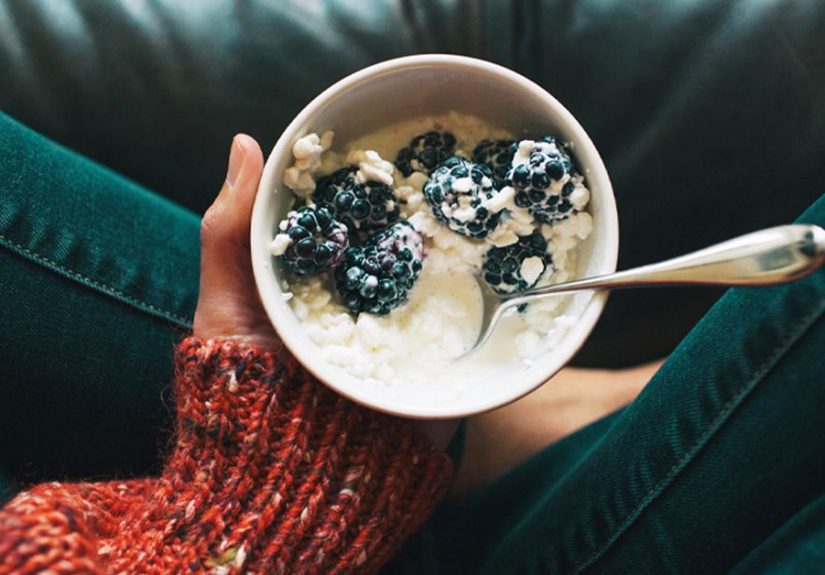
- Texture upgrades: thinly spread fruit, soft cooked apple cubes, ripe berries smashed into oatmeal
Bonus: these options help babies explore taste and texture without turning every meal into “dessert for breakfast.”
Your future self (and your dentist) may send you a thank-you note.
FAQ: Quick answers to common honey questions
Can a breastfeeding parent eat honey?
In general, yes. The honey restriction is about direct feeding to infants under 12 months, not about a breastfeeding parent consuming honey.
If you have a specific medical condition or concern, ask your healthcare provider.
Can I put honey on a pacifier to soothe my baby?
No. Honey on pacifiers (or honey-filled pacifiers) is specifically warned against. If your baby needs soothing,
use safer pediatrician-approved approaches.
What about “honey-flavored” cereal or snacks?
Check ingredient lists. If the product contains actual honey, avoid it under 12 months.
Some products that sound like honey aren’t honey at allso labels matter.
Is honey in baked goods okay for babies under one?
The simplest, safest approach is to avoid honey-containing baked goods until after 12 months.
Since you can’t confirm the risk is eliminated in every preparation, sticking to the “no honey in any form” rule keeps things clear.
Takeaway: The honey rule is simple (and you’ll nail it)
If you remember nothing else, remember this: no honey before 12 months.
After your baby’s first birthday, honey can be introduced in small amounts as an occasional sweetener.
Until then, use fruit and gentle spices for sweetness, and keep meals focused on nutrient-dense foods.
Parenting is full of complicated rules. This one, at least, is refreshingly straightforward.
And if you’ve already slipped up? Don’t spiral. Stop the honey, keep an eye on your baby, and talk to your pediatrician if you’re concerned.
Real-Life Experiences: Honey, Babies, and the Parenting Group Chat (500-ish words)
If parenting came with a soundtrack, the “honey debate” would be set to dramatic violin musicbecause it always seems to appear at the worst time.
Picture this: you’re running on three hours of sleep, your baby is giving oatmeal the kind of side-eye usually reserved for bad reality TV,
and you spot the honey bottle like it’s a beacon of hope. One tiny drizzle and breakfast becomes delicious, right? That momentright there
is when many parents discover the honey rule… usually because someone texts: “Wait, isn’t honey a no until one???”
One common story goes like this: a grandparent, full of love and old-school wisdom, suggests honey because “we did it all the time.”
The parent freezesbecause arguing with Grandma before coffee should be an Olympic sportand later Googles in a panic.
The relief comes quickly: the rule is clear, and the fix is simple. The bigger lesson (and maybe the more exhausting one) is realizing that
baby feeding advice changes over time, and your job isn’t to defend modern guidance like a courtroom lawyer. It’s to keep your baby safe today.
Another classic scenario: the “healthy snack” surprise. A parent buys a fancy granola bite that screams organic, wholesome, and Instagram-friendly.
The baby takes two gummy nibbles, and then the parent reads the label and sees it: honey. Cue the internal monologue:
“Is this an emergency? Do I call the pediatrician? Do I move to a new city under a different name?” In reality, most of the time the right response is calmer:
stop the honey product, keep an eye on your baby, and call the pediatrician if you notice anything unusual. The emotional whiplash is real, though
and it’s a reminder that reading labels is basically a new parental hobby (along with wiping mysterious sticky substances off everything you own).
Then there’s the “cough season” moment. A baby has a cold, the whole house is tired, and someone mentions honey as a soothing remedy.
For toddlers over one, honey may be a reasonable comfort option (with pediatric guidance). But for infants under one, it’s a hard pass.
Parents often describe this as frustratingbecause it feels like babies get the short end of every helpful home remedy.
The upside is that the honey rule gives you clarity when you’re exhausted: no complicated dosing math, no debating “just a little bit,” no uncertainty.
It’s simply not on the menu yet.
Finally, there’s the best kind of honey experience: the first birthday “unlock.” Parents love that moment when the baby becomes a toddler and suddenly
an entire category of foods feels less scary. A tiny smear of honey on toast becomes weirdly celebratorylike you’re introducing your child to the concept of “treat”
without going full cupcake chaos. And by then, most families realize the bigger win wasn’t honey itself. It was building a rhythm of safe choices,
label-checking habits, and calm confidenceso that one day, you can drizzle honey on yogurt, smile, and not Google it first.