Table of Contents >> Show >> Hide
- First: Know What Depression Can Look Like (It’s Not Always Tears)
- Step 1: Create a “Safe Landing” Conversation
- Step 2: What to Say (Scripts That Actually Help)
- Step 3: What Not to Say (Even If You Mean Well)
- Step 4: Listen Like You’re Not Trying to Win a Debate
- Step 5: Offer Practical Help (Depression Hates Logistics)
- Step 6: Encourage Professional Help Without Sounding Like a Robot
- Step 7: If You’re Worried About Immediate Safety
- Step 8: Keep Showing Up After the Big Talk
- Step 9: Set Boundaries (Because You’re a Helper, Not a Life Raft)
- Common “Helping” Mistakes (And Better Alternatives)
- Real-World Experiences and Lessons (500+ Words)
- Experience 1: “I finally told you… and now I regret it.”
- Experience 2: The “high-functioning” friend who never cancels plans
- Experience 3: The day they ask for help is not the day they accept help
- Experience 4: “I can’t be your only person” (and why that can be loving)
- Experience 5: The power of “ordinary” companionship
- Conclusion: Help That Actually Helps
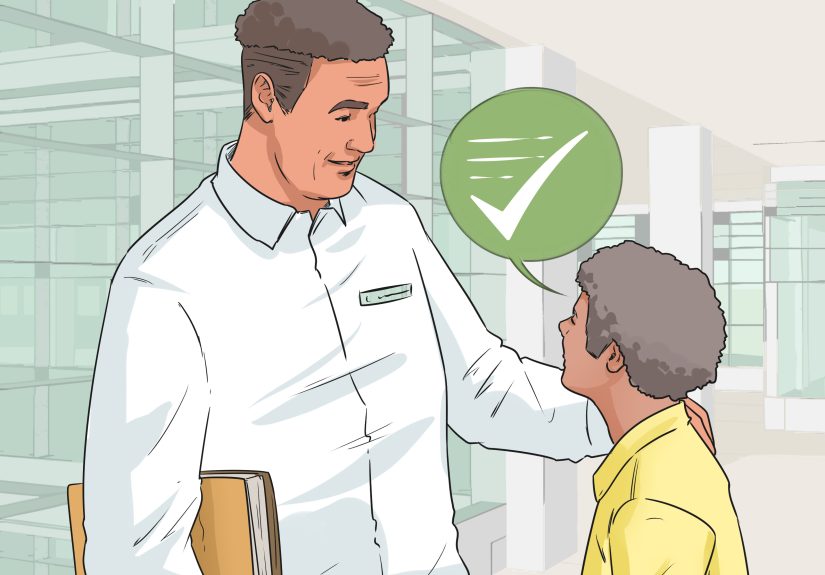
When someone finally says, “I think I’m depressed,” or “I need help,” it’s a big deal.
Not a casual, grab-a-coffee-and-chat kind of dealmore like a “they just handed you something fragile and brave”
kind of deal. And if your brain immediately starts yelling, Say the perfect thing! Fix it! Do a TED Talk!
…take a breath. Your job isn’t to cure depression in one conversation.
Your job is to be a steady, human bridge: from “I’m alone in this” to “I have support, and there are real options.”
Depression is a medical condition that affects mood, thinking, energy, sleep, appetite, and daily functioningand it’s
treatable. The most helpful support often looks surprisingly simple: listening well, showing up consistently, and helping
them connect to professional care.
First: Know What Depression Can Look Like (It’s Not Always Tears)
Depression isn’t just “sadness.” Some people feel numb, irritable, exhausted, or hopeless. Others look “fine” on the outside
and spend all their energy passing as okay. Common signs include ongoing low mood, loss of interest or pleasure, changes in
sleep or appetite, trouble concentrating, low energy, feelings of worthlessness or excessive guilt, and pulling away from people.
Symptoms typically last at least two weeks for major depression, but patterns can vary by person.
Why this matters
If you expect depression to look like movie-style crying in the rain, you might miss itor accidentally dismiss it.
Support starts with believing them and taking what they say seriously, even if they’re still cracking jokes or going to work.
Step 1: Create a “Safe Landing” Conversation
When they ask for help, your first mission is to make it easier for them to keep talking. That means:
- Pick a calmer moment when possible (quiet car ride, walk, kitchen table, not the middle of a party).
- Ask permission to talk: “Do you want advice, or do you want me to just listen?”
- Stay curious, not investigative. You’re not cross-examining; you’re understanding.
- Keep your body language kind: phone down, eye contact, relaxed shoulders.
A great opener is simple and specific: “I’m really glad you told me. I care about you. What’s been feeling hardest lately?”
Step 2: What to Say (Scripts That Actually Help)
Most people worry about saying the wrong thing. Helpful language usually does three things:
validates, stays present, and offers realistic support.
Try these phrases
- Validate: “That sounds really heavy. I can understand why you’re exhausted.”
- Believe them: “I’m taking you seriously.”
- Reduce shame: “Depression is an illness, not a character flaw.”
- Offer presence: “You don’t have to handle this alone. I’m here.”
- Invite specifics: “What kind of support would feel most helpful this week?”
- Give choices: “Do you want to talk now, or should we sit together quietly for a bit?”
One tiny sentence that matters a lot
“Thank you for telling me.” It signals that opening up was the right movenot a burden.
Step 3: What Not to Say (Even If You Mean Well)
Depression has a talent for twisting good intentions into shame. Avoid language that minimizes, lectures, or turns
their pain into a self-improvement project.
Skip these greatest hits
- “Just think positive.” (If it worked, depression would be a motivational poster.)
- “Other people have it worse.” (Pain isn’t a competition.)
- “You have so much to be grateful for.” (True, and also not a treatment.)
- “You don’t seem depressed.” (They’ve been performing.)
- “What you need is…” (Unsolicited fixing can feel like pressure.)
If you mess upand everyone does sometimesrepair fast: “I’m sorry. That came out wrong. I want to understand, not minimize.”
Step 4: Listen Like You’re Not Trying to Win a Debate
Depression often comes with harsh self-talk: “I’m a failure,” “Nothing will help,” “I’m a burden.”
Your goal isn’t to argue them into happiness. It’s to help them feel less alone and more understood.
Use “reflect and anchor”
- Reflect: “It sounds like mornings are the worst, and you feel trapped.”
- Anchor: “I’m here with you right now. We can take this one step at a time.”
Ask questions that open doors
- “When did you first notice this getting worse?”
- “What’s one moment in the day that feels slightly less awful?”
- “What has helped even 1% in the pastmusic, showers, being outside, texting someone?”
If they go quiet, don’t rush to fill space. Silence can be them feeling safe enough to exist without performing.
Step 5: Offer Practical Help (Depression Hates Logistics)
Depression can make basic tasks feel like carrying groceries up a mountain… barefoot… in the rain… with a trombone.
Practical support reduces friction and increases the odds they’ll accept help.
Make support concrete
- “Want me to sit with you while you call your doctor?”
- “I can drive you to an appointment or wait outside.”
- “Let’s pick two small tasks: laundry and a 10-minute walk. I’ll do it with you.”
- “Can I drop off groceries or dinner on Tuesday?”
- “Do you want reminders, or does that stress you out?”
Notice the pattern: specific offers beat “Let me know if you need anything” (which requires energy and planning
they may not have).
Step 6: Encourage Professional Help Without Sounding Like a Robot
Support from friends and family is powerfulbut depression often needs clinical care too. Evidence-based treatment commonly
includes psychotherapy (talk therapy), medication (like antidepressants), or a combination. Primary care clinicians can be a
starting point, and licensed mental health professionals can help tailor therapy approaches.
How to bring it up gently
- “I care about you too much to let you carry this alone. Would you be open to talking to a professional?”
- “We can treat this like any other health issueget an evaluation and options.”
- “If calling feels hard, I can help you find a clinic or make a list of questions to ask.”
Normalize common barriers
People avoid care for lots of reasons: cost, time, stigma, bad past experiences, or the belief that they “should be able to
handle it.” You can validate and still encourage: “It makes sense you’re hesitant. And you deserve support that actually works.”
Step 7: If You’re Worried About Immediate Safety
Sometimes helping means taking urgency seriouslywithout panic. If they mention wanting to die, feeling unsafe, or you’re worried
they might hurt themselves, it’s okay to ask directly in a calm way. Asking doesn’t “put the idea in their head.”
It can open a door to getting help.
What you can say
- “I’m really glad you told me. Are you feeling safe right now?”
- “Have you been thinking about hurting yourself?”
- “Would you be willing to reach out for support with me right now?”
What to do next (U.S.)
-
Call or text 988 (the Suicide & Crisis Lifeline) for immediate support and guidanceeither for them or for you
as the helper. - If there’s imminent danger, call 911 or go to the nearest emergency room.
- Stay with them if you can, and involve another trusted adult/family member if appropriate.
You don’t need the “perfect” response. You need a next step that increases safety and connection.
Step 8: Keep Showing Up After the Big Talk
The day someone asks for help can feel like a turning point. Then the next morning arrives…and depression is still there.
Follow-up is where support becomes real.
Low-pressure check-ins
- “No need to reply fastjust saying I’m thinking of you.”
- “Want company for a short walk, or should I just sit with you?”
- “What’s one small thing we can do today that won’t make it worse?”
If they’re in treatment, you can support consistency: “Do you want me to remind you about your appointment, or does that feel like pressure?”
Step 9: Set Boundaries (Because You’re a Helper, Not a Life Raft)
Caring for someone with depression can be emotionally drainingespecially if you start believing you’re responsible for their mood.
You’re not. Boundaries protect both of you.
Healthy boundaries sound like
- “I can talk tonight for 20 minutes. I’m here, and I also need sleep.”
- “I’m not able to be on-call 24/7, but we can plan support and professional options.”
- “I care about you. I’m going to step out for a bit and check in tomorrow.”
Taking care of yourself (sleep, food, movement, your own support system, therapy if needed) is not selfish.
It’s how you stay steady enough to help.
Common “Helping” Mistakes (And Better Alternatives)
Mistake: Turning every conversation into problem-solving
Try instead: “Do you want solutions, reassurance, or just someone to sit with you?”
Mistake: Taking withdrawal personally
Depression can reduce energy for texting, socializing, and even basic replies.
Try instead: “No pressure to respond. I’m here.”
Mistake: Over-promising
Saying “I’ll always be here no matter what” sounds comforting, but can create pressure you can’t realistically meet.
Try instead: “I’m here, and we’ll build a support plan that doesn’t rely on just one person.”
Mistake: Treating treatment like a quick fix
Therapy and medication can work well, but they may take time and adjustments.
Try instead: “Let’s give this time and keep communicating about what’s helping.”
Real-World Experiences and Lessons (500+ Words)
Below are composite, real-life-style scenarios drawn from common patterns that clinicians, support organizations,
and caregivers frequently describe. Names and details are generalized to protect privacy, but the lessons are practical.
Experience 1: “I finally told you… and now I regret it.”
A college student confides in a friend late at night: “I think I’m depressed.” The friend responds with rapid-fire advice:
vitamins, exercise, a podcast, a new planner, a sunrise routine. The student nods politely, then goes quiet for days.
When they reconnect, the student admits: “It felt like you were trying to get rid of my feelings.”
Lesson: When someone shares depression, advice can feel like dismissal if it arrives before validation.
A better first response is “I’m really glad you told me. Tell me what it’s been like.” Then, once they feel heard,
ask permission to brainstorm next steps.
Experience 2: The “high-functioning” friend who never cancels plans
A coworker seems productive, funny, and reliableyet privately admits they’re barely sleeping, constantly numb,
and struggling to concentrate. Their partner says, “But you’re doing fine,” because bills are paid and meetings are attended.
The coworker hears: “Your pain doesn’t count unless you collapse.”
Lesson: Depression doesn’t require visible chaos to be real. Treat what they say as valid data.
Support can be as small as: “I believe you. Want help finding a professional? I can sit with you while you schedule.”
It’s also a reminder that “looking okay” can be a sign of effort, not wellness.
Experience 3: The day they ask for help is not the day they accept help
A parent hears their adult child say, “I need help,” and immediately offers therapy options. The child agrees…then
doesn’t follow through. The parent feels angry: “Why ask for help if you won’t take it?”
But depression can create a cruel loop: recognizing you need help requires clarity; taking steps requires energy; depression drains energy.
Lesson: Replace judgment with scaffolding. Offer one small next step: “Can we pick a time tomorrow to call your doctor?”
Or “I’ll bring my laptop over and we’ll look up providers for 15 minutes.” Breaking the process into tiny chunks
is often more effective than a big “You should get treatment.”
Experience 4: “I can’t be your only person” (and why that can be loving)
A best friend becomes the sole support for someone with depression. They text nonstop, cancel plans, and feel guilty for
needing a break. Eventually they burn out and disappearexactly what they feared would happen.
Lesson: Boundaries aren’t abandonment; they’re sustainability. The healthiest helpers build a network:
professional care, trusted family, support groups, and crisis resources when needed. A caring boundary might be:
“I can talk tonight for 20 minutes. And I also want us to get you more support than just me.”
That sentence protects the friendship and improves long-term safety.
Experience 5: The power of “ordinary” companionship
One of the most consistent stories caregivers share is this: the biggest help wasn’t a brilliant speech.
It was someone who kept showing upbringing soup, watching a show, taking a short walk, sitting in silence without judgment.
Depression tells people they’re a burden. Ordinary companionship quietly argues, “You’re worth time.”
Lesson: Don’t underestimate small, repeatable actions. A weekly walk. A Sunday check-in.
A meme that says “no need to reply.” When support is predictable and low-pressure, it’s easier to accept.
Conclusion: Help That Actually Helps
If someone asks you for help with depression, you don’t need a perfect scriptyou need a steady presence.
Believe them. Listen without trying to fix. Offer practical support that makes care easier to access.
Encourage professional treatment with warmth, not pressure. Stay alert to safety concerns and use crisis resources when needed.
And protect your own well-being with boundaries, because consistent support beats heroic burnout every time.
The most healing message you can send is simple: “You matter to me. I’m here. Let’s take the next step together.”