Table of Contents >> Show >> Hide
- The Quick Answer (Because You’re Busy)
- First: What Fish Oil Is (and Why Timing Gets Overhyped)
- What Actually Helps Absorption: Take It With Food (Especially Fat)
- Morning Fish Oil: Pros, Cons, and Who It’s Best For
- Night Fish Oil: Pros, Cons, and Who It’s Best For
- The Real Winner: “The Time You’ll Take It Consistently”
- If You Take More Than One Capsule: Split the Dose
- How to Prevent Fishy Burps (Without Becoming a Mermaid)
- Best Timing by Goal (Practical Scenarios)
- Safety Notes Most People Skip (But Shouldn’t)
- FAQ: Morning vs Night Fish Oil
- Conclusion: Choose the Time That Fits Your Stomach and Your Life
- Experiences People Commonly Have (and What They Learn)
Fish oil is one of those supplements that feels like it should come with a tiny instruction manual and a breath mint. You buy it for your heart, brain, joints, or triglycerides… and then it fights back with the occasional fish burp that makes you question every decision you’ve ever made.
So let’s settle the big debate: Is it better to take fish oil in the morning or at night? The most honest (and useful) answer is: either one can be “best,” depending on your body and your schedule. Timing matters far less than consistency and taking it the right way (hint: usually with food).
This guide breaks down what actually affects resultsabsorption, side effects, adherence, and your specific health goalsso you can pick a time you’ll stick with and a routine your stomach won’t protest.
The Quick Answer (Because You’re Busy)
- Morning vs night doesn’t change the benefits much for most people.
- Take fish oil with a meal that includes some fat to improve tolerance and help your body use it.
- If it causes reflux or fishy burps, try taking it with your largest meal, splitting the dose, freezing the capsules, or avoiding taking it right before bed.
- If your “best time” is the time you actually remember, congratulationsyou found the best time.
First: What Fish Oil Is (and Why Timing Gets Overhyped)
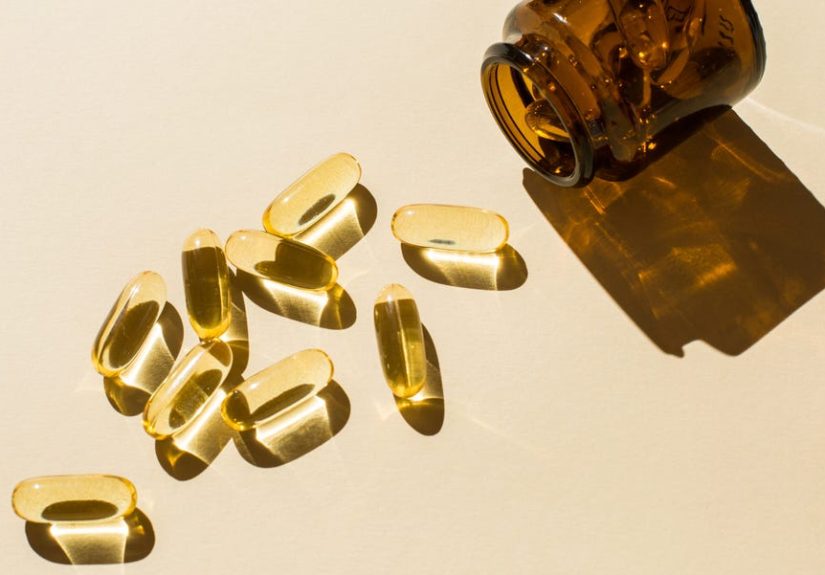
Fish oil supplements typically provide omega-3 fatty acidsmainly EPA (eicosapentaenoic acid) and DHA (docosahexaenoic acid). These fats are used throughout the body in cell membranes and are studied for roles in cardiovascular health, inflammation, and triglyceride management.
Here’s why the morning-or-night debate gets louder than it deserves: omega-3s don’t work like caffeine. You’re not chasing a short-lived “boost.” For most goals, you’re building up steady intake over time. That means what you do every day matters more than what you do at 8:00 a.m. vs 8:00 p.m.
So why does timing matter at all?
Because fish oil can be… dramatic. The timing decision is usually about:
- Stomach comfort (nausea, loose stools, indigestion)
- Reflux/heartburn (especially if you lie down soon after)
- Fishy aftertaste (your supplement trying to become your personality)
- Consistency (the #1 factor for real-world results)
What Actually Helps Absorption: Take It With Food (Especially Fat)
One of the most practical tips you’ll see across clinical guidance and hospital/medical references is to take fish oil with food. Why? Because omega-3s are fats, and taking them alongside a mealparticularly one with some fatoften helps your body handle and absorb them more comfortably.
What does “with fat” look like in real life?
You don’t need to chug olive oil like it’s a sports drink. Just pair fish oil with a meal that includes a normal amount of fat, such as:
- Eggs, avocado toast, or yogurt with nuts (breakfast)
- A sandwich with cheese or mayo, or a salad with dressing (lunch)
- Salmon, chicken thighs, olive-oil roasted veggies, or rice with peanut sauce (dinner)
If you take fish oil on an empty stomach and it makes you feel queasy, that’s not a sign the supplement is “working.” That’s your stomach filing a complaint.
Morning Fish Oil: Pros, Cons, and Who It’s Best For
Pros
- Easy habit stacking: If you already take a multivitamin or meds in the morning, fish oil can join the party.
- Less chance you’ll forget: Many people have more predictable mornings than evenings.
- Good if dinner is unpredictable: Shift work, social plans, or “girl dinner” situations happen.
Cons
- Breakfast may be low-fat: Coffee and a banana isn’t a great cushion for fish oil.
- Some people get daytime burps: Fish oil can “repeat” if your digestion is slow or if you took it without enough food.
Morning is a strong choice if…
- You reliably eat breakfast (with at least a little fat).
- You tend to forget supplements later in the day.
- Taking it at night worsens reflux for you.
Night Fish Oil: Pros, Cons, and Who It’s Best For
Pros
- Dinner is often the biggest meal: More food can mean fewer GI side effects.
- You may “sleep through” minor aftertaste: If fish oil gives you a brief repeat, you’re less likely to notice at 2:00 a.m. than at 2:00 p.m.
- Easy pairing with bedtime routines: If you’re consistent with evening routines, it can stick.
Cons
- Reflux risk: If you take fish oil right before lying down, it can worsen heartburn in people prone to reflux.
- Late-night “snack dinner” isn’t ideal: A handful of pretzels at 10 p.m. is not the supportive cast fish oil deserves.
Night is a strong choice if…
- Your largest, most balanced meal is dinner.
- You experience fewer burps when you take it later.
- You can take it with dinner (not right before bed).
The Real Winner: “The Time You’ll Take It Consistently”
If fish oil is recommended for a specific reason (like triglyceride management), taking it sporadically is like watering a plant once a month and getting mad that it looks thirsty.
Choose a time you can repeat dailyand then make it nearly impossible to forget:
- Keep it next to your coffee maker or tea kettle (morning).
- Put it beside your plates or pantry snacks (mealtime cue).
- Use a weekly pill organizer (boring, but undefeated).
- Set a recurring phone reminder for the first two weeks (until it becomes automatic).
If You Take More Than One Capsule: Split the Dose
If your label suggests multiple capsules per day, or your clinician recommends a higher intake, splitting the dose can be easier on your stomach.
Simple split examples
- Two capsules/day: one with breakfast, one with dinner
- Liquid fish oil: half with lunch, half with dinner
- Higher-dose regimens: follow clinician guidance and consider dividing across meals
Splitting can reduce burps, nausea, and that “I swallowed a dock” feeling some people get from multiple capsules at once.
How to Prevent Fishy Burps (Without Becoming a Mermaid)
Fishy burps are common enough to deserve their own support group. Try these fixes:
1) Take it with a full meal
This is the biggest lever for many peopleespecially meals with some fat and protein.
2) Don’t take it right before bed (if reflux-prone)
If you’re choosing “night,” aim for dinner time, not “pajamas on, lights off.” Give your body time to digest before lying down.
3) Freeze the capsules
Yes, really. Some people find frozen capsules reduce aftertaste and burps because they dissolve more slowly.
4) Consider the form and quality
Some products are enteric-coated or formulated to reduce repeat. Also look for brands that use third-party testing or quality standards. (Supplements vary widely, and “smells like a pier” is not a quality certification.)
Best Timing by Goal (Practical Scenarios)
If your goal is general wellness
Pick the time you’re most consistent. Morning with breakfast or evening with dinner both work well.
If your goal is triglyceride support
Higher intakes may be recommended under medical supervision (and prescription omega-3s exist for specific triglyceride levels). In these cases, splitting doses with meals often makes the plan easier to tolerate and follow.
If you have reflux, GERD, or frequent heartburn
Morning (with breakfast) or midday (with lunch) may be more comfortable than late evening. If you do take it at night, take it with dinner and avoid lying down soon after.
If fish oil makes you nauseated
Try taking it with your largest meal and consider splitting the dose. If nausea continues, talk with a clinicianespecially if you’re using other supplements or medications.
Safety Notes Most People Skip (But Shouldn’t)
Fish oil is widely used, but “natural” doesn’t mean “automatic.” Keep these in mind:
- Medication interactions: Omega-3 supplements can affect bleeding time and may interact with anticoagulants/antiplatelet medications. If you take blood thinners, ask your clinician before starting or changing dose.
- Surgery and dental procedures: If you’re scheduled for surgery, your care team may want to know what supplements you take.
- Atrial fibrillation (AFib) and high doses: Some research suggests higher-dose omega-3 supplementation may increase AFib risk in certain people. This is a “talk to your clinician” zone, especially if you have a history of arrhythmia.
- Fish/shellfish allergy: Check labels and discuss with a clinician if you have allergies.
Also: if you’re taking fish oil for a diagnosed condition, prescription omega-3s may be more appropriate than over-the-counter supplements. Don’t self-prescribe mega-doses because a bottle told you to “support heart vibes.”
FAQ: Morning vs Night Fish Oil
Does taking fish oil at night help you sleep?
There’s no universal rule that fish oil improves sleep just because you take it at night. If you sleep better, it’s more likely because your routine is calmer or you’re taking it with a better mealrather than because omega-3s are acting like a bedtime tea.
Can I take fish oil with coffee?
You can, but coffee alone isn’t the best companion. If you take fish oil in the morning, pair it with breakfast (even something small but balanced, like eggs or yogurt with nuts).
What if I forget a dose?
Take it when you rememberpreferably with food. If it’s close to your next dose, don’t double up unless your clinician specifically instructed you to.
Conclusion: Choose the Time That Fits Your Stomach and Your Life
If you came here hoping for a dramatic showdownMorning Fish Oil vs Night Fish Oil, cage match at dawnsorry to disappoint. For most people, the best time is the time you’ll take consistently, and the best method is with a meal (often with some fat).
Pick morning if it helps you remember or if night triggers reflux. Pick dinner-time if it reduces stomach upset and fits your routine. Split your dose if you’re taking more than one capsule. And if fishy burps show up uninvited, try food, freezing, and smarter timing before you give up.
In short: make fish oil boring. When it’s boring, it’s consistent. When it’s consistent, it actually has a chance to do what you took it for in the first place.
Experiences People Commonly Have (and What They Learn)
Let’s talk about the part nobody puts on the label: the lived experience of fish oil. Not clinical-trial perfectionreal life, where meals are messy, schedules change, and sometimes you realize you’ve been taking your “daily” supplement approximately three times a week since 2019.
Experience #1: The “Morning Me” Optimist. This person buys fish oil and vows to take it every morning. Day one: heroic. Day two: still strong. Day three: they’re running late, grab coffee, and remember the capsules at 4:00 p.m. The lesson: morning fish oil works best when breakfast exists. Once they started pairing it with something consistentlike eggs on weekdays or yogurt and nutsthey stopped forgetting and stopped feeling queasy.
Experience #2: The “Dinner Is My Only Real Meal” Realist. Some people barely eat in the morning but have a proper dinner. When they take fish oil at night (with dinner), side effects often calm down. Fewer burps, less nausea, and it just feels “easier.” The catch: if they take it too lateright before bedheartburn may show up like an uninvited guest. Moving the dose earlier (with dinner instead of bedtime) is often the fix.
Experience #3: The “Why Am I Burping the Ocean?” Confused Citizen. Fishy burps can feel personal, like your supplement is trying to embarrass you in public. Many people report that taking fish oil on an empty stomach is the fastest path to Repeat City. The most common solutions they end up loving are painfully simple: take it with food, split the dose, and keep the capsules in the freezer. The freezer trick, in particular, becomes one of those “I can’t believe this worked” moments.
Experience #4: The Dose-Split Convert. Anyone taking more than one capsule daily eventually discovers that swallowing a mini handful at once can be a lot. Splittingone capsule with breakfast and one with dinneroften makes the whole routine feel smoother. People also say splitting reduces that heavy, oily sensation some feel after a single larger dose. The bonus: two “touchpoints” per day can actually improve adherence because missing one doesn’t feel like missing everything.
Experience #5: The Routine Builder. The people who stick with fish oil long-term usually stop relying on motivation and start relying on cues. They keep the bottle where they’ll see it (next to the plates, coffee, or toothbrush), use a weekly organizer, or set a reminder until it’s automatic. Their big realization is surprisingly unsexy: the best supplement strategy isn’t willpowerit’s convenience.
If you’re experimenting with timing, give each approach a week. Try breakfast-with-fat mornings, then dinner-time evenings. Track two things: (1) how your stomach feels and (2) how often you actually remember. The best time is the one that makes fish oil feel like a normal part of your dayno drama, no burps, no heroic speeches required.