Table of Contents >> Show >> Hide
- The short answer: most kids start around 5–7 years old
- Why baby teeth fall out in the first place
- Typical tooth-losing timeline (and which teeth go first)
- But waitwhat about those “6-year molars”?
- What’s “normal” variation (and what can change the schedule)?
- Signs your child is about to lose a tooth
- How to handle a loose tooth (without chaos)
- What if the permanent tooth comes in before the baby tooth falls out?
- When to call a dentist (red flags worth checking)
- Keeping new adult teeth healthy during the transition
- Tooth Fairy logistics (optional, but highly motivating)
- Frequently asked questions
- Real-life experiences families commonly share (about losing baby teeth)
- Conclusion
One day your kid is grinning with a full set of tiny, perfect baby teeth. The next day they’re wiggling a front tooth like it’s a winning lottery ticket.
If you’re wondering when the tooth-losing era starts (and whether your child is “early,” “late,” or “inventing drama”), you’re not alone.
The good news: there’s a normal range, there’s a typical order, and there are a few easy ways to make the whole thing less messyemotionally and literally.
The short answer: most kids start around 5–7 years old
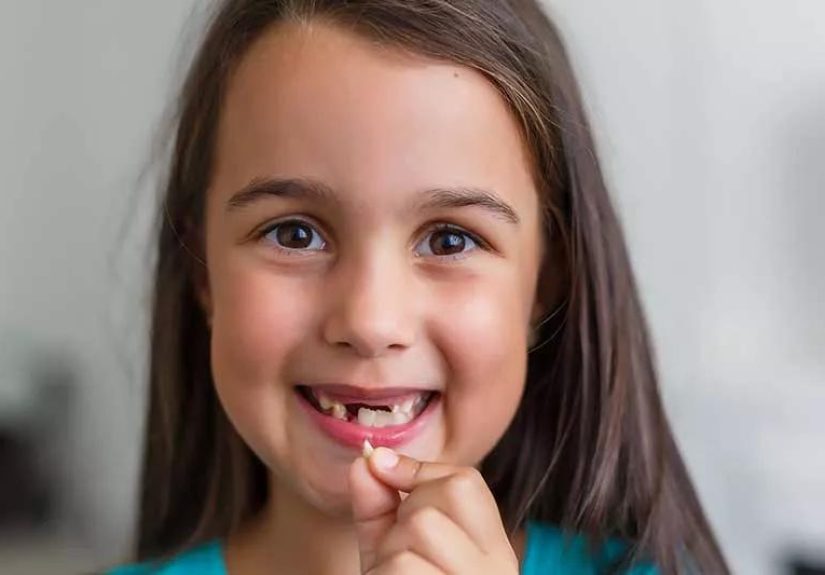
Most children lose their first baby tooth sometime between ages 5 and 7, with 6 being the classic “average.”
From there, the process usually continues on and off until about 12–13, when most kids have finished saying goodbye to their 20 primary teeth.
(Yes, that’s 20 teeth total. It can feel like 200 when they all seem to loosen at once.)
Why baby teeth fall out in the first place
Baby teeth (also called primary teeth) are placeholders that help kids chew, speak clearly, and hold space for adult teeth.
As permanent teeth get ready to move in, they gradually dissolve (reabsorb) the roots of the baby teeth underneath.
That’s why a tooth can feel surprisingly loose before it falls outthere isn’t much root left holding it in place.
Think of it like a tiny moving day: the “new tenant” pushes up, the “old tenant” packs up, and the gum tissue is left holding the lease for a little while.
Typical tooth-losing timeline (and which teeth go first)
Every child is their own dental universe, but most follow a familiar pattern. In general, kids tend to lose teeth in roughly the same order they got them:
front teeth first, back teeth later.
Ages 6–7: The front bottom teeth (often first)
The most common “first tooth” is one of the lower central incisors (the two front bottom teeth).
Soon after, the top front teeth often follow. This is peak gap-tooth seasonand peak photo-op season.
Ages 7–8: The teeth next to the front teeth
Next usually come the lateral incisors (the teeth right next to the very front ones). Again, bottom often leads, top follows.
This is when many kids start developing a new hobby: whistling air through brand-new spaces in their smile.
Ages 9–12: The “bigger” changesmolars and canines
Between ages 9 and 12, kids typically start losing teeth farther back, including:
- First molars (baby molars, not the permanent “6-year molars”)
- Canines (the slightly pointier “corner” teeth)
- Second molars (often among the last baby teeth to go)
By the end of this phasearound 12 or 13many kids have transitioned out of the baby-tooth era, even if a few late stragglers hang on for a bit.
But waitwhat about those “6-year molars”?
Here’s a common surprise: around the same time kids start losing teeth, new permanent molars may appear behind the baby molarswithout any tooth falling out first.
These are often called 6-year molars, and they’re permanent. They don’t replace a baby tooth; they simply show up in the back like, “Hi, I live here now.”
Because they arrive quietly (and because they’re way in the back), these teeth can sometimes be mistaken for “extra” teeth or overlooked when brushing.
It’s worth paying attention: these molars are keepers.
What’s “normal” variation (and what can change the schedule)?
Tooth timing has a rangekind of like walking, talking, or learning to tie shoes. Some kids start early, others take their time.
A few factors that can influence timing include:
- Genetics: If you were an early tooth-loser, your child might be, too.
- Early tooth eruption: Kids who got baby teeth early sometimes lose them earlier.
- Spacing and crowding: How teeth fit can affect how and when permanent teeth come in.
- Injury: A bumped tooth can loosen earlier than expected.
- Tooth decay: Cavities can weaken baby teeth and change the timeline.
So if your kid loses a tooth at 4 or still has most baby teeth at 8, it isn’t automatically a problembut it’s a good reason to keep an eye on patterns.
Signs your child is about to lose a tooth
The classic clue is obvious: the tooth wiggles. But you may also notice:
- Gum tenderness or mild swelling around a single tooth
- Your child chewing on one side “because it feels weird”
- The tooth looking slightly longer (it’s shifting outward)
- A permanent tooth bump or edge appearing nearby
Mild discomfort is common. Severe pain, significant swelling, or fever is not “standard tooth fairy business” and should be checked out.
How to handle a loose tooth (without chaos)
There are two reliable approaches to loose teeth:
gentle patience and controlled wiggling. The goal is to let the tooth fall out when it’s ready.
- Encourage clean hands before wiggling. (Because kids will wiggle it anyway.)
- Let it loosen naturally over days or weeks.
- Avoid twisting or yanking if it’s clearly still attached and painful.
- Use crunchy foods (like apples) only if your child is comfortable and not at risk of biting their cheek.
- If it bleeds, fold gauze or a clean tissue and apply gentle pressure for a few minutes.
And yes, people still joke about tying a string to a doorknob. You don’t have to be that household.
Your doors deserve peace.
What if the permanent tooth comes in before the baby tooth falls out?
Sometimes a permanent tooth appears behind or in front of a baby tooth that’s still hanging around.
Parents often call these “shark teeth” because the double-row look is… memorable.
In many cases, the baby tooth loosens and falls out soon after, and the permanent tooth gradually shifts into place.
But if the baby tooth is not loosening over time, or your child is uncomfortable, a dentist can evaluate whether help is needed.
When to call a dentist (red flags worth checking)
Most tooth loss is routine. Still, it’s smart to get professional guidance if you notice:
- A tooth falls out due to an injury (especially if it’s a permanent tooth or you’re not sure).
- Persistent pain, significant swelling, pus, or fever.
- A permanent tooth erupting while the baby tooth stays firmly in place for a long time.
- No loose teeth by around age 7–8 (especially if other development seems typical).
- Many teeth lost very early (which may affect spacing and future alignment).
Keeping new adult teeth healthy during the transition
The “mixed dentition” phasewhen kids have both baby teeth and permanent teethcan be a cavity magnet.
New molars have grooves that trap food. Gaps can make brushing awkward. And kids are… kids.
A few habits make a big difference:
- Brush twice daily with fluoride toothpaste (amount should be age-appropriate).
- Floss once daily as soon as teeth touch. If that sounds impossible, start with a few teeth and build.
- Limit frequent sugary snacks and drinks (the “sipping all day” habit is especially rough on enamel).
- Protect teeth in sports with a mouthguard.
- Keep regular dental visits so timing, spacing, and enamel health can be monitored.
Tooth Fairy logistics (optional, but highly motivating)
If your household participates in the Tooth Fairy tradition, a little planning saves a lot of midnight fumbling.
A few parent-tested ideas:
- Use a tiny container so the tooth doesn’t vanish into pillow dimension.
- If your child is nervous, let them “leave a note” with questions for the Tooth Fairy.
- Consider non-cash rewards sometimes: stickers, a small book, a special breakfast request.
Bonus: the Tooth Fairy has excellent leverage for brushing reminders. (Use your powers responsibly.)
Frequently asked questions
How many baby teeth do kids lose?
Most kids have 20 baby teeth, and they lose all 20 as permanent teeth replace them.
Later, more permanent molars may appear in the back, which is why adults can have up to 32 teeth total.
Is it normal to lose teeth out of order?
Small variations happen. A tooth that took longer to come in may stick around longer.
But major deviationsespecially paired with pain, crowding, or double rowsare worth checking with a dentist.
Do girls lose teeth earlier than boys?
Often, yesmany children who develop a bit earlier also hit dental milestones earlier. But the overlap is big, so it’s not a reliable “rule.”
Real-life experiences families commonly share (about losing baby teeth)
If tooth loss were a movie, it would be a family comedy with surprise plot twists, snacks used as props, and at least one dramatic monologue delivered in pajamas.
Here are a few real-to-life scenarios families often describeplus what tends to help.
1) The “It’s wiggly at bedtime!” announcement
Many parents say the first loose tooth is discovered at the exact moment a child should be falling asleep.
Suddenly, the tooth becomes the most important event in human history. The child cannot possibly sleep until you look at it.
You take a peek. It wiggles a millimeter. Your child claims it moved “like, a whole inch.”
What helps: keep it low-pressure. A calm script works wonders: “That means your grown-up tooth is getting ready. We’ll let it loosen on its own.”
Then offer a simple next step: brush gently, wiggle it a few times, and check again tomorrow.
If your child is anxious, reassurance matters more than timelines. The tooth doesn’t need to leave tonight for this to be a win.
2) The school-day tooth drop (aka: the legendary lunchbox surprise)
A classic story: the tooth falls out at school, during lunch, or while your child is laughing with friends.
Sometimes it ends up wrapped in a napkin. Sometimes it ends up in a backpack pocket next to a mystery crayon.
Occasionally, it ends up… not found. (Moment of silence for the lost tooth.)
What helps: normalize the randomness. Teeth fall out when they’re readyoften mid-sandwich.
If your kid is worried about blood or taste, send them with a small travel pack: a clean tissue and a tiny container.
Many families say having “the plan” reduces panic, even if it’s never actually used.
3) The “shark teeth” moment that makes parents Google at 2 a.m.
Some families notice a permanent tooth peeking through behind a baby tooth that refuses to budge.
Parents often describe the emotional arc as: curiosity → concern → frantic flashlight inspection → internet rabbit hole.
What helps: first, breathe. This can be normal for a while.
Encourage gentle wiggling and good brushing around the area (food can collect easily).
If the baby tooth stays stubborn for weeks with little change, or if crowding looks significant, scheduling a dental check can provide clarity.
Families often report feeling instantly better after a quick professional lookeven when the outcome is simply “watch and wait.”
4) The late bloomer who worries they’re “behind”
Many kids compare themselves to classmates. If friends are already missing front teeth and your child’s smile is still fully intact, they may feel left out.
Parents commonly hear: “Why haven’t I lost any?” or “Is something wrong with me?”
What helps: shift the framing. Teeth are not a race; they’re a schedule. And schedules vary.
It can help to say, “Your teeth are doing their job until your grown-up ones are ready.”
If your child is around 7–8 with no signs of loosening, a dentist can confirm whether everything is developing normally.
For many families, that reassurance reduces anxiety and stops the comparison spiral.
5) The first-tooth memory parents didn’t realize they’d treasure
Parents often expect tooth loss to be purely practicalblood, tissues, tiny teeth in cups.
But a lot of families later say the first tooth feels surprisingly emotional: it’s one of those “my kid is growing up” milestones that sneaks up on you.
There’s the new smile, the slightly different speech sounds, and the quiet realization that time is doing its thing.
What helps: make it fun in a way that fits your family. Some families do a little photo. Others write the date on a note.
Some toss the tooth in a keepsake box. Others are thrilled to outsource the whole situation to the Tooth Fairy and call it a night.
There’s no perfect wayjust your way.
Conclusion
Most kids start losing baby teeth around age 6 (give or take a year), and the process typically wraps up around 12–13.
The front teeth usually go first, followed by the next set of incisors, then canines and molars.
A little variation is normal, and the best approach is usually gentle patience, good hygiene, and a quick dental check if something looks painful, unusual, or stuck for too long.
Before you know it, your child’s “gap-tooth phase” will be overand you’ll be finding old school photos and thinking, “Wait… when did that happen?”