Table of Contents >> Show >> Hide
- What Is Ankle Replacement Surgery?
- Why Would Someone Need an Ankle Replacement?
- Ankle Replacement vs. Ankle Fusion: The Classic Debate
- Who Is a Good Candidate for Ankle Replacement?
- What Actually Happens During the Surgery?
- Risks and Possible Complications (The Not-Fun Part, But Necessary)
- Recovery Timeline: What to Expect (Reality Edition)
- Physical Therapy and Rehab: The Part People Underestimate
- How Long Does an Ankle Replacement Last?
- What Daily Life Looks Like After Ankle Replacement
- How to Prepare for Surgery (Practical Stuff That Matters)
- Questions to Ask Your Surgeon (So You Leave With Answers, Not Just a Brochure)
- Cost, Insurance, and the Boring-but-Real World
- Mini Reality Check: Ankle Replacement Is Not a “Quick Fix,” It’s a “Big Upgrade With Maintenance”
- Real-World Experiences: What People Often Say After Ankle Replacement (Approx. )
- Conclusion
Picture your ankle as a hardworking hinge that’s been opening and closing for yearswalking, running, pivoting, stepping off curbs you definitely didn’t see. When arthritis turns that hinge into a rusty door that squeaks, swells, and makes every step feel like a complaint letter, your doctor may mention ankle replacement surgery (also called total ankle arthroplasty).
This article breaks down what ankle replacement is, who it’s for (and who it’s not), how recovery usually goes, and what people often wish they’d known soonerwithout sugarcoating, fearmongering, or turning your ankle into a science fair project. (Okay, maybe a small science fair project.)
What Is Ankle Replacement Surgery?
Ankle replacement surgery is a procedure where the damaged surfaces of the ankle joint are removed and replaced with an artificial joint (a prosthesis). The goal is straightforward: reduce pain and keep ankle motionespecially compared with ankle fusion, which can relieve pain but eliminates motion at the fused joint.
The ankle joint most commonly replaced is the tibiotalar joint (where the tibia meets the talus). Modern implants typically use combinations of metal components and a plastic (polyethylene) insert designed to glide and bear weight.
Why Would Someone Need an Ankle Replacement?
The most common reason is end-stage ankle arthritiswhen cartilage has worn away enough that bone-on-bone contact causes persistent pain, swelling, stiffness, and reduced function. Unlike hip and knee arthritis, ankle arthritis is often linked to prior injuries (like fractures or severe sprains) that changed the mechanics of the joint over time.
Common symptoms that bring people to the “Is it time?” conversation
- Pain that limits daily activities (walking, standing, stairs)
- Swelling that shows up like an uninvited guest and won’t leave
- Stiffness and reduced range of motion
- Difficulty on uneven ground
- Symptoms that persist despite non-surgical treatments
Important: Most people don’t jump straight to surgery. Doctors usually try non-surgical strategies first: activity modification, supportive footwear/brace, physical therapy, anti-inflammatory medicines (when appropriate), and injections in some cases.
Ankle Replacement vs. Ankle Fusion: The Classic Debate
If ankle replacement is “new flooring in the hinge,” ankle fusion is “welding the hinge shut in the least annoying position possible.” Both can reduce pain; the trade-off is motion.
Ankle replacement (total ankle arthroplasty) tends to offer:
- Pain relief and preservation of motion
- Potentially more natural gait than fusion for some people
- A possible benefit of reducing stress on nearby joints compared with eliminating ankle motion entirely
Ankle fusion (arthrodesis) tends to offer:
- Strong pain relief for many patients
- Durability (no implant wear), but loss of ankle motion
- Possible increased stress on adjacent joints over time due to motion being “reassigned” elsewhere in the foot
Which is “better” depends on your anatomy, activity goals, deformity, bone quality, soft tissue condition, and health factors. In real life, it’s not a competitionit’s matching the right solution to the right person.
Who Is a Good Candidate for Ankle Replacement?
In general, ankle replacement is considered for people with advanced ankle arthritis that significantly affects quality of life and hasn’t improved with conservative care.
Factors that often make ankle replacement a stronger option
- Severe ankle arthritis with pain limiting daily function
- A desire to keep ankle motion (and the willingness to protect the implant)
- Reasonable alignment or deformity that can be corrected during surgery
- Bone and soft tissue quality that can support healing
Factors that may make ankle replacement less suitable
Surgeons consider risk factors carefully because ankle implants are smaller than hips/knees and the ankle experiences complex forces. Issues that can raise complication risk include uncontrolled diabetes, smoking, severe neuropathy, active infection, poor blood flow, significant bone loss, or severe deformity that can’t be reliably corrected.
None of this is meant to be a personal “you can’t sit with us.” It’s risk mathyour surgeon is trying to choose the option most likely to succeed for your ankle and your long-term mobility.
What Actually Happens During the Surgery?
While techniques vary, ankle replacement generally involves:
- Removing damaged cartilage and bone from the joint surfaces.
- Preparing the tibia and talus to fit the implant components.
- Placing metal components on the tibia and talus, with a plastic insert acting as the smooth gliding surface.
- Balancing the soft tissues (ligaments/tendons) so the ankle moves and loads evenly.
Here’s the plot twist: ankle replacement is often as much about alignment and balance as it is about “swapping parts.” Some patients also need related procedures at the same timelike correcting deformity, addressing tight tendons, or stabilizing nearby jointsto help the replacement work well.
Risks and Possible Complications (The Not-Fun Part, But Necessary)
All surgeries come with risks. Ankle replacement can involve:
- Infection
- Blood clots
- Nerve or blood vessel injury (uncommon, but possible)
- Wound-healing problems (the ankle has less soft tissue coverage than many joints)
- Implant loosening or wear over time
- Stiffness or persistent swelling
- Need for revision surgery (repair/replace components) in the future
Risk isn’t only about the procedureit’s also about personal factors. Smoking, poorly controlled blood sugar, and certain autoimmune conditions can increase complication risk and slow healing. The good news: some risks are modifiable, and your care team may have a pre-op optimization plan.
Recovery Timeline: What to Expect (Reality Edition)
Recovery is not a single finish lineit’s more like a series of checkpoints. Many people improve steadily over months, and full recovery can take several months to a year depending on complexity, additional procedures, and personal healing speed.
Common recovery phases (general pattern)
- Week 0–2: Splint/cast, swelling management, foot elevated often. Wound care and protecting the incision are the priorities.
- Weeks 2–6: Often continued immobilization with limited or no weight-bearing (varies by surgeon and surgical details).
- Around week 6: Many protocols begin progressive weight-bearing if healing is on track (exact timing varies).
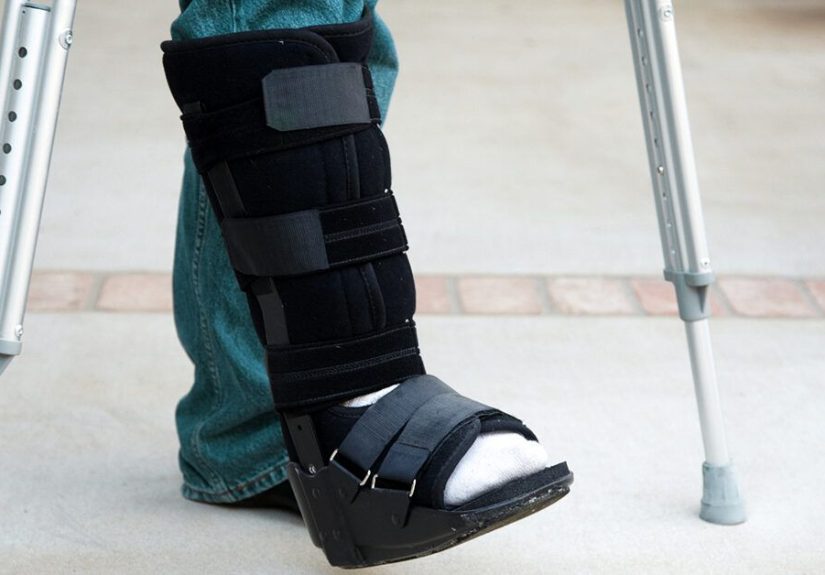
- Weeks 6–12: Transitioning through boot/bracing, rebuilding walking mechanics, and starting more structured rehab.
- Months 3–6: Improved endurance, gait, balance, and function; swelling can still come and go.
- Months 6–12: Continued strength and confidence gains; many people feel “more normal,” though high-impact activity is often discouraged.
Swelling is the drama queen of ankle recovery. It can linger and show up after activity like, “Hi, remember me?” Elevation and gradual progression matter more than willpower.
Physical Therapy and Rehab: The Part People Underestimate
Your implant is only part of the story. Your muscles, tendons, balance, and walking patterns have been compensating for painsometimes for years. Rehab helps you:
- Restore safe range of motion
- Rebuild calf and foot strength
- Improve balance and proprioception (your body’s “where is my ankle?” sense)
- Re-train gait so you’re not limping out of habit
Some surgeons use structured rehab protocols; others tailor therapy based on your motion and stability. Either way, the big theme is progressive loading: doing enough to stimulate recovery without irritating tissues or overloading the healing joint.
How Long Does an Ankle Replacement Last?
This is the question everyone asksright after “When can I drive?” (and occasionally before saying hello).
Implant longevity depends on many factors: your anatomy, implant type, surgical technique, alignment, weight-bearing patterns, activity level, and overall health. Modern implants and improved surgical methods have advanced significantly, but ankle replacements generally don’t have the decades-long track record of hip and knee replacements.
Translation: ankle replacement can be a great option, but it’s best approached with a long-term planprotecting the joint, keeping follow-ups, and understanding that revision surgery may be needed someday for some patients.
What Daily Life Looks Like After Ankle Replacement
Many people pursue ankle replacement to return to everyday activities with less pain: walking for errands, traveling, standing longer, and enjoying low-impact exercise. Commonly encouraged activities include:
- Walking (gradually increased)
- Cycling
- Swimming
- Strength training with appropriate guidance
- Golfing (often later in recovery)
High-impact activitieslike running and jumping sportsare often discouraged because repetitive impact can increase wear and risk of loosening. Think of the implant like a premium car tire: it can do a lot, but burnouts are not part of the warranty vibe.
How to Prepare for Surgery (Practical Stuff That Matters)
1) Make your home “non-weight-bearing friendly”
- Clear trip hazards (rugs, cords, clutter)
- Create a main-floor “base camp” if stairs are difficult
- Place essentials at waist height (no deep squats on crutches)
- Consider a shower chair and hand-held showerhead
2) Plan for help
Even very independent people usually need help early onrides, meals, pet care, and the classic “please carry this while I wobble with dignity.”
3) Ask about medication and risk reduction
Your team may advise on blood clot prevention, pain control plans, and whether you should pause certain supplements or medications before surgery.
4) Know the “red flag” symptoms
Your surgeon will give specific instructions, but in general you should immediately report fever, worsening redness/drainage, severe calf pain, chest pain, sudden shortness of breath, or uncontrolled pain.
Questions to Ask Your Surgeon (So You Leave With Answers, Not Just a Brochure)
- Am I a better candidate for ankle replacement or ankle fusionand why?
- What implant system do you recommend for my case?
- Will you correct any deformity or do additional procedures during surgery?
- What is my expected weight-bearing timeline?
- What does your rehab plan look like (and when does PT start)?
- What activities should I avoid long-term?
- What complications do you watch for most in patients like me?
- How often will follow-ups and imaging be needed?
Cost, Insurance, and the Boring-but-Real World
In the United States, ankle replacement is typically covered by insurance when deemed medically necessary, but coverage details vary. Costs can be influenced by facility fees, surgeon fees, anesthesia, imaging, physical therapy, and whether you need additional procedures or a hospital stay. Always ask for a clear estimate and what rehab visits or durable medical equipment (boot, walker, crutches) are included.
Mini Reality Check: Ankle Replacement Is Not a “Quick Fix,” It’s a “Big Upgrade With Maintenance”
The best outcomes usually come from a realistic mindset:
- You’re aiming for less pain and better functionnot necessarily a brand-new ankle that loves sprints.
- Recovery is a marathon (ironically, not the kind you run).
- Your habits matter: gradual progression, strengthening, and follow-ups help protect the implant.
Real-World Experiences: What People Often Say After Ankle Replacement (Approx. )
Facts and timelines are helpful, but lived experience is where the “Ohhh, that’s what it’s like” clarity shows up. Here are common themes patients and clinicians describewritten in plain English, with the kind of details you only learn after you’ve tried to carry a coffee while using crutches (spoiler: the coffee usually wins).
The first surprise: swelling has a long memory
Many people expect swelling to behave like a polite houseguest: arrive, stay briefly, then leave. Post-op ankle swelling often behaves more like a roommate who signed a lease. Patients frequently report that swelling improves in wavesbetter week by week, then suddenly puffy again after a busy day. The turning point is often realizing swelling isn’t always “bad news”; it can simply be your ankle responding to increased activity. Elevation becomes a lifestyle, not a suggestion.
The second surprise: “I didn’t realize how much I was compensating”
People with ankle arthritis often walk differently for yearsshorter steps, shifting weight, rotating the foot out, leaning on the other leg. After surgery, even when pain improves, the body may keep those habits. Patients often describe physical therapy as the moment they notice: “Oh wow, I’ve been limping so long it feels normal.” Re-learning a smooth gait can take time, patience, and a sense of humor when your brain forgets how to “just walk.”
The emotional roller coaster is real (and normal)
A common storyline goes like this: early optimism, then frustration during the non-weight-bearing phase, then hope when weight-bearing begins, then impatience because progress isn’t linear. Many patients say it helps to track small winsstanding to make breakfast, walking to the mailbox, a day with less swellingbecause waiting for a single “I’m 100%!” moment can make recovery feel slower than it actually is.
People who do best often become excellent rule-followers (temporarily)
You don’t need to become a robot, but the folks with smoother recoveries often describe one shared superpower: they respected the plan. They didn’t rush weight-bearing. They took wound care seriously. They used the boot when toldeven when it was annoying. They did their rehab exercises like it was a job, because for a while, it kind of is. And they asked questions early instead of trying to “tough it out” through a problem.
Activity goals get reframedwithout feeling like a downgrade
A surprisingly positive theme is how many people discover new favorite activities after surgery. If running is discouraged, patients often lean into cycling, swimming, hiking with sensible pacing, or strength training with smart modifications. Many describe it as trading “impact” for “consistency”moving more often, with less pain. The win isn’t becoming a superhero; it’s getting your daily life back without your ankle being the main character in every plan.
Conclusion
Ankle replacement surgery can be a powerful option for people with severe ankle arthritis who want pain relief while preserving motion. The decision is personal and clinical: it depends on your anatomy, goals, health factors, and the surgeon’s assessment of what will give you the best long-term outcome. If you’re considering it, focus on three things: choosing the right procedure, preparing well, and committing to recovery. Your future selfwalking more comfortably, making plans without ankle mathwill appreciate it.