Table of Contents >> Show >> Hide
- First, Why Food Feels Weird After a Colonoscopy
- The Golden Rule: Hydrate First, Then Eat Light
- What to Eat After a Colonoscopy: A Timeline That Actually Helps
- The Best Foods to Eat After a Colonoscopy (By Category)
- Foods to Avoid After a Colonoscopy (At Least for the First 24 Hours)
- Special Situations: When Your Doctor’s Instructions Matter More Than Any List
- A Simple One-Day Post-Colonoscopy Meal Plan
- FAQ: What People Really Want to Know
- Key Takeaways
- Real-World Experiences After a Colonoscopy (What Patients Commonly Report)
Congratulations: you survived the prep. (That’s the part where your refrigerator feels like a museum and your bathroom becomes your
full-time job.) Now you’re home, you’re a little groggy, and your stomach is asking the biggest question of the day:
What can I eat after a colonoscopy?
The good news is that most people can start eating again fairly soon. The smarter news is that your digestive system just went through
a cleanse-and-inspection adventure, so the best move is to ease back in with hydration and gentle foodsthen gradually return
to your normal diet unless your clinician gave you special instructions (like if you had polyps removed or biopsies taken).
This guide walks you through a practical, real-life post-colonoscopy diet: what to eat in the first few hours, what to focus on
in the first day, what foods to avoid, and a simple “if this, then that” plan so you’re not standing in your kitchen staring into the void.
First, Why Food Feels Weird After a Colonoscopy
A colonoscopy isn’t surgery, but it can leave you feeling “off” for a bit. Common reasons include:
- Dehydration: Bowel prep flushes out fluids and electrolytes.
- Air in the colon: During the procedure, air (or CO₂) is used to open the colon for better viewinghello, bloating.
- Sedation effects: You may feel sleepy or mildly nauseated; your coordination and judgment can be slower for a while.
- Temporary irritation: Your gut lining can be more sensitive right after the exam.
The Golden Rule: Hydrate First, Then Eat Light
If you remember one thing, make it this: fluids first, food second. Your body just did a marathon without the fun t-shirt.
Rehydrating helps reduce headache, dizziness, constipation, and that “my insides are echoing” feeling.
Best drinks right after a colonoscopy
- Water (plain, sparkling if it doesn’t make you gassy)
- Electrolyte drinks (choose non-red, non-purple options)
- Herbal tea
- Broth (chicken, veggie, beefkeep it clear and mild)
- Apple juice or white grape juice (if tolerated)
Tip: If you feel nauseated, start with small sips every few minutes. If that goes well, scale up.
What to Eat After a Colonoscopy: A Timeline That Actually Helps
0–2 hours after you get home: “Gentle re-entry”
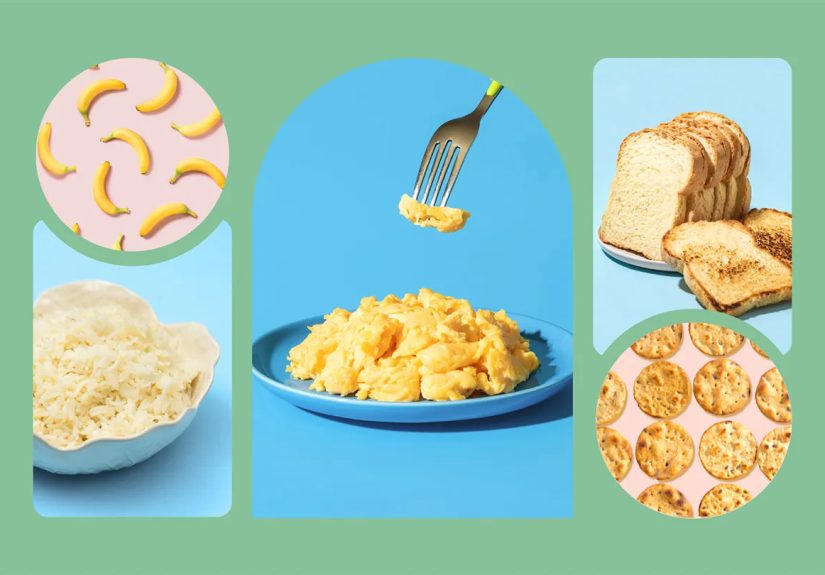
Start with foods that are easy to digest and low in fiberthink “comfort foods for your intestines.”
Great choices include:
- Applesauce
- Plain crackers
- Toast (white bread is often easier than whole grain at first)
- Gelatin (again: avoid red or purple)
- Banana
- Yogurt (plain or lightly sweetened, if dairy sits well for you)
2–12 hours after: Soft, bland, low-fiber foods
If your stomach is behaving, move up to a soft-food / low-residue style approach for the rest of the day:
- Scrambled eggs or an omelet with minimal add-ins
- White rice or plain pasta
- Mashed potatoes (go easy on butter/cream if you’re sensitive)
- Oatmeal or cream of wheat (some people do great; others prefer rice-based options)
- Soup (no spicy chili bombssave those for another day)
- Soft, well-cooked vegetables (carrots, green beans, peeled zucchini)
- Lean protein (baked fish, tender chicken, tofu)
Next day: Back to normalusually
Many people can return to their typical meals the next day. Still, it’s wise to keep listening to your gut (literally).
If you’re still bloated, crampy, or having loose stools, stick with gentler options for another 24 hours.
The Best Foods to Eat After a Colonoscopy (By Category)
1) Hydration helpers
You don’t need a science labjust consistent fluids. Add electrolytes if you had significant diarrhea from the prep or feel wiped out.
- Water
- Broth
- Electrolyte drinks
- Water-rich foods like soup, applesauce, and melon (seedless/soft)
2) Soft carbs that are easy on the gut
- White rice
- Pasta
- Toast
- Pancakes or waffles (plain, not the “everything” version)
- Mashed potatoes
3) Gentle protein for recovery
Protein can help you feel steady and satisfied without overloading your GI tractif you keep it simple.
- Eggs
- Fish
- Chicken or turkey
- Tofu
- Smooth nut butter in small amounts (if tolerated)
4) Gut-friendly, low-fiber fruits and veggies
Fiber is healthyjust not always right away. In the first day, choose soft options without skins and seeds.
- Bananas
- Applesauce (instead of raw apples)
- Avocado
- Well-cooked carrots
- Peeled potatoes (skin can be rough immediately after)
5) Comfort foods that often go down well
- Soup and crackers
- Yogurt
- Cottage cheese
- Simple smoothies (avoid seeds, heavy greens, and high-fiber add-ins at first)
Foods to Avoid After a Colonoscopy (At Least for the First 24 Hours)
This is the part where your brain says “pizza!” and your colon says “let’s not.”
In the first day, consider avoiding:
- Alcohol: It can worsen dehydration and interact with lingering sedation effects.
- Very spicy foods: Can irritate an already-sensitive GI tract.
- Greasy, heavy meals: Fried foods can trigger nausea, cramping, or urgent bathroom trips.
- High-fiber foods: Raw veggies, bran, popcorn, nuts, seeds, and many whole grains can be harder to tolerate right away.
- Gas-makers: Beans, cabbage, broccoli, cauliflower, and carbonated drinks if you’re already bloated.
- Large portions: Your best friend today is “small and steady.”
Special Situations: When Your Doctor’s Instructions Matter More Than Any List
If you had a polyp removed or a biopsy
Your clinician may recommend specific aftercaresometimes including diet guidance and activity limits. Follow your discharge instructions.
If you weren’t given specifics, stick to gentle foods for the first day and avoid alcohol.
If you have diabetes
After fasting and bowel prep, blood sugar can swing. Choose easy-to-digest carbs paired with protein (like toast + eggs or rice + fish),
and monitor as advised by your care team.
If you have IBS, IBD, or chronic GI issues
Your “safe foods” may be different. Use this as a framework, but prioritize what you know you tolerate wellespecially in the first 24 hours.
A Simple One-Day Post-Colonoscopy Meal Plan
When you get home
- Water + electrolyte drink (small sips at first)
- Crackers or toast
First meal
- Broth-based soup + white bread toast
- Applesauce or a banana
Later snack
- Yogurt (or dairy-free alternative) or a small smoothie without seeds
Dinner
- Baked fish or chicken
- White rice or mashed potatoes
- Well-cooked carrots or green beans
FAQ: What People Really Want to Know
Can I eat right after a colonoscopy?
Often, yesonce you’re awake and not nauseated. Start with fluids and gentle foods. If your clinician told you otherwise, follow that plan.
When can I eat normally again?
Many people return to normal meals the next day. If your stomach is unsettled, take another day with soft, bland foods.
Is it normal to have diarrhea or constipation after?
Mild changes can happen. Some people have loose stools from the prep; others feel constipated for a day or two. Hydration helps either way.
If you have severe pain, persistent vomiting, fever, or heavy bleeding, contact your healthcare provider promptly.
Why am I so gassy?
Air used during the procedure can cause bloating and gas afterward. Walking gently, sipping warm liquids, and avoiding gas-producing foods
(at least for the first day) can help.
Key Takeaways
- Hydrate first (water, broth, electrolyte drinks) to replace what prep drained.
- Eat lightly for the first day: soft, bland, low-fiber foods are usually easiest.
- Avoid alcohol for at least 24 hours, and skip greasy/spicy/high-fiber foods until you feel normal.
- Follow your discharge instructions, especially if you had polyp removal or special findings.
Real-World Experiences After a Colonoscopy (What Patients Commonly Report)
Let’s talk about the part no one puts on the invitation: the “after” feelings. Not medical advicejust a practical look at patterns many
people describe after a colonoscopy, plus what tends to make eating easier.
First, a lot of people report that their appetite comes back fast… but their confidence doesn’t. You might feel hungry enough to order a
three-course meal, yet also vaguely suspicious that your stomach is one wrong decision away from filing a formal complaint. That’s why the
“small and gentle” approach works so well: it lets you test the waters without turning your digestive tract into a live experiment.
A very common experience is bloating and gassometimes immediately, sometimes a few hours later. People often describe it as
a “balloon” feeling or mild cramping. The foods that seem to go down best in these moments are warm and simple: broth, toast, rice, eggs,
and soup. On the flip side, people frequently regret jumping straight to beans, soda, or a greasy burger. (Your colon has had a long day.
It doesn’t want fireworks.)
Another theme is thirst and dry-mouth tiredness. Between fasting, bowel prep, and the procedure itself, people often feel
more dehydrated than they expect. A lot of folks say that sipping electrolyte drinks (non-red, non-purple) helped them feel steadier,
especially if they had a headache or felt lightheaded when standing up. Others prefer plain water plus salty foods like crackers or broth.
The important part is consistency: small sips become normal drinking again surprisingly quickly.
Many people also notice their first bowel movement afterward is… unpredictable. Sometimes it’s delayed until the next day.
Sometimes it’s looser than usual. Sometimes it’s “normal,” but you feel like you should applaud because you earned it. In these cases,
people often do best when they keep meals modest and avoid high-fiber foods (raw salads, nuts, popcorn) for a bit longer. A common “safe”
pattern is a soft carb + gentle protein combo: rice with fish, eggs with toast, or noodles with chicken.
If nausea shows up (often related to sedation or just the body recalibrating), people commonly report that cold, bland foods are easier:
applesauce, yogurt, smoothies without seeds, plain toast, or crackers. The trick many use is spacing: eat a few bites, wait 10–15 minutes,
then decide if more sounds good. It’s the opposite of “clean your plate,” and it’s surprisingly effective.
Lastly, there’s a funny emotional experience people mention: post-prep pride. You did something preventative for your
health, and that’s a big deal. So the “after” meal can feel like a celebration. If you want that celebratory vibe without stomach drama,
pick a comfort meal that’s gentlelike chicken soup, a soft egg sandwich, or a simple pasta bowland save the extra-spicy, extra-greasy
victory lap for tomorrow.
Bottom line: most people feel best when they rehydrate, eat softly for a day, and then return to their normal routine as toleratedwhile
following any specific instructions from their healthcare team.