Table of Contents >> Show >> Hide
- Pinot Noir 101: The Grape and the Vibe
- Where Pinot Noir Comes From (and Why Everyone Mentions Burgundy)
- Why Pinot Noir Has a “Difficult” Reputation
- What Does Pinot Noir Taste Like?
- How Pinot Noir Is Made: Winemaking Choices That Shape the Style
- Pinot Noir Styles Around the U.S.: What to Expect by Region
- How to Choose a Pinot Noir Without Overthinking It
- Food Pairing: Why Pinot Noir Is Everyone’s Favorite Dinner Guest
- How to Serve Pinot Noir (For Legal-Age Adults)
- So… What Is Pinot Noir Wine, Really?
- Real-World Experiences People Have With Pinot Noir (About )
- Conclusion
Pinot Noir is the red wine that convinces people who “don’t like red wine” that maybejust maybethey do.
It’s typically lighter in color than many reds, famously aromatic, and usually built more on
bright acidity and silky texture than on heavy tannins. If Cabernet Sauvignon is a leather jacket,
Pinot Noir is a perfectly broken-in denim jacket: comfortable, versatile, and somehow appropriate for way more situations than you’d expect.
One quick note for readers: wine is an adult beverage. This article is written for educational purposes, and any serving or pairing
discussion is intended for legal-age adults.
Pinot Noir 101: The Grape and the Vibe
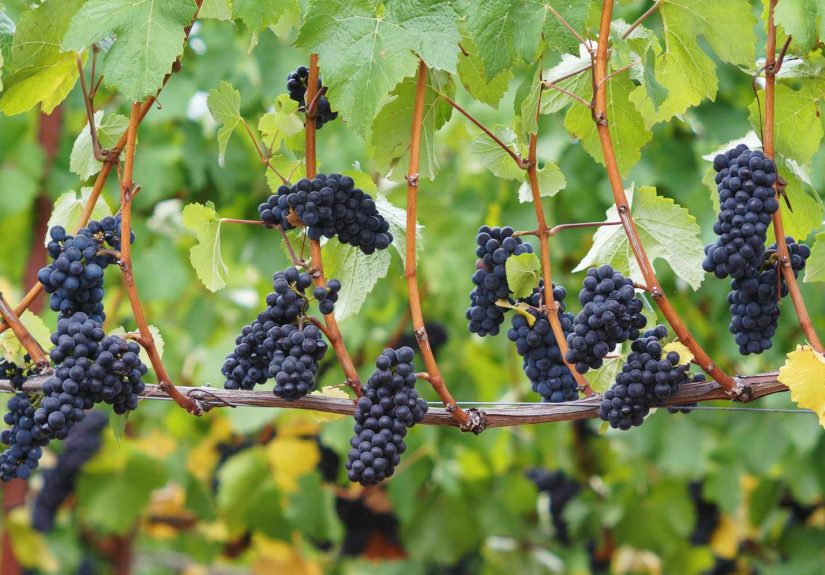
Pinot Noir (“PEE-noh NWAHR”) is a red grape variety that makes wines commonly described as
light- to medium-bodied, with low to moderate tannins and lively acidity.
The grape itself is thin-skinned, which helps explain two classic Pinot traits: it often pours a lighter ruby color,
and it can feel smoother and less grippy than many big reds.
The fun part: Pinot Noir is famously “transparent.” Not literally (please don’t try to read a book through it),
but in how clearly it can show where it’s grown. The same grape can taste noticeably different depending on climate,
soil, elevation, and winemaking choices. That’s why Pinot lovers can talk about “terroir” for an hour and still feel like
they’ve only warmed up.
Where Pinot Noir Comes From (and Why Everyone Mentions Burgundy)
Pinot Noir’s spiritual home is Burgundy, France, where it has a centuries-long reputation for producing some of the world’s
most nuanced (and sometimes eye-wateringly expensive) red wines. Burgundy made Pinot famous for its ability to combine
red-fruit elegance with earthy, savory complexitythink cherries and raspberries meeting mushrooms, forest floor, and subtle spice.
In the United States, Pinot Noir has become a major star in cooler regions, where the grape can ripen slowly and hold onto
the acidity that keeps it fresh. Two headline areas:
- Oregon (Willamette Valley): Often bright, lifted, and food-friendly, with red fruit and earthy/floral notes.
- California (Sonoma Coast, Russian River Valley, Santa Barbara County, Santa Cruz Mountains, and more): Styles range from crisp and coastal to riper, plusher, and more fruit-forward.
Cool Climate Matters
Pinot Noir tends to thrive in cooler climates because it ripens relatively early and can lose its charm if it gets too hot.
In very warm conditions, it can tip into jammy flavors and higher alcohol, sometimes trading delicacy for brawn.
Great Pinot can be made in a range of placesbut the grape is happiest when it doesn’t feel like it’s vacationing on the surface of the sun.
Why Pinot Noir Has a “Difficult” Reputation
Pinot Noir is often described as finicky. The grape’s thin skin and tight clusters can make it more vulnerable in the vineyard,
and it generally rewards careful farming and patience. Winemakers love it because it can be extraordinarily expressive; they also
occasionally fear it because it doesn’t forgive sloppy decisions.
Translation: Pinot Noir isn’t trying to be dramatic. It just has standards.
What Does Pinot Noir Taste Like?
Classic Pinot Noir often lives in a delicious intersection of fruit, earth, and perfume.
While every bottle is its own personality, common tasting notes include:
Typical Pinot Noir Aromas and Flavors
- Red fruit: cherry, raspberry, strawberry, cranberry
- Floral notes: rose petal, violet
- Earthy/savory notes: mushroom, forest floor, truffle, tea leaves
- Spice and oak accents (when used): clove, cinnamon, subtle smoke, vanilla
Texture: The “Silky” Thing People Talk About
Pinot Noir is famous for texture. Many well-made examples feel smooth, satin-like, and quietly luxurious.
Tannins are usually lower than in thicker-skinned grapes, while acidity tends to be noticeable and refreshing.
That combo is a big reason Pinot is so friendly with food.
How Aging Changes Pinot Noir
Young Pinot Noir often leans into bright red fruit and floral lift. With age (and with the right bottle),
it can pick up more savory, earthy, and complex notes. Not every Pinot is meant for long aging, though.
Many are crafted to be enjoyed within a few years while the fruit is still energetic.
How Pinot Noir Is Made: Winemaking Choices That Shape the Style
Pinot Noir is sensitive in the winery, too, which means winemaking choices can dramatically influence how it tastes.
Here are a few techniques and decisions that commonly come up:
Oak Aging (and Why Some Pinot Smells Like Vanilla)
Many Pinot Noirs are aged in oak barrels, which can add notes like vanilla and baking spice.
The key is balance: Pinot is delicate, so heavy new oak can overwhelm it. Some producers use older barrels to keep the oak influence subtle,
while others aim for a richer, more layered style with carefully managed new oak.
Whole-Cluster Fermentation
Some winemakers ferment Pinot Noir with some (or all) of the grape clusters intact, including stems.
This can add structure, savory spice, and aromatic complexity, and it sometimes contributes a fresh, lifted character.
It’s one reason two Pinot Noirs from the same region can taste wildly different.
Extraction: Color and Tannin Without Overdoing It
Pinot Noir doesn’t naturally produce the deep inky color of many reds, and that’s not a flaw.
Winemakers can extract more color and tannin through technique, but the goal in quality Pinot is usually elegance over aggression.
The best versions don’t shout; they reveal.
Pinot Noir Styles Around the U.S.: What to Expect by Region
If you’ve ever thought, “Why do I love this Pinot but not that one?” the answer is often a mix of
where it’s grown and how it’s made.
Willamette Valley, Oregon
Willamette Valley Pinot Noir is often described as bright, energetic, and especially food-friendly.
Expect red berries, gentle earthy notes, and a lively line of acidity that makes the wine feel nimble.
Many people love Oregon Pinot because it can feel “Burgundy-inspired” without requiring you to sell a kidney.
Sonoma Coast & Russian River Valley, California
Coastal influence can keep Pinot fresh even in California. Styles vary:
some are sleek and mineral, others are plusher with riper cherry and berry notes, and some bring noticeable spice from oak or whole-cluster use.
If you like a Pinot that’s a little more generous on the palate, California can be a happy hunting ground.
Santa Barbara County (and other cool pockets)
Cooler corridors and foggy influence can help Pinot retain freshness.
You’ll often find a mix of bright fruit, floral lift, and savory nuancesometimes with a sun-kissed edge that feels both vibrant and rich.
How to Choose a Pinot Noir Without Overthinking It
Pinot Noir has a reputation for being complicated, but buying it doesn’t have to feel like a final exam.
Use these practical tips:
1) Decide What Style You Want
- Bright, zippy, and earthy: Look toward cool-climate regions (often Oregon or coastal California).
- Riper and more fruit-forward: Many California Pinots will lean this way, depending on the sub-region and producer style.
- Subtle and nuanced: Look for producers known for restraint, or wines labeled from cooler sites and vineyards.
2) Use Labels Like Clues, Not Commandments
Words like “Willamette Valley” or “Sonoma Coast” can hint at style, but producer and vintage matter too.
A warmer year can make wines riper; a cooler year can make them more tart and earthy. If you find a bottle you love,
snap a photo of the label and remember the produceryour future self will thank you.
3) Price Isn’t Everything, But It’s Not Nothing
Pinot Noir can be pricier than some reds because it’s often lower-yielding and takes careful work.
That said, there are plenty of delicious mid-priced options. If a bottle is extremely cheap, it may be simpler and less nuanced,
but it can still be perfectly enjoyableespecially with pizza night.
Food Pairing: Why Pinot Noir Is Everyone’s Favorite Dinner Guest
Pinot Noir’s combination of high acidity, moderate alcohol, and gentle tannins makes it one of the most versatile
red wines at the table. It can handle a surprising range of flavors without bulldozing your meal.
Classic Pairings
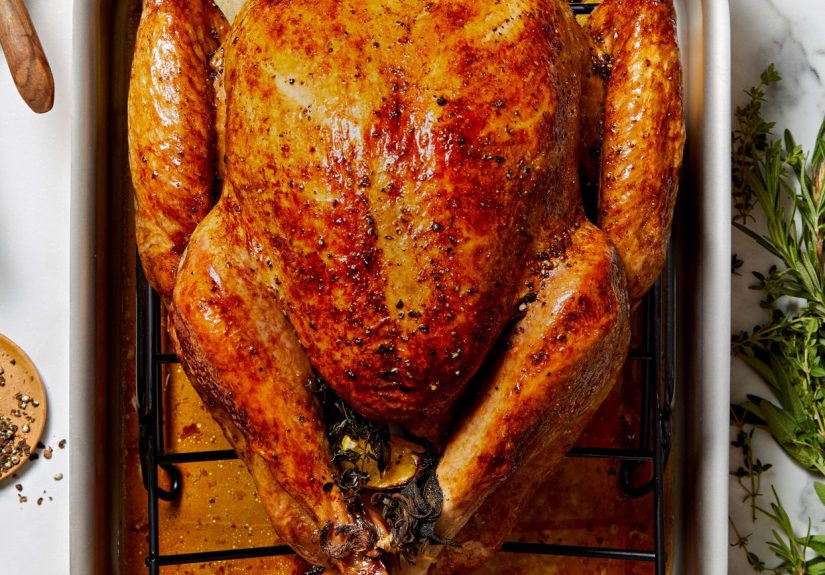
- Roast chicken or turkey: A near-perfect matchsavory, comforting, and Pinot-friendly.
- Salmon and other richer fish: Pinot is one of the few reds that can play nicely with fish, especially when the dish has herbs or mushrooms.
- Mushroom dishes: Earthy Pinot + earthy mushrooms = a handshake that turns into a hug.
- Duck or pork: Pinot’s acidity cuts richness without fighting the flavor.
Vegetarian-Friendly Matches
- Roasted vegetables: especially with thyme, sage, or balsamic notes
- Lentil or bean dishes: Pinot’s acidity keeps things lively
- Soft cheeses: brie-style cheeses or creamy, mild cheeses can be a great match
How to Serve Pinot Noir (For Legal-Age Adults)
Pinot Noir often shows best slightly cooler than “room temperature.” Many wine pros suggest serving it
around 55–60°F, which helps emphasize freshness and aroma.
Glassware that narrows slightly at the top can help concentrate those delicate aromas.
Some bottles benefit from a little air, but Pinot isn’t always a “big decant” wine. If it smells shy at first,
swirling in the glass and giving it a few minutes can help it open up.
So… What Is Pinot Noir Wine, Really?
Pinot Noir is a red wine defined by elegance, aroma, and place. It’s usually lighter-bodied, bright with acidity,
and capable of tasting both fruity and earthy at the same timelike a berry basket sitting in a forest after a soft rain.
It can be simple and charming, or layered and profound. And yes, it can be confusing.
But that’s also the fun: Pinot Noir is less about one “correct” flavor and more about discovering what you like.
Real-World Experiences People Have With Pinot Noir (About )
People often remember their first “aha” Pinot Noir moment because it doesn’t behave like the reds they expected.
A common experience is ordering Pinot at dinner thinking it will be as heavy as a steakhouse Cabernetthen being surprised by
how light on its feet it feels. The wine still reads as undeniably red, but it doesn’t coat your tongue like syrup.
Instead, it tends to glide, with acidity that makes your mouth water and aromas that keep changing as the glass warms.
Another classic Pinot experience happens during side-by-side tastings. Someone pours an Oregon Pinot Noir next to a coastal California Pinot,
and suddenly the room turns into a detective agency. “This one smells like cranberry and roses,” someone says. “This one is more cherry,
maybe a little vanilla,” says another. It’s not that one is “better”it’s that Pinot makes regional differences feel obvious.
Even beginners can notice how climate and winemaking show up in the glass, which is part of why Pinot Noir creates lifelong fans.
Food pairing is where Pinot Noir wins over a lot of people. You’ll hear stories of a simple roast chicken tasting oddly fancy
because Pinot’s acidity and gentle tannin make the flavors pop. Mushroom dishes are another frequent “wait… why is this so perfect?”
moment. Pinot often carries subtle earthy notes already, so when it meets mushroomsespecially roasted or sautéedthe pairing can feel
like two puzzle pieces clicking together. It’s the kind of match that makes people start using phrases like “harmonious” unironically,
which is how you know it’s serious.
There’s also the experience of Pinot Noir “opening up” over time. At first pour, a glass can seem quietjust a little red fruit,
maybe some faint spice. Ten minutes later, it’s suddenly more expressive: flowers show up, then something savory, then a darker cherry note.
For many drinkers, this is their first lesson that wine isn’t static. Pinot is one of the grapes that teaches patience in a friendly way,
because the payoff often arrives quickly and without drama.
Finally, Pinot Noir is famous for turning casual wine drinkers into label-readers. Once someone finds a Pinot they love,
they start remembering the region, the producer, even the vineyard name. They’ll compare vintages. They’ll ask what “whole cluster” means.
Not because they’re trying to be fancybecause Pinot makes curiosity feel rewarding. It’s a wine that invites you to notice details,
and then politely hands you another detail the next time you taste it.
Conclusion
If you want a red wine that’s aromatic, versatile with food, and endlessly interesting without needing to be loud,
Pinot Noir is a great place to start. It can be playful and fruity, earthy and complex, or somewhere in betweenand it’s one of the best
wines for learning how place and technique shape flavor. Find a style you like, try it with dinner, and let Pinot do what it does best:
quietly impress you.