Table of Contents >> Show >> Hide
- What Cassava Flour Is (and What It Isn’t)
- Nutrition Snapshot: What You’re Actually Eating
- Safety and Quality: Two Things You Should Know
- How Cassava Flour Behaves in the Kitchen
- How to Substitute Cassava Flour for All-Purpose Flour (Without Heartbreak)
- Best Ways to Use Cassava Flour (with Specific Examples)
- Shopping and Storage Tips
- Common Cassava Flour Problems (and How to Fix Them)
- Conclusion: Is Cassava Flour Worth It?
- Experiences: My Cassava Flour Field Notes (a Very Real Kitchen Adventure)
Cassava flour is one of those pantry ingredients that feels like it showed up overnight, got really popular on social media, and then quietly earned a permanent spot next to the cinnamon. It’s gluten-free, grain-free, and surprisingly useful for people who miss “normal” baking but don’t miss the aftermath.
If you’ve ever stared at a bag of cassava flour thinking, “Cool, but what do I actually do with you?”this guide is for you. We’ll break down what it is, how it behaves, what it’s best at, what it’s terrible at (yes, that matters), and how to use it without turning your kitchen into a science fair you didn’t sign up for.
What Cassava Flour Is (and What It Isn’t)
Cassava flour is made from the whole cassava root (also called yuca or manioc). The root is typically peeled, dried/dehydrated, and ground into a fine flour. Because it uses the whole root, cassava flour contains more of the root’s natural components than ultra-refined starches.
Cassava flour vs. tapioca flour (aka tapioca starch)
These two get mixed up constantly, but they’re not interchangeable in most recipes:
- Cassava flour = the whole root, dried and ground. More body, more “flour-like” performance, more structure.
- Tapioca flour/starch = mostly the extracted starch. Great for chew, stretch, gloss, and thickeningless for structure.
Think of cassava flour as “root flour,” and tapioca starch as “root cornstarch with a passport.”
Nutrition Snapshot: What You’re Actually Eating
Cassava flour is primarily a carbohydrate-based flour. It’s not a high-protein flour like chickpea flour, and it’s not a high-fat flour like almond flour. That’s part of why it can feel closer to all-purpose flour in baked goods: the flavor is mild and the texture can be pleasantly neutral.
Depending on the brand, you’ll usually see a serving land around “mostly carbs,” with small amounts of fiber and micronutrients. It’s often marketed as Paleo-friendly and allergen-friendly (gluten-free, grain-free, nut-free), which can be a big deal for households juggling multiple dietary needs.
Who tends to love cassava flour?
- Gluten-free bakers who want something less gritty than many rice-based blends.
- Paleo and grain-free eaters who still want tortillas, pancakes, and cookies that feel familiar.
- Allergy-aware kitchens that can’t rely on almond flour or oat flour.
Safety and Quality: Two Things You Should Know
1) Raw cassava is not your friend
Cassava root naturally contains compounds that can produce cyanide if eaten raw or improperly processed. That sounds terrifying (because it is), but here’s the practical takeaway: use commercially produced cassava flour from reputable brands, and don’t DIY cassava flour at home unless you truly know what you’re doing.
2) The “heavy metals” headlines
Cassava is a root crop, and like many plants grown in soil, it can absorb contaminants depending on where and how it’s grown. Recent consumer testing has raised concerns that some cassava-based products (including cassava flour) can contain elevated lead levels.
You don’t need to panic-buy a bunker full of alternative flours. But it’s smart to:
- Vary your flours instead of relying on one root-based flour daily.
- Choose reputable brands that publish testing or have strong quality controls.
- Be extra cautious for kids, because long-term lead exposure is a bigger concern for them.
How Cassava Flour Behaves in the Kitchen
Cassava flour has a few personality traits you’ll notice quickly:
- It absorbs a lot of liquid. Batters may thicken faster than you expect.
- It can bind well compared with many gluten-free flours, which helps with cookies, pancakes, tortillas, and quick breads.
- It can turn gummy if overmixed or under-hydrated (yes, both can happencooking is humbling).
- The flavor is mildusually neutral, sometimes faintly earthyso it plays nicely in sweet and savory recipes.
Translation: cassava flour can act “wheat-ish,” but it’s not wheat. Treat it like a talented exchange studentcapable, impressive, and occasionally confused by local customs.
How to Substitute Cassava Flour for All-Purpose Flour (Without Heartbreak)
The internet loves a dramatic “1:1 swap” promise. Cassava flour sometimes can be swapped 1:1 in specific recipesbut in real life, it’s safer to start with a flexible approach.
A practical starting method
- Start with 3/4 cup cassava flour for every 1 cup of all-purpose flour in cakes, muffins, pancakes, and quick breads. Then adjust based on batter thickness.
- Watch the batter, not the measuring cup. If it looks dry or stiff, add liquid 1 tablespoon at a time. If it looks loose, add cassava flour 1 tablespoon at a time.
- Mix gently. Overmixing can lead to gumminess because you’re developing starch structure, not gluten structure.
- Let the batter rest for 5–10 minutes when possible. Cassava flour continues absorbing liquid as it sits.
When a blend works better than 100% cassava
For certain texturesespecially chewy breads, pizza crust, or anything you want to stretchcassava flour often performs best when combined with other gluten-free ingredients. Common partners include tapioca starch (for elasticity), coconut flour (for thickening and structure), and almond flour (for tenderness).
If your recipe calls for binders like xanthan gum or psyllium, you may not need as much when using cassava flour because it already has decent binding power. But if you’re chasing a specific texture (like bendable tortillas or sliceable sandwich bread), a small amount of binder can be the difference between “wow” and “why is this crumbling like ancient parchment?”
Best Ways to Use Cassava Flour (with Specific Examples)
1) Tortillas and flatbreads
Cassava flour shines in soft, flexible flatbreadsespecially when you want something grain-free. A simple formula:
- 1 cup cassava flour
- 1/2 teaspoon salt
- 2 tablespoons oil (avocado or olive oil work well)
- About 3/4 cup warm water (add gradually)
Mix gently, rest 5 minutes, then press into tortillas and cook in a hot skillet. If the dough cracks, it’s thirstyadd a splash more water. If it’s sticky, dust lightly with cassava flour.
2) Pancakes and waffles
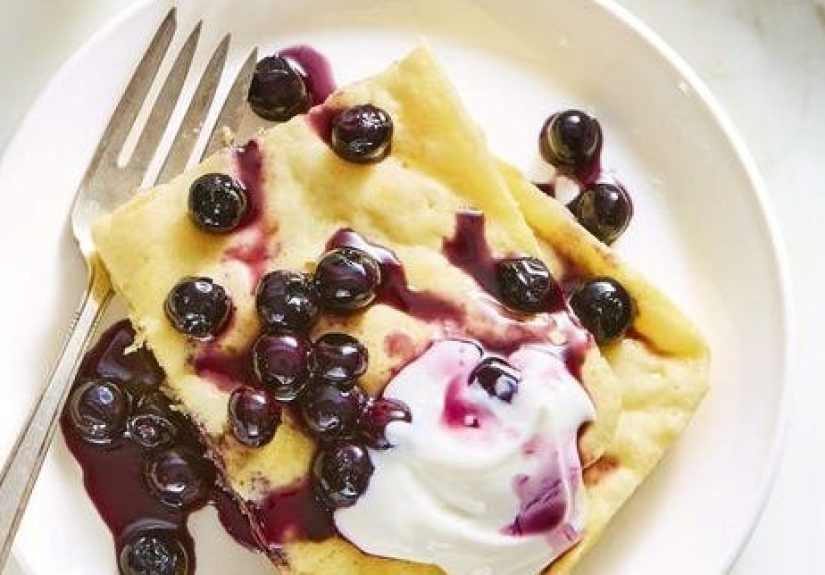
Cassava flour makes pancakes that feel “normal” (a major win if you’ve suffered through dense almond-flour hockey pucks). It pairs well with eggs and milk alternatives. Tip: let the batter rest before cooking so it thickens evenly.
3) Cookies and brownies
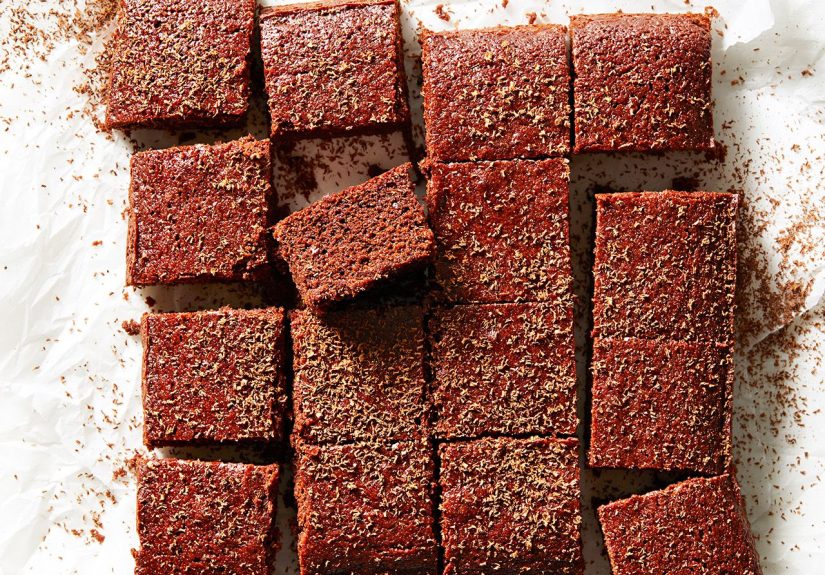
Cassava flour can create tender cookies and brownies with a pleasant chew. If your cookies spread too much, chill the dough. If they turn gummy, mix less and consider swapping a small portion (10–20%) of cassava flour for another flour or starch.
4) Quick breads and muffins
Banana bread, zucchini muffins, and snack cakes are sweet spots for cassava flour because moisture-rich batters play to its strengths. If your loaf seems underbaked in the middle, tent with foil and bake longercassava flour can brown differently than wheat flour.
5) Thickening sauces and soups
Cassava flour can thicken, but tapioca starch is usually smoother for glossy sauces. If you do use cassava flour as a thickener, whisk it into a little cold water first to prevent lumps, then add it to hot liquid and simmer gently.
6) Crispy coatings for frying or baking
Cassava flour works as a dredge for chicken, fish, tofu, or veggies. Season it like you mean it: salt + pepper + garlic powder + paprika is a simple starter pack.
7) “Hidden helper” in gluten-free doughs
Even if you don’t want to bake with 100% cassava flour, it can add body to gluten-free mixes that feel too sandy. Try replacing 1/4 of a gluten-free flour blend with cassava flour and see if your texture improves.
Shopping and Storage Tips
- Look for “100% cassava flour.” Some products are blends, which can be greatjust know what you’re buying.
- Check for gluten-free certification if cross-contamination matters in your household.
- Store airtight in a cool, dry place. If you live somewhere humid, consider the refrigerator or freezer to prevent clumping.
- Smell test: it should smell mild. If it smells “off,” stale, or aggressively musty, it’s time to part ways.
Common Cassava Flour Problems (and How to Fix Them)
Problem: “Why is this gummy?”
- Don’t overmix. Stir until combined, then stop.
- Make sure the batter/dough has enough liquid.
- Consider blending: replace 10–20% of cassava flour with another flour or starch.
Problem: “Why is this dry and crumbly?”
- Add more liquid, a tablespoon at a time.
- Let batter rest so cassava flour hydrates fully.
- Add a moisture helper: applesauce, yogurt, mashed banana, or an extra egg (depending on recipe).
Problem: “Why didn’t it rise?”
- Check leaveners (baking powder/soda expire faster than people think).
- Use recipes designed for gluten-free/grain-free baking when possible.
- For bread-like bakes, structure often needs eggs, psyllium, or a tested gluten-free blend.
Conclusion: Is Cassava Flour Worth It?
Cassava flour isn’t magicbut it is genuinely useful. If you want a gluten-free, grain-free flour that behaves more like all-purpose flour than most alternatives, cassava flour is a strong option. It’s especially good in tortillas, pancakes, cookies, and moist quick breads, and it can make gluten-free baking feel less like a compromise.
Use it with respect: hydrate it well, mix it gently, and don’t assume every wheat recipe will convert perfectly on the first try. Once you learn its quirks, cassava flour stops being “that expensive bag in the pantry” and becomes “the reason your pancakes are actually enjoyable again.”
Experiences: My Cassava Flour Field Notes (a Very Real Kitchen Adventure)
The first time I baked with cassava flour, I did what any confident human with internet access would do: I tried to swap it straight into a recipe I knew by heart. The recipe was a classic chocolate chip cookienothing fancy, nothing fragile, just butter, sugar, flour, the usual. I measured cassava flour like it was all-purpose flour, mixed like I always mix (which is to say, enthusiastically), and then wondered why the dough went from “soft” to “sticky paste that could probably patch drywall.”
That was my first lesson: cassava flour doesn’t care about your muscle memory. It drinks liquid like it’s training for a marathon, and it keeps absorbing even after you think you’re done. I baked those cookies anyway (because quitting is expensive), and they came out… not terrible, but slightly chewy in a way that felt like the cookie was trying to become mochi. The flavor was great, thoughno weird aftertaste, no “health food” vibe. So I tried again.
Round two, I changed only three things: I used a little less cassava flour (about 3/4 of what I would normally use), I mixed more gently, and I let the dough sit for ten minutes before scooping. That rest time was the difference between chaos and competence. The dough thickened into something scoopable, and the cookies baked up with crisp edges and a soft centerhonestly, close enough to traditional cookies that nobody in my house felt the need to announce, “This is gluten-free!” (which is the highest compliment).
Then came pancakesbecause pancakes are the quickest way to test a flour without committing to an hour of oven therapy. Cassava pancakes were a surprise hit. The batter looked slightly thicker than my usual, but after a short rest it smoothed out. The pancakes cooked evenly, browned nicely, and had that tender, fluffy bite I usually associate with wheat flour. I served them with berries and maple syrup, and nobody accused me of trying to sneak in “alternative ingredients.” Another win.
Of course, cassava flour still had opinions. When I tried to make a simple sandwich bread with mostly cassava flour and no special binders, the loaf rose… sort of. It looked promising in the oven, but once it cooled, slicing it felt like negotiating with a delicate sandcastle. The taste was fine, but the crumb was fragile. That’s when I accepted the truth: some bakes want a blend, and that’s okay. Cassava flour can be the star, but it doesn’t always want to be the entire cast.
My favorite “real life” use ended up being tortillas and quick flatbreads. Cassava flour tortillas are forgiving if you listen to the dough. Too dry? Add water. Too sticky? Dust lightly. Rest it a few minutes, press it out, and cook it hot and fast. When it works, it’s genuinely satisfying: soft, flexible, and perfect for tacos, wraps, or the classic “I’m too hungry to cook” quesadilla.
The big takeaway from my cassava era: treat it like a flour with its own rules, not a copy of wheat. Once I stopped forcing it to behave like all-purpose flour in every scenario, cassava flour became easy to love. It’s not the answer to every baking problem, but it’s a reliable, versatile toolespecially if gluten-free or grain-free baking is part of your normal life.