Table of Contents >> Show >> Hide
- Arugula, Rocket, Roquette: Are We Talking About the Same Thing?
- What Does Arugula Taste Like?
- Arugula Nutrition: What’s In It (Besides Sass)?
- Arugula Benefits: What the Buzz Is About
- How to Use Arugula (Without Turning Dinner Into a Lawn)
- How to Pick the Best Arugula at the Store
- How to Store Arugula So It Doesn’t Turn Into Green Slime
- Do You Need to Wash Arugula?
- Can You Cook Arugula?
- Growing Arugula at Home (Even If You’re “Not a Plant Person”)
- Arugula FAQs
- Conclusion: The Best Way to Think About Arugula
- Real-World Arugula Moments (500-ish Words of Experience-Based Tips)
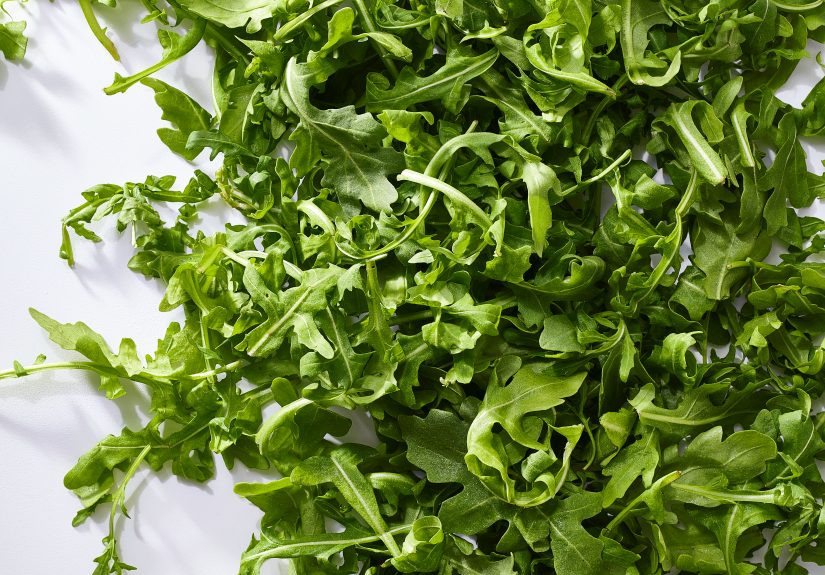
Arugula is the leafy green that shows up in your salad like it owns the placepeppery, a little nutty,
sometimes pleasantly bitter, and never shy about announcing itself. If spinach is the soft-spoken friend who
“is fine with whatever,” arugula is the one who orders the spiciest thing on the menu and dares you to keep up.
You’ll see it sold as arugula in the U.S., but it also goes by rocket or
roquette (and occasionally “why is my salad spicy?”). It’s a member of the mustard family,
which explains the bite: arugula is related to other cruciferous vegetables like broccoli, cabbage,
kale, and mustard greens.
Arugula, Rocket, Roquette: Are We Talking About the Same Thing?
Most of the time, yes. In the U.S., “arugula” commonly refers to a type of rocket with tender leaves and a
distinct peppery flavor. In many other places, “rocket” is the everyday name. You may also hear
“salad rocket” or “garden rocket,” which are common culinary names in English-language cooking.
One quick note: grocery stores and seed catalogs may use “rocket” to describe more than one similar plant.
The practical takeaway for eaters is simpleif it tastes peppery, looks like a leafy green with a little attitude,
and makes your sandwich feel fancier, you’re in the arugula neighborhood.
What Does Arugula Taste Like?
Arugula’s signature flavor is pepperythink radish-meets-mustard with a faint nuttiness.
Some people describe it as “spicy,” though it’s not hot like a chili pepper. It’s more of a sharp, zippy bite
that wakes up richer foods (cheese, steak, eggs) and keeps simple foods (tomatoes, bread, pasta) from feeling boring.
Why can arugula taste bitter?
Bitterness often increases when the leaves are older, when the plant grows in heat, or when it bolts (starts flowering).
That’s why baby arugula tends to be milder and more “salad-friendly,” while mature bunches can bring a stronger,
mustardy punch.
Arugula Nutrition: What’s In It (Besides Sass)?
Arugula is a classic “big nutrition, tiny calorie” food. A handful adds volume and flavor without weighing you down,
which is one reason it’s a go-to green for salads and bowls.
- Very low in calories (it’s mostly water and fiber)
- Vitamin K (notably high compared with many other salad greens)
- Vitamins A and C (varies by serving size and freshness)
- Minerals like calcium and potassium in smaller amounts
- Plant compounds common in cruciferous vegetables (often discussed for antioxidant activity)
If you’re on a medication that interacts with vitamin K (for example, certain blood thinners),
it’s smart to keep your intake consistent and follow your clinician’s guidance. Arugula isn’t “bad” in that scenario
it’s just powerful enough nutritionally to be worth paying attention to.
Arugula Benefits: What the Buzz Is About
Arugula shows up in wellness headlines a lot, partly because it sits at the intersection of three popular topics:
leafy greens, cruciferous vegetables, and “foods that taste like they’re doing something.”
Here’s the grounded version of what people typically mean when they talk about arugula’s health perks.
1) Bone support (hello, vitamin K)
Vitamin K plays a role in bone health, and arugula is one of the leafy greens known for contributing meaningful
amounts when eaten regularly. Pair it with calcium-rich foods (like Parmesan, yogurt-based dressings, or tofu)
and you’ve got a salad that’s pulling its weight.
2) Heart-friendly eating patterns
No single leaf is a superhero, but eating more vegetablesespecially leafy greenstends to correlate with better
cardiovascular health outcomes in overall dietary patterns. Arugula is an easy add because it’s flavorful:
you can use less salt or heavy dressing when the greens already bring a punch.
3) Cruciferous compounds (the science-y part)
Cruciferous vegetables contain compounds often discussed for antioxidant and anti-inflammatory activity.
Translating that into real life: arugula is part of a vegetable family that’s consistently recommended in
plant-forward diets. Variety matters more than obsessing over one “best” vegetable.
How to Use Arugula (Without Turning Dinner Into a Lawn)
Arugula shines when you treat it like an herb-leaning green: it’s not just “salad base,” it’s a flavor ingredient.
Here are high-payoff ways to use it, with minimal effort and maximum “I definitely planned this” energy.
Use #1: The simplest arugula salad
The classic move is arugula + olive oil + lemon + salt + shaved Parmesan. That’s it. No complicated dressing required.
The fat softens the bite, the acid brightens it, and the cheese makes everything feel restaurant-adjacent.
Use #2: Put it on pizza (yes, really)
A handful of arugula tossed with a little olive oil and lemon, piled onto a hot slice of pizza, is a weirdly perfect
combo: rich + crisp, salty + peppery. It’s also a great way to make “I ate pizza” sound like “I had a balanced meal.”
Use #3: Arugula pesto
Basil pesto is delicious. Arugula pesto is basil pesto’s bold cousin who rides a motorcycle.
Blend arugula with olive oil, Parmesan, nuts (pine nuts, walnuts, almonds), and garlic. If it’s too intense,
mix in basil or spinach to mellow it out.
Use #4: Toss into warm dishes at the last second
Arugula wilts quickly. Add it to hot pasta, soup, roasted vegetables, or eggs right at the end for a fresh,
peppery finish. Think of it as a “green garnish you can actually eat.”
Use #5: Upgrade sandwiches and wraps
Arugula brings crunch and flavor to sandwichesespecially with turkey, roast chicken, steak, smoked salmon,
or anything creamy (goat cheese, mozzarella, hummus). It’s the easiest way to make lunch feel less like a desk situation.
How to Pick the Best Arugula at the Store
- Look for: crisp, dry leaves with a vibrant green color
- Avoid: slimy patches, excessive moisture in the container, or lots of yellowing leaves
- Baby vs. mature: baby arugula is milder; mature bunches are stronger and often better cooked
If your arugula already smells “funky” in the package, believe it. Arugula is delicate, and once it starts breaking
down, it does not quietly fade into the nightit goes dramatic.
How to Store Arugula So It Doesn’t Turn Into Green Slime
Arugula’s biggest weakness is moisture. Too wet and it gets slimy; too dry and it wilts. Your goal is “slightly humid,
not swampy.”
Storage tips that actually work
- Keep it cold in the crisper drawer if possible.
- Store it unwashed until you’re ready to use it (unless it’s garden-harvested and gritty).
- Add a paper towel to the container or bag to absorb excess moisture.
- If it’s in a clamshell, don’t seal in condensationswap the towel if it gets damp.
How long does arugula last? It depends on freshness, packaging, and how well you manage moisture. Some guidance says
a few days; some says closer to a week when stored well. Practically, plan to use it within
3–7 days for best quality, and sooner if it looks wet or bruised.
Do You Need to Wash Arugula?
If you bought loose/bunched arugula or anything not labeled ready-to-eat, washing is a good idea.
Rinse under cool running water, spin or pat dry, and keep it away from raw meat juices like it’s allergic (because it is).
For boxed greens labeled “triple-washed” or “ready-to-eat”, some food safety guidance notes
you generally don’t need to rewashand rewashing can increase cross-contamination risk if your sink or counter isn’t spotless.
Use your judgment, especially for higher-risk households (pregnant people, older adults, immunocompromised).
Can You Cook Arugula?
Absolutely. Cooking softens the peppery bite and turns arugula into a fast, flavorful green.
Quick ways to cook it:
- Wilt: toss into hot pasta or soup right before serving
- Sauté: a minute or two with olive oil and garlic
- Fold into: scrambled eggs, omelets, frittatas
- Top: roasted vegetables or grilled proteins
Pro tip: if you cook arugula too long, it can go from “pleasantly peppery” to “why does my kitchen smell like mustard?”
Quick and gentle is the move.
Growing Arugula at Home (Even If You’re “Not a Plant Person”)
Arugula is one of the most beginner-friendly greens because it grows fast and doesn’t demand much.
It’s generally a cool-season crophappy in spring and falland it can handle light frosts.
In hot weather, it tends to bolt (flower), and the leaves can get more bitter.
Basic growing notes
- Plant from seed; it germinates quickly in cool soil.
- Harvest young leaves for milder flavor; keep harvesting to encourage new growth.
- Give it partial shade in warmer climates to slow bolting.
If you’ve ever wanted the smug satisfaction of saying “This salad is from my balcony,” arugula is an excellent gateway plant.
(You can move on to tomatoes later, once you’re emotionally ready.)
Arugula FAQs
Is arugula a lettuce?
Noarugula is a leafy green, but it’s not a true lettuce. It’s in the mustard family, which is why its flavor is sharper.
Is arugula spicy?
It’s peppery rather than “hot.” The sensation is closer to radish or mustard than chili heat.
How do I make arugula less bitter?
Use baby arugula, mix it with milder greens, and dress it with a little fat (olive oil, cheese) and acid (lemon, vinegar).
For very strong arugula, quick-wilt it in a warm dish instead of serving it raw.
Conclusion: The Best Way to Think About Arugula
Arugula is a peppery, mustard-family green that can be eaten raw or cooked, brings serious flavor for minimal calories,
and instantly upgrades everything from salads to pizza. If you want a single ingredient that makes food taste
more “chef-y” without requiring chef skills, arugula is your new best friend. A slightly dramatic best friend.
But still a best friend.
Research note (no links, just transparency)
This article synthesizes commonly cited information from reputable U.S.-based sources including USDA nutrition databases and storage guidance,
major culinary publications, medical/health organizations, and university extension programs (e.g., USDA FoodData Central/FoodKeeper,
Cleveland Clinic, Encyclopaedia Britannica, Serious Eats, Bon Appétit, Food Network, EatingWell, Cornell, Wisconsin Extension, and NC State Extension),
plus food safety explainers from large U.S. recipe and health outlets.
Real-World Arugula Moments (500-ish Words of Experience-Based Tips)
Let’s talk about the most universal arugula experience: you buy a pristine box of baby arugula with big intentions
salads! grain bowls! your “new era”!and then three days later, you open the container and it looks like the arugula
held a tiny pool party and nobody told you. If you’ve been there, welcome. You’re among friends.
The “aha” moment most people have is realizing arugula isn’t hard to storeit’s just extremely picky about moisture.
Too much humidity and it gets slimy. Too little and it wilts into sad confetti. The trick that makes you feel like
a produce wizard is adding a paper towel to the container the day you bring it home. Not because paper towels are magical,
but because condensation is arugula’s arch-nemesis. Swap the towel if it gets damp, and suddenly your greens stop
speed-running decomposition.
Another common arugula moment is the “first bite surprise.” Someone orders a salad. It’s beautiful. The menu said “mixed greens.”
Thenbampeppery bite. Arugula has a way of announcing itself even when it’s not invited. The good news is the fix is delicious:
arugula loves fat and acid. That’s why the simplest arugula salads are basically a relationship between olive oil, lemon,
salt, and shaved Parmesan. The dressing doesn’t cover up arugula; it rounds it out.
Then there’s the iconic “arugula on pizza” experience, which sounds like a prank until you try it. The pizza is hot,
the arugula is cool, and the contrast is weirdly perfect. It’s also the easiest way to turn “I ate two slices of pizza”
into “I had pizza with a fresh, peppery salad topping,” which is the kind of phrasing that makes your week feel more organized
than it actually is.
If you ever make arugula pesto, you may discover the next classic moment: “Wow, this is… intense.” Arugula pesto can be
bold in a way basil pesto isn’t. People often learn (through delicious trial and error) that blending arugula with a milder
green like spinach, or adding extra cheese and oil, calms the pepperiness. It’s not cheatingit’s balance. And once you
find your ratio, you’ll start putting that pesto on everything: pasta, eggs, roasted veggies, even sandwiches.
Finally, there’s the home-growing moment: you plant arugula because it’s fast and forgiving, and suddenly you have a tiny
jungle of peppery leaves. You harvest a handful, feel extremely accomplished, and then learn that arugula gets spicier when
it’s hot outside. That’s not failurethat’s arugula being arugula. Harvest younger leaves for salads, use mature leaves
for cooking, and you’ll feel like you unlocked the “two greens for the price of one” cheat code.
In other words: arugula is easy, flavorful, and slightly dramatic. Treat it like a flavor ingredient, store it like it’s
allergic to condensation, and it’ll reliably make your meals taste brighter, fresher, and a little more grown-up
even if you’re eating it while standing in front of the fridge.