Table of Contents >> Show >> Hide
- Why Smell Matters So Much With Chicken
- What Fresh Chicken Should (and Shouldn’t) Smell Like
- So… What Does Bad Chicken Actually Smell Like?
- Important: Smell Isn’t the Only Sign of Spoilage
- Does Bad Cooked Chicken Smell Different From Bad Raw Chicken?
- Common Situations: Is This Chicken Bad or Just Smelly?
- How to Avoid Getting to the “Bad Smell” Stage in the First Place
- Frequently Asked Questions About Bad Chicken Smells
- Real-Life Experiences: Learning the Hard Way So You Don’t Have To
If you’ve ever opened a package of chicken and thought, “Hmm… is that normal?” you’re not alone. Figuring out what bad chicken smells like can feel weirdly high stakes. On one hand, you don’t want to waste food. On the other, you really don’t want to spend the night bonding with your bathroom because you underestimated that funky whiff.
The good news: once you know what to sniff for, spoiled chicken is usually pretty obvious. The bad news: you’ll never forget that smell again. Let’s walk through exactly how bad chicken smells, what fresh chicken should smell like, and how to stay safely on the right side of the “toss or cook” decision.
Why Smell Matters So Much With Chicken
Chicken is one of the most popular proteins in American kitchens, but it also has a reputation for being a top culprit in foodborne illness. Harmful bacteria like Salmonella, Campylobacter, and Clostridium perfringens are commonly associated with raw poultry. While cooking properly kills these germs, spoiled chicken can still be risky and smell is one of the earliest signs that something’s gone wrong.
As bacteria grow on chicken, they break down proteins and fats and release volatile compounds. Those compounds are what your nose picks up as “off” odors sour, sulfur-like, or just aggressively unpleasant. Your sense of smell is basically your built-in safety alarm. If it’s screaming “nope,” it’s time to listen.
What Fresh Chicken Should (and Shouldn’t) Smell Like
Before we describe bad chicken, it helps to know what perfectly good chicken smells like. Spoiler: not much.
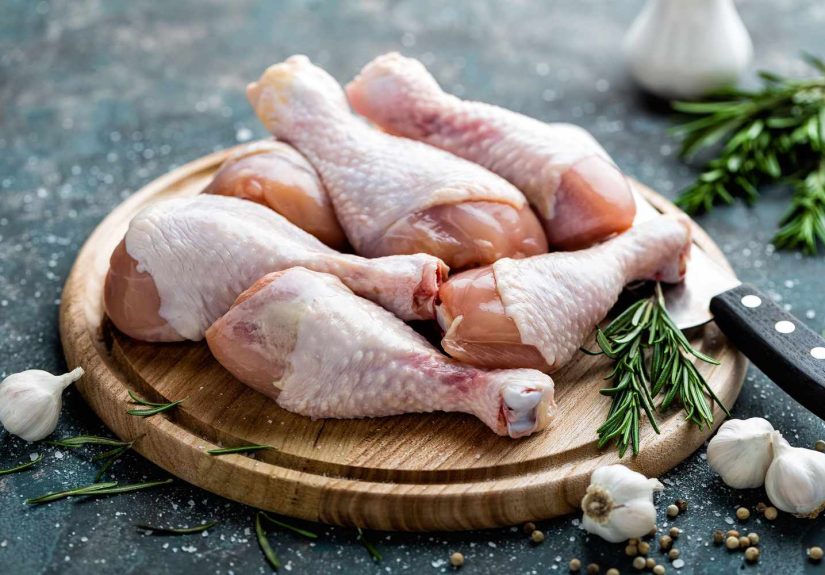
- Fresh raw chicken: Very mild or almost odorless. Some people describe a faint “meaty” or slightly metallic scent, but it should never make you recoil.
- Fresh cooked chicken: Savory, pleasant, and a bit neutral. Depending on the seasoning, you might smell herbs, garlic, or smoke but not anything sour, eggy, or chemical.
If you crack open a package and you’re hit with a noticeable, strong, or weird odor, that’s your first red flag. Fresh chicken should never smell like it’s trying to have a personality.
So… What Does Bad Chicken Actually Smell Like?
Here’s what people most commonly report when chicken has gone bad. You might notice one, some, or all of these:
1. Sour, “Off” Smell
One of the most classic signs is a sour odor think spoiled milk, vinegar gone wrong, or a general “this is not right” smell. It may remind you of slightly fermented leftovers or that mystery container in the back of the fridge you were afraid to open.
2. Rotten Egg or Sulfur Odor
Many food safety sources describe bad chicken as smelling like rotten eggs. That sulfur-like scent comes from sulfur-containing compounds produced as bacteria break down proteins. If you get a whiff that reminds you of a hard-boiled egg that sat out too long, that meat is done and not in the good, fully cooked way.
3. Ammonia or “Chemical” Smell
Some spoiled chicken gives off an ammonia-like smell, similar to a harsh cleaning product or a strong, sharp, almost nose-stinging odor. If your chicken makes you think of a cleaning aisle instead of dinner, do not try to rescue it with marinades or spices. Toss it.
4. Intensely Pungent, Putrid Odor
In advanced spoilage, the smell is unmistakably foul thick, rotten, and capable of clearing the room. If simply opening the package triggers an immediate “absolutely not” reaction, trust that instinct.
Bottom line: if your chicken smells distinctly sour, sulfuric (rotten egg-like), ammonia-like, or just makes you want to close the fridge and walk away, it’s not safe to eat.
Important: Smell Isn’t the Only Sign of Spoilage
Smell is a powerful clue, but it’s not the only one you should rely on. Some bacteria don’t cause obvious odors, and sometimes strong seasonings or marinades can make it harder to detect subtle off-notes. Always check these other signs:
1. Texture: Slimy, Sticky, or Tacky
Fresh raw chicken feels moist but not slippery. If the surface feels slimy, sticky, or you notice a filmy coating that doesn’t rinse off easily, that’s a common sign of spoilage. With cooked chicken, a greasy or slimy film that wasn’t there before is also a red flag.
2. Color Changes
Fresh raw chicken is usually pink, sometimes with a slight translucent sheen. Slight darkening at the edges can happen with exposure to air, but dramatic changes like:
- Gray, dull, or greenish tones
- Dark, uneven patches
- Any visible mold
…are all signs that the chicken is past its prime and should be discarded.
3. Excessive Liquid or Strange Residue
Some liquid in the package is normal. However, if you see cloudy, milky, or thick fluid with a strong odor, that’s another indicator that bacteria have been busy.
4. Time and Temperature History
Even if your senses aren’t screaming, you should always consider how long the chicken has been stored and at what temperature. Raw chicken generally keeps in the fridge for about 1–2 days, and cooked chicken about 3–4 days, when kept at or below 40°F (4°C). If it’s been longer than that, or if the chicken sat out at room temperature for more than 2 hours (or 1 hour above 90°F), it’s time to say goodbye even if it seems “okay.”
Does Bad Cooked Chicken Smell Different From Bad Raw Chicken?
Yes, and that’s part of what makes this tricky. Spoiled cooked chicken can still smell “off” even if it’s been seasoned or sauced. Here’s how to tell:
- Bad cooked chicken: A sour or sulfur-like smell that cuts through seasonings, or a bitter, rancid odor from spoiled fats. If it smells tangy in a way you didn’t plan for, that’s a bad sign.
- Leftovers in sauce: Don’t rely on the aroma of garlic, BBQ, or cream sauce. Take a piece out, let it cool slightly, and sniff it directly. If something smells weird, do not taste it to “make sure.”
Remember: heating or reheating spoiled chicken won’t make it safe. Some types of bacterial toxins remain even after cooking. When in doubt, throw it out.
Common Situations: Is This Chicken Bad or Just Smelly?
“It Smelled Strong When I Opened It, but Then the Smell Faded”
Some vacuum-sealed or factory-packaged chicken can have a brief, slightly funky “packaging” smell when first opened. If:
- the odor is mild,
- goes away quickly once the chicken is exposed to air, and
- the meat looks and feels normal (no slime, no discoloration),
it may still be safe. However, if the smell remains strong, sour, or eggy after a few minutes, do not risk it.
“It’s a Little Slimy but Doesn’t Smell Too Bad”
Slime alone is a major warning sign. If the chicken feels slick, sticky, or you can see a film on top, trust the texture. Spoilage isn’t always accompanied by a dramatic odor, especially in the early stages. When slime shows up, the chicken goes out.
“The Date Says It’s Fine, but the Smell Is Weird”
Date labels (like “sell by” and “use by”) are helpful guidelines, but they’re not absolute guarantees. Poor storage, temperature abuse, or packaging issues can make chicken spoil faster. If the date looks okay but your nose is suspicious, the nose wins.
How to Avoid Getting to the “Bad Smell” Stage in the First Place
If you’d prefer not to play “Is This Chicken Still Good?” roulette, good food safety habits help a lot:
- Buy last, store quickly: Pick up chicken near the end of your grocery trip and get it into the fridge or freezer as soon as you’re home.
- Refrigerate properly: Store raw chicken in the coldest part of your fridge, ideally on the bottom shelf in a leak-proof container so juices can’t drip on other foods.
- Follow time guidelines: Use raw chicken within 1–2 days, cooked within 3–4 days, or freeze it if you need to keep it longer.
- Cook to a safe internal temperature: Chicken should reach 165°F (74°C) in the thickest part. Use a food thermometer rather than guessing.
- Avoid washing raw chicken: Rinsing it just splashes bacteria around your sink and counters. Pat it dry with paper towels if needed and wash your hands and surfaces thoroughly afterward.
Frequently Asked Questions About Bad Chicken Smells
Can I cook chicken that smells slightly off to “kill the bacteria”?
No. Cooking might kill live bacteria, but it won’t remove all toxins that some bacteria produce as they grow. If the chicken smells bad before cooking, it’s not worth the risk afterward.
What if only part of the chicken smells weird?
Don’t try to “trim off” the suspicious pieces. Spoilage and bacterial growth are not always visible or confined to one spot. If any portion smells bad, treat the entire batch as unsafe.
Can marinades or seasoning hide the smell of bad chicken?
They can mask it a little, which is exactly why you should always sniff chicken before marinating. Once it’s covered in garlic, citrus, or yogurt, subtle warning smells are harder to detect. If you catch a bad smell at any point, even after seasoning, throw it away.
What does freezer-burned chicken smell like?
Freezer burn usually affects texture and flavor more than smell. The chicken may smell slightly stale or “freezer-ish,” but not sour, rotten, or sulfurous. Freezer-burned chicken isn’t unsafe just less tasty. Properly spoiled chicken, on the other hand, announces itself loud and clear.
Real-Life Experiences: Learning the Hard Way So You Don’t Have To
Food safety advice can sound abstract until you’ve had your own “uh-oh” moment with a questionable chicken breast. While everyone’s nose and tolerance for smells are a little different, there are patterns in the way people describe their first encounters with truly bad chicken and those stories can help you build your own internal “danger radar.”
Imagine this: you come home after a long day, dreaming of roasted chicken and veggies. You open the fridge, grab the package you bought two days ago, and snip it open. A puff of air hits your face and immediately your brain goes, something is wrong. It might not smell like a full-on garbage can, but it’s sour enough that you hesitate. You double-check the date still good. You check the color mostly okay, maybe a little dull. Now you’re arguing with yourself: “I paid good money for this” versus “I really don’t want food poisoning.”
This is where experience kicks in. People who cook chicken often eventually learn that anytime you’re in that internal argument, the safest choice is to toss it. Plenty of home cooks will tell you that the one or two times they talked themselves into keeping “maybe okay” chicken were the same nights they regretted it a few hours later.
Another common scenario: someone doesn’t realize how bad spoiled chicken smells until they encounter a truly advanced case. Maybe they forgot a package tucked behind leftovers, or a takeout container slid to the back of the fridge. A week or two later, they open it and are instantly greeted with an overpowering, rotten, almost eye-watering odor. That’s when most people say, “Ohhhh… that is what bad chicken smells like.” After that, even a hint of that same scent in fresher meat is enough to trigger their built-in warning system.
If you’re not confident in your nose, you can “train” it a bit by comparing fresh and clearly spoiled foods carefully, and without eating anything questionable. For example, some cooks deliberately save a piece of chicken they know has gone bad (wrapped and isolated) just long enough to compare it to a brand-new package, so the difference in smell is unmistakable. Once you’ve experienced that side-by-side, it becomes much easier to recognize the early warning signs the next time your fridge contents are suspicious.
It’s also worth noting that some people have a reduced sense of smell due to allergies, sinus issues, or past illnesses. If you’re one of those people, don’t rely solely on odor to judge chicken. Lean more heavily on visual cues (color and texture), storage time, and proper temperature control. If you can’t tell whether meat is good or bad by smell, err especially on the side of caution or ask someone else in your household to be the designated “sniffer.”
Over time, you’ll also learn that “saving” a few dollars by gambling on borderline chicken is never worth the stress. It’s hard to enjoy a meal when you’re mentally tracking every rumble in your stomach and wondering if that last bite was a mistake. Part of becoming confident in the kitchen is trusting both science and your senses. When they say, “This smells wrong,” you listen then you pat yourself on the back for choosing your health over a questionable package of protein.
In short, the more you cook, the more you’ll build an instinctive sense of what fresh chicken should look, feel, and smell like. And the first time you catch that unmistakable sour, sulfur, or ammonia-like odor, you’ll understand why food safety experts are so blunt about one rule: if it smells bad, don’t eat it.
SEO JSON