Table of Contents >> Show >> Hide
- What is Vivitrol?
- How Vivitrol works (in plain English)
- Who Vivitrol may be a good fit for
- Dosage and administration
- Side effects of Vivitrol
- Serious warnings: what to watch for
- 1) Risk of opioid overdose (especially after stopping or near the end of the month)
- 2) Precipitated opioid withdrawal
- 3) Severe injection site reactions (rare, but real)
- 4) Liver-related concerns
- 5) Mood changes, depression, and suicidality
- 6) Allergic reactions, including anaphylaxis
- 7) Rare lung inflammation (eosinophilic pneumonia)
- Drug interactions and “things to avoid”
- What to do before your first injection
- What Vivitrol feels like in the real world (the practical stuff nobody puts on the billboard)
- Bottom line
- SEO Tags
Heads up: This article is for general education, not personal medical advice. Because Vivitrol can interact with opioids and can trigger withdrawal if you still have opioids in your system, decisions about starting it should be made with a licensed clinician who knows your history.
What is Vivitrol?
Vivitrol is the brand-name, extended-release (long-acting) naltrexone injection. It’s given as a once-monthly shot into a muscle (usually the buttock) by a healthcare provider. The medication is used in adults as part of a bigger recovery plan that typically includes counseling and other supports.
In the U.S., Vivitrol is used for two main goals:
- Alcohol dependence (alcohol use disorder support): to help people stay abstinent after they’ve stopped drinking.
- Opioid dependence relapse prevention (opioid use disorder support): to help prevent relapse after detox, when you’re already opioid-free.
How Vivitrol works (in plain English)
Naltrexone is an opioid receptor antagonistmeaning it blocks opioid receptors. If opioids are “keys” that unlock a feeling of reward/euphoria, naltrexone acts like a “gum-in-the-lock” situation. The lock is still there, but it doesn’t open the way opioids want it to.
For opioid use disorder, that blockade can reduce the rewarding effects of opioids and support relapse prevention. For alcohol dependence, naltrexone is believed to reduce the reinforcing/rewarding effects of alcohol for some people, which can help reduce cravings and support abstinence. (It’s not a magic force field, but it can be a useful tool in the toolbox.)
Who Vivitrol may be a good fit for
Vivitrol may be considered when someone:
- Wants a once-monthly option instead of taking a pill daily.
- Is working a recovery program with counseling or psychosocial support.
- For opioid relapse prevention: has completed detox and can remain opioid-free before the first dose.
Who should not receive Vivitrol (common contraindications)
Vivitrol isn’t appropriate for everyone. It is generally not used in people who:
- Are currently receiving opioid pain medicines.
- Have current physiologic opioid dependence or are in acute opioid withdrawal.
- Have a positive opioid test or fail an opioid “challenge” test (your clinician may use these to reduce the risk of precipitated withdrawal).
- Have a known serious allergy/hypersensitivity to naltrexone or certain components of the injection.
Dosage and administration
Standard dose
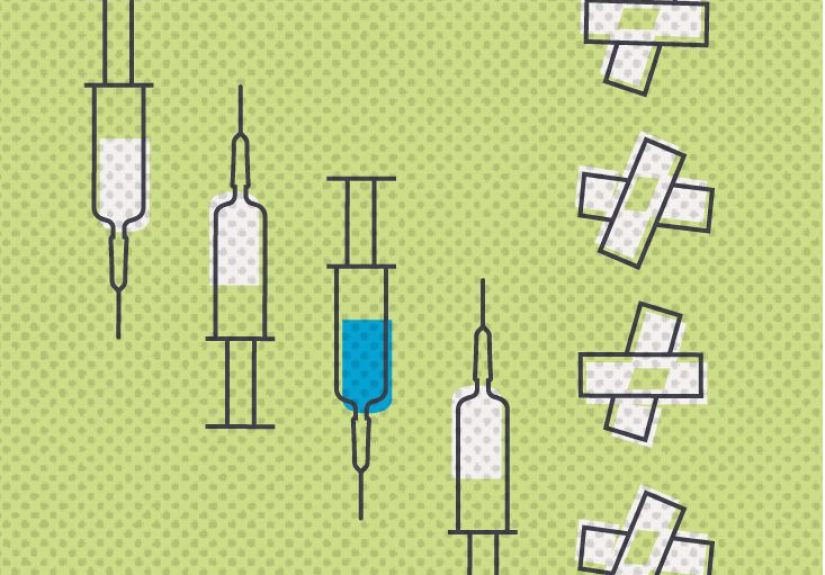
The typical recommended dose is 380 mg given as a deep intramuscular injection in the gluteal muscle every 4 weeks (once a month). Providers usually alternate sides from month to month.
Important timing rule: you must be opioid-free first
For relapse prevention in opioid dependence, people generally need an opioid-free period before starting Vivitrol to avoid precipitated opioid withdrawal, which can be severe and may require hospitalization. Many protocols reference a minimum of 7–10 days opioid-free, though the exact timeline varies based on the opioid used and individual factors.
What if you miss a dose?
If you miss a scheduled injection, you’ll typically be advised to get the next dose as soon as possible. Don’t “double up” on your own or try to DIY a schedulethis is one of those moments where the calendar and your clinician should be best friends.
Do you need to “try oral naltrexone first”?
Some clinicians may use oral naltrexone in certain situations, but oral pretreatment is not always required before extended-release naltrexone. Your provider will decide based on your medical history, risk of withdrawal, and treatment plan.
Side effects of Vivitrol
Side effects can vary by person and by the condition being treated. Many are mild to moderate and improve as your body adjusts, but some require urgent medical attention.
Common side effects
Commonly reported side effects may include:
- Injection site reactions: pain, tenderness, swelling, itching, lumps/nodules, bruising, redness, or firmness
- Nausea (often one of the most common early effects)
- Headache
- Dizziness or feeling faint
- Tiredness or sleepiness
- Insomnia (trouble sleeping)
- Decreased appetite in some people
Less common but important side effects
- Changes in mood, including depression
- Increased liver enzymes on blood tests (your clinician may monitor this)
- Allergic reactions (rare, but can be serious)
Serious warnings: what to watch for
1) Risk of opioid overdose (especially after stopping or near the end of the month)
This one is crucial: after being on Vivitrol, your tolerance to opioids may be lower. That means if someone returns to opioid useespecially around the end of the dosing interval, after missing a dose, or after discontinuingthere is a heightened risk of potentially fatal overdose.
Another danger: trying to “override” the opioid blockade by taking large amounts of opioids can also lead to overdose, coma, or death.
2) Precipitated opioid withdrawal
If there are opioids still on board, Vivitrol can rapidly kick opioids off receptors and trigger sudden, severe withdrawal. That’s why opioid-free timing and honest disclosure of recent opioid use (including certain medications like tramadol) matter so much.
3) Severe injection site reactions (rare, but real)
Most injection site reactions are mild. But in rare cases, the reaction can be severeincluding tissue damage that may require surgical care. Call your provider promptly if you notice increasing pain, a hard area, large swelling, blisters, an open wound, or a dark scab at the injection site.
4) Liver-related concerns
Naltrexone has been associated with cases of hepatitis and clinically significant liver dysfunction. Seek medical care right away for symptoms that may suggest liver trouble, such as yellowing of the skin/eyes, dark urine, severe fatigue, or persistent abdominal pain.
5) Mood changes, depression, and suicidality
Some people experience changes in mood. If you notice worsening depression, anxiety, or suicidal thoughts, contact a healthcare professional immediately. (And if it’s urgent, call local emergency services.)
6) Allergic reactions, including anaphylaxis
Serious allergic reactions are uncommon, but possible. Get emergency help if you have trouble breathing, swelling of the face/lips/tongue, or widespread hives.
7) Rare lung inflammation (eosinophilic pneumonia)
Vivitrol labeling includes rare reports of eosinophilic pneumonia. Seek care if you develop new or worsening shortness of breath, cough, or chest symptoms after injections.
Drug interactions and “things to avoid”
Opioids are the big one
Because naltrexone blocks opioid receptors, it can antagonize opioid-containing medicines. That includes many opioid pain medications and some opioid-containing cough/cold preparations or antidiarrheal products. Always tell your clinician and pharmacist you’re on Vivitrol before taking any new medication.
Alcohol and sedatives
Vivitrol is used to support alcohol abstinence, but it is not an alcohol withdrawal treatment. If you’re at risk for withdrawal, your clinician may use a separate medical plan. Also, always discuss sedatives (like benzodiazepines) and other substances with your clinician; mixing substances can complicate safety and recovery.
What to do before your first injection
- Be honest about opioid use (prescription, non-prescription, and “just once”). This is about safety, not judgment.
- Discuss your opioid-free timeline and whether any testing or monitoring is needed.
- Review your liver history, current medications, and any past allergic reactions.
- Ask about having an opioid overdose reversal agent (such as naloxone) availableespecially for people treated for opioid use disorder, due to relapse risk.
- Plan your visit day: wear clothing that makes a gluteal injection easy, and consider a lighter schedule afterward if you tend to feel queasy or tired.
What Vivitrol feels like in the real world (the practical stuff nobody puts on the billboard)
Clinically, Vivitrol is straightforward: a once-monthly injection. In real life, it can feel like a mix of “Wow, this is helping” and “Okay, my butt is mad at me today.”
Injection-day realities
Many people describe the shot as a deep, pressure-like injection rather than a quick pinch. Afterward, it’s common to have soreness, a firm spot, or a lump for a few days. People often compare it to the aftermath of a vaccineexcept in a larger muscle, with a longer “I did leg day” vibe. Some find that gentle walking, avoiding hard workouts for 24 hours, and using simple comfort measures (like a warm compress) can make the day-after feel easier.
The “is it working?” question
For alcohol dependence, people often describe the effect as a quieting of the mental noisecravings may become less loud, less frequent, or easier to surf past. Not everyone feels an immediate change, and some notice benefits more clearly when they pair medication with counseling, routines, and trigger planning (sleep, stress management, social boundaries, the whole adulting buffet).
For opioid relapse prevention, people sometimes describe a sense of relieflike having an external barrier during vulnerable moments. But there’s also a psychological adjustment: the medication can reduce the “reward” if opioids are used, yet it can’t erase stress, trauma cues, or social triggers. People who do well long-term often talk about building supports that carry them through the month: therapy, recovery groups, check-ins, and having a plan for pain, surgeries, or emergencies.
Common speed bumps (and how people plan around them)
- Nausea early on: Some report mild nausea after the first injection, often improving with later doses. Eating smaller meals and staying hydrated on injection day can help some people tolerate it better.
- Sleep changes: A subset of people report insomnia or strange sleep for a few days. Keeping caffeine earlier in the day and sticking to a wind-down routine can be surprisingly effective.
- Mood dips: Because mood changes can occur, many patients and clinicians build a “tell someone early” ruleif mood darkens or anxiety spikes, they loop in a trusted person and the care team sooner rather than later.
- The pain-management puzzle: People with chronic pain, upcoming dental work, or planned surgery often do best when they proactively coordinate with clinicians. If opioids are needed in an emergency, providers may need special strategiesso it’s worth discussing ahead of time.
A realistic mindset
The most consistent theme from patient education materials and clinical practice is this: Vivitrol isn’t a “cure,” and it isn’t a morality test. It’s a tool that can make recovery work more doableespecially when paired with structure, support, and a plan for high-risk moments. Think of it less like a superhero cape and more like really good hiking boots: they don’t walk the trail for you, but they can help you stay upright when the path gets slippery.
Bottom line
Vivitrol (extended-release naltrexone) is a once-monthly injection used to support recovery for alcohol dependence and to help prevent relapse after opioid detox. The biggest “must-knows” are the opioid-free requirement before starting, the overdose risk if opioids are used after treatment stops or near the end of the month, and the importance of monitoring for injection site reactions, mood changes, and liver-related symptoms. When it’s the right fit, and when it’s paired with counseling and support, it can be a strong ally in a long-term recovery plan.