Table of Contents >> Show >> Hide
- Why Everyone Is Talking About Vionic Shoes
- What Makes Vionic Shoes Feel So Different?
- Who Are Vionic Shoes Best For?
- Oprah- and Podiatrist-Approved Styles to Know
- What Real Shoppers Say About Vionic Shoes
- How to Choose the Right Vionic Pair for You
- Where to Shop Vionic Shoes Right Now
- Final Thoughts: Are Vionic Shoes Worth It?
- Real-Life Experiences with Vionic Shoes
If you’ve ever hobbled home after a “cute shoe” day, you know this painful truth: most footwear is designed for Instagram, not actual human feet. That’s exactly why Vionic shoes have quietly built a cult following among shoppers, podiatrists, and one very influential fanOprah Winfrey. When a brand is both Oprah-approved and podiatrist-approved, it’s basically the footwear equivalent of a standing ovation.
In this guide, we’ll break down what makes Vionic different, why foot doctors keep recommending the brand, and which styles are worth adding to your closet right now. We’ll also talk about who can benefit most from Vionic’s orthotic technology, how to pick the right pair for your lifestyle, and what real shoppers say about comfort and durability.
Why Everyone Is Talking About Vionic Shoes
Oprah’s Seal of Approval
When Oprah puts something on her Favorite Things list, it doesn’t just sell outit becomes a lifestyle. Vionic shoes have snagged that coveted shoutout multiple times, from cozy slippers to sleek sneakers and loafers. Oprah has raved that her “feet have never been happier” in Vionic’s super-comfortable styles, and several of the brand’s sneakers and flats have been featured as go-to travel and all-day shoes in her style coverage.
That kind of praise matters because Oprah could literally wear any shoe brand on the planet. When she keeps coming back to Vionic, it suggests something special is going on under the hoodor more accurately, under the insole.
Podiatrist-Designed from the Ground Up
Vionic didn’t start as a fashion label. Its roots trace back to Australian podiatrist Dr. Phillip Vasyli, who originally developed medical orthotics to help patients dealing with heel pain and overpronation. Those ideas evolved into a footwear brand that builds orthotic-level support directly into the shoe, instead of relying on separate inserts.
At the heart of many Vionic styles is its proprietary orthotic design (once known as Orthaheel technology), which uses a contoured footbed, deep heel cup, and proper arch support to encourage natural alignment. The result: less stress on your heels, arches, knees, and even your lower back. Many Vionic models have earned the American Podiatric Medical Association’s (APMA) Seal of Acceptance, meaning they meet specific criteria for promoting foot health.
What Makes Vionic Shoes Feel So Different?
Built-In Orthotic Support
Most of us don’t wake up thinking, “Wow, I’d love a biomechanical footbed today.” But your joints definitely appreciate it. Vionic shoes use a podiatrist-designed insole that combines arch support, cushioning, and a stabilizing heel cup. This design helps keep your foot in a more neutral position, which can be a game changer if you deal with plantar fasciitis, heel pain, overpronation, or general soreness after a long day on your feet.
Unlike many comfort shoes that feel heavy or bulky, Vionic focuses on integrating this support into styles that still look sleekthink polished loafers, stylish ballet flats, clean white sneakers, and dressy heels that don’t scream “orthopedic.”
Science-Backed and Style-Conscious
The brand likes to say it fuses “the science of style with maximum comfort,” and they actually back that up. Their designers work with foot-health specialists to ensure that trendy silhouetteslike lug-sole loafers, minimalist sneakers, and woven sandalsstill follow supportive design principles.
Instead of choosing between your podiatrist and your Pinterest board, you get both: shoes that fit seamlessly into your outfits and actually help your feet feel better by the end of the day.
APMA Acceptance and Medical Kudos
Plenty of brands call themselves “supportive,” but Vionic can point to something more objective: many of its products are recognized by the APMA, a leading professional organization representing podiatrists in the United States. To earn the APMA Seal, shoes must demonstrate that they promote foot health.
Several podiatry clinics and foot-and-ankle centers in the U.S. also recommend or carry Vionic, highlighting its alignment support and ability to help reduce pain tied to plantar fasciitis and overuse.
Who Are Vionic Shoes Best For?
People with Plantar Fasciitis and Heel Pain
If you know the agony of those first morning steps, you’re exactly the kind of person Vionic had in mind. The brand specifically markets many of its shoes as options for plantar fasciitis and heel pain, thanks to the supportive arch and deep heel cup that help reduce strain on the plantar fascia ligament.
Patients and reviewers often report that the sandals and mules, in particular, offer sturdy footbeds with strong arch supporthelpful when you don’t want to wear sneakers at home but still need structure.
Anyone on Their Feet All Day
Nurses, teachers, retail workers, and hospitality staff know that a cute shoe that isn’t comfortable is just an expensive form of self-sabotage. Because Vionic shoes are built for stability and cushion, they’re popular with people who stand or walk for long stretchesespecially in roles where appearance still matters.
From polished loafers and pumps for the office to classic slip-on sneakers and clogs, you can find styles that look professional but feel closer to a supportive sneaker. Oprah herself has worn Vionic flats and sneakers for long days on set and in transit, praising them for keeping her feet happy.
Travelers, Walkers, and Everyday Errand-Runners
Vionic has also become a go-to brand for frequent travelers and walkers looking for comfortable yet packable shoes. Their lightweight sneakers and flats pair easily with jeans, dresses, or athleisure, so you can move from airport terminal to city sightseeing without swapping footwear three times a day.
Because many styles use durable rubber outsoles and cushioning designed for all-day wear, they’re a strong option if you log a lot of steps on pavement or hard floors.
Oprah- and Podiatrist-Approved Styles to Know
1. Slip-On Sneakers
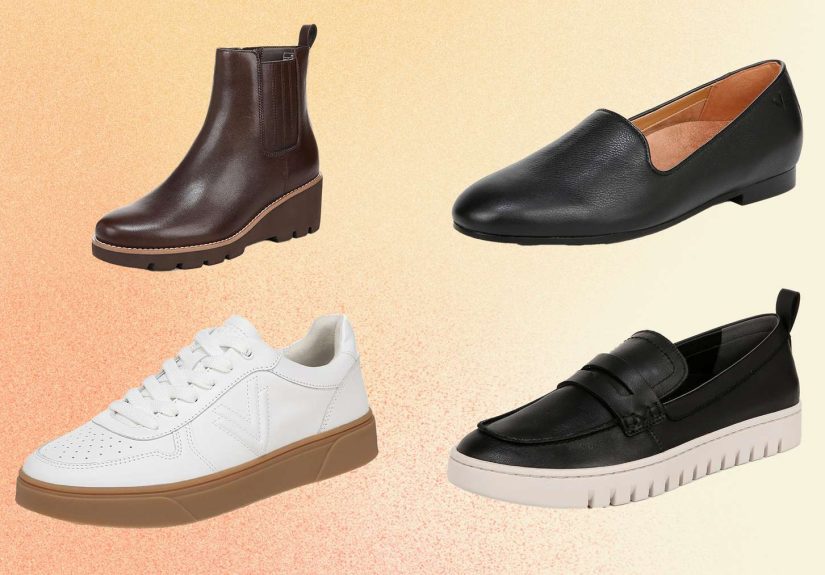
Several of Oprah’s favorite Vionic picks have been slip-on sneakersa category that blends athleisure and everyday style. These sneakers typically feature:
- Elastic or stretch panels for easy on-and-off
- Supportive, removable orthotic insoles
- Breathable uppers in leather, knit, or suede
- Low-profile, wear-with-anything silhouettes
They’re ideal if you want shoes that feel like weekend kicks but still look polished enough for casual workplaces or travel days. Several of these slip-ons have appeared in Oprah’s lists as “treat your feet” picks for their arch-hugging design.
2. Ballet Flats and Skimmers
Traditional ballet flats are notorious for being cute but unsupportivebasically foot pancakes. Vionic’s take on the category is different. Their skimmers and flats usually come with a structured footbed, more cushioning, and slightly thicker soles, which help reduce the “barely any shoe” feeling.
Shoppers and editors love these flats for commuting, office wear, and travel days when you don’t want to wear sneakers but still need arch support. Some styles have been spotlighted as “looks like designer, feels like a slipper” options in fashion and health media.
3. Loafers and Dressy Styles
From block-heel pumps to sleek loafers, Vionic proves that dress shoes don’t have to be torture devices. Their loafers and heeled styles often use the same supportive footbed technology, with a slightly elevated heel height that still keeps weight distribution in check.
These styles show up frequently in roundups of comfortable work shoes and editor-approved pairs for long days at the office or events where you’ll be standing.
4. Sandals and Slippers
Vionic’s sandals and slippers are sleeper hits (pun fully intended). Instead of flat, flimsy soles, they feature contoured footbeds that help support the arch even when you’re just padding around the house or walking to the mailbox. Several Vionic slippers and sandals have landed on Oprah’s Favorite Things lists and in wellness magazine recommendations thanks to their comfort and support.
What Real Shoppers Say About Vionic Shoes
While celebrity endorsements are nice, everyday reviewers are often the toughest criticsand Vionic holds up pretty well there, too. Across retail sites and independent review platforms, many shoppers say the shoes help with heel pain, wide feet, or long days on hard floors.
Common praise points include:
- Noticeable arch support without feeling “bulky”
- Reduced soreness at the end of a shift or travel day
- Stylish silhouettes that don’t look orthopedic
- Durable materials that hold up to frequent wear
That said, no brand is perfect. Some reviewers note that Vionic footbeds can feel “aggressive” at first, especially if you’re used to flat or minimally supportive shoes. Podiatrists and the brand itself often recommend a break-in periodwearing your new pair for a few hours a day and gradually increasing time as your feet adjust to the added arch support.
How to Choose the Right Vionic Pair for You
1. Start with Your Foot Type and Needs
Before you get distracted by colors and cute details, think about how you actually use your shoes:
- Plantar fasciitis or heel pain: Look for styles specifically labeled for plantar fasciitis or heel support, often featuring extra cushioning at the heel and firm arch support.
- All-day standing or walking: Choose sneakers, supportive flats, or loafers with thicker outsoles and shock-absorbing midsoles.
- Wide or hard-to-fit feet: Seek out styles available in wide widths or with adjustable straps and stretchy panels.
- Office-friendly: Loafers, ballet flats, and low block heels are good options if you need something polished.
2. Follow a Gradual Break-In Period
If you’ve been wearing flat, unsupportive shoes for years, true arch support can feel intense at firstkind of like starting a workout plan after a long break. Most podiatrists recommend easing into structured footwear. Try wearing your Vionic pair for a couple of hours the first day, then slowly increase usage. This gives your muscles, ligaments, and joints time to adjust to better alignment.
3. Rotate Styles for Different Activities
Even the best shoes benefit from a day off. Rotating between a supportive sneaker, a cushioned slipper or sandal at home, and an office-appropriate flat or loafer can help reduce wear and tear on both your shoes and your feet. It also keeps your outfits feeling fresh while your feet enjoy consistent support.
Where to Shop Vionic Shoes Right Now
You’ll find Vionic shoes directly on the brand’s website, where you can browse the full range of men’s and women’s stylesfrom walking sneakers and recovery sandals to boots, slippers, and dress shoes.
They’re also widely available through major retailers, including department stores and online marketplaces. Fashion and lifestyle publications frequently highlight Vionic sales at Amazon and other retailers, especially around Prime Day, Black Friday, and seasonal eventsoften with discounts up to 60–65% off on Oprah-loved and podiatrist-approved pairs.
Because popular sizes and colors sell out quickly when Oprah or major outlets spotlight a specific style, it’s smart to act fast if you see your size in a color you love.
Final Thoughts: Are Vionic Shoes Worth It?
If you’re used to buying shoes based solely on looks or price, Vionic might feel like a splurge at first glance. But when you factor in the podiatrist-driven design, APMA acceptance, celebrity backing, and thousands of positive reviews from people with real foot issues, the cost starts to look more like an investment in your everyday comfort.
Instead of choosing between “cute but painful” and “comfortable but clunky,” Vionic gives you a third option: stylish footwear that actually respects your anatomy. Whether you’re chasing kids, commuting across the city, hustling through a 12-hour shift, or just trying to get through a grocery run without wincing, having at least one Oprah- and podiatrist-approved pair in your rotation is a pretty smart move.
In other words, if you’ve been waiting for a sign to finally prioritize your feet, this is it. Your future selfstanding happily at the end of a very long dayis already saying thank you.
Real-Life Experiences with Vionic Shoes
To give you a more grounded sense of what living in Vionic shoes is actually like, let’s talk about everyday experiences people report when they upgrade their footwear. Think of this as the “day in the life of your feet” once they’ve joined the Oprah- and podiatrist-approved club.
The First Week: Getting Used to Real Support
Many people describe the first few days in Vionic as surprisingly different. If you’ve walked around in flat sneakers or flimsy flats for years, that contoured footbed can feel almost like a built-in orthoticwhich, to be fair, it is. Some users say they feel the arch pressing into the foot at first, but after a gradual break-in period, they start to notice something else: less aching at the end of the day and fewer “I need to sit down right now” moments.
For folks with plantar fasciitis, it’s common to report that the sharp morning heel pain gradually softens when they consistently wear supportive shoes, including around the house in Vionic slippers or sandals, instead of going barefoot on hard floors. It’s not magic, but when you reduce strain on the plantar fascia with every step, your body has a better chance to calm that chronic irritation.
Workdays and Long Shifts
Imagine a nurse doing rounds for 12 hours or a teacher pacing from classroom to classroom. Those jobs are rough on feet even in “comfortable” shoes. That’s why so many people in on-your-feet professions gravitate toward Vionic’s sneakers, clogs, and loafers. They get the heel stability and arch support they need, while still wearing something that looks polished with scrubs, slacks, or dresses.
One common theme in reviews: people who stand on tile, concrete, or hardwood floors all day are often shocked by how much less exhausted they feel when their shoes are doing more of the shock absorption. By the end of the week, it’s not just their feet that feel better; some notice less lower-back tightness and knee discomfort, tooa reminder that good footwear affects your whole kinetic chain.
Travel, Errands, and Everyday Life
Now picture a travel day that would normally destroy your feet: airport security lines, sprinting to a gate, hauling luggage, and strolling through a new city. This is where Oprah’s favorite slip-ons and sneakers really shine. You can slide them off and on easily at security, but still get real structure when you’re walking or standing for hours.
For everyday life, many people rotate between a supportive Vionic sneaker and a pair of flats or loafers they keep by the door. Grab-and-go errand runs feel different when you’re not mentally calculating how far the parking lot is from the store entrance. And those post-dinner walks around the neighborhood? Much more appealing when your shoes feel like they’re helping instead of punishing you.
Style Confidence with Podiatrist-Approved Shoes
There’s also a less obvious benefit: style confidence. A lot of people with foot issues feel like they’ve been sentenced to bulky, orthopedic-looking shoes forever. Vionic flips that script by making styles that follow current trendsplatforms, clean white sneakers, modern loafers, and sleek flatswhile still building in support.
That means you can show up to the office, a dinner out, or a family event looking put together without worrying that your feet will pay for it later. And there’s something quietly empowering about knowing your shoes are both fashion-editor approved and podiatrist endorsed. It’s like having a stylist and a foot doctor agree for once.
Long-Term Payoff: Investing in Your Feet
Finally, there’s the long game. Over time, consistently wearing supportive shoes can help reduce flare-ups of chronic foot issues, cut down on “emergency” shoe purchases, and even delay or reduce the need for more aggressive interventions. While no pair of shoes can replace medical care when it’s needed, choosing footwear designed with foot health in mind is one of the easiest daily habits you can adopt.
So when you see the phrase “Vionic Shoes Are Oprah- and Podiatrist-ApprovedShop Now,” it’s not just a catchy headline. It’s a nudge to think about your feet as part of your overall wellness strategy. You don’t have to wait for a holiday sale or a doctor’s lecture to upgrade. Start with one pair that fits your lifea slip-on sneaker for weekends, a loafer for work, or a house slipper you’ll actually wear insideand let your feet do the convincing.