Table of Contents >> Show >> Hide
- What Makes a Great Vegetable Casserole?
- How to Build Better Vegetable Casserole Recipes at Home
- 10 Vegetable Casserole Recipes Worth Putting on Repeat
- 1. Broccoli Cheddar Cracker Casserole
- 2. Green Bean and Mushroom Casserole From Scratch
- 3. Summer Squash Casserole with Buttery Crumbs
- 4. Zucchini, Tomato, and Parmesan Tian-Style Bake
- 5. Cauliflower Gratin with Dijon and Gruyère
- 6. Spinach, Mushroom, and Wild Rice Casserole
- 7. Sweet Potato Black Bean Enchilada Casserole
- 8. Eggplant, Potato, and Tomato Mediterranean Bake
- 9. Brussels Sprouts and Cheese Bake
- 10. Three Sisters Cornbread Casserole
- Common Mistakes That Ruin Vegetable Casserole Recipes
- Make-Ahead, Freezer, and Leftover Tips
- Why Vegetable Casseroles Still Matter
- Experiences From the Kitchen: What Vegetable Casserole Recipes Teach You
- Conclusion
If vegetables had a comfort-food costume, they would absolutely show up dressed as casserole. Give them a creamy base, a hot oven, and a crunchy topping, and suddenly the same broccoli that was “just fine” on Tuesday becomes the star of the dinner table on Wednesday. That is the quiet magic of vegetable casserole recipes: they make produce feel generous, cozy, and just a little bit irresistible.
The best vegetable casseroles are not simply vegetables buried under cheese and hope. They are built with intention. Good ones balance tender vegetables with structure, richness with freshness, and creamy interiors with crispy tops. Great ones also solve real-life problems: what to do with extra zucchini, how to feed a crowd without turning your kitchen into a crime scene, and how to make a side dish substantial enough to threaten the main course.
In this guide, you will find smart, practical advice for making better casseroles plus a collection of delicious recipe ideas you can actually use. Some are weeknight-friendly. Some are holiday-worthy. Some exist mainly to help you conquer that suspiciously large amount of squash in the fridge. All of them are rooted in the techniques that make vegetable casseroles taste better, bake better, and reheat like champions.
What Makes a Great Vegetable Casserole?
A strong vegetable casserole starts with one big idea: vegetables release water. A lot of it. That is why watery casseroles happen so often. Zucchini, mushrooms, spinach, eggplant, and frozen vegetable blends can all dump moisture into the baking dish if you do not prepare them properly. The fix is beautifully simple: roast, sauté, salt and drain, or briefly pre-cook the vegetables before they go into the casserole. That extra step is the difference between “golden and bubbling” and “why is there a pond in my baking dish?”
The second secret is contrast. Creamy casseroles need a crispy topping. Mild vegetables need bold seasoning. Soft fillings need a little chew from rice, pasta, beans, breadcrumbs, crackers, nuts, or toasted cheese edges. A casserole that is all one texture feels heavy fast. A casserole with contrast keeps you going back for “one more bite,” which is how casserole portions become a little emotionally flexible.
Finally, the best vegetable casserole recipes use vegetables on purpose rather than tossing in whatever looks vaguely green. Broccoli and cauliflower love creamy cheese sauces. Summer squash pairs beautifully with buttery cracker toppings. Eggplant and tomatoes belong together like they share a lease. Sweet potatoes welcome smoky spices, black beans, and enchilada-style layers. Match the vegetable to the style of casserole, and the whole dish starts to make sense.
How to Build Better Vegetable Casserole Recipes at Home
1. Pick vegetables that fit the job
For creamy casseroles, think broccoli, cauliflower, green beans, Brussels sprouts, potatoes, mushrooms, and squash. For layered vegetable bakes, use zucchini, eggplant, tomatoes, onions, and potatoes. For hearty meatless mains, reach for spinach, kale, beans, lentils, sweet potatoes, and whole grains like brown rice or wild rice.
2. Control moisture before it controls you
Roast mushrooms and eggplant to deepen flavor. Salt zucchini or squash and let them drain. Sauté onions until sweet and soft. Thaw frozen vegetables and pat them dry if needed. This one move protects texture and keeps the sauce from turning thin and sad.
3. Use a binder with personality
Your binder can be a béchamel, sour cream mixture, cream cheese blend, condensed soup shortcut, tomato sauce, egg custard, or even mashed beans. The point is not to drown the vegetables. The point is to connect them. A good binder should coat, not flood.
4. Layer seasoning, not just ingredients
Season the vegetables before they enter the casserole. Add herbs, garlic, mustard, citrus zest, or a pinch of heat to wake up creamy components. Salt only at the end if your cheeses, crackers, broth, or canned ingredients already bring plenty of sodium.
5. Save the crunchy topping for the right moment
Breadcrumbs, crushed crackers, fried onions, and toasted nuts can all burn or go soggy if they bake too long. For the crispiest finish, add them late in the baking process or protect them until the casserole is nearly hot through. That final golden layer is not decoration. It is the textural plot twist.
10 Vegetable Casserole Recipes Worth Putting on Repeat
1. Broccoli Cheddar Cracker Casserole
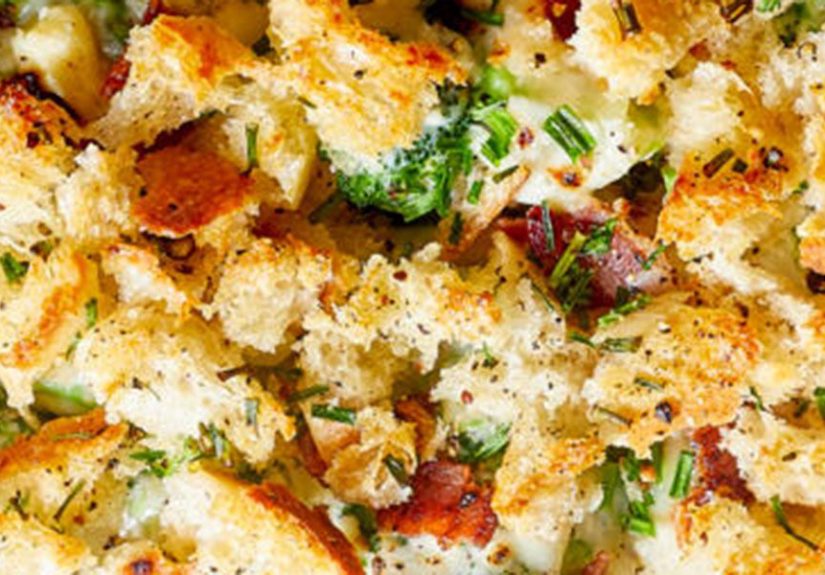
This is the friendly classic of the vegetable casserole world. Blanch or steam broccoli until just tender, then fold it into a creamy mixture of cheddar, a little sour cream or cream sauce, onion, and black pepper. Top with crushed buttery crackers and bake until bubbling. The flavor is rich and nostalgic, but the broccoli keeps it from feeling overly heavy. Use sharp cheddar so the casserole tastes cheesy instead of merely orange.
2. Green Bean and Mushroom Casserole From Scratch
If you grew up on the holiday version, this upgrade deserves a spot in your regular rotation. Fresh or frozen green beans keep more bite than canned ones, while sautéed mushrooms and onions bring savory depth. A homemade cream sauce or quick mushroom gravy makes it taste fuller and less processed. Finish with crispy onions just before the end of baking so the top stays crisp instead of collapsing into the sauce like a tiny fried tragedy.
3. Summer Squash Casserole with Buttery Crumbs
Yellow squash and zucchini shine in casseroles when you handle their moisture first. Slice them, salt lightly, and cook off some of the liquid before combining them with sautéed onion, cheddar, Parmesan, and a creamy base. A Ritz-style cracker topping gives the whole thing Southern comfort energy in the best way. This is an ideal side dish for cookouts, Sunday suppers, or any dinner where the garden has started showing off.
4. Zucchini, Tomato, and Parmesan Tian-Style Bake
Not every vegetable casserole has to be creamy enough to require a nap afterward. For something lighter, layer zucchini, tomatoes, onions, and maybe a few thin potato slices in overlapping rows. Season each layer with olive oil, garlic, herbs, salt, and pepper, then finish with Parmesan and breadcrumbs. The result is elegant, colorful, and surprisingly satisfying. It is the casserole equivalent of wearing linen instead of fleece.
5. Cauliflower Gratin with Dijon and Gruyère
If cauliflower has ever struck you as a little too eager to be considered exciting, this dish changes its public image. Roast or steam florets until nearly tender, then fold them into a silky sauce flavored with Dijon mustard, garlic, and Gruyère or Swiss cheese. Bake until browned and bubbling. It tastes fancy enough for a holiday table but simple enough for a cold weeknight when you want something rich and vegetable-forward.
6. Spinach, Mushroom, and Wild Rice Casserole
This is the kind of casserole that can carry dinner without begging for a sidekick. Wild rice gives chew and nuttiness, mushrooms add savory flavor, and spinach brings color plus a little virtue. A cream-based or broth-thickened sauce works well here, and a sprinkle of mozzarella or fontina on top makes it even more inviting. This is a smart recipe for people who want a vegetarian casserole that feels hearty rather than apologetic.
7. Sweet Potato Black Bean Enchilada Casserole
For a casserole with personality, layer roasted sweet potatoes, black beans, enchilada sauce, tortillas, corn, and cheese. The sweet potatoes bring softness and natural sweetness, the beans add protein and fiber, and the sauce keeps everything bold. Top with cheese and bake until the edges go gloriously melty. Add cilantro, scallions, avocado, or lime at the end for freshness. It is part comfort food, part meal prep hero, and all-around excellent.
8. Eggplant, Potato, and Tomato Mediterranean Bake
This style of casserole leans into olive oil, garlic, tomatoes, oregano, and maybe a little feta or Parmesan. Roast or salt the eggplant first so it does not sponge up every drop of moisture in sight. Thin potatoes give structure, tomatoes bring acidity, and herbs keep the whole thing bright. It is a terrific option when you want a vegetable casserole recipe that feels rustic and deeply savory without relying on a cream sauce.
9. Brussels Sprouts and Cheese Bake
Brussels sprouts are at their best when they get browned, not boiled into surrender. Halve and roast them first, then fold them into a creamy cheese mixture with garlic, maybe a touch of lemon zest, and a crunchy topping. The sprouts keep a little bite, the sauce rounds out their natural bitterness, and the browned edges make the dish taste more complex than the ingredient list suggests. It is the casserole that converts skeptics one forkful at a time.
10. Three Sisters Cornbread Casserole
Corn, beans, and squash make a naturally hearty base, and topping them with cornbread turns the dish into a full meal. This is an excellent way to create a meatless casserole that still feels substantial. Use roasted squash for sweetness, beans for body, and corn for texture. Season with onion, cumin, chili powder, and herbs if you like. The cornbread topping bakes into a golden cap that makes the whole dish feel cozy and deeply satisfying.
Common Mistakes That Ruin Vegetable Casserole Recipes
- Skipping pre-cooking for watery vegetables: Raw zucchini, mushrooms, spinach, and squash can flood the dish as they bake.
- Using too much sauce: A casserole should hold together, not slosh.
- Under-seasoning the vegetables: The sauce alone cannot carry the entire dish.
- Adding toppings too early: Crispy onions and cracker crumbs deserve better than burning.
- Cutting vegetables unevenly: Tiny pieces turn mushy while big ones stay stubbornly firm.
- Serving straight from a volcanic oven: Let the casserole rest a bit so it sets and slices better.
Make-Ahead, Freezer, and Leftover Tips
One reason vegetable casserole recipes are so beloved is that they fit real life. Many can be assembled a day ahead and baked later. If your topping is crunchy, store it separately and add it just before the casserole goes into the oven. That prevents sogginess and preserves the one thing everyone secretly fights over.
For freezing, casseroles with rice, beans, potatoes, broccoli, green beans, and sturdy sauces usually do well. Very watery vegetables can soften more after thawing, so roast them first if you plan to freeze. Cool the casserole, wrap it well, label it, and reheat until hot throughout. For leftovers, refrigerate promptly, preferably in shallow containers once the dish has stopped steaming like a tiny weather system. Vegetable casseroles are often even better the next day because the flavors settle in and get acquainted.
Why Vegetable Casseroles Still Matter
Vegetable casserole recipes last because they solve several kitchen problems at once. They make vegetables feel comforting. They help you cook seasonally. They work for potlucks, weeknights, holidays, and meal prep. They can be rich or light, classic or modern, fancy or wonderfully unfussy. Most important, they are adaptable. Once you understand the method, you can swap vegetables, change the cheese, adjust the sauce, and make the recipe feel like your own.
That flexibility is what keeps casseroles alive in American kitchens. They are not trendy because they never really had to be. They are practical, delicious, and deeply forgiving. And honestly, any dinner that can turn a pile of vegetables into something people actively look forward to deserves a little respect.
Experiences From the Kitchen: What Vegetable Casserole Recipes Teach You
One of the most interesting things about making vegetable casseroles over time is how quickly they stop feeling like recipes and start feeling like kitchen instincts. The first few times, you follow every step carefully, measuring cheese, watching the oven, wondering whether the topping is “golden brown” or just “lightly optimistic.” Then something changes. You make a broccoli casserole after work with half an onion and the last handful of cheddar. You turn leftover roasted vegetables into a baked pasta dish on a Sunday night. You learn, almost by accident, that casseroles are less about perfection and more about pattern recognition.
There is also a practical comfort to them that is hard to overstate. Vegetable casseroles are what you make when you want dinner to feel generous without becoming complicated. They are the kind of dish that lets one pan do most of the social work. At family gatherings, they sit on the table looking humble, then disappear faster than the expensive entrée. At potlucks, they are reliable in a way that fussy recipes rarely are. Nobody has ever stared nervously at a hot pan of bubbling vegetable casserole and said, “This seems too emotionally distant.”
Then there is the seasonal joy. In summer, casseroles help tame zucchini before it starts taking over your life and your countertops. In fall, squash, mushrooms, and greens become deeper and sweeter in the oven. In winter, broccoli, cauliflower, potatoes, and Brussels sprouts become comfort food with excellent PR. In spring, asparagus and peas bring brightness back to the table. The experience of cooking these dishes through the year makes you notice produce differently. You stop seeing vegetables as obligations and start seeing them as building materials.
Some of the best vegetable casserole moments also come from small corrections. The first time you learn to salt squash before baking it, a whole category of disappointment quietly disappears. The first time you keep the fried-onion topping separate until the end, you realize crunch is not a luxury; it is structural. The first time you use lemon zest or Dijon in a creamy casserole, you understand that richness needs contrast the same way a good joke needs timing.
Most of all, vegetable casseroles are memorable because they are adaptable without being fragile. You can make them richer for holidays, lighter for weeknights, bigger for company, smaller for leftovers, and spicier when your dinner mood requires a little drama. They invite improvisation instead of punishing it. And in a home kitchen, that matters. The dishes that survive are usually not the ones that demand perfection. They are the ones that make you feel capable, well-fed, and slightly clever for using what you already had.
That may be the real reason vegetable casserole recipes remain so lovable. They do not just feed people. They make the cook feel resourceful. They turn odds and ends into dinner, turn vegetables into comfort, and turn a basic baking dish into proof that simple food can still feel generous. Not bad for something that often starts with, “Well, I should probably use that cauliflower.”
Conclusion
The smartest vegetable casserole recipes combine good technique with a little kitchen confidence. Start by managing moisture, season with intention, match the vegetables to the style of dish, and finish with a topping that gives every bite contrast. From broccoli cheddar bakes and green bean casseroles to squash gratins and hearty bean-and-sweet-potato mains, vegetable casseroles offer far more variety than they usually get credit for. They are cozy, practical, crowd-pleasing, and endlessly adaptable. In other words, they are exactly the kind of recipes worth keeping close.