Table of Contents >> Show >> Hide
- Why This Tortellini and Garden Vegetable Bake Works
- Ingredients You’ll Need
- How to Make Tortellini and Garden Vegetable Bake
- Recipe Snapshot
- Tips for the Best Baked Tortellini with Vegetables
- Easy Variations
- What to Serve with Tortellini and Garden Vegetable Bake
- Storage and Reheating
- Conclusion
- Kitchen Experiences Related to Tortellini and Garden Vegetable Bake Recipe
- SEO Tags
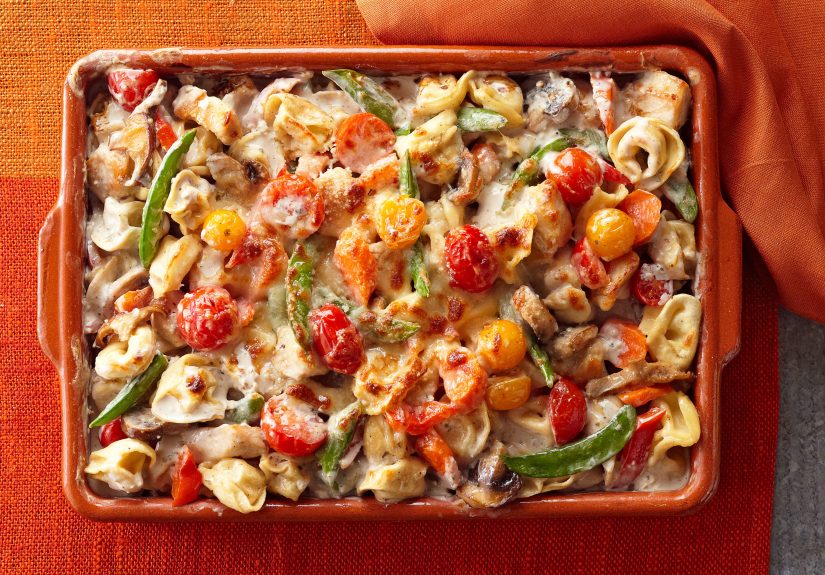
Some dinners whisper politely. This one shows up bubbling, cheesy, and smelling like the kind of meal that convinces everyone to wander into the kitchen “just to see what’s going on.” A good tortellini and garden vegetable bake recipe is exactly that kind of dinner. It is cozy without being heavy, colorful without trying too hard, and practical enough for a weeknight even when your refrigerator looks like a produce drawer exploded.
This baked tortellini casserole leans into everything people actually want from dinner: tender cheese-filled pasta, a pile of fresh vegetables, a creamy sauce that knows its job, and a golden cheesy top that makes the whole thing feel a little more special than the average Tuesday deserves. It is also one of the smartest ways to use zucchini, squash, tomatoes, peppers, spinach, and mushrooms before they begin their sad transformation into “future compost.”
If you have been looking for a garden vegetable pasta bake that tastes fresh but still delivers comfort-food energy, this one lands right in the sweet spot. It is easy to customize, friendly to make-ahead planning, and surprisingly forgiving. In other words, it is the casserole equivalent of a friend who texts back quickly and brings good bread.
Why This Tortellini and Garden Vegetable Bake Works
The magic of this dish is balance. Cheese tortellini already brings richness, so the vegetables need to add brightness, texture, and a little lift. That is why this recipe uses a mix of zucchini, yellow squash, mushrooms, bell pepper, cherry tomatoes, and spinach. The mushrooms add savory depth, the squash family gives you that tender summer-garden feel, the pepper brings sweetness, the tomatoes add juicy acidity, and the spinach sneaks in a little green virtue without making a speech about it.
The sauce is just creamy enough to hold the bake together without turning the casserole into a dairy swamp. A combination of vegetable broth, half-and-half, cream cheese, Parmesan, garlic, and Italian seasoning creates a smooth, flavorful base that clings to the tortellini and vegetables instead of drowning them. That matters. Nobody dreams of pasta soup that forgot it was supposed to be baked.
Another reason this recipe works so well is that it treats the vegetables with respect. Instead of tossing everything into a dish and hoping for the best, the recipe gives the vegetables a head start. That extra step helps concentrate flavor and keeps the final bake from becoming watery. A soggy casserole has the same energy as wet socks: technically survivable, emotionally unacceptable.
Ingredients You’ll Need
Here is everything you need for this cheesy tortellini vegetable casserole. The ingredient list is simple, flexible, and built around easy-to-find grocery staples.
For the Bake
- 1 package (20 ounces) refrigerated cheese tortellini
- 2 tablespoons olive oil
- 1 small zucchini, diced
- 1 small yellow squash, diced
- 1 red bell pepper, chopped
- 8 ounces mushrooms, sliced
- 1 cup cherry tomatoes, halved
- 2 cups baby spinach
- 3 cloves garlic, minced
- 1 teaspoon Italian seasoning
- 1/2 teaspoon kosher salt
- 1/4 teaspoon black pepper
For the Creamy Sauce
- 2 tablespoons butter
- 1 tablespoon all-purpose flour
- 1 cup low-sodium vegetable broth
- 3/4 cup half-and-half
- 4 ounces cream cheese, softened
- 1/2 cup grated Parmesan cheese
- 1/2 teaspoon onion powder
For the Topping
- 1 1/2 cups shredded mozzarella cheese
- 2 tablespoons grated Parmesan cheese
- 1 tablespoon chopped fresh basil or parsley, optional
If you only have frozen tortellini, that works too. If you only have dried tortellini, that works as well. Just cook it until barely tender before baking. The pasta will finish in the oven, and that is exactly what you want for the best texture.
How to Make Tortellini and Garden Vegetable Bake
1. Roast the vegetables first
Preheat your oven to 425°F. Line a sheet pan with parchment paper if you prefer easier cleanup, which is always a respectable life choice. Toss the zucchini, yellow squash, bell pepper, and mushrooms with the olive oil, half the salt, and half the pepper. Spread them in an even layer and roast for 12 to 15 minutes, just until the vegetables soften and start taking on a little color.
This step does two important things. First, it pulls moisture out of the vegetables so your baked tortellini stays creamy instead of soupy. Second, it gives the vegetables deeper flavor. Roasting is basically the culinary version of turning the lights on and asking everyone to do their best work.
2. Boil the tortellini
While the vegetables roast, bring a large pot of salted water to a boil. Cook the tortellini about 1 to 2 minutes less than the package directs. Drain it and set it aside. Slightly undercooking the pasta keeps it from getting too soft once it finishes in the oven.
3. Build the sauce
In a large skillet or Dutch oven, melt the butter over medium heat. Add the garlic and cook for about 30 seconds, just until fragrant. Stir in the flour and cook for another 30 seconds to remove the raw taste. Slowly whisk in the vegetable broth and half-and-half until smooth. Add the cream cheese, Parmesan, onion powder, Italian seasoning, and the remaining salt and pepper. Stir until the sauce is creamy and fully combined.
You are not looking for a thick Alfredo wall here. The sauce should be silky and light enough to coat the pasta without feeling like a winter coat in July.
4. Combine everything
Turn off the heat. Fold the cooked tortellini into the sauce, followed by the roasted vegetables, cherry tomatoes, and spinach. The spinach will wilt quickly from the residual heat, and the tomatoes will soften just enough without fully collapsing into sauce. Transfer everything to a lightly greased 9×13-inch baking dish.
5. Add cheese and bake
Top the casserole with mozzarella and the extra Parmesan. Bake at 375°F for 15 to 20 minutes, or until the cheese is melted and the edges are bubbling. If you want that deeply golden finish, broil it for 1 to 2 minutes at the end. Watch it closely. Broilers have the same chaotic energy as toddlers with markers.
6. Rest, garnish, and serve
Let the bake rest for 5 to 10 minutes before serving. This helps the sauce settle and makes the portions cleaner. Sprinkle with chopped basil or parsley if you like, then serve warm.
Recipe Snapshot
- Prep Time: 20 minutes
- Cook Time: 30 to 35 minutes
- Total Time: About 55 minutes
- Servings: 6
- Style: Vegetarian baked pasta
Tips for the Best Baked Tortellini with Vegetables
Do not skip the pre-cook on watery vegetables. Zucchini and squash are delicious, but they are also carrying a lot of moisture. Roasting or sautéing them first keeps the casserole from getting loose.
Use refrigerated tortellini for speed. It cooks quickly and has a tender texture that works especially well in a casserole. Frozen and dried versions still work, but they usually need a little more attention.
Don’t overbake. Once the cheese is melted and everything is bubbling, you are done. Overbaking can push the vegetables past tender and into tired.
Keep some texture. A good vegetable tortellini bake should have contrast. You want tender pasta, soft vegetables, and a gooey top, not one uniform spoonful of beige surrender.
Season in layers. Salt the vegetables, season the sauce, and taste before baking. Cheese adds salt, but vegetables need their own support system.
Easy Variations
Add Protein
If you want a heartier version, stir in shredded rotisserie chicken, cooked Italian sausage, or even white beans. Sausage gives the bake a more robust flavor, while white beans keep things vegetarian and add substance.
Make It More Tomato-Forward
For a brighter, more Italian-style version, stir 1/2 to 1 cup of marinara into the sauce before folding in the tortellini. That gives you a pink, tomato-cream finish that works beautifully with the sweet peppers and cherry tomatoes.
Lean Into Greens
Swap spinach for kale, Swiss chard, or chopped broccoli. Just remember that sturdier vegetables need a little more time to soften before baking.
Use What the Garden Gives You
This is the real beauty of a garden vegetable bake recipe. If you have asparagus, corn, peas, eggplant, or even roasted cauliflower hanging around, use them. This dish is more technique than rigid rulebook.
What to Serve with Tortellini and Garden Vegetable Bake
This casserole is already a full meal, but a few side dishes make it feel extra polished. A crisp green salad with lemon vinaigrette is perfect because it keeps the plate fresh. Garlic bread is never a bad idea unless you are opposed to joy. Roasted green beans, sautéed broccoli, or a simple tomato salad also pair well if you want even more produce on the table.
For drinks, sparkling water with lemon works nicely, and a chilled white wine such as Pinot Grigio or Sauvignon Blanc makes the whole meal feel surprisingly dinner-party-ready for something that started with refrigerated pasta.
Storage and Reheating
Leftovers keep well in an airtight container in the refrigerator for up to 3 days. Reheat individual portions in the microwave, or warm the whole dish in a 350°F oven until hot. If it looks a little thick after chilling, add a splash of milk or broth before reheating to loosen the sauce.
You can also assemble the casserole ahead of time and refrigerate it, unbaked, for up to 24 hours. That makes it a strong choice for busy evenings, meal trains, or the kind of weekend planning that makes you feel like you definitely have your life together.
Conclusion
This Tortellini and Garden Vegetable Bake Recipe is what happens when comfort food and fresh produce stop arguing and decide to cooperate. It is creamy, cheesy, colorful, and practical, which is a pretty unbeatable combination for a family dinner. The tortellini gives you richness and speed, the vegetables bring freshness and balance, and the bubbly cheese topping seals the deal like the final scene in a feel-good movie.
Best of all, this recipe is flexible enough to match the season, your refrigerator, and your mood. Keep it vegetarian, add sausage, throw in extra greens, or give it a tomato-cream spin. However you build it, the result is the same: a weeknight pasta bake that feels generous, satisfying, and just a little too easy for how good it tastes.
Kitchen Experiences Related to Tortellini and Garden Vegetable Bake Recipe
There is a very specific kind of optimism that appears when someone buys zucchini in bulk or walks into the house with a basket of backyard tomatoes. It starts with noble intentions. Maybe this week will be full of salads, grilled vegetables, and beautifully arranged platters that suggest a person with a labeled pantry and strong organizational values. Then Thursday arrives, everyone is hungry, and the vegetables are still sitting there waiting for a purpose. That is exactly where a tortellini and garden vegetable bake earns its stripes.
One of the best experiences with this kind of recipe is how quickly it shifts from “I should use these vegetables” to “I would actually be excited to eat this.” That is an important distinction. Plenty of healthy dinners feel like a responsibility. A bubbling baked pasta, on the other hand, feels like an event. Even picky eaters who claim suspicion around squash suddenly become much more cooperative when the vegetables are wrapped in creamy sauce and tucked between cheese-filled tortellini. It is not deception; it is culinary diplomacy.
This dish also has a way of showing up at the right time of year. In late spring and summer, it helps use the flood of zucchini, tomatoes, peppers, and herbs. In early fall, it becomes the bridge meal between bright produce and cooler-weather comfort food. It is one of those rare recipes that feels seasonally flexible rather than locked into one narrow moment. The ingredients can change slightly, but the mood stays the same: warm, generous, and completely worth turning on the oven for.
There is also something deeply satisfying about the prep itself. Chopping vegetables, roasting them until their edges soften, stirring together a creamy sauce, and folding in tortellini creates the kind of low-stakes kitchen rhythm that makes cooking feel pleasant instead of frantic. It is not a complicated project dinner. It is the sort of recipe that lets you listen to music, answer a text, and still produce something that looks like you tried much harder than you actually did.
Another real-life win is how well this bake fits into the “feed people without drama” category. It works for weeknights, but it also works when neighbors come over, when family visits, when someone needs a meal dropped off, or when you want leftovers that are more exciting than another turkey sandwich. It travels well, reheats well, and holds together on the plate well enough to feel presentable. Those are not glamorous qualities, but they matter. A lot.
Then there is the leftovers factor, which deserves its own tiny standing ovation. Some pasta dishes peak on day one and then become increasingly tragic. This one usually stays delicious the next day, especially when reheated with a little splash of broth or milk. The flavors settle together, the sauce softens back into place, and lunch suddenly feels like the reward for past good decisions.
Perhaps the nicest part of all is that this recipe tends to create the kind of dinner-table reaction people remember. Not in a dramatic restaurant-review way. More in the quiet, satisfying way where someone goes back for seconds, someone else asks if there is more in the pan, and the cook gets to enjoy that lovely moment of pretending to be humble while feeling extremely correct. That is the sweet spot for a dependable baked pasta recipe. It is not trying to be trendy. It is trying to be useful, delicious, and welcome. And when it is done right, it absolutely is.