Table of Contents >> Show >> Hide
- What Are Prebiotic Foods, Exactly?
- Top 20 Prebiotic Foods to Eat on Repeat
- 1. Chicory Root
- 2. Jerusalem Artichokes (Sunchokes)
- 3. Onions
- 4. Garlic
- 5. Leeks
- 6. Asparagus
- 7. Dandelion Greens
- 8. Bananas (Especially Slightly Green Ones)
- 9. Oats
- 10. Apples
- 11. Barley
- 12. Wheat Bran & High-Bran Cereals
- 13. Beans and Lentils (Legumes)
- 14. Potatoes (Cooked, Then Cooled)
- 15. Rice (Cooked, Then Cooled)
- 16. Jicama
- 17. Flaxseeds
- 18. Cocoa (Unsweetened)
- 19. Seaweed
- 20. Cabbage, Carrots, and Radishes
- How Much Prebiotic Fiber Do You Need?
- Tips to Add More Prebiotic Foods Without Upsetting Your Gut
- 500+ Words of Real-Life Experience & Practical Takeaways
If your gut could write a grocery list, “more prebiotic foods, please” would be at the top in bold, underlined, and highlighted. While probiotics (the live “good bugs”) get all the spotlight, prebiotics are the behind-the-scenes crew feeding those bacteria and helping your gut microbiome thrive.
The fun part? You don’t need fancy powders or mysterious supplements to get them. Many common foods are naturally rich in prebiotic fibers that help support digestion, immunity, mood, and even metabolic health. Let’s break down what prebiotics are, why they matter, and the top 20 prebiotic foods you can happily eat on repeat.
What Are Prebiotic Foods, Exactly?
Prebiotics are types of non-digestible carbohydrates (mostly fibers) that pass through your small intestine undigested and become food for beneficial gut bacteria in your colon. Think of them as fertilizer for a healthy gut garden.
Research and scientific groups like the International Scientific Association for Probiotics and Prebiotics define prebiotics as substrates that are selectively used by beneficial microbes and confer a health benefit to the host. That benefit can include improved digestion, more balanced gut microbiota, better immune function, and higher production of short-chain fatty acids (SCFAs) like butyrate, which help maintain the gut lining and reduce inflammation.
Prebiotics vs. Probiotics (Quick Refresher)
- Probiotics = beneficial live microorganisms (like certain bacteria and yeasts) you get from foods such as yogurt, kefir, kimchi, and supplements.
- Prebiotics = the fibers and compounds that feed those beneficial microbes and help them flourish.
For the best gut health, you want both: probiotics plus plenty of prebiotic foods in your everyday diet.
Top 20 Prebiotic Foods to Eat on Repeat
Below are 20 prebiotic all-stars you can rotate through the week. You don’t need to eat all of them every day (please don’t do that to your intestines), but including a variety regularly can give your gut bacteria a beautiful, fiber-filled buffet.
1. Chicory Root
Chicory root is one of the most concentrated natural sources of inulin, a well-studied prebiotic fiber. It’s often used to boost fiber in processed foods and even as a coffee substitute. Inulin from chicory has been linked with increased levels of beneficial bacteria and improved bowel regularity.
How to eat it: Look for chicory root in caffeine-free “coffee” blends or fiber-enriched products. Start slow: high doses of inulin can cause gas and bloating in sensitive people.
2. Jerusalem Artichokes (Sunchokes)
Jerusalem artichokes are knobby tubers loaded with inulin and other fibers. They’re practically a prebiotic bomb (in a good way). Studies show they can significantly increase levels of friendly bacteria and support mineral absorption and gut health.
How to eat it: Roast them like potatoes with olive oil, salt, and herbs. Again, start smallthese are famous for causing gas if you go from zero to full tray overnight.
3. Onions
Onions (especially raw) contain inulin and fructooligosaccharides (FOS), classic prebiotic fibers that support beneficial bacteria and help your body produce SCFAs. They also pack antioxidants and sulfur compounds that may support immune and heart health.
How to eat it: Add raw onions to salads and salsas, or cook them down into soups, stews, and sauces. If raw onions bother you, try lightly pickling them.
4. Garlic
Garlic is another inulin- and FOS-rich food that feeds gut bacteria and may support immunity and cardiovascular health. Some studies suggest garlic can help increase certain beneficial bacteria while discouraging less friendly strains.
How to eat it: Use fresh garlic in dressings, marinades, stir-fries, and roasted veggies. Crushing or chopping and letting it sit for a few minutes before cooking may help activate beneficial compounds.
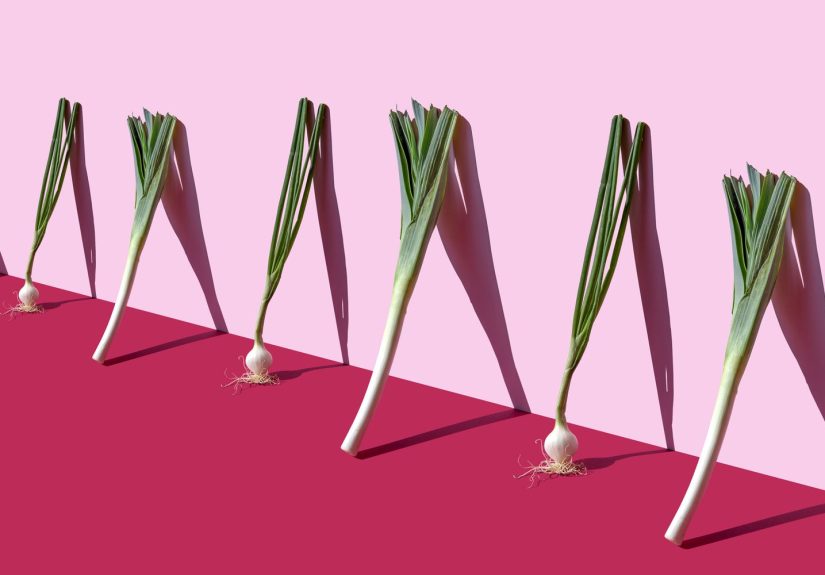
5. Leeks
Leeks are like onions’ mild, elegant cousin. They contain inulin and other fibers that support a healthy microbiome and offer vitamin K, folate, and antioxidants.
How to eat it: Use leeks in soups, frittatas, risottos, or sauté them as a base for sauces. Clean them welldirt likes to hide between the layers.
6. Asparagus
Asparagus contains prebiotic fructans and inulin along with fiber, vitamins, and antioxidants. It helps feed beneficial bacteria and may support metabolic and cardiovascular health.
How to eat it: Roast, grill, or sauté asparagus with olive oil and lemon. You can also shave it raw into salads for extra crunch and prebiotic power.
7. Dandelion Greens
Often dismissed as weeds, dandelion greens are rich in inulin and other fibers, plus vitamins A, C, and K. They may support digestion, gut bacteria balance, and healthy bile flow.
How to eat it: Use young leaves in salads (they’re slightly bitter, like arugula), or sauté older leaves with garlic and olive oil.
8. Bananas (Especially Slightly Green Ones)
Bananas contain resistant starch and inulin, particularly when they’re still a bit green. Resistant starch makes its way to the colon where it feeds beneficial microbes and helps produce SCFAs like butyrate, which support gut and metabolic health.
How to eat it: Enjoy a just-ripe or slightly underripe banana on its own, sliced over yogurt, or blended into smoothies.
9. Oats
Oats are high in beta-glucan and resistant starch, both of which have prebiotic effects. They’ve been linked with improved cholesterol, better blood sugar control, and increased levels of beneficial gut bacteria.
How to eat it: Make overnight oats, warm oatmeal, or blend oats into pancakes and muffins. For more resistant starch, cook and cool your oats before eating.
10. Apples
Apples (especially with the skin) contain pectin, a prebiotic fiber that feeds gut bacteria and can increase production of butyrate. Pectin may also help support healthy cholesterol and blood sugar levels.
How to eat it: Snack on whole apples, slice them into salads, or stew them gently with cinnamon as a simple dessert.
11. Barley
Barley is a whole grain rich in beta-glucan and other fibers that act as prebiotics. It’s associated with better blood sugar control, improved cholesterol, and a more diverse gut microbiome.
How to eat it: Use barley in soups, grain bowls, or as a side dish instead of rice. Pearl barley is more common, but hulled barley has more fiber.
12. Wheat Bran & High-Bran Cereals
Wheat bran is rich in insoluble fiber and contains prebiotic components, including certain fructans. High-bran cereals can deliver a meaningful amount of prebiotic fiberthough you’ll want to watch added sugar.
How to eat it: Sprinkle wheat bran over yogurt or blend it into baked goods. Choose cereals with minimal added sugar and simple ingredient lists.
13. Beans and Lentils (Legumes)
Legumes like black beans, chickpeas, lentils, and cowpeas contain resistant starch and galacto-oligosaccharides (GOS), both of which act as prebiotics. They’re also packed with protein, iron, and other nutrients.
How to eat it: Add beans to salads, soups, chilis, tacos, and grain bowls. Start with small portions if you’re not used to high-fiber foods, and rinse canned beans to reduce some gas-producing compounds.
14. Potatoes (Cooked, Then Cooled)
When potatoes are cooked and then cooled, some of their starch turns into resistant starch, which works as a prebiotic. This can help support beneficial bacteria and blood sugar control.
How to eat it: Make potato salad with olive oil and herbs, or cook potatoes ahead of time and reheat them gently. The resistant starch survives gentle reheating.
15. Rice (Cooked, Then Cooled)
Similar to potatoes, cooked and cooled rice develops resistant starch. While not a top-tier prebiotic food on its own, it can still contribute to your overall prebiotic intake.
How to eat it: Use cooled rice in sushi, rice salads, or leftover fried rice with lots of veggies.
16. Jicama
Jicama is a crunchy root vegetable that’s naturally high in inulin and water, yet relatively low in calories. It supports gut bacteria while delivering vitamin C and fiber.
How to eat it: Peel and slice jicama into sticks for snacking, add it to salads, or toss it with lime juice and chili powder.
17. Flaxseeds
Flaxseeds provide soluble and insoluble fibers, including some with prebiotic effects. They’re also rich in plant omega-3 fats (ALA) and lignans, compounds linked with heart and hormonal health.
How to eat it: Use ground flaxseeds (whole ones mostly pass through undigested) in smoothies, oatmeal, yogurt, or baked goods.
18. Cocoa (Unsweetened)
Good news for chocolate lovers: cocoa contains polyphenols and fibers with prebiotic effects. Research suggests cocoa can increase certain beneficial bacteria and support metabolic and cardiovascular health when consumed in moderation and not buried in sugar.
How to eat it: Stir unsweetened cocoa into smoothies, oatmeal, or yogurt, and sweeten lightly with fruit or a small amount of sweetener.
19. Seaweed
Seaweed provides unique fibers (like certain sulfated polysaccharides) that act as prebiotics, feeding gut microbes that aren’t necessarily supported by land-based plants. It’s also a source of minerals such as iodine.
How to eat it: Snack on roasted seaweed, add nori strips to bowls, or mix wakame into soups and salads.
20. Cabbage, Carrots, and Radishes
Cruciferous and root vegetables like cabbage, carrots, and radishes bring a mix of soluble and insoluble fibers plus phytochemicals that support gut health. While their prebiotic content is more modest compared with chicory or Jerusalem artichokes, they still help diversify your fiber intake and nourish the microbiome.
How to eat them: Make slaws, fermented cabbage (sauerkraut), roasted carrot sides, or crunchy radish salads. Bonus: fermentation turns cabbage into a probiotic and prebiotic combo.
How Much Prebiotic Fiber Do You Need?
There’s no single official “prebiotic RDA,” but many experts suggest aiming for at least a few grams of prebiotic fibers per day, alongside a total fiber intake of about 25–38 grams daily for most adults. Different prebiotic fibers (inulin, GOS, resistant starch, beta-glucan, pectin) feed different microbes, so variety really matters.
If your current fiber intake is low, jumping straight to high-prebiotic foods can cause bloating, gas, and “why did I do this to myself” moments. Increase slowly, drink enough water, and give your gut time to adapt.
Tips to Add More Prebiotic Foods Without Upsetting Your Gut
- Start low and go slow: Add one or two prebiotic foods at a time in small portions instead of overhauling your entire diet overnight.
- Spread them through the day: A little at breakfast, lunch, and dinner is easier on your gut than a giant fiber bomb at one meal.
- Pair prebiotics with probiotics: Combine prebiotic foods with yogurt, kefir, or fermented veggies to create synbiotic meals (pre + pro together).
- Drink water: Fiber works best when there’s enough fluid around. Dehydration plus high fiber = cranky gut.
- Listen to your body: Mild gas is normal as your microbiome adjusts. Severe pain, diarrhea, or persistent bloating is a sign to scale back and consider talking with a healthcare professional or dietitian.
500+ Words of Real-Life Experience & Practical Takeaways
Most people don’t wake up one day and think, “Today is the day I fall passionately in love with chicory root.” Realistically, building a gut-friendly, prebiotic-rich diet is a process of small tweaks, personal experiments, and a little trial-and-error.
One common pattern people notice when they start adding prebiotic foods is the “first week roller coaster.” At first, things can feel a bit… active. You might experience extra gas or more frequent trips to the bathroom. That’s not always a bad signit often means your gut bacteria are waking up and actually using the fiber you’re giving thembut it can be uncomfortable. The key is pacing.
For example, someone who’s used to a low-fiber diet might start by swapping sugary breakfast cereal for oatmeal with sliced banana and a spoonful of ground flaxseed. That single meal alone brings in multiple prebiotic fibers (beta-glucan from oats, resistant starch and inulin from bananas, and fiber from flax). If they make this change daily and drink enough water, their gut typically adapts over a week or two, and they may notice improvements like more regular bowel movements, less bloating after heavy meals, or even steadier energy levels in the morning.
Another real-world strategy that works well is the “one veggie upgrade.” Instead of redesigning every plate, people simply upgrade one component of a meal. Maybe it’s adding a handful of sautéed asparagus to dinner a few nights a week, or tossing chopped onions and garlic into almost every savory dish. Over time, these tiny add-ons accumulate into a consistent, meaningful prebiotic intakewithout feeling like a restrictive or complicated diet.
Some people find it helpful to associate prebiotic foods with routines they already enjoy. Coffee drinkers might experiment with a small amount of chicory-based coffee blends. Snackers can keep sliced apples, carrots, and jicama sticks ready in the fridge next to hummus or yogurt-based dips. Fans of comfort food might lean on beans in chili, lentil soups, or potato salads made with cooled potatoes and a lighter dressing. When prebiotic foods fit into your cravings and habits, you’re far more likely to keep them in the rotation.
It’s also common for people to notice changes beyond digestion. While research is still evolving, many individuals report that once their gut routine stabilizesmore fiber, more prebiotic foods, reasonably consistent mealsthey feel less “puffy,” sleep a bit better, or even have a more stable mood. That doesn’t mean prebiotics are magic or a cure-all, but your gut and brain are constantly communicating, and supporting your microbiome is one meaningful piece of overall well-being.
Of course, not every prebiotic food will be your friend. Some folks don’t tolerate large amounts of inulin-rich foods like chicory or Jerusalem artichokes, especially if they have IBS or are following a low-FODMAP plan. Others might find beans tricky unless they’re soaked, rinsed, or introduced gradually. The goal is not perfection, but pattern: a general, sustainable shift toward more plants, more fiber, and more diversity.
If you’re dealing with chronic digestive issues, inflammatory bowel disease, or other medical conditions, it’s wise to involve a registered dietitian or healthcare provider in your prebiotic experiments. They can help tailor choices and portion sizes to your needs, and make sure changes fit with any medications or specific dietary restrictions.
In the end, you don’t need to memorize Latin names of fibers or chase trendy powders. If your weekly grocery list consistently includes some combination of onions, garlic, oats, beans, asparagus, bananas, apples, and a few extra veggies and whole grains, you’re already feeding your microbiome in a powerful way. Pick a couple of these top 20 prebiotic foods, add them to your everyday meals, and let your gut bacteria handle the rest. They’re pretty good dinner guestsas long as you remember to feed them.