Table of Contents >> Show >> Hide
- #10 The Simpsons: Cartoon Lessons in the Heimlich
- #9 Grey’s Anatomy: Medical Drama, Real-World Early Detection
- #8 ER: A Brain Tumor Clue in Prime Time
- #7 Hollyoaks: Spotting Carbon Monoxide Poisoning
- #6 Save My Life: Boston Trauma – A Reality Check on “Indigestion”
- #5 SpongeBob SquarePants: A Kid-Sized Water Rescue
- #4 Holby City: A Suspicious Mole and a Second Chance
- #3 MythBusters: Escaping a Sinking Car
- #2 House, M.D.: Diagnosing Cobalt Poisoning
- #1 Good Morning America: A Mammogram Seen Around the World
- What These Life-Saving TV Shows Have in Common
- Experiences and Takeaways from TV Shows That Saved Lives
People love to say that television “rots your brain.” Sure, binge-watching five seasons in a weekend probably isn’t what your doctor ordered. But every so often, TV does the exact opposite of what the critics claim: it sharpens our awareness, teaches us life-saving skills, and even nudges us to see a doctor in time.
The shows below aren’t just fan favorites. Each one is tied to a real story in which someone’s life was saved because of something they saw on screen. From animated hijinks in The Simpsons to the emotional chaos of Grey’s Anatomy and the puzzle-box medicine of House, these TV shows helped regular people recognize choking, spot cancer, escape a sinking car, or take chest pain seriously.
Let’s count down the top 10 TV shows that saved lives and unpack what they did rightso the next time you’re “just watching TV,” you might secretly be training for an emergency.
#10 The Simpsons: Cartoon Lessons in the Heimlich
How a Joke Turned into a Lifesaving Move
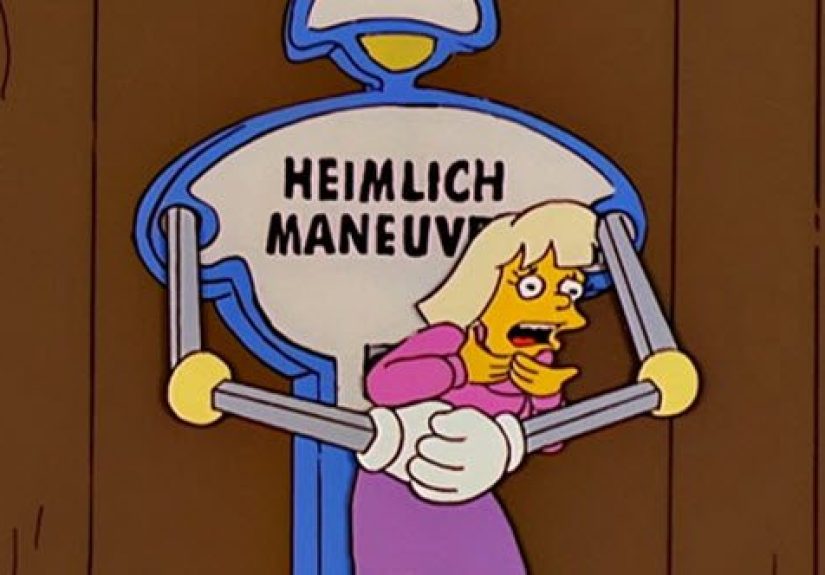
The Simpsons has been accused of many thingscorrupting youth, predicting the future, and inspiring way too many donut cravings. But it also quietly taught a crucial first aid skill. In one real-life case, a 10-year-old boy choked on a piece of food in his school cafeteria. His friend didn’t panic. Instead, he performed the Heimlich maneuver he’d seen in a classic episode where Homer chokes and a poster in the background demonstrates the technique.
The boy’s quick thinking dislodged the food and saved his friend’s life. No medical training, no certificationjust a mental screenshot from a cartoon that stuck around long enough to matter.
Why It Worked
Cartoons use exaggerated visuals, repetition, and humor, which actually make important details more memorable. You might not remember the exact steps from a dull health class, but a brightly colored joke about a choking Homer? That sticks. This is a recurring theme in life-saving TV shows: the more entertaining the scene, the easier it is to recall in a crisis.
#9 Grey’s Anatomy: Medical Drama, Real-World Early Detection
From Breastfeeding Storyline to Cancer Diagnosis
Grey’s Anatomy is famous for dramatic love triangles and operating room meltdowns, but sometimes the medical storylines hit home in a very literal way. One viewer noticed a persistent lump in her breast that her doctor had initially dismissed as related to breastfeeding. Months later, she watched a Grey’s Anatomy episode where a similar lump turned out to be cancer.
That storyline nagged at her. Instead of ignoring the symptom, she pushed for a second opinion and further testing. The result: a breast cancer diagnosis caught early enough for treatment, surgery, and recovery. She credited the show with giving her the nudge she needed to insist on answers.
CPR and Emergency Awareness
Other fans have reported learning CPR basics from the show’s countless resuscitation scenes. While TV CPR isn’t always medically perfect, it still introduced viewers to the idea that bystanders can act instead of standing frozen in panic. When you’ve seen that chest compressions matter, it’s easier to step forward in real life.
#8 ER: A Brain Tumor Clue in Prime Time
“Stick Out Your Tongue” – A Simple Test
Long before streaming binges, ER ruled Thursday nights. In one episode, Dr. Mark Greene is tested for a brain tumor. A neurologic exam includes a deceptively simple step: he sticks out his tongue, which drifts to one side, hinting at a serious problem.
A viewer at home, who had been dealing with migraines, forgetfulness, and odd symptoms, recognized herself in that scene. Curious, she stood in front of a mirror and stuck out her tongue. It pulled to one sidejust like on the show. That was unsettling enough to send her to the emergency room, where tests revealed a tumor that required treatment. Once again, a prime-time drama did what routine life had failed to do: it made her symptoms impossible to ignore.
#7 Hollyoaks: Spotting Carbon Monoxide Poisoning
A Soap Opera Plot with Deadly Real-World Parallels
The British soap Hollyoaks isn’t exactly a medical show, but one storyline centered on characters feeling dizzy, sleepy, and sick because of a carbon monoxide leak. Their symptoms built graduallyjust like they often do in real lifemaking it a quiet but terrifying scenario.
A fan watching at home had been dealing with similar headaches and nausea and hadn’t gotten any clear answers from her doctor. The show’s storyline clicked: what if the problem wasn’t “just stress” but something in her home? She called the gas company, who found a leak. Hospital tests later showed dangerously high carbon monoxide levels in her blood. According to doctors, waiting even another day could have been fatal.
In this case, TV didn’t teach a medical procedureit taught pattern recognition and suspicion. It whispered, “This could be serious,” when everyone else was shrugging.
#6 Save My Life: Boston Trauma – A Reality Check on “Indigestion”
Heartburn… Or Heart Attack?
Reality medical shows can be intense to watch, but they’re also packed with real warning signs. On Save My Life: Boston Trauma, one episode followed a man who thought his chest discomfort was just indigestionuntil doctors discovered he was having a heart attack and rushed him to surgery.
At home, another viewer with similar “indigestion” symptoms recognized himself in that patient. He’d been brushing it off with ginger ale and broth for days. After seeing the show, he finally went to the hospital. There, doctors confirmed he was in the middle of a heart attack and quickly intervened. He later credited the show, and the hospital team, with preventing a much bigger, potentially fatal event.
This is one of TV’s biggest life-saving strengths: it takes vague, easy-to-dismiss symptoms and shows you how wrong “I’m sure it’s nothing” can be.
#5 SpongeBob SquarePants: A Kid-Sized Water Rescue
When Cartoon Lifeguarding Becomes Real
It’s hard to imagine a show about a sponge who lives in a pineapple under the sea being responsible for real-world water safety, but here we are. In one documented case, a young boy saw another child struggling in deep water at a lake. Adults nearby were panicked and disoriented.
The boy remembered a SpongeBob SquarePants episode featuring a lifeguard-style rescue. He followed what he’d seen: securing the struggling child and swimming them toward safety instead of flailing around or grabbing in a way that would cause both to sink. It wasn’t textbook lifeguard training, but it was just structured enough to work. Both kids made it safely back to shore.
Why Even Silly Shows Matter
This story is a reminder that kids absorb far more from TV than jokes and catchphrases. Visual demonstrations of what to do in dangerdon’t just scream, help the person keep their head above water, and move steadily toward shorecan lodge in their brains and resurface at exactly the right moment.
#4 Holby City: A Suspicious Mole and a Second Chance
A Skin Cancer Storyline with Real Consequences
On hospital drama Holby City, a storyline about a character with a changing mole caught one viewer’s attention. On the show, that mole turns out to be melanomaskin cancer.
The viewer had a similar mole she’d been ignoring for years. After watching the episode, she finally booked a dermatology appointment. A biopsy revealed melanoma that needed surgical removal. Because she came in when she did, doctors were able to remove the cancer before it spread further.
It’s a textbook example of how TV shows can normalize the idea that “getting this checked” is not overreacting; it’s what smart people do.
#3 MythBusters: Escaping a Sinking Car
Replaying an Episode Underwater
MythBusters specialized in blowing things up in the name of science, but it also tackled serious survival myths. In one episode, they tested the best way to escape a car submerged in water. The takeaway: it’s often easier to get out after the pressure equalizes, rather than immediately fighting a stuck door.
Later, a mother driving with her infant slid off a roadway into a water-filled ditch. As cold water rushed in, panic could have taken over. Instead, she remembered that episode. She unbuckled her child, waited for the pressure to equalize, then opened the door and waded out, holding her baby above the water. Both survived without serious injury.
That’s a myth-busting experiment turned real-world rescue plan, executed under enormous stressall because she’d already thought through the scenario while watching TV.
#2 House, M.D.: Diagnosing Cobalt Poisoning
When a TV Mystery Solves a Real Medical Puzzle
House, M.D. built its reputation on impossible medical mysteries and a cranky genius doctor who solves them. Surprisingly, it didn’t stay confined to fiction. In one documented case, a German physician saw a patient with a bizarre cluster of symptoms: heart failure, hearing and vision loss, inflammation, and no obvious cause.
That doctor happened to be a House fan. He realized the patient’s symptoms resembled an episode in which the cause turned out to be cobalt poisoning from a deteriorating metal hip implant. His patient also had an artificial hip. When they checked his cobalt levels, they were thousands of times higher than normal.
Replacing the hip and removing the cobalt source allowed the patient’s heart function and many symptoms to improve. The doctor openly credited the show for helping him connect the dots. Most of us won’t be diagnosing rare metal toxicitybut this story proves that even experts sometimes get life-saving “aha!” moments from entertainment.
#1 Good Morning America: A Mammogram Seen Around the World
When a Live Screening Changes Everything
Morning TV is usually a mix of cooking segments and celebrity interviews, but one Good Morning America broadcast became something much more powerful. Anchor Amy Robach agreedhesitantlyto undergo a mammogram on live television to promote breast cancer screening.
The test wasn’t supposed to be anything more than a demonstration. Instead, it revealed she had breast cancer. Because it was caught early, treatmentincluding surgery and chemotherapywas started in time. Robach has spoken openly about the fact that saying “yes” to that on-air idea may have saved her life.
The Ripple Effect
The impact didn’t stop with her. Viewers who watched the segment later wrote to say they scheduled their own mammograms and caught cancers earlier than they otherwise might have. A simple TV segment turned into a chain reaction of screenings and early detectionsproof that awareness spread through a screen can absolutely change outcomes in the real world.
What These Life-Saving TV Shows Have in Common
1. They Make the Invisible Feel Urgent
Most of the time, the symptoms in these storiesheadaches, “indigestion,” a weird moleare easy to dismiss. TV dramatizes them. It zooms in, adds emotional stakes, and gives those subtle clues a spotlight. Viewers at home suddenly see their own situation in high definition and realize, “This might actually be serious.”
2. They Turn Knowledge into Mental Rehearsal
Seeing someone do CPR, perform the Heimlich maneuver, or escape a submerged car isn’t the same as taking a certified class, but it creates a mental rehearsal. When something similar happens in real life, you’re not starting from zeroyou’re pulling up a mental clip you’ve watched before. In emergencies, that’s often enough to get you acting instead of freezing.
3. They Normalize Speaking Up and Seeking Help
In every story above, there’s a moment when the person could have stayed quiet: never going back to the doctor, ignoring the chest pain, choosing to be “polite” instead of persistent. TV shows model the opposite. Characters insist on scans, tests, second opinions, and immediate interventions. That behavior is contagious. It gives viewers permission to be politely stubborn about their own health.
Experiences and Takeaways from TV Shows That Saved Lives
From Couch Potato to First Responder
One of the most striking patterns in these stories is how ordinary the heroes are. They’re not paramedics or surgeons. They’re kids at lunchtime, parents on the highway, or viewers who finally make that “I should see a doctor” appointment. Their only “training” is a memory: a cartoon Heimlich maneuver, a dramatized code blue, a reality show heart attack.
Think about how you watch TV today. When an emergency unfolds on screen, most of us react with, “Wow, that’s intense,” and then grab another snack. But for the people in these stories, something different happened: they mentally engaged with what they were seeing. They paid attention to the warning signs, the steps, the decisions, and filed them away. Later, in a moment of panic, that information resurfaced just in time.
It’s not about memorizing every line of medical dialogue. It’s about watching as if you might one day need to make a similar call. “If this happened around me, what would I do?” That simple question transforms you from a passive viewer into a potential first responder.
How to Watch TV a Little “Smarter”
No one is saying you have to turn every sitcom into a training filmbut being slightly more intentional can pay off in a big way. When you see a character having a heart attack, notice the early signs they ignored. When a show mentions the ABCs of CPR or how to perform the Heimlich, mentally walk through the steps. If a character gets diagnosed with something after subtle symptoms, ask yourself whether you’d recognize those in real life.
You can also treat TV as a conversation starter. If you watch an episode about breast cancer, stroke, depression, or addiction, talk about it with friends or family. Ask older relatives when they last had screenings. Ask your kids what they’d do if someone started choking at the dinner table. Those conversations may feel casual in the moment, but they plant seeds that can grow into life-saving decisions later on.
Balancing Entertainment with Real-Life Accuracy
Of course, TV gets things wrong, too. CPR is often portrayed as almost magically effective, when real-world survival rates are lower. Medical cases are wrapped up in 42 minutes. Emotional consequences are sometimes glossed over. That’s why it’s important to treat shows as prompts, not as final authority.
If something on TV worries youlike a symptom that looks familiaruse it as a reason to seek real information, not to self-diagnose. Look up trusted medical resources, talk to your doctor, or take a certified first aid or CPR course. The best combination is entertainment plus education: let TV spark your curiosity, then let real-world experts fill in the details.
Why These Stories Still Matter in the Streaming Era
We’re living in a time when you can fast-forward through commercials, skip intros, and watch entire seasons in one sitting. That might make TV feel more disposablebut it also means important scenes can travel farther and faster. Clips of a life-saving CPR lesson from The Office or a powerful cancer storyline from Grey’s Anatomy can spread across social media, reaching millions who never saw the original broadcast.
At the end of the day, the stories above show that TV isn’t just background noise. Under the jokes, the drama, and the over-the-top plot twists, there are moments that genuinely change how we see our bodies, our choices, and our responsibility to each other. When you pay attention, the “best episode ever” might not just be the funniest or most shocking oneit might be the one that someday helps you save a life.
Turning Viewers into Quiet Heroes
The next time someone dismisses your favorite show as a “guilty pleasure,” remember this list. A goofy cartoon, a daytime talk show, a soap opera, and a high-octane medical drama all ended up on the same honor roll: TV shows that saved lives.
You don’t need a cape, a badge, or a medical degree to be the hero in a crisis. Sometimes you just need to have been paying attention when the right episode played.