Table of Contents >> Show >> Hide
- What thimerosal is (and why it exists)
- Mercury: the word that makes everyone reach for the fainting couch
- So… is thimerosal safe in vaccines?
- If it’s safe, why did the U.S. remove it from most childhood vaccines?
- Where thimerosal shows up today
- Recent headlines: policy changes vs. scientific consensus
- What an “expert debunk” sounds like in plain English
- Practical guidance: what to do with this information
- FAQ: quick answers to common questions
- Conclusion: the villain isn’t the preservative
- Experience corner: what people actually experience around the thimerosal debate (and what helps)
Say the word “thimerosal” online and you’ll watch the internet do what it does best: turn a chemistry term into a
full-contact sport. Someone will yell “mercury!” Someone else will post a skull emoji. And somewhere, a spreadsheet
will be weaponized.
Here’s the calmer, evidence-based version: thimerosal is a preservative that has been used for decades in certain
multi-dose vaccine vials to prevent contamination. It contains a form of mercury called ethylmercury,
which behaves very differently in the body than the methylmercury you hear about in fish advisories.
Most routine childhood vaccines in the U.S. haven’t used thimerosal as a preservative since the early 2000s, and
today it shows up mainly (and even then, rarely) in some multi-dose influenza vaccines.
Let’s unpack what thimerosal is, why it was used, what the research actually shows, and why the claim
“it’s unsafe” keeps returning like a bad sequel nobody asked for.
What thimerosal is (and why it exists)
A preservative with a very unglamorous job
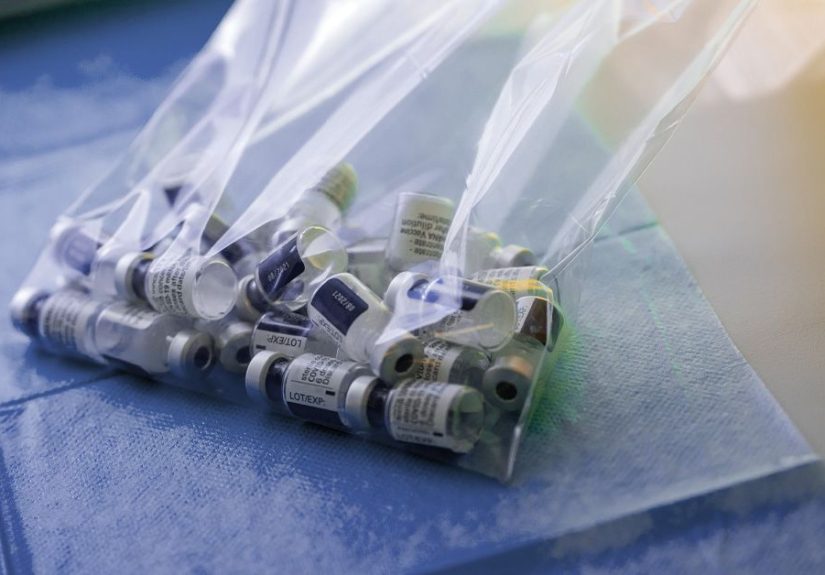
Thimerosal is added to some multi-dose vials to help stop bacteria and fungi from growing after a vial is accessed
multiple times. That might sound like a niche problemuntil you remember what happens when microbes get into
injectable products: contamination can cause severe reactions, serious illness, or worse. Preservatives exist because
“please don’t grow anything in here” is not a sterile technique.
In practice, this mattered most for multi-dose containersthink clinics, pharmacies, and vaccination
sites drawing multiple doses from a single vial. Single-dose syringes and prefilled devices are typically designed
to be used once, so they don’t need a preservative for repeated entries.
Mercury: the word that makes everyone reach for the fainting couch
Ethylmercury vs. methylmercury (one letter, big difference)
The controversy often starts with a true statement (thimerosal contains mercury) and then sprints into a false
conclusion (therefore it behaves like the mercury associated with environmental toxicity).
Thimerosal breaks down into ethylmercury. Most mercury warnings in everyday lifeespecially around
seafoodfocus on methylmercury. These aren’t interchangeable. A helpful way to think about it is the
classic chemistry “name twins” problem: ethanol is what’s in drinks; methanol is not your friend.
Similar names, dramatically different outcomes.
Ethylmercury is processed and cleared from the body more quickly than methylmercury, which is why it’s far less
likely to build up over time at the amounts used in vaccines. In other words: your body treats them differently,
and policy should too.
So… is thimerosal safe in vaccines?
What the evidence says (spoiler: it’s boringin the best way)
The scientific story here is not a cliffhanger. Multiple reviews and large studies have looked for links between
thimerosal-containing vaccines and neurodevelopmental problems, including autism. The overall conclusion has been
consistent: the evidence does not support a causal connection.
- Large-scale epidemiological reviews have favored rejecting a causal relationship between thimerosal-containing
vaccines and autism. - Public health agencies have repeatedly stated that, at the levels used in vaccines, no harm has been established
beyond minor local reactions (like redness or soreness). - Thimerosal’s role as a preservative is well-defined: it helps prevent microbial growth in multi-dose settings.
If you’re wondering why you keep hearing “mercury is a neurotoxin” as if that automatically ends the conversation:
dosage and form matter. Oxygen can be dangerous too (ask any fire). Science is rarely a one-word verdict.
The autism claim: why it doesn’t hold up
The thimerosal-autism narrative has two recurring moves:
(1) treat ethylmercury as identical to methylmercury, and (2) assume timing equals causation.
Both moves collapse under real-world data.
Researchers examined population trends, compared vaccinated vs. unvaccinated groups, and evaluated different exposure
levels. If thimerosal were a major driver, you’d expect signals that move with its use. Yet the body of evidence
doesn’t show a causal relationship.
Also crucial: some vaccines people blame in meme form never even contained thimerosal. In the U.S.,
MMR vaccines do not and never did contain thimerosal. So if someone is blaming “the MMR mercury,”
they’re arguing with a ghost.
If it’s safe, why did the U.S. remove it from most childhood vaccines?
The 1999 precautionary move (science + public concern + supply chains)
In July 1999, U.S. public health agencies and pediatric groups agreed thimerosal should be reduced or eliminated
from vaccines as a precautionary measurenot because there was evidence of harm at vaccine levels.
It was a “let’s minimize any theoretical exposure where feasible” decision while maintaining vaccination coverage.
The transition wasn’t instant. Vaccine manufacturing and distribution are not like swapping oat milk brands. But by
the early 2000s, routine pediatric vaccines in the U.S. were largely thimerosal-free as a preservative. The key
point: removal happened amid uncertainty and perception, not because a danger was demonstrated.
Where thimerosal shows up today
Mostly: some multi-dose flu vaccines
In the U.S., thimerosal is primarily used (when it’s used at all) in multi-dose influenza vaccine
vials. Many flu vaccines are available in single-dose or prefilled formats that do not contain a preservative.
Translation into real life: if you want to avoid it, you often canwithout drama, without conspiracy threads, and
without treating your pharmacist like they personally invented chemistry.
Common misconception: “It’s in all vaccines.”
It isn’t. Routine childhood vaccines have been thimerosal-free as a preservative in the U.S. for years. And some
vaccines frequently cited in debateslike MMRnever contained it in the first place.
Recent headlines: policy changes vs. scientific consensus
What changed in 2025and what didn’t
In 2025, U.S. policy discussions around thimerosal in influenza vaccines became headline material again. Some
recommendations and announcements emphasized moving toward single-dose, preservative-free flu vaccines.
Here’s the important distinction: policy can shift for many reasonspublic confidence, supply planning, preference
for single-dose formatswithout changing the underlying science. The accumulated evidence base about thimerosal’s
safety at vaccine levels didn’t suddenly evaporate.
Experts caution that removing multi-dose options can have tradeoffs: multi-dose vials can be useful in certain
settings where cost, storage, and logistics matter. The best public health choices are the ones that keep vaccines
both safe and accessible.
What an “expert debunk” sounds like in plain English
1) “Mercury” isn’t a single thing
The ingredient debate often treats “mercury” like one monolithic villain. In reality, forms of mercury differ, and
ethylmercury is not methylmercury. Risk discussions must match the actual compound and exposure pattern.
2) Multi-dose vials solve a real safety problem
Thimerosal’s job is to help prevent contamination in multi-dose containers. That is a real and documented concern in
injectable products. When the choice is “tiny, studied exposure” versus “risk of microbial contamination,” the math
is not hard.
3) The autism link doesn’t survive evidence
Independent reviews have favored rejecting a causal relationship between thimerosal-containing vaccines and autism.
The claim persists largely because it’s emotionally sticky, not because it’s scientifically strong.
Practical guidance: what to do with this information
If you prefer thimerosal-free vaccines
- Ask for a single-dose flu shot or prefilled syringe option.
- Check official vaccine information materials at the point of care (clinics and pharmacies can provide them).
- If you’re pregnant or vaccinating a child, ask about product options. In many places, preservative-free choices are
widely available.
If your worry is “mercury exposure” broadly
If you’re thinking about mercury risk in everyday life, the bigger conversation is usually methylmercury from certain
fishexactly why there are targeted dietary advisories. Vaccine-related ethylmercury exposure (where it exists) is
a different profile entirely.
And if the worry is really “how do I know what to trust,” here’s a useful filter: look for claims supported by
large, independent studies and sustained reviews, not single anecdotes or viral posts that rely on fear as the main
citation.
FAQ: quick answers to common questions
Does ethylmercury from thimerosal build up in the body?
Available pharmacokinetic data indicate ethylmercury is cleared more quickly than methylmercury and does not
accumulate the same way at vaccine-relevant exposures. Some reviews note blood levels returning to baseline within
weeks after vaccination.
Can thimerosal cause side effects?
The most commonly noted issues are mild local reactions, like redness or swelling at the injection site. Serious
reactions are uncommon; if you have a history of severe allergies, discuss it with your clinician like you would
for any medication or vaccine.
Is thimerosal in the MMR vaccine?
No. In the U.S., MMR vaccines do not and never did contain thimerosal.
Conclusion: the villain isn’t the preservative
Thimerosal is one of those science topics where the facts are less exciting than the rumorsand that’s a good sign.
The best available evidence does not show that thimerosal in vaccines causes autism or neurologic harm at the levels
used. Its purpose is practical: reduce contamination risk in multi-dose containers. And in the U.S., it hasn’t been
part of routine childhood vaccines as a preservative for a long time.
If you want a thimerosal-free option, you can often choose one. But if the goal is safety, the bigger win is still
the same: getting vaccinated against diseases that do real damage, in the real world, with zero interest in your
social media debates.
Experience corner: what people actually experience around the thimerosal debate (and what helps)
The thimerosal conversation isn’t just scienceit’s a recurring human experience, especially during flu season when
people are juggling schedules, school rules, family group chats, and that one friend who sends “important threads”
at 1:00 a.m.
One common experience plays out at the pharmacy counter: a person comes in ready for a flu shot and suddenly pauses
like they’ve just remembered a half-finished internet argument. “Does this one have thimerosal?” they ask, often
quietly, like it’s a password. Pharmacists and nurses usually respond with calm practicality: “Most are
preservative-free; if you prefer that, we can use a single-dose syringe.” The relief is visible. Not because the
science changed in that momentbut because the conversation became normal and solvable.
Another frequent scenario happens in parenting spaces (online and off): someone posts a screenshot about “mercury in
vaccines,” and the comments section becomes a chaotic potluck of fear, sarcasm, and heartfelt confusion. The most
helpful replies tend to do three things: clarify that ethylmercury isn’t the same as methylmercury, point out that
routine childhood vaccines haven’t used thimerosal as a preservative for years, and gently remind everyone that MMR
never contained it. When that information arrives with empathyrather than dunkingpeople are more likely to listen.
Nobody becomes more pro-science because they got roasted in public.
In rural and high-throughput clinics, the “experience” is often logistical. Multi-dose vials can be efficient and
reduce waste. Staff care about access: how many people can we vaccinate today with the supply we have? When policies
shift toward single-dose only, clinics may need different ordering patterns, storage space, and budgets. The people
doing the work aren’t debating chemistry for sport; they’re trying to keep vaccination simple and available for the
community. In those settings, a good public explanation matters: people deserve to know the difference between
“we’re standardizing supply” and “we discovered a hidden hazard.”
Travelers have their own version of the thimerosal moment: a pre-trip clinic visit with a tight timeline. They don’t
want a debate; they want reassurance and a shot. Clear messaging helps here too: if a product is preservative-free,
say so; if a multi-dose vial is used, explain why preservatives exist and what the evidence shows. The goal is to
reduce anxiety while keeping the focus on preventing illnessespecially when travel can expose people to pathogens
their immune systems haven’t practiced against.
Finally, there’s the “family table experience,” where an uncle says “I heard they put mercury in shots,” and someone
else says “Well, I heard the opposite,” and dessert is suddenly an epidemiology seminar. The best move isn’t a ten-minute
monologue. It’s a calm, repeatable line: “Thimerosal is an old preservative used mainly in some multi-dose flu shots.
It’s ethylmercury, not the fish kind. Large reviews don’t show it causes autism. If you want preservative-free, you
can ask for single-dose.” Short, factual, and emotionally low-temperaturelike a good refrigerator should be.
If there’s one consistent lesson from these experiences, it’s this: trust grows when science is paired with clarity,
options, and respect. People don’t need to be scared into good decisions. They need straightforward information and
a healthcare system that makes the safer choice the easier choice. Luckily, for most people getting vaccinated today,
it already is.