Table of Contents >> Show >> Hide
- What Exactly Is a Spaghett?
- Why the Spaghett Took Off
- How It Compares to a Classic Aperol Spritz
- How to Make a Spaghett at Home
- The Best Beer, Bitter Liqueur, and Citrus Choices
- What Foods Pair Best with a Spaghett?
- Common Mistakes That Ruin the Magic
- Easy Variations Worth Trying
- Is the Spaghett Just a Trend?
- Final Pour
- of Real-World Spaghett Experience
- SEO Tags
If the Aperol Spritz is the polished European cousin who arrives in linen and sunglasses, the Spaghett is the funny American relative who shows up with a cooler, a grin, and absolutely no interest in being formal. And yet, somehow, this laid-back beer cocktail has become one of the most talked-about warm-weather drinks around. It is bright, fizzy, lightly bitter, low-key charming, and just weird enough to make people ask, “Wait, what’s in that?” before immediately wanting one of their own.
At its core, the Spaghett is a scrappy twist on the classic spritz formula. Instead of Prosecco, it uses a crisp light lager. Instead of a stemmed wine glass, it often stays right in the bottle. And instead of feeling precious, it feels like summer took off its shoes. The result is a cocktail that lands somewhere between a dive-bar beer, an aperitivo hour favorite, and a genius little hack you wish you had discovered years ago.
That mash-up appeal is exactly why the drink keeps popping up on menus, social feeds, and backyard tables. The Spaghett offers the same sweet-bitter sparkle people love in an Aperol Spritz, but it does it in a more casual, more affordable, and frankly more hilarious package. It is proof that not every trendy drink needs a smoked garnish, hand-carved ice, or a backstory involving a mountaintop monastery. Sometimes all you need is a bottle of beer, a splash of Aperol, some lemon juice, and the courage to trust the chaos.
What Exactly Is a Spaghett?
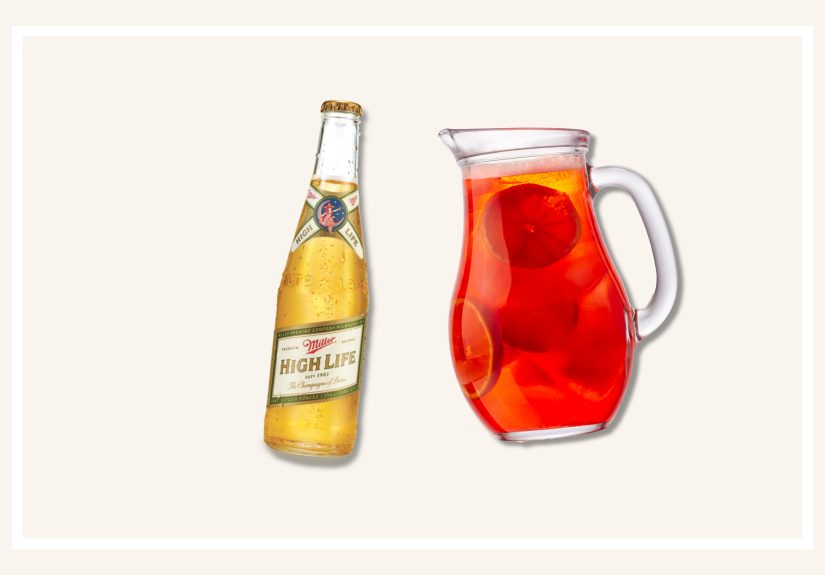
The Spaghett is a beer-based spritz made with a light lager, usually Miller High Life, plus Aperol and fresh lemon juice. Most versions are built directly in the bottle: take a sip or pour off a little beer, add the Aperol and lemon, gently swirl, and you are in business. No shaker. No fancy tools. No bartender mustache required.
The drink is often described as an ironic or lowbrow riff on the Aperol Spritz, and that description is both accurate and a big part of its charm. A classic Aperol Spritz leans on Prosecco, soda water, ice, and orange garnish for that breezy Italian piazza energy. The Spaghett takes the same bittersweet spirit and swaps in an American lager, creating something more playful, more relaxed, and a little more rebellious. It is spritz culture with dirt under its nails.
Flavor-wise, it works better than it sounds. The beer brings crisp carbonation and an easy-drinking backbone. Aperol layers in orange peel, herbal bitterness, and a hint of sweetness. Lemon sharpens everything and keeps the drink from feeling flat. The overall effect is refreshing but not boring, bitter but not punishing, and light enough to sip over a long afternoon without immediately needing a nap and a life review.
Why the Spaghett Took Off
It tastes familiar, but different enough to feel new
The Spaghett succeeds because it hits a flavor profile Americans already understand. People know and like the Aperol Spritz. They also know and like easy-drinking lager. Put those worlds together and the result feels surprising without feeling intimidating. It is novel, but not “explain this to me with a chart” novel.
It is a spritz without the ceremony
Some cocktails ask for glassware, garnish strategy, exact ratios, and a mood board. The Spaghett asks for a bottle opener and decent judgment. That simplicity makes it wildly appealing for parties, beach trips, cookouts, tailgates, and random “it’s too hot to think” evenings on the porch. You do not need to be a cocktail person to make one. You just need to be open-minded and thirsty.
It feels timely
The drink also fits the broader shift toward casual, low-effort, lower-ABV sipping. People want drinks that feel social and special, but not exhausting. The Spaghett is unfussy, affordable, and easy to replicate at home. In an era when some cocktails cost as much as lunch, a spritz built from supermarket ingredients starts to look less like a novelty and more like common sense wearing orange.
How It Compares to a Classic Aperol Spritz
Think of the Spaghett as the Aperol Spritz’s cooler cousin. Both are bubbly, citrusy, and rooted in that sweet-bitter aperitivo profile. Both are designed for warm weather, snacks, and casual conversation that somehow turns into a three-hour hang. But the vibe is different.
An Aperol Spritz is brighter, rounder, and wine-forward. The bubbles feel elegant. The orange garnish signals leisure. The whole thing practically demands sunlit patio furniture. The Spaghett, by contrast, is leaner and more beer-like. It has a touch more grainy crispness, a more direct refreshment factor, and a slightly cheekier personality. It feels less like “I booked a table” and more like “I brought enough for everybody.”
That is not a downgrade. It is the whole appeal. The Spaghett makes the spritz format more democratic. It swaps expense for ease, polish for personality, and Prosecco for a bottle of the “Champagne of Beers.” The joke is obvious, but the flavor payoff is real.
How to Make a Spaghett at Home
Basic ingredients
- 1 cold 12-ounce bottle of light lager, traditionally Miller High Life
- 3/4 to 1 ounce Aperol
- 1/2 to 3/4 ounce fresh lemon juice
- Lemon wedge, optional
Simple method
- Take a sip or pour off a little beer to create room in the bottle.
- Add the Aperol.
- Add the lemon juice.
- Gently swirl once or twice.
- Drink it cold, ideally somewhere with sunlight and potato chips nearby.
If you are using canned beer, just pour it into a glass and build the drink there. If you are serving a group, line up chilled bottles, a jigger, and a bowl of lemon wedges, then let people make their own. It becomes interactive, which is a polite way of saying everyone gets to feel like a genius for ten seconds.
The Best Beer, Bitter Liqueur, and Citrus Choices
Beer
Miller High Life is the traditional choice for a reason. It is bubbly, mild, and crisp enough to let the Aperol shine without getting lost. But the larger point is to use a light, uncomplicated lager. This is not the time for a triple dry-hopped IPA that tastes like a grapefruit arm-wrestled a pine tree. The Spaghett works best when the beer is clean, cold, and unpretentious.
Liqueur
Aperol is the default because its orange-forward bitterness keeps the drink approachable. If you want a more serious edge, Campari can step in. That version is more bitter, more assertive, and less porch-giggly. Some drinkers also experiment with other amari, which can add spice, citrus peel, or darker herbal notes. That said, the best version for most people is still the simple one. The Spaghett is not trying to become a dissertation.
Citrus
Fresh lemon juice is classic because it sharpens the sweetness and makes the whole drink taste brighter. Lime can work too, especially if you like a snappier finish. Grapefruit is a fun variation if you want more bitterness and a broader citrus aroma. The main rule is not to overdo it. This is a beer spritz, not a full citrus intervention.
What Foods Pair Best with a Spaghett?
The beauty of the Spaghett is that it plays well with salty, crunchy, fried, cheesy, and picnic-style foods. In other words, it is extremely talented at hanging out.
Potato chips are an obvious win. So are olives, marinated artichokes, pretzels, fries, and roasted nuts. If you want something more substantial, think pizza, fried chicken sandwiches, grilled shrimp, hot dogs, burgers, or a tomato-y pasta salad. The drink’s bitterness cuts through richness, while the bubbles keep everything feeling lighter than it should.
It is also surprisingly good with snack-board foods. Salami, provolone, pickled peppers, lemony hummus, grilled vegetables, and even popcorn all work. The drink has enough citrus and bitterness to refresh the palate, but not so much intensity that it bulldozes the food. It is a team player. A chaotic one, yes, but still a team player.
Common Mistakes That Ruin the Magic
Using warm ingredients
This drink needs to be cold. Very cold. Since it is often served without ice, temperature matters more than people think. Warm beer plus room-temperature Aperol equals instant disappointment.
Picking an overly flavorful beer
The Spaghett is a minimalist drink. If the beer is too bitter, too malty, too sour, or too fancy, the balance falls apart. Choose a mild lager and let the Aperol do the peacocking.
Adding too much citrus
Lemon juice makes the drink sing. Too much lemon juice makes it yell. Start small, taste, and adjust.
Trying to make it too elegant
Yes, you can pour it into a wine glass with ice and a garnish. But part of the fun is the built-in-the-bottle charm. Over-styling a Spaghett is a bit like putting cufflinks on a beach towel.
Easy Variations Worth Trying
The bitter version
Swap Aperol for Campari if you want more bite and a more grown-up bitterness. This leans closer to Negroni territory, but still keeps the drink light and fizzy.
The citrus-forward version
Use grapefruit juice instead of lemon for a fuller, sunnier, more bitter-citrus finish. It is excellent with salty snacks and grilled seafood.
The alcohol-light version
If you are trying to keep things gentler, use a nonalcoholic lager and a smaller pour of aperitivo, or try one of the newer spirit-free bitter sodas with NA beer. You still get the spritz-like refreshment and the visual fun, minus some of the punch.
The party version
For a crowd, build a pitcher with light lager, Aperol, and lemon juice, then pour into chilled glasses. Purists may clutch their bottle necks, but practicality wins when 12 people are asking for refills at once.
Is the Spaghett Just a Trend?
Maybe. But that does not really matter. Plenty of drinks go viral because they look good online and taste like a dare. The Spaghett has stuck around because it is actually delicious. It taps into nostalgia, affordability, bartender credibility, summer ease, and the eternal human desire to discover that something slightly goofy is secretly excellent.
That staying power matters. Drinks with real legs usually solve a problem. The Spaghett solves several. It gives Aperol fans a cheaper option. It gives beer drinkers a gateway into aperitivo flavors. It gives hosts a no-fuss cocktail. And it gives everybody else a talking point that does not require learning obscure vermouth brands.
Final Pour
The Spaghett is the kind of drink that sounds like a joke the first time you hear about it and a brilliant idea the first time you taste it. That is rare. It manages to be trendy without feeling try-hard, bitter without being severe, and cheap without tasting cheap. In a world crowded with overwrought cocktails and social media stunts, the Spaghett wins by doing less and enjoying itself more.
So yes, the surprising spritz everyone is talking about really does deserve the attention. It is bright, breezy, a little mischievous, and weirdly elegant in its own dive-bar way. Whether you are an Aperol loyalist, a lager person, or just someone who respects a drink that knows how to have a good time, the Spaghett is worth making at least once. Odds are, once will not be the end of it.
of Real-World Spaghett Experience
The first thing people notice about a Spaghett is not usually the flavor. It is the color. A Miller High Life bottle suddenly glowing orange has a way of stopping conversation for a second. Somebody squints. Somebody laughs. Somebody says, “What on earth is that?” That reaction is part of the fun. The drink arrives with built-in curiosity, which already gives it an advantage over more familiar summer cocktails. Nobody interrogates a vodka soda. A Spaghett, on the other hand, enters the chat.
The second thing people notice is that it drinks dangerously easily. Not “text your ex and buy concert tickets” dangerous. More like “I was planning to have one, and now I’m wondering if there are enough lemons for round two” dangerous. The lager keeps it crisp, the Aperol adds just enough bittersweet complexity, and the citrus makes the whole thing feel like summer air somehow learned carbonation. It does not sit heavily. It does not demand attention. It just keeps making itself useful.
That is why the Spaghett works so well in everyday settings. At a cookout, it feels more interesting than just handing everyone a beer, but far less labor-intensive than playing full bartender while the burgers burn. At the beach, it feels festive without becoming a sand-in-the-coupe-glass situation. At a tailgate, it has enough personality to stand out without veering into cocktail-snob theater. In each case, the drink feels like a good idea that respects your time.
It also has a social advantage. The Spaghett is incredibly easy to talk about because it is easy to understand. “It’s basically a beer-based Aperol Spritz” is enough for most people to get the concept immediately. That makes it a great bridge drink for mixed crowds. Beer people do not feel alienated. Cocktail people do not feel bored. Even the person who usually orders whatever is pink and comes with fruit can usually be persuaded after one sip.
Another real-world bonus is that the Spaghett creates very little hosting stress. You do not need to crush ice, pre-batch syrup, or worry about whether somebody can taste the subtle cardamom in your house-made cordial. You chill the beer, open the Aperol, cut a few lemons, and suddenly you look like the kind of person who has your life together. This is one of the drink’s great tricks. It gives “I planned something fun” energy while requiring almost no performance.
Then there is the mood. A Spaghett does not feel serious, and that is exactly what makes it memorable. It belongs to the category of drinks that loosen the room a little. People smile when they say the name. They grin when they see the bottle. They feel mildly clever for drinking it. In an era when many food and drink trends can feel expensive, exhausting, or a little too polished for comfort, the Spaghett is a welcome reminder that pleasure does not always need polish. Sometimes the best summer drink is the one that makes everyone laugh first and then ask for the recipe.