Table of Contents >> Show >> Hide
If the kitchen is the heart of the home, the countertop is the overworked personal assistant that keeps the whole operation from falling apart. It holds your coffee, your cutting board, your mail pile, your “I’ll put this away later” blender, and occasionally your emotional support takeout container. So yeschoosing the right countertop material matters.
The good news? You have options. The slightly less-good news? You have a lot of options, and every material comes with trade-offs. Some are beautiful but high-maintenance. Some are budget-friendly but not exactly invincible. Some can handle heat like a champ but will throw a tantrum over lemon juice.
This guide breaks down the pros and cons of common kitchen countertop materials in plain American English, with real-world considerations for durability, maintenance, cost, style, and daily use. By the end, you’ll know which countertop fits your kitchenand your lifestylewithout needing a design degree or a dramatic showdown in a stone showroom.
What to Compare Before You Fall in Love With a Countertop
Before we get into specific materials, let’s talk about the criteria that actually matter. A countertop can look stunning in a showroom and still be a terrible match for your house if you cook daily, have kids, or treat hot pans like they’re exempt from the laws of physics.
1) Durability
How well does it resist scratches, chips, cracks, and general “life happens” moments? If your kitchen sees heavy use, durability should be near the top of your list.
2) Maintenance
Some surfaces are low-fuss and just need wiping. Others need periodic sealing, special cleaners, or gentle handling around acids, oils, and heat. Be honest about your cleaning habits. If you’re a “wipe now, deep-clean never” person, choose accordingly.
3) Heat and Stain Resistance
Heat resistance and stain resistance are not the same thing. A countertop that laughs at a hot pan may still stain from red wine. Another may resist stains but dislike direct heat. Read the fine print, not just the marketing headline.
4) Cost and Installation
Material price is only part of the story. Fabrication, cutouts, edge profiles, seams, and installation can significantly change your final budget. A “cheap” material can become less cheap once the extras pile up.
5) Style and Resale Appeal
Countertops are visual anchors. Pick something that works with your cabinets, flooring, and lifestyle nowbut also something you won’t hate in five years. Trendy is fun. Timeless is also fun, especially when you’re the one paying.
Pros and Cons of Common Kitchen Countertop Materials
Quartz (Engineered Stone)
Best for: Busy households that want a polished look with relatively low maintenance.
Pros:
- Nonporous surface that resists staining better than many natural stones.
- No sealing required in normal use.
- Available in a huge range of colors and patterns, including marble-look designs.
- Generally easy to clean with mild soap and water.
- Consistent appearance (great if you want predictability).
Cons:
- Can be expensive, especially premium designs and jumbo slabs.
- Resin content means direct heat from hot pans can discolor or damage the surfaceuse trivets.
- Heavy; professional installation is usually a must.
- Some products may fade or discolor in prolonged direct sunlight (important for sunny kitchens or outdoor use).
Bottom line: Quartz is a favorite for a reason. It gives you the upscale look of stone without the sealing routine, but it is not “indestructible superhero rock.” Treat it well and it performs beautifully.
Granite
Best for: Homeowners who want natural stone character and strong heat resistance.
Pros:
- Natural beautyevery slab is unique.
- Excellent heat resistance for everyday kitchen use.
- Good scratch resistance.
- Long lifespan and strong resale appeal in many markets.
- Wide range of colors, speckles, and movement patterns.
Cons:
- Porous to varying degrees, so some granite benefits from sealing.
- Can stain if spills sit too long, especially oils and strongly pigmented liquids.
- Very heavy and not DIY-friendly for most kitchens.
- Seams are often unavoidable on large layouts.
- Some slabs can include natural fissures or variation that buyers either love… or absolutely do not.
Bottom line: Granite remains a workhorse. If you like natural variation and don’t mind occasional maintenance, granite is a durable, classic option with strong kitchen credibility.
Marble
Best for: People who prioritize timeless beauty and don’t mind maintenance.
Pros:
- Classic, luxurious appearance with distinctive veining.
- Naturally cool surface (nice for baking and pastry prep).
- Can increase visual value and make a kitchen feel high-end.
- Ages with character if you appreciate a lived-in patina.
Cons:
- Prone to etching from acidic foods and liquids (lemon, vinegar, wine, tomato sauce).
- Can scratch and stain more easily than many alternatives.
- Usually needs sealing and careful maintenance.
- Often expensive, plus installation costs can be high.
- Not ideal for perfectionists who want a flawless surface forever.
Bottom line: Marble is gorgeous, but it is a relationship, not a fling. If you want pristine counters with zero fuss, marble may frustrate you. If you love natural patina and elegance, it can be worth every extra wipe and trivet.
Laminate
Best for: Budget-conscious remodels, rentals, starter homes, and style refreshes.
Pros:
- Affordable compared with stone and many composites.
- Huge design variety, including convincing stone and wood looks.
- Lightweight and more DIY-friendly than slab stone.
- Easy everyday cleaning.
- Great option when budget needs to stretch across cabinets, flooring, and appliances too.
Cons:
- More vulnerable to scratching, chipping, and heat damage.
- Water intrusion at seams can swell the substrate if not properly maintained.
- Harder to repair invisibly than some materials.
- May not offer the same resale impact as quartz or natural stone in some markets.
Bottom line: Modern laminate is much better than its outdated reputation suggests. It’s not luxury armor plating, but it can look great and perform well when installed and cared for correctly.
Butcher Block (Wood Countertops)
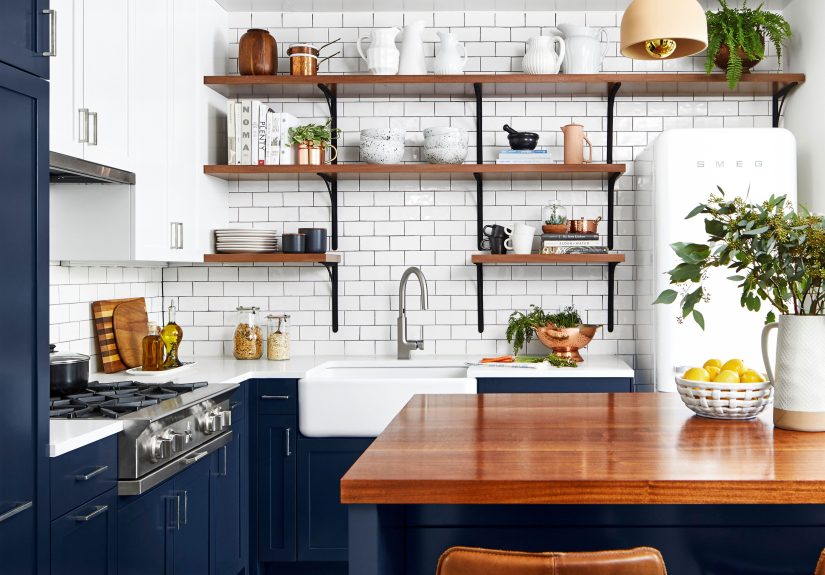
Best for: Warm, cozy kitchens and homeowners who like a natural, softer look.
Pros:
- Adds warmth, texture, and a welcoming feel that stone can’t replicate.
- Can often be sanded and refinished if scratched or stained.
- Works beautifully for islands or mixed-material kitchens.
- Generally quieter and gentler on dishes than stone.
- Can be a more affordable option depending on wood species and thickness.
Cons:
- Requires regular sealing or oiling to reduce moisture absorption and staining.
- Can scratch, dent, or scorch more easily than stone surfaces.
- Water around sinks is a common trouble zone.
- Wood movement (expansion/contraction) requires proper installation.
- Maintenance varies depending on whether the surface is oiled, sealed, or used for direct food prep.
Bottom line: Butcher block can be stunning and practical, especially on islands. Just know that wood asks for ongoing care. If you want “wipe and walk away,” choose something else.
Solid Surface (e.g., Corian-style)
Best for: Homeowners who want a seamless look and repairable surface.
Pros:
- Nonporous and easy to clean.
- Seamless appearance is possible, including integrated sinks.
- Minor scratches and blemishes can often be sanded or repaired.
- Wide range of colors and patterns.
- Comfortable, smooth feel for everyday use.
Cons:
- Can scratch more easily than quartz, granite, or porcelain.
- Not highly heat resistanthot cookware can damage or scorch the surface.
- May look less premium than natural stone to some buyers.
- Darker colors may show scratches and wear more readily.
Bottom line: Solid surface is underrated for practical kitchens, especially if you like seamless design and repairability. It’s a smart middle ground, but heat protection is non-negotiable.
Soapstone
Best for: People who want natural stone with a softer, matte, old-world vibe.
Pros:
- Naturally nonporous and generally resistant to staining.
- Excellent heat resistance.
- Does not require sealing in the same way many stones do.
- Develops a rich patina over time (which many homeowners love).
- Distinctive look that stands out from granite and quartz.
Cons:
- Softer than granite; can scratch or dent.
- Color palette is more limited (often gray/blue/green tones).
- Mineral oil treatments are commonly used to deepen color and even out appearance.
- May be harder to find than mainstream options.
Bottom line: Soapstone is like that effortlessly cool person who doesn’t try too hard. It’s durable where it counts, but it will show character. If you want perfect uniformity, keep shopping.
Concrete
Best for: Custom kitchens, industrial styles, and homeowners who want a one-of-a-kind look.
Pros:
- Highly customizable in shape, color, edge detail, and finish.
- Can be cast for unique layouts and integrated features.
- Strong visual statement for modern or industrial kitchens.
- Heat resistant as a material (though sealers/topcoats still need care).
Cons:
- Can crack over time due to movement or installation issues.
- Typically needs sealing and ongoing maintenance.
- Can stain if sealer fails or wears down.
- Heavy and specializedinstallation quality matters a lot.
- Often more expensive than people expect once fabrication and finishing are included.
Bottom line: Concrete is beautiful when done well and stressful when done badly. It’s a design-forward choice, not a low-maintenance one.
Tile Countertops
Best for: Budget remodels, DIY projects, and vintage/cottage styles.
Pros:
- Relatively affordable and flexible for DIY installation.
- Wide range of colors, sizes, and patterns.
- Individual damaged tiles can sometimes be replaced.
- Works well for eclectic, retro, or handmade aesthetics.
Cons:
- Grout lines can stain, trap grime, and require maintenance.
- Uneven surface can be annoying for rolling dough or sliding small appliances.
- Tiles can chip or crack.
- Often considered less desirable than slab surfaces in resale comparisons.
Bottom line: Tile can absolutely work, especially in the right style of home. Just be sure you truly like grout, because grout will become part of your personality.
Stainless Steel
Best for: Serious cooks, modern kitchens, and households obsessed with easy sanitation.
Pros:
- Excellent heat resistance and moisture resistance.
- Nonporous and easy to clean.
- Professional-kitchen look and high hygiene appeal.
- Very durable in active cooking environments.
Cons:
- Shows fingerprints, smudges, and water spots quickly.
- Can scratch and dent, especially in high-use homes.
- Industrial appearance may feel too cold for some design styles.
- Can be noisy when setting down cookware.
Bottom line: Stainless steel is for people who cook like a show is being filmed. It’s practical, clean, and toughbut visually it’s a specific vibe.
Porcelain Slab (Sintered/Porcelain Surfaces)
Best for: Modern kitchens, indoor-outdoor applications, and homeowners who want a sleek slab look.
Pros:
- Strong resistance to heat, UV exposure, and staining in many applications.
- Large-format slabs create a clean, modern aesthetic.
- Can mimic marble, concrete, or stone looks.
- Useful for matching backsplashes and wall cladding.
Cons:
- Edges and corners can chip if poorly handled or installed.
- Fabrication and installation require skilled pros and specialized tools.
- Pricing varies widely and can become premium fast.
- Availability depends on your market and installer network.
Bottom line: Porcelain slab is a strong contender for contemporary kitchens, but installer quality is everything. This is not the place to let your cousin “who’s handy” learn on the job.
How to Choose the Right Countertop for Your Lifestyle
If You Cook Every Day
Prioritize durability and easy cleanup. Quartz, granite, stainless steel, and some porcelain surfaces are usually strong choices. Marble can work, but only if you accept visible wear as part of the charm.
If You Want Low Maintenance
Quartz and solid surface are usually the easiest to live with. Laminate is also low-fuss for everyday cleaning, though it needs more care around heat and seam moisture.
If You Love a Warm, Natural Look
Butcher block or soapstone can be fantastic. They bring character, texture, and personalitybut they will show life over time. That’s a feature, not a bug, if you choose them for the right reasons.
If Budget Is the Boss
Laminate and tile often offer the most value upfront. But remember to compare total installed cost, not just the slab or material sticker price.
If Resale Matters
Quartz and granite tend to be safe crowd-pleasers. That said, a well-designed kitchen with a sensible countertop often beats a trendy material installed poorly.
Common Mistakes to Avoid
- Buying based on looks alone: Your kitchen is a workspace, not just a photo backdrop.
- Ignoring maintenance requirements: If you won’t reseal it, don’t buy it.
- Assuming “heat resistant” means “hot pan proof forever”: Use trivets anyway.
- Skipping installer vetting: Great material + bad install = expensive regret.
- Not testing samples at home: Showroom lighting lies. Your kitchen lighting tells the truth.
Experience-Based Stories and Lessons From Real Kitchen Countertop Decisions (Added 500+ Words)
The most useful countertop advice often comes from what happens after installationwhen the kitchen is no longer a showroom and starts acting like a kitchen. The examples below are composite, real-world style scenarios based on common homeowner experiences and contractor feedback patterns. In other words: what people wish they had known before placing the order.
Experience #1: The “We Chose Marble Because It Was Gorgeous” Kitchen
A couple renovating a 1920s home chose marble for their perimeter countertops because it matched the age and style of the house perfectly. At first, they were thrilled. The veining looked incredible, guests complimented it constantly, and the kitchen instantly felt custom and high-end.
Then came real life: pasta sauce nights, lemon-heavy salad dressings, and a teenager who believed wiping up spills was “basically optional.” Within months, the marble had a few etched spots near the prep area. At first this felt like a disaster. But after rethinking expectations, they leaned into it. They added large cutting boards, used trays in high-risk zones, and treated the changing surface as a patina rather than damage.
Lesson: Marble can be a joy if you buy it for beauty and characternot for perfection.
Experience #2: The “Quartz Solved 90% of Our Problems” Upgrade
A family replacing old laminate wanted something easier to maintain but still stylish. They picked quartz with a soft white pattern that mimicked natural stone. The win wasn’t just the lookit was the daily routine. Crumbs wiped up fast, staining anxiety went down, and they didn’t have to remember sealing schedules.
The only hiccup? Someone set a hot sheet pan directly on the surface once. It didn’t cause catastrophic damage, but it created a scare (and a household rule posted on the fridge for a week). They now keep trivets in multiple spots.
Lesson: Quartz is wonderfully practical, but “low maintenance” doesn’t mean “abuse-proof.”
Experience #3: The “Butcher Block on the Island Was the Sweet Spot” Approach
One homeowner loved wood countertops but didn’t want the maintenance burden around the sink. Their solution was mixing materials: quartz on the perimeter and butcher block on the island. This turned out to be a great compromise. The island became a warm visual focal point and casual prep area, while the sink and cooking zones stayed easier to protect.
They did, however, learn quickly that wood needs a care routine. A few skipped oiling sessions made the surface look dry, and water near a vase left a faint mark. After a light sanding and re-oiling, it looked great again.
Lesson: Mixed countertops can give you the best of both worlds if you assign each material to the right job.
Experience #4: The “Budget Laminate, Zero Regret” Kitchen
Not every success story involves a premium slab. A first-time homeowner with a tight renovation budget chose modern laminate so they could also replace flooring and lighting. Friends pushed them toward “real stone,” but the budget said otherwise.
They picked a high-quality pattern, used a professional installer, and were careful around seams and hot pans. The result looked clean, bright, and far better than expected. Years later, they still liked the decision because it let them finish the entire kitchen instead of spending everything on one surface.
Lesson: The best countertop isn’t always the most expensiveit’s the one that fits your real budget and your real life.
Conclusion
Choosing among common kitchen countertop materials comes down to one simple truth: every option is a trade-off between beauty, durability, maintenance, and cost. Quartz is easygoing but heat-sensitive. Granite is tough but may need sealing. Marble is stunning but high-maintenance. Laminate is affordable but less durable. Butcher block is warm but needy. You get the idea.
The smartest choice is the one that matches how you actually use your kitchennot how a showroom kitchen looks on a perfect Tuesday. If you cook often, prioritize function. If design is your love language, pick a surface you’ll enjoy seeing every day. And if you’re torn, mixed materials can be a brilliant compromise.
Whatever you choose, invest in good installation, use cutting boards and trivets, and remember: even the “perfect” countertop looks better when there’s fresh coffee on it.