Table of Contents >> Show >> Hide
- What Is the No-Flour, No-Sugar Diet?
- What Counts as “No Flour” and “No Sugar”?
- Why Do People Try a No-Flour, No-Sugar Diet?
- Potential Benefits of a No-Flour, No-Sugar Diet
- Where This Diet Can Go Wrong
- Foods to Eat on a Smarter No-Flour, No-Sugar Plan
- Foods to Limit or Avoid
- How to Follow the Diet Without Becoming Exhausting About It
- A Simple One-Day Meal Example
- Who Should Be Cautious?
- Common Mistakes to Avoid
- Real-Life Experiences: What People Often Notice After Going No Flour, No Sugar
- Final Thoughts
- SEO Tags
At some point, nearly everyone has looked at a pastry, a bowl of pasta, or a late-night cookie and thought, “You know what? We need to take a break.” That is basically where the no-flour, no-sugar diet enters the chat. It sounds simple, maybe even a little dramatic, but the idea is easy to grasp: cut out foods made with flour and avoid added sugar, especially the ultra-processed stuff that sneaks into snacks, drinks, sauces, cereals, and “healthy” bars pretending to be your friend.
For some people, this way of eating feels refreshing. It removes a lot of the usual junk, reduces mindless snacking, and can make meals more focused on protein, vegetables, fruit, beans, nuts, and other whole foods. For others, it becomes confusing fast. Does whole-wheat bread count? What about oatmeal? Fruit? Yogurt? Honey? Suddenly breakfast feels like a legal debate.
The truth is that the no-flour, no-sugar diet is not one official medical plan with one strict rulebook. It is more of a homemade framework people use to cut refined carbs and added sugars. That can be helpful, but only if you do it in a balanced, realistic way. Otherwise, your “clean eating era” may last about as long as a forgotten gym membership.
Here is what the no-flour, no-sugar diet really means, what it may help with, where it can backfire, and how to make it healthier and easier to live with.
What Is the No-Flour, No-Sugar Diet?
The no-flour, no-sugar diet is an eating style that removes foods made with flour and foods with added sugar. Most people use it to cut back on white bread, pastries, cakes, cookies, crackers, donuts, pizza crust, sweetened cereal, soda, candy, and packaged desserts. In practice, it often overlaps with lower-carb, whole-food, or anti-processed-food approaches.
That said, this is not the same thing as a medically prescribed diet for diabetes, celiac disease, or food allergies. It is also not automatically the same as low-carb, keto, paleo, or gluten-free. Some people remove only refined flour and added sugar. Others eliminate all flour, even whole-grain flour, and all sweeteners, even honey and maple syrup. That is why the details matter.
If you are considering this approach, the healthiest version is usually the one that targets refined flour and added sugar, not nutrient-rich foods that happen to contain natural carbohydrates.
What Counts as “No Flour” and “No Sugar”?
No Flour
Most people start by cutting foods made with white flour or refined flour. That includes white bread, bagels, muffins, sandwich wraps, pancakes, waffles, pastries, cookies, crackers, and many boxed snack foods. Refined flour is common in highly processed foods because it is cheap, easy to bake with, and, let’s be honest, delicious in a “just one more bite” kind of way.
Some stricter versions also remove whole-wheat flour, oat flour, almond flour, and every other kind of flour. But that is where things can get overly rigid. A diet that bans all flour without considering overall nutrition may throw out useful foods along with less nutritious ones.
No Sugar
“No sugar” usually means avoiding added sugars, not naturally occurring sugars in whole foods. Added sugars show up in regular soda, sweet tea, energy drinks, flavored coffee drinks, candy, cookies, cakes, flavored yogurt, sweetened oatmeal, granola bars, breakfast cereal, ketchup, barbecue sauce, and even salad dressing.
Labels may list sugar under names like cane sugar, brown sugar, corn syrup, high-fructose corn syrup, dextrose, maltose, molasses, agave, honey, or fruit juice concentrate. The package may still look innocent. The ingredient list is where the plot twist lives.
Naturally occurring sugars in fruit and plain dairy foods are different because those foods also provide fiber, vitamins, minerals, or protein. An apple is not nutritionally identical to apple candy, no matter what the candy wrapper’s marketing team says.
Why Do People Try a No-Flour, No-Sugar Diet?
Most people are not doing this because they hate birthday cake on a philosophical level. They usually want one or more of these outcomes:
- Lose weight or prevent weight gain
- Cut cravings and late-night snacking
- Feel more in control around processed foods
- Reduce energy crashes after high-sugar meals
- Support blood sugar management
- Improve overall diet quality
That makes sense. Foods high in added sugar and refined flour are often easy to overeat, less filling than whole foods, and low in fiber or protein. Sugary drinks are especially sneaky because they add calories quickly without doing much to satisfy hunger. A person may cut out soda, pastries, and refined snack foods and notice they feel better almost immediately. That part is not magic. It is nutrition plus fewer impulsive encounters with “just because” calories.
Potential Benefits of a No-Flour, No-Sugar Diet
1. You may eat fewer ultra-processed foods
Many foods made with refined flour and added sugar are ultra-processed. Removing them often shifts your plate toward vegetables, beans, eggs, fish, lean meats, fruit, nuts, seeds, and minimally processed staples. That alone can improve diet quality in a big way.
2. It may reduce added sugar intake fast
If you stop drinking sugary beverages and cut back on desserts, breakfast pastries, and sweetened snacks, your added sugar intake can drop quickly. For many people, that means fewer blood sugar spikes, fewer cravings, and less mindless grazing.
3. You may feel fuller on fewer calories
Meals built around protein, fiber, and healthy fats tend to be more satisfying than meals built around sweet drinks, white bread, or snack cakes. A breakfast with eggs, Greek yogurt, berries, and nuts usually keeps you going much longer than a toaster pastry and wishful thinking.
4. It can simplify decisions
Some people do well with clear rules. If the plan is “skip foods made with flour and avoid added sugar,” grocery shopping becomes easier. Fewer gray areas can help reduce impulsive choices, at least in the short term.
Where This Diet Can Go Wrong
The biggest problem with the no-flour, no-sugar diet is not that it is too healthy. It is that people sometimes make it far stricter than it needs to be.
Cutting back on refined flour and added sugar is one thing. Treating bananas, plain yogurt, oatmeal, beans, or whole-grain bread like nutritional villains is another. Whole grains and other minimally processed carbohydrate foods can absolutely fit into a healthy eating pattern. In fact, they often add fiber, vitamins, minerals, and staying power to meals.
Another issue is rebound eating. The stricter the rules, the easier it is to feel “off plan” after one cookie or a slice of pizza. That all-or-nothing mindset can turn one treat into a full weekend of “Well, I already messed up, so pass the brownies.”
There is also the social side. A plan that makes family dinners, holidays, travel, or restaurant meals stressful is harder to sustain. If your diet requires a cross-examination of every sauce, marinade, and meatball, burnout may be waiting in the parking lot.
Foods to Eat on a Smarter No-Flour, No-Sugar Plan
If you want to try this approach without making life miserable, focus on what you can eat:
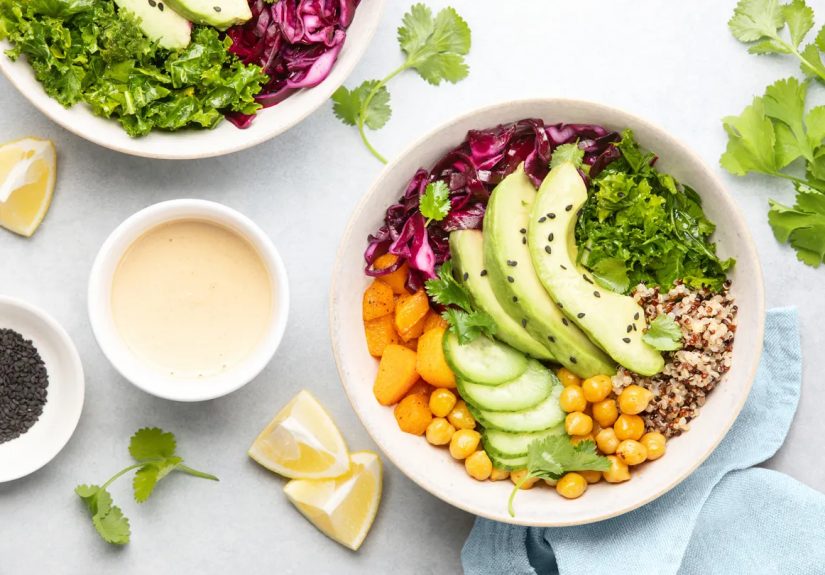
- Nonstarchy vegetables like broccoli, spinach, peppers, cucumbers, mushrooms, and cauliflower
- Whole fruit such as berries, apples, oranges, pears, and melon
- Beans, lentils, and chickpeas
- Eggs
- Fish and seafood
- Chicken, turkey, lean beef, tofu, and tempeh
- Plain Greek yogurt or unsweetened yogurt
- Nuts, seeds, and nut butters without added sugar
- Avocados and olives
- Healthy fats such as olive oil
- If tolerated, minimally processed whole grains in moderate portions, depending on how strict you want to be
This is where the diet becomes more sustainable. Instead of obsessing over subtraction, you build meals around satisfying whole foods that do not leave you prowling the pantry 90 minutes later.
Foods to Limit or Avoid
- Soda, sweet tea, energy drinks, sweetened coffee drinks, and fruit drinks
- Candy, cookies, cakes, donuts, pastries, pies, and ice cream
- White bread, bagels, muffins, croissants, crackers, and many snack chips
- Sweetened cereal and granola bars
- Many packaged sauces, dressings, and condiments with added sugar
- Refined grain pasta, pizza crust, tortillas, and sandwich buns
- “Health foods” that are basically dessert in activewear
That last one deserves respect. Plenty of products marketed as protein-packed, keto-friendly, grain-free, or all-natural are still loaded with sweeteners or highly processed ingredients. Read the label. Packaging can be a talented liar.
How to Follow the Diet Without Becoming Exhausting About It
Read the Nutrition Facts label
The added sugars line is one of the most useful tools on a package. It helps you see whether a food contains sugars added during processing. Ingredient lists also matter, especially if sugar appears in the first few ingredients.
Build meals around protein and produce
A simple formula works well: protein + vegetables or fruit + healthy fat + high-fiber carb if desired. Think grilled salmon with roasted vegetables and lentils, or eggs with sautéed spinach and berries.
Do not drink your dessert
One of the fastest ways to improve a no-sugar diet is to swap sugary beverages for water, sparkling water, unsweetened tea, or coffee without a sugar bomb attached. Your body usually does not miss the liquid candy as much as your habit does.
Make room for flexibility
You do not need to panic over every gram of sugar at a restaurant or every crumb of flour at a birthday party. A flexible approach tends to be easier to maintain than a perfectionist one. Think “mostly consistent,” not “historically flawless.”
A Simple One-Day Meal Example
Breakfast: Plain Greek yogurt with berries, chia seeds, walnuts, and cinnamon
Lunch: Grilled chicken salad with mixed greens, cucumbers, tomatoes, avocado, olive oil, and vinegar
Snack: Apple slices with natural peanut butter
Dinner: Baked salmon with roasted Brussels sprouts and lentils
Optional evening snack: Cottage cheese or a small handful of nuts
Notice what is missing: sugar rushes, refined flour, and the emotional roller coaster of “I am starving, now I need six crackers and a muffin immediately.”
Who Should Be Cautious?
A no-flour, no-sugar diet may not be appropriate in the same way for everyone. People with diabetes, a history of disordered eating, certain digestive conditions, pregnancy-related nutrition needs, or heavy athletic training demands should be careful with restrictive rules. Kids and teens also need balanced nutrition for growth, not a dramatic anti-bread manifesto delivered over breakfast.
If you have a medical condition or take medications that affect blood sugar, it is smart to talk with a doctor or registered dietitian before making major changes. Even a diet with good intentions can become unbalanced if it cuts too deeply into calories, fiber, or food variety.
Common Mistakes to Avoid
- Replacing sugar with endless “healthy” treats. A date-and-coconut energy ball is still easy to overeat if you are having seven.
- Cutting all carbs by accident. Beans, fruit, plain dairy, and whole grains can be nutritious and satisfying.
- Not eating enough protein or fiber. That is how a “healthy diet” turns into constant hunger.
- Ignoring portion sizes. Flour-free cheesecake is still cheesecake. Nice try, though.
- Expecting instant perfection. Sustainable progress beats the Monday-through-Wednesday cycle of nutritional heroism.
Real-Life Experiences: What People Often Notice After Going No Flour, No Sugar
One of the most common experiences people describe in the first week is surprise. Not always good surprise, either. More like, “Wait, why is there sugar in pasta sauce, salad dressing, and the yogurt I thought was healthy?” Once people start reading labels, they often realize how much added sugar and refined flour had quietly taken over their daily routine. Breakfast might have been a muffin, lunch a sandwich and chips, snack time a granola bar, and dessert a coffee drink that was basically melted cake in a cup. On paper it did not seem outrageous. In real life, it added up fast.
During the first several days, some people feel cranky, tired, or dramatically underwhelmed by celery. That does not necessarily mean the diet is bad. Often it means their usual intake of sweet or refined foods had been doing a lot of heavy lifting in the reward department. Cravings can feel loud at first, especially at the times of day when sugary snacks used to show up like clockwork. Many people say the hardest window is late afternoon or after dinner, when boredom, habit, and convenience team up like a villain trio.
By the second or third week, people often report a different kind of change. Meals begin to feel steadier. Hunger may become more predictable. Instead of bouncing between “not hungry” and “I need a bagel the size of a steering wheel immediately,” they feel more level throughout the day. Some notice fewer energy crashes. Others say they stop obsessing over snacks because meals built with protein, fiber, and healthy fats keep them satisfied longer.
There are social experiences, too. Restaurant menus suddenly look different when bread baskets, burgers, sweet cocktails, and desserts are off the table. Some people feel empowered by having a clear plan. Others feel a little awkward being the one asking whether the sauce contains sugar or whether the entrée can come without the bun. Family gatherings can also be tricky. Grandparents, coworkers, and friends tend to have strong opinions once you say the words “I’m avoiding sugar.” Suddenly everyone becomes a nutrition philosopher.
Another common lesson is that strictness has limits. People who do best long term usually find a version of the plan that fits real life. They focus on skipping sugary drinks, desserts, refined snack foods, and most foods made with white flour, while still allowing whole foods and the occasional treat. People who struggle most often create rules so rigid that one restaurant meal feels like failure. Then the backlash begins: overeating, guilt, and the classic “I’ll restart Monday” speech.
In the end, the most successful experiences tend to share one theme: the diet works better when it is treated as a tool, not a test of moral superiority. The goal is not to become a person who fears birthday cake at fifty paces. The goal is to eat in a way that improves health, supports energy, and still leaves room for being human.
Final Thoughts
The no-flour, no-sugar diet can be a useful reset if it helps you eat fewer ultra-processed foods and more whole, satisfying meals. Done well, it can reduce added sugar, lower reliance on refined flour, and improve overall diet quality. Done poorly, it can become overly restrictive, nutritionally shaky, and socially exhausting.
The sweet spot is usually not “never eat a carb again.” It is a more balanced approach: cut back hard on added sugar and refined flour, read labels, build meals around whole foods, and leave enough flexibility to make the plan livable. Because the best diet is not the one that sounds toughest on the internet. It is the one you can follow without losing your mind, your energy, or your joy in eating.