Table of Contents >> Show >> Hide
- What Is a SAD Lamp (and Why Does It Work)?
- How to Choose a SAD Lamp: The “Non-Negotiables”
- The Best SAD Lamps (Top Picks by Type)
- Best Large Light Box for a Classic SAD Routine: Carex Day-Light Classic Plus
- Best Premium, Clinic-Style Build: Northern Light Technologies BOXelite
- Best Budget-Friendly Entry Point: Verilux HappyLight (Compact Models)
- Best Stylish Midrange Desk Lamp: Circadian Optics (Lampu and Similar)
- Best “Morning Routine Helper” (Not a Full Substitute): Sunrise Alarm Clocks
- Pricing: What You Get at Each Budget Level
- How to Use a SAD Lamp (Without Overthinking It)
- Common Mistakes (That Make Lamps Look “Ineffective”)
- Safety Notes: Who Should Be Careful
- SAD Lamp vs. Dawn Simulator vs. Light Therapy Glasses
- Frequently Asked Questions
- Conclusion: Picking the Right SAD Lamp Comes Down to Habit
- Bonus: Real-World Experiences With SAD Lamps (What People Usually Notice)
Winter has a way of turning perfectly normal humans into sleepy housecats: you wake up, it’s dark; you leave work, it’s dark; you consider photosynthesizing, but your apartment is not a greenhouse. If you get a recurring dip in mood, energy, and motivation when daylight disappears, you’re not aloneand a SAD lamp (also called a light therapy lamp or light box) can be a surprisingly practical tool.
This guide breaks down what SAD lamps actually do, which features matter (and which are basically marketing confetti), realistic pricing, and exactly how to use one without accidentally giving yourself “I drank six espressos” vibes at 9 p.m.
What Is a SAD Lamp (and Why Does It Work)?
SAD stands for Seasonal Affective Disorder, a type of depression that follows a seasonal patternmost commonly fall and winter. Researchers believe reduced daylight can nudge your body clock (circadian rhythm) out of alignment and affect brain chemicals tied to mood and sleep. Light therapy aims to mimic bright outdoor light, sending your brain a clear “it’s daytime” signal.
Benefits you might notice
- Improved mood and less “winter blah” heaviness
- More daytime energy and fewer afternoon crashes
- Better sleep timing (especially if you use it in the morning consistently)
- Improved focus and motivation for daily routines
Important reality check: a SAD lamp isn’t a magical sunshine wizard. It’s a tooloften effective, usually well tolerated, and best paired with the basics (sleep hygiene, movement, time outdoors when possible, and professional support when symptoms are significant).
How to Choose a SAD Lamp: The “Non-Negotiables”
The fastest way to shop smarter is to ignore the words “premium,” “full spectrum,” and “influencer-approved” and focus on specs that actually affect results. Here’s what matters most.
1) Brightness: 10,000 lux (at a realistic distance)
Lux measures light intensity reaching your eyes. Many clinical recommendations reference 10,000 lux. Here’s the catch: that lux rating is usually measured at a specific distance (often 12–24 inches). Sit farther away and you may get a much weaker dose.
- Look for “10,000 lux at 12–18 inches” (or similar) clearly stated.
- If a lamp is 5,000 lux, you’ll generally need longer sessions to get a comparable effect.
2) UV filtering: you want bright light, not sunburn energy
A quality SAD lamp should produce little to no UV (and ideally specify UV filtering). UV exposure is not part of SAD treatmentand you don’t need it for mood benefits.
3) Size and comfort: bigger panels are often easier to use
Larger screens can feel more comfortable because you don’t have to “aim your eyeballs” at a tiny beam of light. Many people are more consistent when the lamp fits naturally into breakfast, journaling, or laptop time.
4) Stability, adjustability, and glare control
- Adjustable angle/tilt helps you place the light slightly off-center (so you’re not staring straight into it).
- Low-glare diffusion makes it easier to keep your eyes open comfortably.
- A stable base prevents “desk lamp domino incidents.”
5) Flicker and build quality
Many modern LED lamps are designed to avoid noticeable flicker, but quality still varies. If you’re sensitive to headaches or eyestrain, prioritize reputable brands, strong warranties, and clear safety claims.
6) Bonus features (nice, not necessary)
- Timer (so you don’t do “accidental two-hour sunbathing”)
- Multiple brightness levels
- Warm/neutral color temperature options (comfort matters for daily use)
- Portability (travel-sized, USB-powered)
The Best SAD Lamps (Top Picks by Type)
“Best” depends on your space, your sensitivity to bright light, and whether you’ll actually use the thing every day. Below are widely recommended styles and standout models with typical U.S. pricing ranges.
Best Large Light Box for a Classic SAD Routine: Carex Day-Light Classic Plus
Typical price: about $149–$170 (often fluctuates).
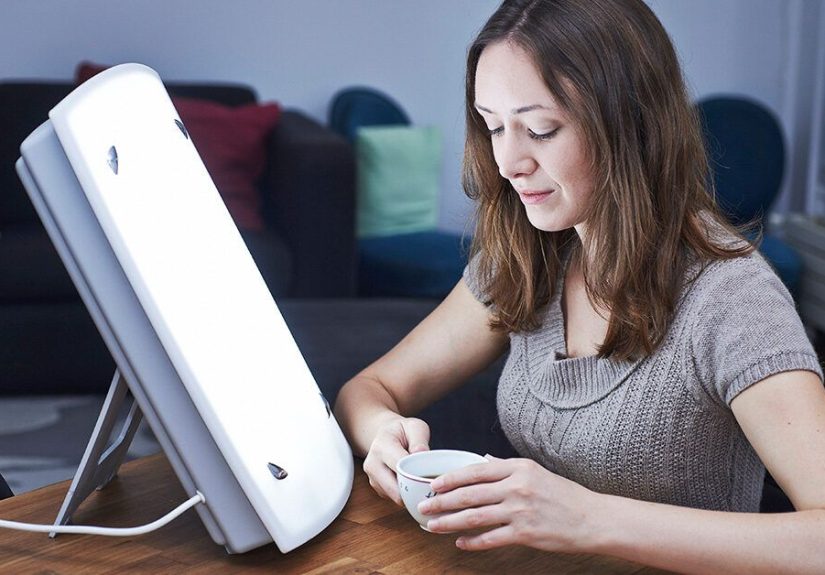
Why people like it: It’s a big, clinical-style panel designed to deliver 10,000 lux at a practical distance. The larger screen can feel more immersive and easier to use while you eat breakfast, read, or work.
Good for: Anyone who wants a “set it on the table and let it do its job” lampespecially if your winter symptoms are more intense.
Watch-outs: It’s not tiny. Measure your desk/nightstand first.
Best Premium, Clinic-Style Build: Northern Light Technologies BOXelite
Typical price: around $240 for the BOXelite model (brand pricing varies by retailer).
Why people like it: Durable build, large panel, and a reputation for comfortable diffusion. This is the “I am committed to winter wellness” choiceless cute, more “medical device energy” (in a good way).
Good for: People who want long-term build quality and a more substantial light box experience.
Watch-outs: Higher upfront cost. Consider return policy and warranty.
Best Budget-Friendly Entry Point: Verilux HappyLight (Compact Models)
Typical price: around $40–$60 for smaller models (examples include options listed around $49.99).
Why people like it: Affordable, compact, and easy to stash near your coffee maker or laptop. Great for trying light therapy without spending premium-light-box money.
Good for: Beginners, small spaces, or an office desk setup.
Watch-outs: Smaller lamps may require closer placement to reach the full therapeutic luxfollow the distance guidance carefully.
Best Stylish Midrange Desk Lamp: Circadian Optics (Lampu and Similar)
Typical price: around $79.99 for compact desk models, with larger designs reaching $150–$200+ depending on style.
Why people like it: A cleaner, modern look that doesn’t scream “I am fighting the sun shortage.” If aesthetics help you build habits, this matters.
Good for: People who want a lamp they won’t hide when guests come over.
Watch-outs: Confirm lux rating at your intended distancedesign-forward lamps vary.
Best “Morning Routine Helper” (Not a Full Substitute): Sunrise Alarm Clocks
Sunrise alarm clocks gradually brighten before wake-up to make mornings less brutal. They can support a healthier wake routine, but most don’t replace a true 10,000-lux light therapy session. Think of them as a friendly ramp-up, not a full daylight blast.
Pricing: What You Get at Each Budget Level
| Price Range (USD) | Typical Lamp Type | What to Expect | Who It’s Best For |
|---|---|---|---|
| $30–$60 | Small desk lamps / entry-level light therapy | Compact size, basic timer/brightness, may require closer distance | First-timers, small spaces, office desks |
| $60–$120 | Midrange desk lamps | Better diffusion, improved build, more settings, nicer aesthetics | Daily users who want comfort without “premium” pricing |
| $120–$200 | Large light boxes | Bigger panels, easier positioning, often more “clinical-style” | Moderate-to-severe winter symptoms; habit builders |
| $200–$300+ | Premium light boxes / specialty designs | Robust build, large panels, strong warranties, long-term use focus | People committed to a long seasonal routine |
Money tip: If you have an FSA/HSA account, some light therapy lamps are eligiblecheck your plan rules and product labeling. Also, prioritize a strong return policy if you’re new to light therapy.
How to Use a SAD Lamp (Without Overthinking It)
Light therapy works best when it’s consistent and timed correctly. The common clinical-style approach is morning use, because bright light late in the day can push your sleep later.
Step-by-step setup
- Use it soon after waking. Aim for the first hour of your morning whenever possible.
- Position it at the recommended distance. Common ranges are roughly 12–24 inches, but follow your device instructions.
- Angle it slightly to the side. You don’t need to stare into it. Keep your eyes open and let the light hit your eyes indirectly.
- Start with 10–15 minutes. If you feel fine, work up to 20–30 minutes. Some people use 30–45 minutes based on guidance and symptom severity.
- Do it daily. Consistency beats “random sunlight weekends.”
A sample “real life” routine
- 7:15 a.m. Turn on the lamp while you drink coffee and scroll (guilt-freethis is medically productive scrolling).
- 7:35 a.m. Turn it off when the timer ends. Proceed with the day like a person who has seen the sun.
How quickly will you feel a difference?
Some people notice shifts in energy or sleep timing within a week; for others it may take a couple weeks of daily use. If you’re not noticing improvement after a few weeks of consistent use, it’s worth checking your distance, timing, and whether your symptoms need professional evaluation.
Common Mistakes (That Make Lamps Look “Ineffective”)
- Using it at night: Bright light late in the day can interfere with sleep.
- Sitting too far away: Lux drops fast with distance. “Across the room” usually doesn’t count.
- Inconsistent sessions: Light therapy is more like brushing your teeth than taking a single vitamin gummy.
- Expecting vitamin D: Most SAD lamps filter UVby designso they won’t fix vitamin D deficiency.
- Wearing darkening/transition lenses: If your lenses dim in bright light, they can reduce the therapeutic effect.
Safety Notes: Who Should Be Careful
Light therapy is considered safe for most people when used correctly, but it’s not “one-size-fits-all.” Talk to a clinician before starting if you have:
- Bipolar disorder (light therapy may trigger hypomania/mania in some people)
- Eye conditions (especially retinal issues) or significant light sensitivity
- Medications that increase light sensitivity (ask your pharmacist/doctor)
- Frequent migraines triggered by bright light
Possible side effects (usually mild)
Early in treatment, some people get mild headaches, eyestrain, or feeling “wired.” If that happens: reduce session time, increase distance, or lower brightness if your lamp allows it. If symptoms persist, stop and seek medical advice.
SAD Lamp vs. Dawn Simulator vs. Light Therapy Glasses
Not all “light gadgets” do the same job. Here’s a quick comparison:
| Device Type | Best For | Limitations |
|---|---|---|
| 10,000-lux SAD lamp / light box | Targeted seasonal mood support; structured morning routine | Requires a daily sit-near-it habit |
| Sunrise alarm clock (dawn simulation) | Gentler wake-ups; supporting circadian rhythm habits | Often not bright enough to replace a full light therapy session |
| Light therapy glasses | Portability and movement during sessions | Fit/comfort varies; still needs correct timing and safe use |
Frequently Asked Questions
Do SAD lamps work if I’m not formally diagnosed with SAD?
Many people use light therapy for “winter slump” symptoms even without a formal diagnosis. If your symptoms are significant, persistent, or include thoughts of self-harm, get professional support promptly.
Can I use a SAD lamp while I work?
Yesmany people set it beside their laptop. Just follow the recommended distance and avoid staring directly into the light.
Is “blue light” better?
For SAD-style light therapy, the standard recommendation is bright, UV-filtered white light at an appropriate intensity. “Blue light only” claims are often more marketing than necessity.
How long do I use it each season?
Many people start in early fall when daylight drops and continue through spring. If you stop too early and symptoms return, restart and stay consistent.
Conclusion: Picking the Right SAD Lamp Comes Down to Habit
The best SAD lamp is the one you’ll actually use: bright enough (ideally 10,000 lux at your real sitting distance), UV-filtered, comfortable on your eyes, and easy to fit into your morning routine. If you’re new, a budget compact lamp can be a smart trial. If winter hits you hard, a larger light box may be worth the upgrade.
And remember: if your winter symptoms are severe, long-lasting, or affecting your safety, light therapy is a helpful toolbut it’s not a substitute for medical care.
Bonus: Real-World Experiences With SAD Lamps (What People Usually Notice)
If you’ve never used a SAD lamp before, the first experience is often…humbling. You turn it on and immediately think, “Oh, so this is what it feels like to sit next to a tiny indoor sun.” That reaction is normal10,000 lux is supposed to be bright. Most people get used to it quickly as long as the lamp is angled slightly off-center and they’re not staring straight into it like they’re trying to win a blinking contest with daylight.
In the first three days, the most common feedback is about mornings: people report feeling more “awake” sooner, or noticing that the heavy fog lifts a little faster. It’s rarely a dramatic movie montage where you suddenly love winter and start knitting scarves for strangers. It’s more like: you get out of bed with slightly less negotiation, and your coffee doesn’t have to do all the emotional labor. Some users also notice they’re less likely to hit a mid-morning slumpespecially if they use the lamp while eating breakfast or reading email.
By week one, consistency becomes the make-or-break factor. People who place the lamp where it’s impossible to ignore (next to the coffee maker, on the desk by the laptop, beside the journal they actually use) tend to stick with it. People who stash it in a closet “until they need it” often discovershockinglythat they never “need it” at 7:10 a.m. when it’s still dark outside. A surprisingly helpful trick is pairing it with a predictable habit: the same chair, the same mug, the same 20 minutes. Your brain likes patterns almost as much as it likes sunlight.
Between weeks two and three, many users say the benefits feel less like a burst and more like a baseline shift: fewer low-energy days, slightly better motivation, and less of that “why is everything so hard in January?” mood drag. Some people also notice sleep improvementsnot necessarily sleeping longer, but falling asleep more consistently at night and waking a bit more naturally in the morning. That’s one reason timing matters so much: morning bright light reinforces the day-night rhythm, while late-day sessions can backfire and make bedtime feel oddly distant.
Of course, not everyone has a smooth ride. A common “oops” moment is using the lamp too long or too late and feeling jittery, headachy, or wired. The fix is usually simple: shorten the session, increase distance, lower brightness (if possible), and keep it earlier in the day. Another real-world snag is distance driftyou start at 12–18 inches, then gradually slide the lamp farther away as your desk gets cluttered. Suddenly the lamp “stops working,” when really it’s just shining politely from across the battlefield of mail, chargers, and questionable snack choices. If you’re not noticing changes after a couple weeks, check your distance and timing before you give up.
Lastly, many people describe a psychological benefit that’s easy to underestimate: using a SAD lamp becomes a small act of self-care that signals, “I’m doing something about this season instead of just enduring it.” It won’t replace therapy, medication, or a walk outside on a rare sunny day but for a lot of users, it’s the difference between feeling dragged by winter and feeling like they’ve got at least one bright, reliable anchor in the morning.