Table of Contents >> Show >> Hide
- What Actually Makes a Kitchen Work Well?
- Do I Really Need a Kitchen Island?
- How Much Storage Is “Enough”?
- What Lighting Should a Kitchen Have?
- Which Materials Age Gracefully?
- How Can I Make a Small Kitchen Feel Bigger?
- What Does a Future-Proof Kitchen Look Like?
- Where Should I Spend More, and Where Can I Save?
- What Kitchen Mistakes Should I Avoid?
- Field Notes: Real-Life Experiences From Kitchens That Taught the Biggest Lessons
- Conclusion
If the kitchen is the heart of the home, then it is also the place where the heart occasionally burns the garlic, misplaces the measuring spoons, and wonders why the trash pullout seemed like “an optional extra.” In other words, the kitchen is not just a pretty room. It is a workhorse, a gathering spot, a midnight-snack station, a homework desk, and sometimes an emotional support zone with pendant lights.
That is why great kitchen design is never just about what looks good in a photo. It is about how the room behaves when real people use it. A well-planned kitchen should make cooking easier, cleanup faster, storage smarter, and movement less awkward. It should also survive spaghetti sauce, science projects, holiday chaos, and the occasional “let’s put the air fryer here for now” decision.
So let’s do this like a real consultation. Below are the kitchen questions homeowners ask most often, answered the way a practical architect or kitchen expert would answer them: honestly, clearly, and with just enough style to keep the room from feeling like a stainless-steel spreadsheet.
What Actually Makes a Kitchen Work Well?
The short version: flow, function, and forgiveness.
A good kitchen supports the natural rhythm of cooking. You grab ingredients, rinse and prep, cook, plate, serve, then clean up. When the refrigerator, sink, and cooktop are positioned thoughtfully, the room feels intuitive. When they are scattered like contestants on a reality show, every meal becomes a cardio event.
That is why experienced designers focus on work zones rather than treating the kitchen like one big blob of cabinetry. Think in zones: food storage, prep, cooking, cleanup, and serving. Once you do that, every decision becomes easier. Your knives belong near prep space, not hidden across the room. Pots and pans belong near the range. Trash and recycling should live where food prep actually happens, not where they seem easiest to hide.
A kitchen that works well also respects circulation. You should be able to open the dishwasher, pass behind someone at the island, and reach the pantry without performing interpretive dance. Beauty matters, absolutely, but beauty without function is how you end up admiring your backsplash while cursing your layout.
Do I Really Need a Kitchen Island?
Ah yes, the island. The Beyoncé of kitchen features. Famous, desirable, and occasionally too big for the venue.
No, you do not automatically need an island. What you need is usable workspace. An island earns its keep when it improves prep area, adds storage, creates seating, or helps define an open-plan room. If it blocks movement, crowds appliance doors, or turns every pathway into a shoulder-check situation, it is not a feature. It is a large decorative obstacle.
In many homes, a compact island works better than a massive one. In others, a peninsula or a hardworking table is the smarter move. The best choice depends on the size of the room, how many people cook at once, and whether the kitchen is primarily for meal prep, entertaining, or both.
If you do add an island, give it a job. Maybe it is the prep station with hidden trash and drawer storage. Maybe it adds seating for casual breakfasts and laptop time. Maybe it becomes a serving hub during parties. But if its entire purpose is to sit there looking important, that is a very expensive personality trait.
How Much Storage Is “Enough”?
Less than you think, but smarter than you expect.
Homeowners often ask for “more cabinets,” when what they really need is better storage design. Deep cabinets that swallow mixing bowls into darkness are not helpful. Narrow pullouts for oils and spices? Helpful. Deep drawers for pots and pans? Very helpful. Pullout pantry systems, tray dividers, toe-kick storage, appliance garages, and drawer inserts? Now we are cooking, literally and figuratively.
The best kitchen storage is based on behavior. If you bake every weekend, create a baking zone with mixing bowls, flour, measuring tools, and sheet pans in one area. If your household relies on grab-and-go breakfasts, designate a breakfast zone with mugs, cereal, toaster, and snacks together. If you have kids, put everyday dishes where they can be reached without a family expedition.
Good storage also protects visual calm. When countertops are overloaded, even a beautiful kitchen feels stressed out. Closed storage keeps the room tidy, while selective open shelving can add warmth and personality. The trick is restraint. A shelf with a few favorite ceramics looks curated. A shelf full of random protein shakers and mystery lids looks like a cry for help.
What Lighting Should a Kitchen Have?
Not just one ceiling fixture bravely trying its best.
The most effective kitchens use layered lighting. That means combining ambient lighting for overall brightness, task lighting for work areas, and accent lighting for mood or display. This is where many kitchens either become excellent or accidentally become interrogation rooms.
Start with general illumination, then focus on the work surfaces. Prep areas, sinks, and cooktops need direct, practical light. Under-cabinet lighting is one of the most quietly brilliant upgrades you can make because it puts light where hands and knives actually are. Pendants over an island can add style, but they should also do their job. If they are so dim that you cannot distinguish parsley from cilantro, they are decorative jewelry, not lighting.
Accent lighting brings depth and softness. It helps the kitchen shift from weekday utility to evening comfort. That matters more than people realize. A kitchen is often the last room still awake at the end of the day. It should feel welcoming, not fluorescently judgmental.
Which Materials Age Gracefully?
This is the part where trends and real life begin their negotiations.
When choosing kitchen materials, focus first on what is hardest to change later: cabinetry, flooring, layout, electrical planning, and ventilation. These are the backbone decisions. Decorative elements like hardware, paint, light fixtures, and even some backsplash treatments are much easier to swap out over time.
For cabinets, timeless usually wins. That does not mean boring. It means choosing door styles, finishes, and colors that can survive trend cycles without making the room feel dated in three years. Natural woods, warm whites, soft greiges, muted greens, and rich earthy tones all tend to wear well when used thoughtfully.
Countertops should suit both your taste and your lifestyle. A material that looks stunning but demands delicate treatment may be perfect for a low-drama household and a terrible fit for a family that treats the kitchen island like a sport. The smartest choice is often the one that balances durability, maintenance, cost, and visual warmth.
Backsplashes are where you can have a little fun. Tile pattern, texture, and color can add personality without hijacking the whole room. The goal is not to make the kitchen bland. The goal is to make sure the room still looks good after the internet has moved on to its next obsession.
How Can I Make a Small Kitchen Feel Bigger?
First, by not pretending it is a ballroom.
Small kitchens work best when every inch has a reason to exist. The design priorities are clear sightlines, efficient storage, good lighting, and visual simplicity. That usually means fewer interruptions, less bulky furniture, and cabinetry that uses vertical space wisely.
Drawers often outperform lower cabinets in compact kitchens because they bring items to you instead of forcing you to crawl halfway into a dark corner. Slim pullouts can reclaim awkward gaps. Tall pantry storage can reduce countertop clutter. Reflective surfaces, lighter finishes, and consistent materials can also help the room feel calmer and more open.
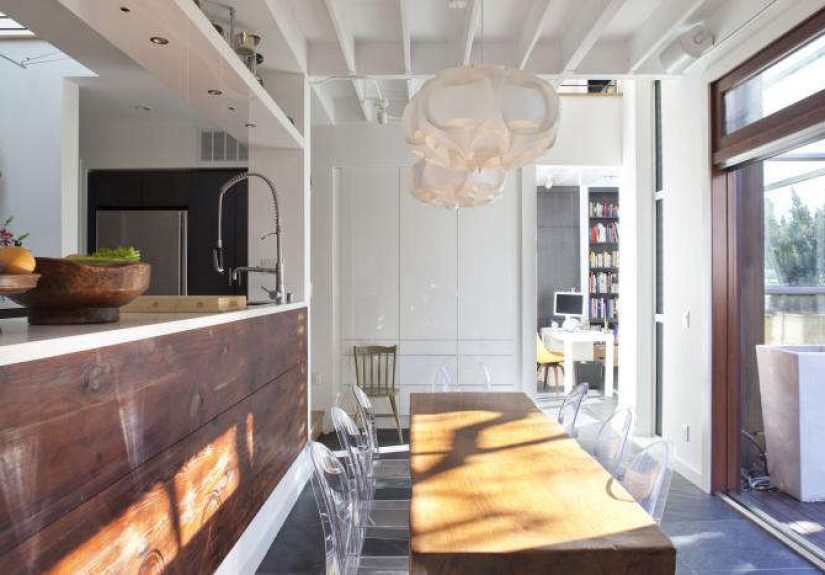
In smaller layouts, it is especially important to avoid over-accessorizing. One beautiful statement feature, such as a bold backsplash, sculptural pendant, or warm wood island, usually works better than trying to cram six design ideas into one modest footprint. Let the room breathe. Even tiny kitchens deserve dignity.
What Does a Future-Proof Kitchen Look Like?
It looks comfortable, flexible, and easy to use now and later.
This is where universal design comes in. A future-proof kitchen is not only for older adults or people with mobility challenges. It is simply a kitchen designed to be more usable for more people. That can include wider pathways, easier-to-reach storage, better lighting, handles that are simpler to grip, controls that are easy to read, and seating or prep areas that accommodate a range of heights and abilities.
Drawer storage is often more accessible than deep base cabinets. Wall ovens placed at a comfortable height can be easier to use than bending low. Lever-style hardware tends to be friendlier than tiny knobs. Thoughtful clearances around appliances help everyone, whether you are managing a stroller, a wheelchair, a bad back, or a large stockpot.
A future-proof kitchen is also adaptable. You may not need every accessible feature today, but making smart decisions during renovation can make the space far easier to modify later. Good design is not just about today’s wishlist. It is about tomorrow’s ease.
Where Should I Spend More, and Where Can I Save?
Spend more on the bones. Save on the costume jewelry.
Put your money toward layout planning, quality cabinetry, reliable hardware, solid ventilation, and the infrastructure behind the walls. These are the elements that affect daily life the most and are the most annoying to replace later. A good range hood, for example, is not glamorous until you are cooking fish, onions, or bacon and do not want the smell lingering until Thursday.
It also makes sense to prioritize energy-efficient appliances when possible. They can lower operating costs, improve performance, and support a more efficient home overall. Choose appliances based on how you actually cook, not just on what looks impressive in a showroom.
Where can you save? Decorative lighting, hardware, bar stools, paint color, and some backsplash decisions can often be upgraded later. There is no medal for buying the most expensive faucet on Earth if your storage plan still leaves sheet pans homeless.
What Kitchen Mistakes Should I Avoid?
1. Designing for photos instead of real life
A kitchen can be gorgeous and still annoy you every single day. Aim for beauty with purpose.
2. Ignoring ventilation
If you cook often, ventilation matters. A stylish kitchen that smells permanently like sautéed shallots is making an argument, but perhaps not the one you intended.
3. Underestimating drawers
Deep drawers are heroes. Use them.
4. Oversizing the island
Bigger is not always better. Sometimes bigger is just harder to walk around while carrying pasta water.
5. Forgetting outlets and charging needs
Modern kitchens power coffee makers, mixers, phones, tablets, and occasionally someone’s workday. Plan accordingly.
6. Choosing finishes without considering maintenance
If you hate upkeep, do not choose materials that demand constant pampering. Your kitchen should serve you, not the other way around.
Field Notes: Real-Life Experiences From Kitchens That Taught the Biggest Lessons
One of the most useful things I have learned from kitchen planning is that homeowners rarely regret making a kitchen more functional, but they often regret designing around fantasy habits. The person who says, “We host huge dinner parties every weekend,” sometimes means twice a year. The person who says, “We do not need much storage,” usually discovers six months later that small appliances reproduce after dark.
In one family kitchen, the original plan centered on a giant island with dramatic waterfall edges. It looked impressive on paper, but once we walked through daily routines, the truth emerged: two children used the kitchen before school, one adult packed lunches, and another made coffee while checking emails. The oversized island turned the room into a traffic jam with quartz. We scaled it down, added better drawer storage, and created a breakfast zone near the refrigerator. The result was less flashy and far more loved. Nobody missed the extra slab.
In another remodel, the homeowners were determined to keep every upper cabinet possible. They were worried the room would not function without maximum storage. But the kitchen was small, and the wall cabinets made it feel cramped. We edited ruthlessly, added tall pantry storage, used deep drawers below, and introduced under-cabinet lighting. The room suddenly felt twice as generous. The lesson was simple: a kitchen can store a lot without looking like it is wearing a backpack.
I have also seen how lighting changes everything. One client had a beautiful new kitchen with quality cabinets and lovely counters, but the room still felt flat. Why? One overhead fixture was doing all the work. We added task lighting at the counters and softer layers elsewhere, and the space transformed overnight. Same layout, same finishes, completely different experience. Good lighting is not decoration. It is emotional architecture.
Another memorable project involved aging-in-place planning. The homeowners were healthy, active, and not interested in a kitchen that looked clinical. They simply wanted the room to remain easy to use over time. We incorporated better clearances, easier-grip hardware, smart appliance placement, and storage that reduced bending. The final kitchen looked warm, stylish, and completely normal, because accessible design at its best does not announce itself. It simply makes life easier.
What ties all these experiences together is this: the best kitchens are deeply personal, but they are not random. They are shaped by habits, movement, priorities, and honest conversations. They work because someone asked the right questions before demolition started. How do we cook? Where do things pile up? Who uses the room at the same time? What annoys us now? What do we want this space to feel like at 7 a.m. on a Tuesday and at 8 p.m. when friends come over?
When homeowners answer those questions truthfully, the kitchen gets better fast. It becomes less about trends and more about fit. And that is the real secret. A successful kitchen is not one that copies a showroom. It is one that quietly, efficiently, beautifully supports the life happening around it.
Conclusion
The best answer to almost any kitchen question is this: design for the way you actually live. Not for a catalog, not for a trend report, and definitely not for the imaginary version of yourself who decants lentils into matching jars every Sunday.
A high-functioning kitchen balances layout, storage, lighting, materials, efficiency, and comfort. It makes daily tasks smoother and the room more inviting. It supports both mess and memory. And when it is planned well, it does something magical: it disappears into the background while life happens beautifully in front of it.
So yes, ask the architect. Ask the kitchen expert. Ask the hard questions before you choose the backsplash. Because a kitchen is not just where meals get made. It is where mornings begin, stories get retold, and someone always ends up leaning against the counter long after dinner is done.