Table of Contents >> Show >> Hide
- Quick identity check: what movie are we ranking?
- By-the-numbers ranking: how it performs with critics, audiences, and box office
- My ranking method (so you know what I’m grading)
- Top 10 moments ranked (from “Aww” to “Why is my heart doing that?”)
- Opinions that split the crowd (and why both sides have a point)
- The big asterisk: animal welfare concerns and how to talk about them responsibly
- Where it ranks among classic animal buddy movies (my opinionated list)
- Who will love it, who won’t, and who should proceed with snacks and caution
- Final verdict: my ranking in one sentence
- Viewer Experiences : what it feels like to watch Milo & Otis in real life
Some movies are “classics” because they’re brilliant. Others are “classics” because they lived on VHS, survived a thousand
rewinds, and became part of your family’s group memoryright next to the pizza stains on the couch and the rule that
nobody talks during the cute parts.
The Adventures of Milo and Otis sits in that second category for a lot of viewers: a short, farm-to-ocean animal
odyssey built on friendship, peril, and narration that never met a moment it couldn’t explain. It’s also a film that
sparks heated debate todayabout taste, tone, and the ethics of how some scenes may have been achieved.
This article ranks Milo & Otis from multiple angles: critic and audience reception, rewatch value, “best moments,”
and the big conversations people still have after the credits. If you came here for a clean verdict, you’ll get one.
If you came here to argue (politely) like it’s 1993 and the remote is missing, you’ll get plenty of talking points too.
Quick identity check: what movie are we ranking?
The version most U.S. audiences know is the English-language release, narrated by Dudley Moore and distributed by
Columbia Pictures. It runs about 76 minutes and is rated G. It began as a Japanese production (often referenced by its
original title, Koneko Monogatari), then was adapted for U.S. audiences.
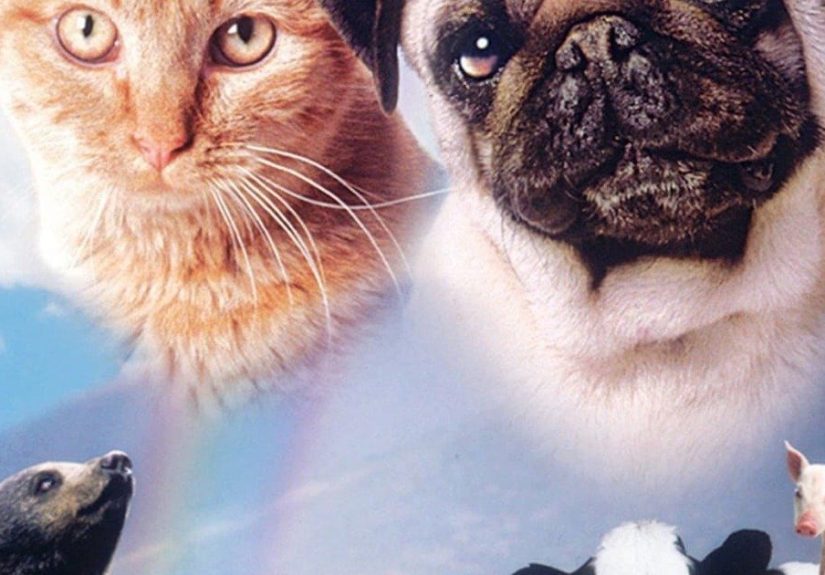
The basic premise is delightfully simple: Milo the kitten and Otis the pug puppy grow up together on a farm. A river,
a box, and a series of wild encounters separate them, and the story becomes a rescue quest that doubles as a “growing up”
fableexcept the characters are real animals doing real animal things… with a human voiceover telling you what they
“mean,” “think,” and “learn.”
By-the-numbers ranking: how it performs with critics, audiences, and box office
Let’s start with the scoreboard, because rankings are more fun when they come with receipts (even if feelings still win).
As of late 2025, Rotten Tomatoes shows an 80% critic score (10 reviews) and a 74% audience score with 50,000+ ratings.
Metacritic lists a metascore of 72 based on 7 critic reviews. At the U.S. box office, sources track a domestic total
around $13.3 million (with a 1989 wide release and a later 1990 release also recorded), and the runtime is consistently
listed as 76 minutes.
- Critics: Generally favorable overallwarmth and craft get praised, even when the tone gets side-eye.
- Audiences: Nostalgia boosts it; ethical concerns and narration style pull it down for others.
- Commercial footprint: A modest, real-deal success for a short, G-rated animal adventure.
My ranking method (so you know what I’m grading)
When people say “rank this movie,” they usually mean one of three things:
(1) how much they enjoyed it,
(2) how well it holds up,
or (3) whether they feel good recommending it.
This film demands all three.
Here’s the rubric I’m usingbecause if Milo and Otis can navigate cliffs, bears, and ocean rocks, we can navigate a table.
| Category | Score (1–10) | What that means in plain English |
|---|---|---|
| Kid Appeal | 9 | Animals + adventure + simple stakes = instant attention for many young viewers. |
| Nostalgia Factor | 9 | If you grew up with it, you can practically hear the theme song just reading this sentence. |
| Story & Pacing | 6 | Charming, but episodic; it plays like a series of set pieces stitched by narration. |
| Narration & Tone | 6 | Some call it witty and warm; others call it “too much” by minute seven. |
| Cinematography & Nature Vibes | 8 | Gorgeous countryside, weather, and animal close-ups that feel like a storybook documentary. |
| Ethical Comfort (for modern viewers) | 4 | Persistent concerns about animal treatment make it hard for some viewers to relax. |
Overall “recommendation” rank: 7/10 as a piece of family-movie history,
but with a big asterisk for households sensitive to animal welfare concerns and on-screen peril.
Top 10 moments ranked (from “Aww” to “Why is my heart doing that?”)
The movie is basically a highlight reel of “tiny animal vs. giant world.” Here are ten recurring or standout beats that
tend to stick in people’s minds, ranked by impact and rewatchability.
-
The barnyard origin story.
The opening farm life is the movie at its most comforting: warm light, simple routines, and friendship that feels
inevitable. -
First real separation.
The “uh-oh, they’re apart” shift works because the film suddenly gets quiet and wideless cozy, more journey. -
The box + river sequence.
It’s iconic, tense, and also the scene that makes many adults lean forward like, “Okay, but… how was this filmed?” -
Otis commits to the chase.
That dog’s entire personality is “loyal friend,” and the movie leans into it hardin the best way. -
Crab encounter comedy.
Milo’s curiosity meets “nature says no.” Kids laugh, adults wince sympathetically, and everyone learns boundaries. -
Predator tension (bear and birds).
For a G-rated film, it can get legitimately stressfulbecause the animals are real and the danger looks real. -
Snow and survival mood shift.
The film becomes a winter postcard with stakes, and it’s surprisingly affecting when you let it be. -
The “new friends” detours.
The side-characters (wildlife encounters, animal reactions, little standoffs) are half the movie’s charm. -
The reunion payoff.
It’s classic family-film emotional math: journey + loyalty + music cue = “Why am I tearing up over a pug?” -
The cycle-of-life ending.
The film closes by widening the lens: seasons change, relationships change, and the story becomes bigger than one rescue.
Opinions that split the crowd (and why both sides have a point)
1) The narration: helpful, hilarious… or a little too “chatty uncle”?
The U.S. cut leans on Dudley Moore’s narration as the glue holding everything together. For fans, it’s the movie’s secret
ingredient: warm, playful, and constantly translating animal behavior into kid-friendly meaning. For critics, it can feel
like the film doesn’t trust silencelike every pawstep needs a punchline.
Here’s the fair take: the narration is doing real work. Without it, the movie becomes closer to a quiet nature film with
occasional peril. With it, it becomes a “storybook adventure” with a guide. Whether you love or hate that guide depends on
your tolerance for commentary and your nostalgia for voiceover-driven family films.
2) The “improvised animal drama” vibe: magical realism or manipulated reality?
A major reason the film feels unique is that it doesn’t play like a typical animal-training showcase. Many scenes feel
observed rather than performedanimals responding to environments, other animals, weather, and terrain.
That realism is also the source of modern discomfort. When danger looks authentic, viewers naturally wonder how those shots
were achieved. Even if nothing graphic is shown on screen, some audiences find the “how did they do that?” question
impossible to ignore.
3) The tone: pure-hearted adventure or “cute overload”?
Some reviewers have described the film as refreshingly sinceresunlight, grass, simple courage, and a non-sarcastic
worldview. Others argue it pushes “adorable” so hard that anyone past preschool age may feel like they’re being emotionally
tackled by fluff.
Honestly? Both can be true. If you’re in the mood for gentle, old-school family storytelling, the sweetness is the point.
If you want subtlety, you might feel like the movie is waving a stuffed animal in your face while yelling, “FEEL THINGS!”
The big asterisk: animal welfare concerns and how to talk about them responsibly
You can’t write modern rankings of Milo & Otis without addressing the long-running concerns about animal treatment
during production. Multiple outlets and parent guides note that the film has faced scrutiny for potentially placing animals
in dangerous situations. Some critics have also commented that scenes believed to be more violent were cut for the U.S.
version, and that the remaining footage can still feel “questionable” to animal lovers.
Here’s the most responsible way to frame it:
-
On-screen, the film avoids showing explicit injury or death.
That matters, but it doesn’t fully answer how certain stunts or scenarios were created. -
Off-screen, allegations and rumors have persisted for decades.
Some sources discuss claims from animal-rights groups and the difficulty of verifying what happened on set. -
Viewer reaction is real and valid.
Many people can’t enjoy the movie if they suspect animals may have been endangered. Others feel the film remains a
harmless childhood staple.
If you’re deciding whether to watch (or recommend) the movie today, treat this like a “values + comfort” question, not a
trivia contest. You’re not being “too sensitive” if you’d rather skip. And you’re not automatically “a bad person” if you
grew up loving itespecially if your love is for the friendship story and not the production methods.
Practical viewing advice for families: If you do watch, consider previewing scenes first, and be ready to
pause for a conversation: “How do you think they filmed that?” and “How should movies treat animals?” That turns a passive
watch into an active, thoughtful onewithout turning movie night into a courtroom drama.
Where it ranks among classic animal buddy movies (my opinionated list)
This isn’t an “official” listthis is the “what does it feel like to recommend it in 2025?” list.
I’m ranking based on: family friendliness, emotional payoff, and how easy it is to watch without a mental asterisk.
- Babe (warm, funny, broadly rewatchable)
- Homeward Bound: The Incredible Journey (peak “pets on a quest” storytelling)
- 101 Dalmatians (animated, timeless, less ethically complicated)
- The Adventures of Milo & Otis (charm overload + real-world concerns = polarizing)
- Beethoven (comedy-first, lower stakes)
- Air Bud (silly, fun, and proudly unrealistic)
The reason Milo & Otis lands in the middle is simple: as a “pure experience,” it can be magical. As a “recommendation,”
it comes with questions many viewers can’t (and shouldn’t have to) silence.
Who will love it, who won’t, and who should proceed with snacks and caution
You’ll probably enjoy it if…
- You like gentle, old-school family movies with a simple story and lots of animal behavior.
- You grew up with it and want to revisit it with fresh eyes (and maybe tissues).
- You can tolerate constant narration and you find it charming rather than distracting.
You might bounce off it if…
- You’re sensitive to animal peril, even when nothing graphic is shown.
- You prefer modern family movies with clearer behind-the-scenes animal safety standards.
- You find voiceover-heavy storytelling exhausting.
You should definitely preview first if…
- Your kids are easily frightened by predators, heights, storms, or separation themes.
- You want to avoid “how did they film that?” questions turning into a big emotional upset mid-movie.
Final verdict: my ranking in one sentence
Rank: A nostalgic, visually charming animal adventure that still lands well for many families, but it’s
increasingly divisive because modern viewers weigh ethical comfort as part of “enjoyment,” not separate from it.
Viewer Experiences : what it feels like to watch Milo & Otis in real life
Let’s talk about the part no score can capture: the experience of actually watching The Adventures of Milo and Otis
with a human brain that has lived through the internet era. Because the film hits different depending on who’s on the couch,
what they remember, and what they value.
Experience #1: The Nostalgia Rewatch (a.k.a. “Why am I emotional over a pug?”)
If you saw this as a kid, the rewatch often begins with comfortlike opening a photo album that smells faintly of plastic
video cases. You remember the big beats: the farm, the separation, the chase, the reunion. The narration feels like an old
family friend who never learned the meaning of “inside voice,” but you forgive it because it’s part of the package.
Then something surprising happens: you notice the landscapes. The weather. The pacing. The quiet stretches where the movie
actually lets nature do the storytelling. Many adults come away thinking, “Oh… this is prettier than I remembered.”
Experience #2: The First-Time Adult Watch (a.k.a. “This is adorable, but also… is this safe?”)
First-time adult viewers often have a split-screen reaction. One side of the brain is softeningbecause, yes, baby animals
are basically a cheat code for human empathy. The other side is running a constant background process: “How did they get
that shot?” When the film leans into heights, rushing water, storms, and wild-animal encounters, that question gets louder.
Even if nothing graphic is shown, the realism can make the danger feel more immediate than in animated or heavily
controlled modern productions.
Experience #3: Watching With Kids (a.k.a. the movie’s natural habitat)
For many children, the film works exactly as intended: it’s simple, visual, and emotionally direct. Kids don’t need complex
plot mechanics; they need a goal (“find your friend”), obstacles (scary animals, bad weather), and a payoff (reunion and
safety). The narration, which some adults find excessive, often helps kids track the story and interpret what’s happening.
That said, kids vary. Some are delighted by every animal cameo. Others are genuinely frightened by predators or long
separation stretches. A previewespecially for sensitive kidscan turn a potential meltdown into a confident watch.
Experience #4: The Ethical Conversation Night (a.k.a. “Let’s pause and talk about animals in film”)
In many households, Milo & Otis becomes a gateway to a bigger conversation. Parents who feel uneasy often use it to
teach media literacy: “Movies aren’t just stories; they’re also productions.” That leads to great questions: Should animals
be used for stunts? What protections exist today? How do you balance nostalgia with values? The key is tone. You’re not
trying to “ruin” the movie. You’re helping your family practice thinking while feeling. That’s a superpowerarguably more
important than any on-screen adventure.
Experience #5: The “My Pet Watches Too” Moment (yes, it happens)
A funny modern phenomenon: people put on animal movies and swear their cat or dog is locked in. Maybe it’s the movement,
the animal sounds, or the endless parade of fur on screen. Either way, it becomes a cozy ritualuntil a tense scene pops up,
at which point you’re not just monitoring your child’s reaction, you’re monitoring your dog’s entire emotional journey.
That’s when you realize the film’s greatest legacy might be this: it created a shared language of “friendship and adventure”
across viewers, generations, and occasionally species.
The most honest “experience summary” is this: Milo & Otis can still be comforting and movingespecially as a memory
but in 2025 it’s also a film many people watch with an extra layer of awareness. For some, that awareness enriches the
conversation. For others, it blocks the enjoyment entirely. And both outcomes make sense.