Table of Contents >> Show >> Hide
- The 30-Second Cheat Sheet
- What Is a Summer Roll?
- What Is a Spring Roll?
- What Is an Egg Roll?
- Summer Roll vs. Spring Roll vs. Egg Roll: Side-by-Side Comparison
- Nutrition and “How Heavy Is This, Really?”
- How to Order the Right Roll (Without Playing Menu Roulette)
- At-Home Tips: Make Them Better (and Less Dramatic)
- So…Which Roll Wins?
- Real-World Experiences: The Roll Journey (The Extra You Asked For)
Three rolls walk into a restaurant menu. One is cool and see-through, one is crisp and delicate, and one shows up wearing a crunchy bubble jacket like it’s late for a parade. If you’ve ever ordered “spring rolls” and received something totally different than what your brain ordered, welcomeyou are among friends (and mildly confused appetizers).
In the U.S., these names get mixed up constantly because different cuisines, regions, and restaurants use the same words for different rolls. So let’s clear it up: what each roll actually is, what it usually tastes like, how it’s wrapped, and how to make sure you get the one you’re craving.
The 30-Second Cheat Sheet
- Summer rolls are typically fresh (not fried) and wrapped in translucent rice paper. Think: herbs, crisp veggies, noodles, and shrimp or porkserved cool with a bold dipping sauce.
- Spring rolls are a broad category. In many Chinese-American menus, they’re fried with a thin wrapper and a lighter, shattering crunch. In some Vietnamese contexts, “spring roll” can also mean a fresh rice-paper roll (yes, the plot thickens).
- Egg rolls are the larger, thicker, crunchier Chinese-American cousinusually deep-fried with a thicker wrapper and a hearty cabbage-forward filling.
What Is a Summer Roll?
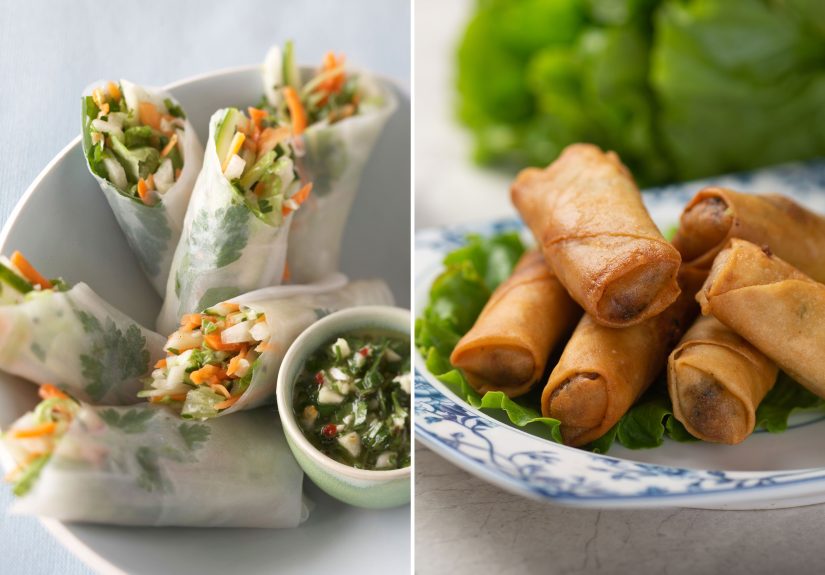
A classic summer roll is a fresh Vietnamese-style roll made with rice paper (often labeled rice paper wrappers) that turns soft and pliable after a quick dip in water. Once rolled up, it looks almost like a tasty little stained-glass window: you can usually see shrimp, herbs, noodles, and veggies through the wrapper.
Wrapper: Rice Paper (The “See-Through Suit”)
Rice paper is thin, delicate, and totally unforgiving if you treat it like a tortilla. It needs a quick soakjust enough to become flexiblethen it firms up again as it rests. Done right, it’s tender and lightly chewy, not soggy. Done wrong, it becomes a sticky science experiment that clings to your fingers like it pays rent there.
Fillings: Crisp, Herby, and Built for Dipping
Common summer roll fillings include shrimp, pork, or tofu, plus rice vermicelli, lettuce, cucumber, carrots, and a big handful of fresh herbs like mint and cilantro. The flavors are bright and cleanmore “fresh garden” than “fried fairground.”
And because the ingredients inside are usually not heavily sauced, the dipping sauce does a lot of heavy lifting. Peanut-hoisin style sauces are popular, and so is a tangy fish-sauce-based dip (often called nước chấm). Translation: your roll is the vehicle; the sauce is the playlist.
Why the Name “Summer Roll” Can Be Controversial
In many Vietnamese communities, the roll is known as gỏi cuốn (often described as a “salad roll”), and the term “summer roll” is more of an English menu invention than a traditional name. You’ll still see “summer roll” widely used in the U.S., but it’s worth knowing the Vietnamese nameboth for accuracy and so you can spot the dish on more authentic menus.
What Is a Spring Roll?
“Spring roll” is the most slippery label of the three because it can mean different things depending on the cuisine and the restaurant. Traditionally, spring rolls are associated with Chinese cooking, and in many contexts they’re fried with a thin wrapper and a crisp bite.
Two Big Spring Roll Styles You’ll See in the U.S.
- Chinese-style fried spring rolls: Typically smaller and slimmer than egg rolls, with a thinner wrapper and a crisp, delicate crunch. Fillings can be veggie-heavy (cabbage, carrot, mushrooms) or include pork or shrimp.
- Fresh “spring rolls” (often Vietnamese-style): Many U.S. restaurants call fresh rice-paper rolls “spring rolls,” even though they’re the same style many people call summer rolls. If it’s cold and wrapped in rice paper, it’s in the fresh-roll family no matter what the menu calls it.
Wrapper: Thin and Crisp (When Fried)
Fried spring rolls often use a thin wheat-based wrapper (or a similarly thin roll skin). The result is a cleaner snap and a lighter feel than an egg rollless “bubbly armor,” more “crispy paper.”
Where the “Spring” Part Comes In
The name is tied to seasonal symbolismspring, renewal, and celebratory eatingespecially around Lunar New Year traditions. Over time, the concept spread across Asia, evolving into many regional forms. That’s why you’ll see so many variations (and why arguing about the “one true spring roll” is a hobby with no finish line).
What Is an Egg Roll?
Egg rolls are a Chinese-American restaurant staplebigger, heartier, and usually more aggressively crunchy than spring rolls. If spring rolls are the sleek sports car, egg rolls are the SUV: thicker build, more cargo space, and prepared to handle a lot of cabbage.
Wrapper: Thicker, Chewier, Often Bubbly
Egg roll wrappers tend to be thicker than spring roll wrappers and fry up with a blistered, bubbly texture. Some explanations credit egg in the dough, but in practice, wrapper recipes and commercial wrappers varywhat matters most on your plate is the thickness and that signature bubbly crunch.
Fillings: Hearty and Cabbage-Forward
Classic egg roll fillings often feature cabbage, carrot, and onion, sometimes with pork, chicken, shrimp, or a mix. They taste savory, slightly sweet from cooked veg, and deeply satisfyingespecially paired with dipping sauces like duck sauce, sweet-and-sour, or hot mustard.
Why Egg Rolls Feel “More Filling”
Bigger wrapper, more filling, and deep-frying will do that. Egg rolls are usually larger than spring rolls and packed more tightly, so one or two can feel like a full appetizer all by themselves.
Summer Roll vs. Spring Roll vs. Egg Roll: Side-by-Side Comparison
| Feature | Summer Roll | Spring Roll | Egg Roll |
|---|---|---|---|
| Typical serving temp | Cold or room temp | Usually hot (fried), sometimes cold (fresh) | Hot (fried) |
| Wrapper | Translucent rice paper | Thin wheat wrapper (fried) or rice paper (fresh) | Thicker wrapper, often bubbly when fried |
| Texture | Soft-chewy, crisp inside | Crisp and delicate (fried) or soft-chewy (fresh) | Very crunchy outside, slightly chewy under-crunch |
| Common fillings | Shrimp/pork/tofu, noodles, herbs, lettuce | Veg, noodles, mushrooms, pork/shrimp (varies widely) | Cabbage, carrot, onion, pork/chicken/shrimp |
| Common dips | Peanut-hoisin, nước chấm | Sweet chili, soy, vinegar dips (varies) | Duck sauce, sweet-and-sour, hot mustard |
| Best for | Fresh, light, herb-lovers | Classic crunch (fried) or fresh roll fans | Maximum crunch + comfort |
Nutrition and “How Heavy Is This, Really?”
If you’re choosing based on how you want to feel afterward, the cooking method matters more than the name. Fresh rice-paper rolls (summer rolls / fresh spring rolls) are usually lighter because there’s no deep-fryinglots of herbs and vegetables, plus lean protein if you choose shrimp or tofu.
Fried spring rolls and egg rolls tend to be more calorie-dense because oil adds up fast, and the wrappers are wheat-based and fried crisp. Egg rolls can feel heavier because they’re bigger and the wrapper is thicker, but portion size is the real boss here: a “mini egg roll” can be lighter than an enormous fried spring roll the size of your forearm.
Best rule: if you want light and bright, go fresh. If you want hot and crunchy, go fried. If you want hot, crunchy, and unapologetically filling, egg rolls are basically doing jazz hands already.
How to Order the Right Roll (Without Playing Menu Roulette)
Use These Menu Clues
- “Rice paper,” “fresh,” “herbs,” “shrimp,” “vermicelli” → you’re in summer-roll territory.
- “Crispy,” “fried,” “vegetable spring roll” → likely a Chinese-style fried spring roll.
- “Egg roll,” “large,” “cabbage,” “duck sauce” → classic Chinese-American egg roll setup.
Ask One Simple Question
If the menu is vague, ask: “Is it fried or fresh?” This single question solves about 90% of roll confusion, and it makes you sound like someone who knows what they’re doing (even if you are currently just hungry and under-caffeinated).
At-Home Tips: Make Them Better (and Less Dramatic)
For Summer Rolls (Rice Paper Rolls)
- Don’t overstuff. Rice paper tears when you get ambitious.
- Soak briefly. Dip until flexible, then let it finish softening on the counter.
- Keep herbs crisp. Dry your greens so the roll stays fresh instead of swampy.
- Build an assembly line. Prep everything first; rolling goes fast once you start.
For Fried Spring Rolls and Egg Rolls
- Wrappers matter. Egg roll wrappers are thicker; spring roll wrappers are thinner and crisper.
- Mind the moisture. Wet filling can cause splatters and soggy centerscook off excess liquid.
- Seal well. A dab of water (or a flour-water paste) keeps seams from popping open mid-fry.
- Don’t crowd the pan. Overcrowding drops oil temp and leads to greasy rolls.
Bonus truth: the “best” roll is the one you can repeat confidently. If fresh rolls stress you out, go fried. If frying feels like hosting a tiny oil volcano, go fresh. Either way, bring a good dipping sauce and you’ll look like a genius.
So…Which Roll Wins?
This is like asking whether sunglasses, umbrellas, or winter coats are best. It depends on the weather of your mood.
- Choose a summer roll when you want something refreshing, herb-forward, and dip-happy.
- Choose a spring roll when you want a classic crispy bite (fried) or a fresh roll experience (if your restaurant uses the term that way).
- Choose an egg roll when you want big crunch, hearty filling, and the comfort-food equivalent of a high-five.
And if you’re still unsure? Order one of each. Worst case: you’re forced to conduct delicious research.
Real-World Experiences: The Roll Journey (The Extra You Asked For)
The most common “experience” people have with these rolls isn’t spiritual enlightenmentit’s surprise. You order “spring rolls,” expecting a cool, rice-paper wrap stuffed with shrimp and herbs, and what arrives is a hot, crispy tube that crackles like autumn leaves. Or you expect a crunchy appetizer and instead get a delicate, fresh roll that looks like it belongs on a spa menu next to cucumber water. The lesson: the roll is never wrong; the expectation is just under-informed.
At potlucks and parties, summer rolls are the social butterflies. They look impressive on a platter (translucent wrapper! visible shrimp! little green herbs like edible confetti!), and guests tend to hover because the dipping sauce becomes a communal activity. People try one politely. Then they go back because the second one is “for comparison.” Then they return again because suddenly everyone is “testing sauces” and no one is fooling anyone. Summer rolls also spark the most DIY curiositysomeone always says, “I could make these,” right before discovering rice paper has a personality and it’s slightly chaotic.
Fried spring rolls bring a different kind of happiness: the crunch moment. They’re the appetizer you hear across the table. They also inspire the classic “one more” scenario, because they’re often smaller and lighter than egg rolls, so they feel snackableuntil you realize you’ve eaten six and you’re negotiating with yourself about whether that still counts as “just a snack.” They’re especially popular when you want something hot, crispy, and dunkable, but not necessarily as filling as an egg roll.
Egg rolls are the comfort-food extroverts. They arrive larger, louder, and more confident, with that bubbly shell that basically announces, “I was fried for your pleasure.” They’re often the roll people associate with Chinese-American takeout nights: the paper bag, the little sauce packets, the hot mustard that clears your sinuses in one heroic dip. Egg rolls are also the roll you splitat least you say you’re splitting itbecause they’re substantial enough to feel like an appetizer and a mini meal at the same time.
If you try all three in one sitting (highly recommended for science), the contrasts become very clear. Summer rolls taste like fresh herbs and clean texturescool shrimp, crisp cucumber, springy noodlesthen the sauce ties it all together. Fried spring rolls hit with delicate crunch and savory warmth, often veggie-forward and snackable. Egg rolls go full comfort: thicker wrapper, bigger chew, more cabbage, and that deep-fried satisfaction that makes you forgive the fact that you’re already full. The best part is realizing there’s no “right” favoritejust the right roll for the moment. Some nights you want fresh and bright. Some nights you want crunch therapy. And some nights you want an egg roll that’s basically wearing a crunchy winter coat indoors because it can.