Table of Contents >> Show >> Hide
- MS Steroids 101: What They Are (and Why They Show Up During Relapses)
- When Are Steroids Used for MS?
- Common Steroid Treatments for MS Relapses
- What Steroids Can Do (and What They Can’t)
- Steroid Side Effects: The Good, the Bad, and the “Why Am I Cleaning the Garage at 2 A.M.?”
- How to Survive Steroid Week Like a Pro (Without Becoming a Night Owl Supervillain)
- Special Situations: When Steroid Decisions Get Extra Personal
- What If Steroids Don’t Work?
- Questions to Ask Your Neurologist Before (or During) Steroid Treatment
- Real-World Experiences (500+ Words): What Steroids for MS Can Feel Like
- Conclusion
If you live with multiple sclerosis (MS), you’ve probably heard the phrase “high-dose steroids” said with the same tone people use for “root canal” or “airport security.” Not exactly a vibe. But steroids (more accurately, corticosteroids) can be genuinely helpful when MS symptoms suddenly flareespecially when those symptoms are messing with walking, vision, balance, or daily life.
This guide covers what steroids do (and what they don’t), how they’re typically used for MS relapses, the common side effects, and practical ways to make “steroid week” less dramatic. (No promises. But we’ll try.)
Important: This article is for education only and isn’t medical advice. Steroids are powerful medications that must be prescribed and monitored by a clinician.
MS Steroids 101: What They Are (and Why They Show Up During Relapses)
In MS, the immune system mistakenly attacks the protective covering around nerves (myelin) in the brain, spinal cord, and optic nerves. During a relapse (also called an exacerbation, flare, or attack), inflammation ramps up and symptoms can suddenly appearor old symptoms can get noticeably worse.
Corticosteroids are anti-inflammatory medications that can calm down that immune-driven inflammation. In plain English: steroids can help you recover faster from a relapse. They’re not the same as anabolic steroids used for bodybuilding, and they’re not designed to “cure” MS.
Think of relapse steroids like a fire extinguisher. They can help put out a flare-up, but they don’t rebuild the house or stop future lightning strikes. That’s the job of long-term MS treatment planning, including disease-modifying therapies (DMTs) when appropriate.
When Are Steroids Used for MS?
Not every rough symptom day is a relapse, and not every relapse needs steroids. Clinicians generally consider steroid treatment when symptoms are new or clearly worse, last long enough to count as a relapse, and are significant enough to interfere with function.
Relapse vs. “Pseudo-Relapse” (Yes, That’s a Real Term)
A true relapse is caused by new inflammatory activity in the nervous system. A pseudo-relapse is a temporary worsening of existing symptoms triggered by something elsecommonly heat, stress, poor sleep, or infection (especially urinary tract infections). The symptoms can feel very real (because they are), but steroids won’t fix the underlying trigger.
That’s why clinicians often check for infection, fever, dehydration, or other issues before calling it a relapse and reaching for steroids. Treat the trigger first, and the “flare” may settle without high-dose medication.
Examples of Relapse Symptoms That May Prompt Steroid Treatment
- New or worsening weakness that affects walking or arm function
- New vision problems (such as optic neuritis)
- Severe balance issues, vertigo, or coordination problems
- New numbness or tingling that significantly impacts daily activities
- Symptoms that aren’t improving on their own and are limiting function
When Steroids Might Not Be Needed
- Mild relapses that are already improving
- Pseudo-relapses from infection, fever, or overheating
- Gradual worsening over months (which may reflect progression rather than an acute relapse)
Common Steroid Treatments for MS Relapses
For MS relapses, clinicians typically use high-dose corticosteroids. “High-dose” matters herelow-dose daily steroids are generally not used to treat MS relapses because they’re less effective for this purpose and come with more risk when taken long-term.
1) IV Methylprednisolone (Often Called “IV Solu-Medrol”)
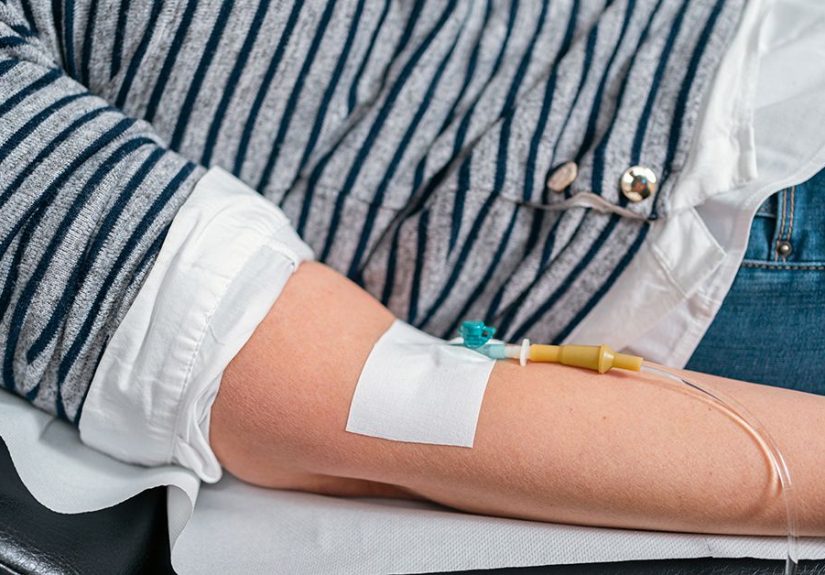
The most common approach is a short course of intravenous (IV) methylprednisolone. Many treatment plans use several consecutive days of high-dose IV medication, often delivered in an infusion center, outpatient clinic, or sometimes at home with nursing support.
Typical real-world dosing examples (not instructions): many clinicians use something like 500–1,000 mg daily for 3–5 days, with the exact plan based on the relapse, your health history, and clinician preference.
2) High-Dose Oral Steroids (When IV Isn’t Practical)
High-dose oral steroids can sometimes be used as an alternative to IV treatment. Research has found that high-dose oral methylprednisolone can be similarly effective to IV in accelerating recovery for many people. The key is that the oral dose must be equivalent to the high IV dosethis is not the same thing as a standard low-dose prednisone prescription.
Typical real-world dosing examples (again, not instructions): some protocols use high-dose oral methylprednisolone for 3–5 days, or in some cases an oral prednisone regimen designed to match IV-equivalent steroid exposure.
3) Do You Need a Steroid Taper?
This is one of those “ask three neurologists, get four opinions” topics. Some clinicians use a short taper (gradually lowering doses) after high-dose steroids to reduce rebound symptoms, while others do not routinely taper after a short high-dose course.
The best approach depends on your relapse severity, past reactions, diabetes or blood pressure risk, mood history, osteoporosis risk, and how you’ve responded to steroids before. In other words: your body gets a vote.
4) Other Steroid Alternatives (Selected Cases)
- Dexamethasone: sometimes used if methylprednisolone isn’t tolerated.
- Repository corticotropin injection (often known as ACTH gel): sometimes considered when a relapse doesn’t respond to steroids or when steroids aren’t an option.
What Steroids Can Do (and What They Can’t)
What Steroids Can Do
- Speed up recovery from a relapse (you may improve sooner than you would without treatment).
- Reduce inflammation that’s contributing to symptoms.
- Help you return to function fasterwhich matters a lot when you’re trying to work, care for family, or simply walk to the kitchen without negotiating with the floor.
What Steroids Can’t Do
- They don’t cure MS.
- They don’t replace long-term MS therapy. Steroids are a relapse tool, not a prevention plan.
- They may not change your long-term MS course. Their most established benefit is faster recovery, although research continues to explore longer-term impacts.
A practical way to frame it: steroids are often about time. If the relapse would take eight weeks to improve on its own, steroids might help you recover in fewer weeks. The goal is not superhero powersjust getting back to your baseline sooner.
Steroid Side Effects: The Good, the Bad, and the “Why Am I Cleaning the Garage at 2 A.M.?”
Side effects vary widely. Some people finish steroids with minimal issues, while others feel like they drank twelve espressos and argued with a raccoon. Short courses are common in MS relapse treatment, which reduces certain long-term risksbut even short courses can be intense.
Common Short-Term Side Effects
- Insomnia (the classic “wide awake at midnight, reorganizing your spice rack” experience)
- Mood changes (irritability, anxiety, or feeling unusually “amped”)
- Metallic taste during or after infusion
- Stomach upset, indigestion, or heartburn
- Facial flushing and warmth
- Increased appetite and fluid retention
- Headache or jittery feelings
- Temporary blood sugar increases (especially in people with diabetes or prediabetes)
- Temporary blood pressure increases
Less Common but Important Side Effects (Call Your Clinician)
- Severe mood symptoms (panic, depression, mania, or feeling unsafe)
- Confusion or psychosis (rare, but urgent)
- Allergic reaction (hives, swelling, trouble breathing)
- Significant vision changes or eye pain
- Severe abdominal pain or black/tarry stools (possible GI bleedingurgent)
- Signs of infection (fever, worsening urinary symptoms), because steroids can suppress immune responses
Longer-Term Risks (More Relevant With Repeated Courses)
Occasional short courses are common in MS relapse care, but repeated steroid use can add up. Over time, corticosteroids may increase the risk of:
- Bone loss (osteoporosis) and fractures
- Cataracts and other eye issues
- Weight gain and metabolic changes
- Diabetes worsening
- Avascular necrosis (rare but serious bone damage)
If you need steroids frequently, your care team may discuss ways to reduce relapse risk (often by reassessing long-term disease control) and ways to protect bones and overall health.
How to Survive Steroid Week Like a Pro (Without Becoming a Night Owl Supervillain)
Steroids can be roughbut there are practical strategies that many clinicians recommend to reduce side effects. Always tailor these with your clinician, especially if you have diabetes, hypertension, ulcers, mood disorders, or other health concerns.
Sleep: Don’t Fight Biology Bare-Handed
- Schedule doses early when possible (morning/early afternoon).
- Cut back caffeine and “late-night scrolling.” Steroids + doomscrolling is a known recipe for 3 a.m. dread.
- If insomnia is severe, ask your clinician what’s safe for yousome people are prescribed a short-term sleep aid.
Stomach Protection
- Take oral steroids with food if your clinician says it’s okay.
- Ask whether you should use an acid reducer (some clinics prescribe GI protection for people at risk).
- Avoid mixing steroids with frequent NSAIDs (like ibuprofen) unless your clinician approvesthis can raise GI risk for some people.
Blood Sugar and Blood Pressure
- If you have diabetes/prediabetes, ask about a plan for monitoring and short-term medication adjustments.
- Limit concentrated sweets and high-salt foods during treatment to reduce spikes and fluid retention.
- Monitor blood pressure if you’re prone to hypertension or feel symptoms like pounding headaches or chest discomfort.
Mood and Anxiety
- Warn your household in advance: “I’m not mad at you, I’m just on steroids.” (Everyone wins.)
- Keep routines calming and predictable during treatmentsleep, meals, hydration, and light movement help.
- If you have a history of mood disorders, tell your neurologist before treatment so they can plan proactively.
Hydration and Food
- Hydrate regularly (unless you’re on fluid restriction).
- Choose balanced meals with protein and fiber to reduce appetite swings and sugar spikes.
- If steroids make you ravenous, plan snacks you won’t regret later (nuts, yogurt, fruit, veggies, cheese).
Special Situations: When Steroid Decisions Get Extra Personal
Diabetes, Prediabetes, or “My Blood Sugar Hates Surprises”
Steroids can raise blood glucose, sometimes significantly. If you already manage diabetes, your clinician may recommend more frequent glucose checks and temporary medication adjustments. Don’t “wing it”steroid-related hyperglycemia is common, predictable, and manageable with a plan.
Hypertension and Heart Concerns
Steroids may temporarily raise blood pressure and cause fluid retention or palpitations in some people. If you have hypertension, heart disease, or a history of steroid-related BP spikes, mention it before treatment so monitoring can be built in.
History of Anxiety, Depression, or Bipolar Disorder
Mood effects can show up fastsometimes within days. People with a history of mood disorders deserve extra caution and proactive support. If you notice severe agitation, panic, hopelessness, or unsafe thoughts, contact your clinician promptly.
Pregnancy
Steroids may still be used during pregnancy when relapse symptoms significantly affect function. The decision involves balancing maternal health and fetal considerations, and it’s often managed collaboratively between neurology and obstetrics.
What If Steroids Don’t Work?
Sometimes symptoms don’t improve after steroids. That doesn’t automatically mean nothing happenednerves can take time to recover. But if a relapse is severe or function-limiting and you’re not improving, clinicians may consider additional steps.
Common Next-Step Options (Clinician-Directed)
- Re-check the diagnosis: Is this a true relapse, a pseudo-relapse, or something else?
- Repeat or extend steroid treatment in selected cases.
- Plasma exchange (PLEX/TPE): often considered for severe, steroid-refractory relapses.
- IVIG or other specialized approaches in select scenarios.
- ACTH gel in certain refractory cases or when corticosteroids aren’t an option.
Plasma exchange is a more intensive therapy and is typically reserved for severe relapses that do not respond to high-dose steroids. It usually requires specialized medical settings and careful risk/benefit discussion.
Questions to Ask Your Neurologist Before (or During) Steroid Treatment
- Do my symptoms sound like a true relapse or a pseudo-relapse?
- What steroid regimen are you recommending (IV vs oral), and why?
- Do I need a taper afterward?
- How should I manage sleep issues, stomach upset, or mood changes if they happen?
- Should I monitor blood sugar or blood pressure during treatment?
- What symptoms mean I should call you urgently?
- If this doesn’t work, what’s our Plan B?
Real-World Experiences (500+ Words): What Steroids for MS Can Feel Like
Steroid experiences are wildly individualtwo people can receive the same medication and have totally different weeks. Still, many stories share a familiar pattern. Here’s what people commonly describe, along with practical takeaways. (These are experiences, not medical instructions.)
The Infusion Center Routine
People getting IV methylprednisolone often describe a surprisingly “normal” appointment vibe: check-in, vitals, IV placement, and then a bag of medication dripping in while you scroll your phone, chat with nurses, or stare at a wall and contemplate every life decision that led you to fluorescent lighting. Some people taste a metallic flavor during infusion or shortly afterodd but usually temporary.
A common practical tip patients share: bring water, a snack, and something to do. It’s not glamorous, but it helps the time pass. If you’ve had trouble with IVs before, asking for a warm pack or a more experienced IV starter can make the day easier.
The “I’m Tired but I Can’t Sleep” Paradox
Insomnia is one of the most talked-about side effects. People often say they feel physically worn out from the relapse, yet their brain becomes a late-night brainstorming machine. Some describe it as “jet lag + espresso.” That’s why many clinicians try to schedule steroid doses earlier in the day when possible.
Patients also mention that planning for sleep helps: lowering caffeine, keeping evenings calm, and treating bedtime like a ritual rather than a negotiation. If insomnia becomes severe, it’s worth telling your clinicianbecause sleep is not optional when your nervous system is trying to recover.
Mood Swings and the Surprise Personality DLC
Some people feel energized, talkative, and unusually productive. Others feel anxious, snappy, or emotionally “raw.” A very common theme is that mood changes can sneak up fastso people who’ve been through steroid courses often warn family or coworkers in advance: “If I seem intense this week, it’s the meds, not a personal attack.”
Many patients find it helps to lower expectations and avoid big conflicts during treatment. If you feel emotionally unsteady, loop in a trusted person and let your care team knowespecially if you have a history of depression, anxiety, or bipolar disorder.
Appetite, Cravings, and the Great Snack Migration
Steroids can increase appetite and cause cravings that feel oddly urgent. People describe wanting salty foods, sweets, or “anything within arm’s reach.” Some plan ahead by stocking easy, balanced snacks so they’re not stuck choosing between hunger and regret.
The Recovery Timeline: Faster, Not Instant
One of the most important “experience-based” lessons is managing expectations. Many people notice improvement within days, but others improve more gradually over weeks. Steroids can shorten relapse recovery time, but they don’t always create an immediate reset button. People often say the most helpful mindset is: “I’m supporting recovery, not demanding perfection.”
What People Wish They’d Known
- Ask about side effects before you start, so you’re not surprised by insomnia or mood changes.
- If you’re prone to blood sugar or blood pressure issues, make a monitoring plan up front.
- Hydration, food, and rest matter more than usualrecovery is a full-time job.
- If steroids don’t help enough, it’s not “failure.” It may mean you need a different next step.
Conclusion
Steroids are a common, evidence-based tool for treating MS relapsesparticularly when symptoms are function-limiting. Their biggest benefit is often speeding recovery, helping you get back to baseline sooner. The tradeoff is side effects, which range from mildly annoying to seriously disruptive, especially around sleep, mood, blood sugar, and stomach comfort.
The most empowering approach is a personalized plan: confirm whether it’s a true relapse, choose the right steroid strategy (IV or oral), prepare for side effects, and know what options exist if steroids don’t do enough. MS is complicated, but your relapse plan doesn’t have to be a mystery.