Table of Contents >> Show >> Hide
- What Is a Smokybrown Cockroach?
- How to Identify Smokybrown Cockroaches
- Where Smokybrown Cockroaches Live
- What Smokybrown Cockroaches Eat
- Life Cycle and Behavior
- Are Smokybrown Cockroaches Dangerous?
- How to Control Smokybrown Cockroaches
- Smokybrown Cockroaches vs. Other Common Roaches
- Practical Tips to Prevent Smokybrown Cockroach Infestations
- Real-Life Experiences: Living (and Not Living) With Smokybrown Cockroaches
- Conclusion
If there were an award for “least welcome guest at the backyard barbecue,” the smokybrown cockroach would be a strong contender. These shiny mahogany invaders love warmth, humidity, and anything remotely resembling food. While they’re more at home outdoors than on your kitchen counter, they’ll happily cross that line if conditions are right. Understanding how to identify, manage, and prevent smokybrown cockroaches is the key to keeping them out of your living space and firmly in the “nature, not inside” category.
What Is a Smokybrown Cockroach?
The smokybrown cockroach (Validiblatta fuliginosa, formerly known as Periplaneta fuliginosa) is a large, winged cockroach species in the family Blattidae. It thrives in warm, humid regions and is especially common in the southern United States, parts of Asia, Australia, and other subtropical to tropical climates.
Unlike the more widely known German cockroach that prefers indoor kitchens and bathrooms, smokybrown cockroaches are primarily outdoor dwellers. However, when they do wander indoorsoften in search of water or foodthey can quickly become a persistent pest and potential health concern.
How to Identify Smokybrown Cockroaches
Size and Color
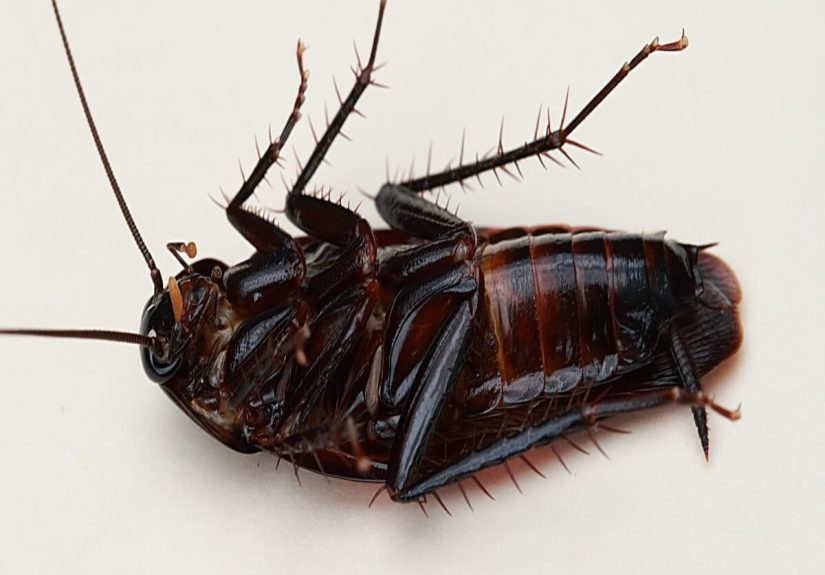
Smokybrown cockroaches are on the larger side compared with many other household roaches. Adults typically measure about 1.25 to 1.5 inches (roughly 32 to 38 millimeters) in length. Their most striking feature is their rich, uniform coloration: they are a glossy, dark mahogany or chocolate-brown from head to wing tips, without the lighter markings you see on American cockroaches.
Wings and Flight
Both male and female smokybrown cockroaches have long wings that extend beyond the tip of the abdomen. They are capable fliersmuch more so than some other common roach species. In warm, humid evenings, adults may glide toward lights or elevated surfaces, which is why homeowners sometimes discover them on porch ceilings or near outdoor fixtures.
Head and Thorax
If you can get close enough (ideally when the roach is no longer moving), you’ll notice that the smokybrown’s pronotumthe shield-like plate behind the headis uniformly dark and shiny. American cockroaches, by contrast, have a lighter, yellowish pattern on the pronotum that looks a bit like a figure-eight. The smokybrown’s lack of that pattern makes identification easier once you know what to look for.
Egg Cases and Nymphs
Smokybrown cockroach egg cases, called oothecae, are dark brown and about 0.5 inches long. Each ootheca can contain a dozen to several dozen eggs. Females usually carry the egg case briefly and then deposit it in a sheltered, protected location. Nymphs (the immature stages) are smaller and may show lighter bands before they darken with age, but they will eventually develop the same overall mahogany tone as adults.
Where Smokybrown Cockroaches Live
Outdoor Habitat
Smokybrown cockroaches have one major non-negotiable requirement: moisture. They lose water more quickly than some other roach species and therefore need consistently humid environments to survive. Outdoors, they’re commonly found in:
- Mulch beds and leaf litter
- Woodpiles and stacked firewood
- Clogged gutters and roof valleys
- Hollow trees, tree holes, and dense shrubs
- Under decks, porches, and storage sheds
These spots provide shade, humidity, and plenty of organic material to feed onbasically a roach all-inclusive resort.
Indoor Hideouts
Smokybrown cockroaches usually prefer to stay outside, but heavy rain, drought, extreme heat, or cold can drive them indoors. When they do come in, they gravitate toward the upper parts of structures and moist, hidden areas, such as:
- Attics and crawl spaces
- Wall voids and ceiling spaces
- Kitchens, bathrooms, and laundry rooms with plumbing leaks
- Basements with high humidity
You may see them near drains, around pet water bowls, or coming in through gaps around doors and windows after dark.
What Smokybrown Cockroaches Eat
Smokybrown cockroaches are classic scavengers. In the wild, they feed on decaying organic matter, such as fallen leaves, plant debris, and animal waste. Around homes, they are far less picky and will happily sample:
- Garbage and compost
- Pet food and crumbs
- Paper, cardboard, and book bindings
- Soap residues and grease
- Ripe or rotting fruit
This broad diet helps them thrive in many different environments and makes sanitation especially important in controlling them.
Life Cycle and Behavior
The life cycle of a smokybrown cockroach includes egg, multiple nymphal stages, and adult. Depending on temperature and humidity, development from egg to adult can take many monthsoften around 6 to 12 months or more. Adults may live close to or over a year, especially in ideal conditions.
One of the reasons homeowners struggle with these pests is their reproductive potential. Each female can produce numerous oothecae, each containing dozens of eggs. Left unchecked, a few roaches can turn into a sizable population entrenched around your home’s exterior and occasionally invading indoors.
Are Smokybrown Cockroaches Dangerous?
Most people react to cockroaches with a mix of disgust and panic, but beyond the “ick” factor, smokybrown cockroaches can pose real health risks. They do not bite or sting, but they can carry and spread pathogens as they move between sewers, garbage, decaying matter, and human living spaces.
Researchers and public health experts have linked cockroaches in general, including smokybrown roaches, to the spread of bacteria that can cause foodborne illness and gastrointestinal infections. Their shed skins, saliva, and feces can also act as potent allergens, contributing to allergy symptoms and asthma attacks, especially in children and people with respiratory issues.
How to Control Smokybrown Cockroaches
Effective smokybrown cockroach control is all about combining good sanitation, habitat modification, and targeted treatments. Think of it as a three-part strategy: make your property less attractive, block their entry, and eliminate the roaches that remain.
1. Sanitation: Remove Food and Water Sources
- Keep garbage sealed in containers with tight-fitting lids and take it out regularly.
- Clean up food spills and crumbs promptlyespecially in kitchens, dining areas, and around pet bowls.
- Store pet food in sealed containers and avoid leaving food out overnight.
- Fix leaky faucets, pipes, and outdoor spigots to reduce moisture.
- Ensure gutters and downspouts are clear to prevent standing water and soggy debris.
Sanitation alone won’t wipe out an established infestation, but it dramatically reduces the resources that help roaches thrive.
2. Habitat Modification: Make the Outdoors Less Roach-Friendly
Because smokybrown cockroaches are primarily outdoor pests, modifying the landscape around your home is critical:
- Trim shrubs, tree branches, and vegetation away from exterior walls and rooflines.
- Rake and remove leaf litter and heavy mulch layers near the foundation.
- Store firewood off the ground and away from the house.
- Repair loose shingles, siding, and soffits that can create hidden harborage spots.
- Use yellow “bug” lights outdoors, which tend to attract fewer flying insects than bright white lights.
Studies on smokybrown cockroach management show that landscape and structural conditions strongly influence population size around homes, and that integrated pest management (IPM) approaches focusing on habitat and sanitation can reduce reliance on insecticides.
3. Exclusion: Seal Up Entry Points
Even if you can’t eliminate every roach outdoors, you can make it much harder for them to get inside. Focus on:
- Sealing cracks and gaps around windows, doors, and foundations with caulk or weatherstripping.
- Installing or repairing door sweeps on exterior doors.
- Screening vents, weep holes, and attic openings with fine mesh where appropriate.
- Ensuring that utility lines and plumbing penetrations are sealed where they enter the building.
These measures help block not only smokybrown cockroaches but also ants, spiders, and other pests looking for a way in.
4. Chemical and Professional Treatments
When smokybrown populations are high or infestations are persistent, targeted insecticide use may be needed. Common tools include:
- Baits: Gel baits or bait stations placed in strategic outdoor and indoor locations where roaches travel.
- Residual sprays: Insecticides applied to exterior perimeter areas, cracks, and crevices according to label directions.
- Dusts: Insecticidal dusts applied in wall voids, attics, and crawl spaces where roaches hide.
- Insect growth regulators (IGRs): Products that interfere with roach development and reproduction, helping to suppress populations over time.
Research comparing perimeter-only insecticide treatments to integrated approaches has found that IPM strategiescombining landscape management, sanitation, and reduced insecticide usecan provide longer-lasting control while minimizing chemical exposure.
For large or stubborn infestations, working with a licensed pest management professional is often the most efficient and safest option. They can accurately identify the species, locate key harborage sites, and design a custom treatment plan.
Smokybrown Cockroaches vs. Other Common Roaches
Because control strategies and expectations can differ by species, it’s helpful to distinguish smokybrown cockroaches from other well-known roaches:
- American cockroach: Larger, with reddish-brown body and a lighter, tan “figure-eight” pattern on the pronotum; often associated with sewers, basements, and commercial buildings.
- German cockroach: Smaller indoor species with two dark stripes behind the head; strongly associated with kitchens and bathrooms and usually indicates indoor breeding colonies.
- Oriental cockroach: Dark, almost black, with reduced wings in females; prefers cool, damp areas like crawl spaces and drains.
The uniform mahogany color and strong flying ability of smokybrown cockroaches, plus their preference for outdoor, humid habitats, set them apart from their cousins.
Practical Tips to Prevent Smokybrown Cockroach Infestations
To recap, a solid prevention plan includes:
- Reducing moisture indoors and outdoors with proper drainage, plumbing repairs, and ventilation.
- Maintaining good sanitation, especially with food storage, trash management, and pet feeding routines.
- Cleaning gutters and trimming vegetation that touches the house.
- Sealing cracks, gaps, and other entry points.
- Using baits or other targeted treatments when needed, ideally as part of a broader IPM strategy.
Real-Life Experiences: Living (and Not Living) With Smokybrown Cockroaches
Facts and figures are helpful, but anyone who has ever switched on the porch light and watched a large, winged roach glide across the siding knows there’s an emotional side to pest control too. Smokybrown cockroaches often show up first as “mystery bugs” on decks, in garages, or in mailboxes. Homeowners may only see one or two at a time and assume it’s a flukeuntil they open the attic access and start to hear the soft rustle of wings.
Many people’s first encounter is seasonal. In late spring or early summer, after a warm rainy spell, the population explodes. A homeowner might step outside to take the trash and suddenly spot a shiny mahogany roach perched under the eaves, seemingly waiting for its close-up. It’s not personalsmokybrowns are simply responding to humidity and food availabilitybut it definitely feels personal when they’re on your house.
One common mistake is focusing only on what happens inside the home. Someone might sprinkle a little insecticide in the kitchen and call it a day, only to keep seeing roaches near doors or sinks. With smokybrown cockroaches, the real action is usually outdoors: clogged gutters filled with wet leaves, a firewood stack pressed against the siding, or a thick layer of mulch holding moisture right up against the foundation. Once those outdoor “roach condos” are cleaned up and dried out, sightings often drop dramatically.
Another recurring scenario involves pet owners. A large water bowl on the patio, mixed with scattered kibble, is essentially a 24-hour roach buffet. Smokybrowns are attracted to both the food and the water. Pet owners who start picking up bowls at night, switching to elevated feeders, and wiping the area down often report a noticeable decrease in nightly roach visits without doing anything particularly high-tech or chemical-heavy.
In humid regions like the Gulf Coast or parts of the Southeast, homeowners quickly learn that “zero roaches forever” isn’t realistic. Instead, the goal is to make your property the least appealing on the block. Regular gutter cleaning, trimming back tree limbs, and avoiding thick, constantly wet mulch near the house can shift your home from “roach paradise” to “roach-unfriendly real estate.” When that’s combined with well-placed baits and professional guidance as needed, even neighborhoods with heavy smokybrown pressure can keep infestations under control.
On the bright side, dealing with smokybrown cockroaches sometimes inspires broader home improvements. People who start by sealing gaps to block roaches often notice fewer drafts and better energy efficiency. Cleaning out the attic to remove roach harborage may reveal wiring issues or insulation problems that needed attention anyway. In a strange way, these unwelcome pests can act as tiny, winged inspectors, pointing out damp, cluttered, or neglected areas that benefit from a little extra care.
Ultimately, understanding smokybrown cockroach behaviorwhere they like to live, what they eat, and how they movetransforms them from mysterious “flying nightmare bugs” into a manageable maintenance issue. You don’t have to love them (and honestly, very few people do), but with smart prevention and control strategies, you can keep the relationship strictly long-distance.
Conclusion
Smokybrown cockroaches are resilient, moisture-loving pests that thrive in warm, humid environments. Their uniform mahogany color, strong flying ability, and preference for outdoor habitats help distinguish them from other roach species, but they still pose similar health risks when they wander indoors. By combining sanitation, habitat modification, exclusion, and targeted treatmentsideally within an integrated pest management frameworkyou can significantly reduce smokybrown cockroach activity around your home.
Instead of reacting in panic every time one glides past your porch light, you can take a proactive approach that makes your property less attractive and keeps these glossy intruders at a comfortable distance. A little knowledge, plus a lot of leaf-raking and gap-sealing, goes a long way.