Table of Contents >> Show >> Hide
- Slide 1: Why Liver Problems Are So Easy to Miss
- Slide 2: Jaundice The Classic Warning Sign
- Slide 3: Dark Urine and Pale Stools
- Slide 4: Fatigue That Feels Bigger Than Ordinary Tiredness
- Slide 5: Loss of Appetite, Nausea, and Unplanned Weight Loss
- Slide 6: Pain or Discomfort in the Upper Right Abdomen
- Slide 7: Itchy Skin With No Obvious Rash
- Slide 8: Swelling in the Belly, Legs, or Ankles
- Slide 9: Easy Bruising and Bleeding
- Slide 10: Confusion, Sleepiness, and Brain Fog
- Slide 11: Spider-Like Blood Vessels and Red Palms
- Slide 12: Symptoms Can Differ by Type of Liver Disease
- Slide 13: When Symptoms Mean “Get Help Soon”
- Slide 14: How Doctors Check for Liver Problems
- Slide 15: The Big Takeaway
- Real-Life Experiences: What These Symptoms Can Feel Like Day to Day
- Conclusion
The liver is the overworked backstage crew of the body. It filters blood, processes nutrients, helps regulate energy, stores vitamins, and deals with toxins without asking for applause. The trouble is that liver problems can be sneaky. In many cases, symptoms do not show up early, which means people may feel “mostly fine” while the liver is quietly waving a tiny warning flag from behind the curtain.
That is why knowing the symptoms of liver problems matters. Some signs are subtle, like fatigue or a vague loss of appetite. Others are more dramatic, like yellowing eyes, swelling in the belly, or confusion that seems to come out of nowhere. None of these symptoms automatically mean liver disease, but together they create a pattern worth taking seriously.
This slideshow-style guide breaks down the most common liver disease symptoms, explains why they happen, and shows how they may appear in everyday life. Think of it as a practical, reader-friendly tour of what your body may be trying to say when your liver is not happy.
Slide 1: Why Liver Problems Are So Easy to Miss
The liver is resilient to a fault
One reason liver disease can go unnoticed is that the liver is incredibly good at compensating. It keeps doing its job even when it is stressed, inflamed, or partially scarred. That sounds heroic, and it is, but it also means symptoms often arrive late to the party.
Early liver trouble may cause only mild signals: a little more tiredness than usual, less appetite, a strange sense of fullness, or discomfort in the upper right side of the abdomen. These signs are easy to brush off as stress, poor sleep, holiday eating, or “just getting older.” The liver, meanwhile, is sitting there like the world’s most patient employee wondering whether anyone plans to notice.
Slide 2: Jaundice The Classic Warning Sign
When skin and eyes look yellow
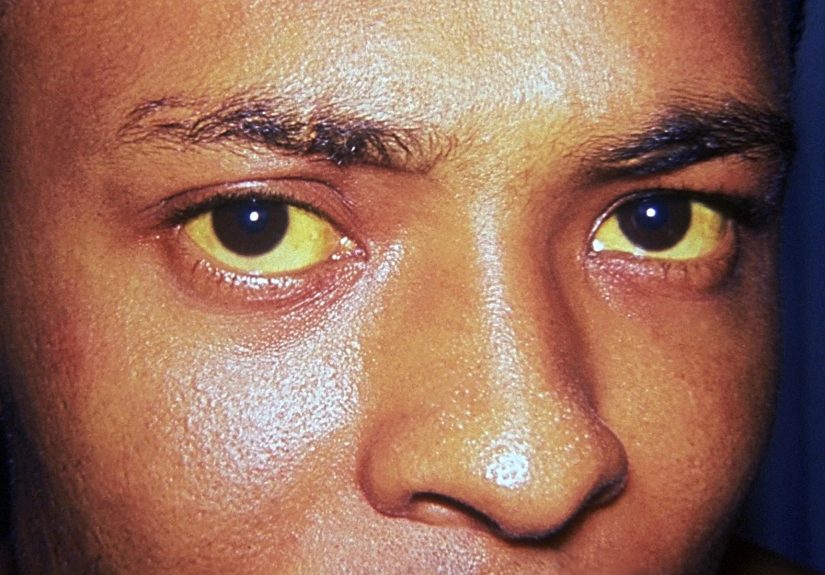
Jaundice is one of the best-known symptoms of liver problems. It happens when bilirubin, a yellow pigment produced as red blood cells break down, builds up in the body. Normally, the liver processes bilirubin and helps remove it. When that system gets disrupted, the pigment can collect in the blood and tissues.
For some people, jaundice first appears in the whites of the eyes. Others notice yellowing in the skin. On deeper skin tones, the change may be subtler, so the eyes may be the first place it is spotted. Jaundice is not something to shrug off. It is a major clue that the liver or bile flow may not be working as it should.
Slide 3: Dark Urine and Pale Stools
Your bathroom can become a diagnostic drama set
Not every health clue arrives with fanfare. Sometimes it arrives in the toilet bowl. If urine becomes unusually dark, even when a person is well hydrated, it can signal excess bilirubin leaving the body through the kidneys. On the flip side, pale, clay-colored, or light stools may mean bile is not reaching the intestines normally.
This combination matters because bile helps give stool its usual brown color. When bile flow is blocked or the liver is not processing properly, color changes can show up fast. It is not glamorous, but it is useful information. The body is not being gross; it is being surprisingly informative.
Slide 4: Fatigue That Feels Bigger Than Ordinary Tiredness
Not just “I need another coffee” fatigue
Fatigue is one of the most common but most overlooked signs of liver disease. People with liver problems may describe feeling drained, weak, or generally unwell. This is not always the kind of tiredness fixed by a nap, a latte, or a motivational playlist. It can feel deep, persistent, and out of proportion to daily activity.
Because fatigue is so common in modern life, it is easy to miss its significance. But when it shows up with nausea, appetite changes, itching, swelling, or jaundice, it deserves attention. A person may think they are just burned out when their liver is actually asking for backup.
Slide 5: Loss of Appetite, Nausea, and Unplanned Weight Loss
When food suddenly seems unappealing
Many liver conditions can affect digestion and overall metabolism. That can lead to loss of appetite, nausea, and sometimes vomiting. Over time, people may lose weight without trying. While surprise weight loss might sound like the kind of thing diet ads brag about, in real life it can be a red flag.
Someone might notice they are eating less because they feel full quickly, slightly queasy, or just not interested in food. If that loss of appetite comes with weakness or muscle loss, it becomes even more concerning. The liver plays a major role in processing nutrients, so when it struggles, the whole body can feel under-fueled.
Slide 6: Pain or Discomfort in the Upper Right Abdomen
The liver’s zip code matters
The liver sits in the upper right part of the abdomen, just under the rib cage. When it becomes inflamed or enlarged, a person may feel discomfort, pressure, or pain in that area. This symptom can be mild and vague or more noticeable, depending on the underlying cause.
Some people describe it as a dull ache rather than sharp pain. Others feel bloated or unusually full. On its own, abdominal discomfort has many possible causes, but when it appears alongside other liver problem symptoms, it becomes more meaningful. The body does not usually send location-specific clues for fun.
Slide 7: Itchy Skin With No Obvious Rash
When the itching feels mysterious and relentless
Itching, also called pruritus, can happen in liver disease when bile salts and related substances build up in the body. This can create intense, frustrating itching even when the skin does not look especially irritated. That is part of what makes it strange. A person may scratch and scratch while also wondering why their skin seems to be trolling them.
Liver-related itching may be widespread and can interfere with sleep. It is especially worth noticing when it appears with jaundice, dark urine, or light stools. Random itching can have many causes, but persistent itching without a clear skin explanation should not be ignored.
Slide 8: Swelling in the Belly, Legs, or Ankles
Fluid retention is not just a “salt problem”
As liver disease becomes more advanced, fluid can build up in the abdomen, a condition called ascites. Swelling can also appear in the legs, feet, or ankles. This happens because liver dysfunction can affect blood flow, pressure in veins, and the body’s ability to balance fluids and proteins.
A swollen belly from ascites can feel uncomfortable, heavy, or tight. Swollen legs may seem like ordinary puffiness at first, especially after standing for long periods. But when swelling keeps happening or shows up with jaundice, fatigue, or easy bruising, it deserves medical evaluation.
Slide 9: Easy Bruising and Bleeding
When the body’s repair crew starts falling behind
The liver helps make proteins needed for blood clotting. When liver function declines, bruising may happen more easily and bleeding may take longer to stop. A person may notice frequent bruises with little memory of bumping into anything, which can be unsettling unless they recently tried to reorganize the garage in the dark.
More serious cases may involve nosebleeds, gum bleeding, or signs of internal bleeding. Easy bruising is not exclusive to liver disease, but it is a classic clue when combined with other symptoms such as swelling, fatigue, or jaundice.
Slide 10: Confusion, Sleepiness, and Brain Fog
When liver trouble affects the mind
In advanced liver disease, toxins that the liver would normally filter can build up and affect brain function. This may lead to confusion, poor concentration, forgetfulness, mood changes, unusual sleepiness, or brain fog. In severe cases, people may become disoriented or hard to wake.
This complication is often called hepatic encephalopathy. It is one of the clearest signs that liver disease has moved beyond mild trouble. If someone with known or suspected liver disease becomes confused, unusually drowsy, or mentally “off,” that is not a wait-and-see moment.
Slide 11: Spider-Like Blood Vessels and Red Palms
Small skin changes can say big things
Some people with chronic liver disease develop tiny, spider-like blood vessels near the skin surface, often on the face, neck, or chest. Others may notice redness in the palms, called palmar erythema. These changes are not dramatic for everyone, but they can be part of the overall liver disease picture.
They are especially important because they often appear alongside more familiar symptoms like fatigue, itching, and abdominal swelling. Skin can function like a billboard for what is happening internally, even if the message is written in tiny blood vessels.
Slide 12: Symptoms Can Differ by Type of Liver Disease
One organ, many possible causes
Not all liver problems look the same. Fatty liver disease, including metabolic dysfunction-associated steatotic liver disease, may cause no symptoms at first or only vague fatigue and right-sided discomfort. Hepatitis may bring fatigue, nausea, fever, dark urine, and jaundice. Cirrhosis can lead to itching, swelling, easy bruising, and confusion as scarring gets worse.
In other words, liver disease is not one neat, tidy condition. It is a category that includes inflammation, fat buildup, scarring, immune-related disease, alcohol-associated damage, bile flow problems, inherited disorders, and even cancer. That is why a proper diagnosis matters. A symptom checklist can raise suspicion, but it cannot replace testing and medical evaluation.
Slide 13: When Symptoms Mean “Get Help Soon”
Do not try to out-stubborn your liver
Some symptoms should prompt quick medical attention: yellow eyes or skin, a swollen abdomen, vomiting blood, black stools, severe weakness, sudden confusion, extreme sleepiness, or rapid worsening of symptoms. These can signal advanced liver disease, internal bleeding, bile flow obstruction, or even acute liver failure.
It is also smart to seek care for persistent fatigue, appetite loss, nausea, abdominal discomfort, or unexplained bruising when they do not improve. The liver is forgiving, but it is not magical. Catching a problem early can make a huge difference.
Slide 14: How Doctors Check for Liver Problems
Symptoms start the conversation, tests tell the story
Doctors usually look at the full picture: symptoms, physical exam, medical history, alcohol use, medications, supplements, risk factors, and family history. They may order blood tests such as liver function tests, imaging like ultrasound, and sometimes additional scans or a biopsy depending on what they suspect.
This matters because some people have significant liver disease with few symptoms, while others have obvious symptoms from something less severe. The body offers clues, but tests help sort out the plot twist.
Slide 15: The Big Takeaway
Listen when the body gets weird in consistent ways
The most important thing to remember is that symptoms of liver problems often build gradually. A single bad day does not equal liver disease. But a pattern of fatigue, nausea, itching, dark urine, pale stools, upper right abdominal discomfort, swelling, easy bruising, or jaundice should not be brushed off.
Your liver does a staggering amount of work with almost no applause. The least we can do is pay attention when it starts sending signals. If the body turns your eyes yellow, your skin itchy, your belly swollen, and your energy level into a flat tire, that is not “being dramatic.” That is communication.
Real-Life Experiences: What These Symptoms Can Feel Like Day to Day
Because symptoms are not just medical terms on a chart
Reading a symptom list is useful, but it can also feel abstract. In real life, people do not usually wake up and say, “Ah yes, today I appear to have hepatobiliary dysfunction.” They say things like, “I am exhausted all the time,” “Food suddenly sounds terrible,” or “Why do my ankles look like they borrowed someone else’s shoes?” That gap between clinical language and lived experience is important.
For many people, the first sign is not pain. It is a vague sense that something feels off. A person may notice they cannot get through the afternoon without feeling wiped out. They may stop finishing meals because nausea sneaks in halfway through lunch. They may assume stress is the culprit, or age, or poor sleep, or that one chaotic week that somehow turned into four chaotic months.
Others describe itching that becomes the most annoying background noise in their lives. It is not a rash exactly. It is just constant enough to interrupt focus, sleep, and patience. Some people notice dark urine first and think they are dehydrated, only to realize it stays dark even when they drink more water. Others spot pale stools or yellowing in the eyes under bathroom lighting and suddenly replay every weird symptom from the last few weeks.
Swelling can be especially confusing. People may think they are retaining water, eating too much sodium, or simply gaining weight. But liver-related swelling often feels different. Rings fit tighter. Shoes feel wrong. The belly may seem firm, stretched, or strangely heavy. And if a person is also losing appetite or muscle while the abdomen gets bigger, that contrast can feel deeply unsettling.
The mental symptoms can be even harder to explain. Brain fog is an easy phrase to dismiss, but people living with liver-related cognitive changes often describe something more disruptive: trouble focusing, forgetting simple details, mixing up words, feeling sleepy at odd times, or acting unlike themselves. Family members may notice before the person does. That can be frightening, especially when the change seems to happen fast.
These experiences matter because they remind us that liver disease does not always arrive like a movie emergency. Sometimes it enters like a slow, confusing rewrite of everyday life. Energy drops. Appetite fades. Skin itches. Concentration slips. A person keeps adapting until one day the pattern becomes impossible to ignore. That is why awareness is so valuable. The earlier someone recognizes that these scattered changes may belong to the same story, the sooner they can get evaluated and start figuring out what is really going on.
And yes, sometimes the body’s messaging system is inconvenient, awkward, and deeply unglamorous. But it is also honest. It tells the truth in clues: color changes, swelling, fatigue, bruises, discomfort, confusion. The trick is taking those clues seriously before the liver has to get louder.
Conclusion
Liver problems can be quiet for a long time, which is exactly why their symptoms deserve attention. Jaundice, fatigue, dark urine, pale stools, itching, nausea, swelling, appetite loss, bruising, and confusion are not random complaints when they appear together. They can form a pattern that points toward liver disease, fatty liver, hepatitis, cirrhosis, or liver failure.
The good news is that noticing symptoms early can lead to earlier testing, earlier answers, and better outcomes. If the body starts sending repeat signals, it is worth listening. The liver may be a silent multitasker, but when it does speak up, it usually has a reason.