Table of Contents >> Show >> Hide
- What “Dry Cough” Usually Means (And Why It Gets Louder After Bedtime)
- The 15-Step Plan to Calm a Child’s Dry Cough (Safely)
- Step 1: Check for “call now” warning signs
- Step 2: Hydration first (because dry airways hate dehydration)
- Step 3: Use a cool-mist humidifier the smart way
- Step 4: Try “bathroom steam time” for stubborn nighttime cough
- Step 5: Saline + gentle nose clearing (especially if drip is the culprit)
- Step 6: Honey (only for kids 1 year and older)
- Step 7: Warm liquids for the “tickle cough”
- Step 8: Throat-soothers for older kids (lozenges, hard candy, ice pops)
- Step 9: Saltwater gargle (for kids who can gargle and spit reliably)
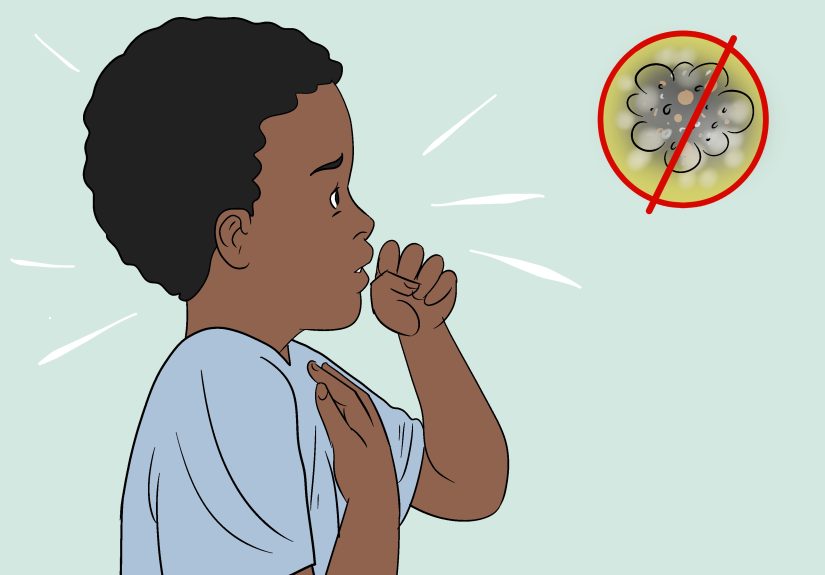
- Step 10: Reduce cough triggers in the room
- Step 11: Skip most OTC cough and cold meds for young kids
- Step 12: Use fever/pain medicine only when it helps comfort
- Step 13: Keep sleep safeespecially for babies
- Step 14: Notice patterns that hint at the real cause
- Step 15: Know the “time limits” for home care
- What Not to Do (Because the Internet Is Wild)
- Quick FAQ for Tired Parents
- Bonus: Real-World Experiences (The Stuff That Actually Happens at Home)
- Conclusion
A dry cough in kids can sound dramaticespecially at 2:07 a.m., when the whole house is asleep except your child and the
one floorboard that squeaks like it’s auditioning for a horror movie. The good news: most dry coughs in children are
caused by common viral colds or irritation and get better with time and comfort care.
This guide walks you through safe, practical ways to calm a dry cough, help your child sleep, and know when it’s time to
call the pediatrician. It’s written for real life: sticky nights, picky drinkers, and parents who don’t have time for
“just manifest wellness.”
Important: This article is general educational information and not a substitute for medical care. If you’re worriedtrust that instinct and call your child’s clinician.
What “Dry Cough” Usually Means (And Why It Gets Louder After Bedtime)
A dry cough is a cough without much mucus. It’s often triggered by throat irritation, postnasal drip, or sensitive airways.
Kids commonly cough more at night because they’re lying flat, the room air may be drier, and mucus can drip backward and
tickle the throat.
Common, usually short-lived causes
- Viral colds (the most common): Cough is part of the body’s cleanup crew.
- Postnasal drip: A runny or stuffy nose drains down the throat and triggers a “tickle cough.”
- Dry air (winter heat, air conditioning) or sudden temperature changes.
- Irritants: Smoke, vaping residue, strong fragrances, cleaning sprays, dusty rooms.
Causes worth discussing with a clinician if the cough is persistent or recurring
- Asthma or reactive airway: Coughing at night, with exercise, or with wheeze/shortness of breath.
- Allergies: Seasonal pattern, itchy eyes, frequent sneezing, chronic drip.
- Reflux: Nighttime cough, throat clearing, sour burps, cough after meals.
- Croup: Barky, “seal-like” cough, often worse at night.
The 15-Step Plan to Calm a Child’s Dry Cough (Safely)
You don’t have to do all 15. Think of this as a menu: pick the steps that match your child’s age, symptoms, and the likely
cause. When in doubt, start with the simplest comfort measures.
-
Step 1: Check for “call now” warning signs
Before home remedies, do a quick safety scan. Seek urgent care or emergency care (or call 911) if your child has:
- Breathing trouble (fast breathing, ribs pulling in, nostrils flaring, struggling to speak/cry/eat)
- Blue/gray lips or face
- Drooling or trouble swallowing (especially if sudden)
- A high-pitched noise when breathing in, or noisy breathing at rest
- Suspected choking or something stuck in the throat
- Very unusual sleepiness, confusion, or your child is hard to wake
Also call promptly for fever in very young infants, dehydration signs, or if your gut says, “This is not my kid’s normal.”
-
Step 2: Hydration first (because dry airways hate dehydration)
Fluids thin secretions and soothe irritated throat tissue. Offer small sips oftenwater, warm broth, diluted juice,
oral rehydration solutions, or popsicles. For infants, breast milk or formula are typically best.Real-life tip: If your child refuses water, try a “tiny cup challenge” or a silly straw. Sometimes the novelty does the job.
-
Step 3: Use a cool-mist humidifier the smart way
If the air is dry, adding moisture can ease throat irritation and coughingespecially overnight. Choose cool mist
(warm mist can be a burn risk). Clean the device as directed to avoid mold and bacteria growth. -
Step 4: Try “bathroom steam time” for stubborn nighttime cough
Sit with your child in a steamy bathroom for 10–20 minutes (hot shower running, child safely away from hot water).
This can temporarily reduce airway irritation and loosen congestion that’s triggering the cough.Safety note: Skip direct steam inhalation from bowls/kettlesburns happen fast.
-
Step 5: Saline + gentle nose clearing (especially if drip is the culprit)
A “dry cough” is often a nose problem in disguise. Saline drops or spray can moisten and loosen mucus, making it easier
to clear. For babies and young toddlers who can’t blow their nose, gentle suction can helpjust don’t overdo it (too much suction can irritate). -
Step 6: Honey (only for kids 1 year and older)
Honey can soothe the throat and reduce coughing, especially at night. Use it straight from a spoon or mixed into warm
water/tea (not hot enough to burn).- Do not give honey to infants under 12 months (botulism risk).
- After bedtime honey: brush teeth to protect against cavities.
-
Step 7: Warm liquids for the “tickle cough”
Warm drinks can calm throat nerves that trigger dry cough. Options include warm water, broth, caffeine-free tea, or warm
apple juice. If your child loves “special drinks,” give it a fun name like “dragon tea” (aka warm water). -
Step 8: Throat-soothers for older kids (lozenges, hard candy, ice pops)
For kids who are old enough to safely suck without choking (often school-age, and always follow package guidance),
lozenges can ease the scratchy feeling that drives a dry cough. For younger kids, popsicles or ice chips may be safer. -
Step 9: Saltwater gargle (for kids who can gargle and spit reliably)
If the cough is coming from a sore throat, gargling warm salt water can reduce irritation. This is typically for older
children who can gargle safely without swallowing.Quick mix idea: A small amount of salt in a cup of warm watergargle, then spit. (If your child can’t spit on purpose, skip this step.)
-
Step 10: Reduce cough triggers in the room
Your goal is to make your child’s airways as un-annoyed as possible:
- Keep the room comfortably cool, not overheated.
- Avoid perfumes, scented candles, and strong cleaning sprays.
- Keep pets out of the bedroom if allergies are suspected.
- No smoke exposureever (including “just outside”).
-
Step 11: Skip most OTC cough and cold meds for young kids
Over-the-counter cough/cold products can be risky in younger children and aren’t a cure for the underlying viral illness.
Many products contain multiple ingredients, which increases the chance of accidental double-dosing.If you’re considering any OTC medication, use the child’s weight-based directions, use the provided dosing tool (not a kitchen spoon),
and when in doubt, ask your pharmacist or pediatrician. -
Step 12: Use fever/pain medicine only when it helps comfort
If your child has fever or throat/chest discomfort that’s worsening the cough, a single-ingredient fever/pain reducer
may improve comfort and sleep. Use only as directed for age/weight, and avoid aspirin in children.Practical example: A child with a sore, scratchy throat may cough less once the throat pain is better controlled.
-
Step 13: Keep sleep safeespecially for babies
It’s tempting to “prop them up,” but for infants, safe sleep rules still apply even when they’re sick:
back to sleep, firm flat surface, no pillows, wedges, or inclined sleepers.For older kids, a slightly elevated head with an extra pillow may reduce drip-related coughingif it’s age-appropriate and safe.
-
Step 14: Notice patterns that hint at the real cause
A helpful clue is when the cough happens:
- Mainly at night: postnasal drip, dry air, asthma, reflux.
- With exercise/laughing: asthma/reactive airway.
- With itchy eyes/sneezing: allergies.
- Barky cough: croup (call if breathing becomes noisy or difficult).
If the cough keeps returning, bring these patterns to your clinicianthey speed up diagnosis and reduce “guess-and-stress.”
-
Step 15: Know the “time limits” for home care
Many coughs improve within days to a couple of weeks. But call your child’s clinician if:
- The cough lasts around 3 weeks or keeps coming back
- Your child has wheezing, repeated vomiting with cough, or chest pain
- Fever is high, persistent, or your child looks increasingly ill
- Your child isn’t drinking well or shows dehydration signs
Bottom line: supportive care is greatuntil it’s not enough. Don’t “wait it out” past your comfort level.
What Not to Do (Because the Internet Is Wild)
- No honey for babies under 12 months.
- No propping babies with pillows/wedges or using inclined sleepers to “help congestion.”
- Don’t use leftover antibiotics or push for antibiotics for a typical coldmost are viral.
- Don’t stack OTC products (double-dosing happens easily when products share ingredients).
- Don’t use adult meds “just a little bit.” Kid dosing isn’t tiny-adult dosing.
- Don’t smoke or vape near children (even outdoors can leave residue on clothes/hair).
Quick FAQ for Tired Parents
Why does my child cough more at night?
Lying flat can increase postnasal drip. Bedroom air is often drier. And tired kids cough more dramatically because… they’re kids.
Humidification, saline, and honey (age 1+) often help most at night.
Cool mist or warm mist?
Cool mist is generally preferred for children. Warm mist devices can cause burns, and hot air can sometimes worsen nasal swelling.
Can milk make a cough worse?
Milk doesn’t create more mucus. Some kids feel a thicker mouth coating after dairy, but it’s not the same as “making mucus.”
If your child tolerates milk, it can still count toward fluids.
How do I tell dry cough from “wet” cough?
Wet cough sounds like it’s moving mucus (gurgly, productive). Dry cough is more barky or tickly. Both can happen during the same cold.
What matters more is breathing effort, hydration, and overall behavior.
Bonus: Real-World Experiences (The Stuff That Actually Happens at Home)
Here’s the part parents rarely admit until they’re whispering in the hallway with a humidifier in one hand and a phone in the other:
a child’s cough is never just a cough. It’s a sleep disruptor, a work meeting saboteur, and a tiny nighttime alarm system
designed to activate precisely when you’ve finally gotten comfortable.
In real households, the first “experience” is usually a pattern: the cough is mild all day, then turns into a dramatic one-kid percussion
concert after bedtime. Parents often try the fastest thing firstwaterbecause it’s right there. Sometimes it works, sometimes the child
looks at the cup like you offered them a glass of disappointment. That’s when the “tiny sips often” trick becomes a game: one sip after
each page of a book, one sip after each stuffed animal is tucked in, one sip after you promise (again) that monsters do not have access
to your zip code.
Another common experience: the humidifier. Parents buy one at 9 p.m., set it up at 9:30, and feel like they’ve become an indoor-weather
engineer. Then two things happen. First, the child coughs less (victory). Second, everyone forgets to clean the humidifier until it starts
looking like it’s growing a science fair project (less victory). The families who get the best results tend to treat humidifier care like
brushing teeth: not exciting, but non-negotiable.
Honey is the other classic “why didn’t I do this earlier?” momentfor kids over 1 year old. Parents describe it as the “tiny spoon of peace”
before bed. It’s not magic, but it can quiet the cough enough for a child to fall asleep. A funny twist: once a child realizes honey helps,
they may request it like a gourmet dessert. (If that happens, teeth brushing afterward becomes part of the bedtime bargain.)
One more experience that comes up a lot is the urge to prop a baby up. It feels logical: “If I’m stuffy, I want to be elevated.”
But parents who talk with their clinicians often end up relieved to hear the same message repeated: safe sleep stays the priority, even
when baby is congested. The workaround that families like best is focusing on what you can do safelysaline drops, gentle suction
when needed, humidification, and watching for breathing effort.
Finally, there’s the “when to call” moment. Many parents describe a turning point where the cough stops being annoying and starts being
concerning: the child is working hard to breathe, can’t drink comfortably, wheezes, turns unusually sleepy, or the cough just won’t quit
week after week. In those stories, getting medical advice early doesn’t feel like “overreacting.” It feels like getting back control.
The most comforting takeaway from these experiences is simple: you don’t have to diagnose the cough perfectly at homeyou just need to
keep your child safe, comfortable, and monitored.
Conclusion
To calm a child’s dry cough, focus on what works and what’s safe: hydration, cool-mist humidity, saline for drip, honey for kids over 1,
and a low-trigger sleep environment. Skip risky shortcuts (propping infants, stacking OTC cold meds, unnecessary antibiotics), and use
time and comfort care as your baseline. Most importantly, watch your childnot just the cough. Breathing effort, hydration, and behavior
are the real indicators of when to call for help.