Table of Contents >> Show >> Hide
- Why Milk Is a Nightmare Stain (and Why Fast Action Matters)
- Before You Start: Quick Supply Checklist
- Simple Ways to Remove Milk Stains from Car Upholstery: 12 Steps
- Step 1: Blot ImmediatelyDon’t Scrub
- Step 2: Scoop or Lift Any Dried Residue
- Step 3: Vacuum the Area Thoroughly First
- Step 4: Identify Your Upholstery Type
- Step 5: Pre-Treat With a Mild Cleaner (Lightly)
- Step 6: Agitate Gently With a Soft Brush
- Step 7: Blot and Rinse Out Soap Residue
- Step 8: Use an Enzyme Cleaner for Protein-Based Milk Stains
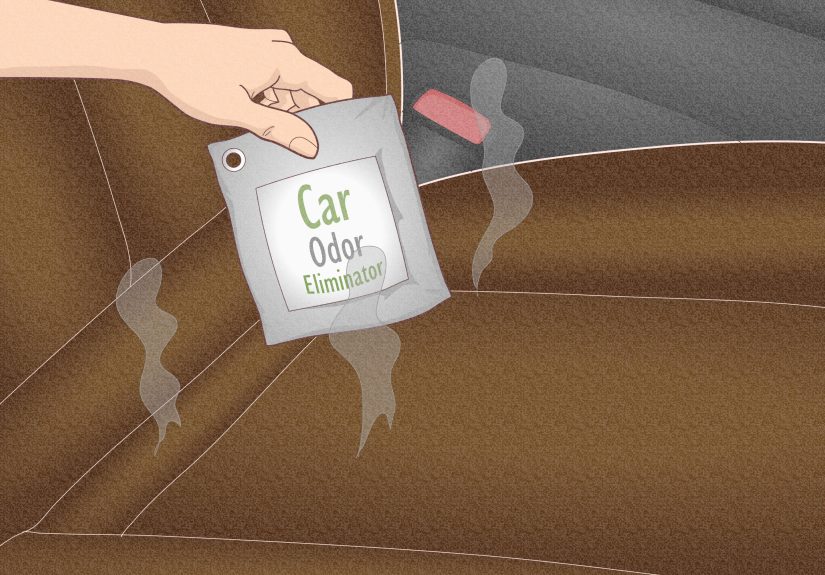
- Step 9: Deodorize After Cleaning (Not Before)
- Step 10: Dry ThoroughlyThe Non-Negotiable Step
- Step 11: Special Method for Leather Seats
- Step 12: Escalate Smartly if Odor Persists
- Common Mistakes That Keep Milk Odor Coming Back
- Quick Troubleshooting Guide
- How to Prevent Future Milk Stains in Car Upholstery
- Real-World Experience: From the Garage, Not the Lab
- Conclusion
You know the moment: a carton tips over, a sippy cup launches in slow motion, or your post-gym latte performs a full seat dive.
At first, it looks harmless. Thenusually by the next sunny afternoonyour car smells like a forgotten dairy aisle.
The good news? You can absolutely remove milk stains from car upholstery and fix the odor without turning your interior into a chemistry experiment.
In this guide, you’ll get a clear 12-step system that works for cloth and leather, plus troubleshooting tips for old stains, sour smells,
and “I already tried three random cleaners” situations. It’s practical, beginner-friendly, and built for real lifenot just spotless demo cars.
If you’ve been searching for how to remove milk stains from car upholstery, milk smell in car, or car seat stain removal,
this is your complete playbook.
Why Milk Is a Nightmare Stain (and Why Fast Action Matters)
Milk is sneaky because it’s not just liquid. It contains proteins, fats, and sugars that can cling to fibers, seep into foam padding, and keep
producing odor long after the visible spot is gone. That’s why a seat can look clean but still smell suspiciously like “hot cereal in July.”
The fix is simple in theory: remove as much milk residue as possible, clean safely for your material, treat organic residue with the right cleaner,
and dry thoroughly so moisture doesn’t linger in the cushion. Miss one of those, and the smell can return.
Nail all four, and your car goes back to smelling like, well, a carnot a dairy science project.
Before You Start: Quick Supply Checklist
- Microfiber cloths (a lot of them)
- Vacuum with crevice tool
- Soft upholstery brush
- Mild dish soap + cool/warm water
- Enzyme cleaner (for protein/organic stains)
- Baking soda
- Optional: wet/dry vacuum or extractor
- For leather seats: leather-safe cleaner + conditioner
- Fan or airflow setup for faster drying
Simple Ways to Remove Milk Stains from Car Upholstery: 12 Steps
Step 1: Blot ImmediatelyDon’t Scrub
Grab clean cloths and blot the spill right away. Press down firmly, lift, rotate to a clean section, repeat.
Don’t scrub. Scrubbing can push milk deeper into fabric and foam, and it spreads the stain outward.
Think “absorb and lift,” not “battle and grind.”
Step 2: Scoop or Lift Any Dried Residue
If the spill has already crusted, gently scrape or lift solids before adding moisture.
This prevents turning old residue into a wider, sticky mess.
A plastic trim tool or dull spoon works well; no need for aggressive tools.
Step 3: Vacuum the Area Thoroughly First
Vacuuming before wet cleaning removes loose dirt, crumbs, and dried particles so you don’t rub grit into the seat.
Use a crevice tool around seams, piping, buckle anchors, and seat edgesmilk loves hiding in all the places your eyes skip.
Step 4: Identify Your Upholstery Type
Cloth, leather, vinyl, and “leatherette” do not behave the same way.
For cloth, you can usually use water-based cleaners. For real leather, skip harsh household chemicals and use leather-safe products.
If you’re unsure, check your owner’s manual and test every product on a hidden spot first.
Step 5: Pre-Treat With a Mild Cleaner (Lightly)
Mix a small amount of mild dish soap in cool-to-lukewarm water.
Lightly mist or dab the stained sectiondo not soak it.
Over-wetting can create water marks and can trap moisture in seat padding, leading to lingering odor.
Work in small sections. This keeps control high and cleanup easier.
If the spill is large, divide the seat into “zones” so you don’t lose track of what was cleaned and rinsed.
Step 6: Agitate Gently With a Soft Brush
Use circular motions with a soft upholstery brush to loosen milk residue from fibers.
Keep pressure light. If you feel like you’re polishing concrete, you’re using too much force.
The goal is to lift contamination, not rough up fabric texture.
Step 7: Blot and Rinse Out Soap Residue
Use a damp clean cloth to blot away cleaner, then a dry cloth to pull moisture out.
Repeat until the cloth no longer picks up residue.
Leaving soap behind can attract new dirt, so this step matters more than people think.
Step 8: Use an Enzyme Cleaner for Protein-Based Milk Stains
Milk is protein-heavy, so an enzyme cleaner is often the turning pointespecially for sour odor.
Follow label directions for dwell time; enzymes need contact time to break down organic residue.
If odor is old or deep, a second treatment is normal and often necessary.
Translation: the cleaner is doing science while you do patience.
Don’t rush this step.
Step 9: Deodorize After Cleaning (Not Before)
Once the stain treatment is done, deodorize. Sprinkle baking soda on the fully or mostly dry area, leave it for at least 30–60 minutes
(longer for stubborn smells), then vacuum thoroughly. For persistent odor, place activated charcoal under the seat for several days.
Important: deodorizing works best after residue removal. Air freshener over active milk residue is just perfume over a problem.
Step 10: Dry ThoroughlyThe Non-Negotiable Step
Open doors/windows in a safe, ventilated area and run airflow across the seat.
Use fans if possible. If you have a wet/dry vacuum, extract moisture after each cleaning round.
The cleaner your extraction and drying, the lower your chance of musty comeback odor.
Don’t button up the car while seats are damp. Moisture trapped in foam can undo all your hard work.
Step 11: Special Method for Leather Seats
For leather, blot quickly, clean with a leather-safe cleaner on a microfiber cloth (not sprayed heavily onto the seat),
wipe clean, then dry and condition. Avoid bleach, ammonia, or harsh household formulas that can damage finish and cause cracking.
If the seat has perforations, use extra caution with liquids. Apply product to cloth first and use less than you think you need.
Step 12: Escalate Smartly if Odor Persists
If smell remains after two careful cleaning/enzyme cycles, the spill likely reached deep padding.
At that point, a detailer with extraction equipment can save time and frustration.
If you’re considering ozone machines for odor removal, prioritize safety and follow public-health guidance carefully.
In short: DIY first, pro extraction second, risky shortcuts never.
Common Mistakes That Keep Milk Odor Coming Back
- Using too much water: over-saturation can lead to hidden dampness and recurring smell.
- Skipping enzyme treatment: surface cleaning alone may not remove organic residue.
- Not rinsing/blotting enough: leftover soap attracts grime and stiffens fibers.
- Closing the car too soon: damp seats in a closed cabin are odor’s best friend.
- Using harsh chemistry on leather: can damage color, texture, and lifespan.
- Masking instead of removing: fragrance is not stain removal.
Quick Troubleshooting Guide
If the stain is old and yellowish
Start with Step 3 vacuuming, then Step 5 mild pre-clean, then Step 8 enzyme treatment twice with proper dwell time.
Old milk stains need repetition, not panic.
If the smell is stronger when the car heats up
That usually means residue remains in deeper layers. Re-clean, extract moisture better, and extend drying time.
Heat amplifies odors that cool weather can hide.
If the spill reached seat seams or rails
Use crevice tools, detail brushes, and narrow microfiber strips to reach stitching lines.
Hidden seam residue is a frequent reason “the smell won’t die.”
If you have kids and repeat spills
Keep a trunk kit: towels, microfiber cloths, mild cleaner, small enzyme spray, and a small bag of baking soda.
Fast response beats deep cleaning every time.
How to Prevent Future Milk Stains in Car Upholstery
- Use spill-resistant travel cups and secure lids before driving.
- Add washable seat covers or protective mats in high-risk seats.
- Keep a microfiber towel in each door pocket for instant blotting.
- Vacuum weekly to reduce grime that bonds with spills.
- Schedule a light interior clean every few weeks and deep clean seasonally.
Real-World Experience: From the Garage, Not the Lab
I’ve cleaned enough milk spills to confirm one universal truth: the spill always happens when you’re late.
The worst one I handled was a half-gallon that leaked into a rear cloth seat during summer. At first glance, it looked like a tiny patch.
By evening, the cabin smelled like cereal left in a gym locker. I did what most people do firstblotted a lot, sighed dramatically, and hoped for a miracle.
No miracle arrived.
Round one was sloppy because I rushed it. I used too much cleaner and too much water. The stain looked lighter, so I declared victory.
Next day? The smell came back stronger, because the seat padding had stayed damp. That experience taught me the biggest lesson:
cleaning the visible fabric is only half the job; moisture control is the other half. Once I switched to smaller sections, lighter application,
and repeated blot/extract cycles, results improved fast.
The turning point was enzyme cleaner plus patience. I used it exactly as directed, gave it dwell time, then blotted thoroughly and dried with airflow.
I also treated seams where liquid had wicked down. By day two, the sour odor dropped dramatically.
By day three, it was gone unless you put your nose directly on the seat like a detective in a crime drama.
One more light treatment finished the job.
Leather seats taught me a different lesson: gentleness wins. A friend used a strong household cleaner on real leather after a milkshake spill.
The odor improved, but the finish looked dull and patchy. We corrected it with a proper leather cleaner, microfiber towels, and conditioner.
The seat recovered most of its look, but it was a reminder that “stronger” does not mean “smarter.”
On perforated leather, I now apply product to cloth first and never flood the surface.
I’ve also learned that odor memory is real. Even after a seat is cleaned, people still think they smell milk because they expect it.
So I run a practical check: closed car, warm afternoon, five minutes sitting still, no fragrance products.
If there’s no sour note under those conditions, the job is done.
If there is, I don’t mask itI go back to seams, enzyme, extraction, and drying.
The funniest moment? A parent told me, “I think the smell is in the air vents.” It wasn’t. It was one tiny dried drip in a seatbelt buckle.
We cleaned that little nook, and the “mystery odor” vanished. Since then, I always inspect buckles, stitching, and seat tracks before declaring victory.
These tiny hiding spots cause big frustration.
Final takeaway from real-life cleanup: your success rate jumps when you treat milk spills like a process, not a single swipe.
Blot early, clean gently, use enzymes for organic residue, dry like it’s your full-time job, and only then deodorize.
Do that, and even an ugly spill can become a one-weekend problemnot a permanent passenger.
Conclusion
Removing milk stains from car upholstery is absolutely doable with the right sequence. The winning formula is:
blot fast, vacuum first, clean lightly, use enzyme treatment, and dry completely.
Whether you’re dealing with cloth seats, leather trim, or a mystery smell that appears every hot afternoon, the 12 steps above give you
a repeatable method that protects your interior and your sanity.
Keep a small spill kit in your trunk, and the next milk mishap won’t become a full weekend saga.
Your nose (and your passengers) will thank you.