Table of Contents >> Show >> Hide
- What “Postpartum Belly Wrapping” Actually Means
- What a Belly Wrap Can Do (Realistic Benefits)
- What a Belly Wrap Can’t Do (Let’s Save You Some Disappointment)
- Who Might Benefit Most?
- When Belly Wrapping Is a Bad Idea (Or Needs Medical OK First)
- How to Use a Postpartum Belly Wrap Safely (The Non-Dramatic Way)
- Picking a Wrap: A Practical Checklist
- What to Do Alongside Wrapping (Because Recovery Is a Team Sport)
- So… Should You Try Postpartum Belly Wrapping?
- Real-World Experiences: What Postpartum Belly Wrapping Feels Like (The Good, the “Meh,” and the Nope)
Picture this: you just did the most athletic thing a human body can do, and now your core feels like warm pudding trying to hold a newborn, a snack, and your sanityall at the same time. Enter postpartum belly wrapping: the old-school-meets-Instagram idea that a snug wrap around your midsection can help you feel more supported while you recover.
But should you actually try it? Or is it just another “miracle hack” with suspiciously perfect lighting? Let’s break down what postpartum belly wrapping really does, what it doesn’t do, who it can help most, and how to use it safelywithout turning yourself into a human sausage casing.
Quick note: This is general information, not medical advice. Postpartum bodies are wonderfully diverse (and occasionally dramatic), so check with your OB-GYN, midwife, or pelvic floor physical therapist if you have complications or specific concerns.
What “Postpartum Belly Wrapping” Actually Means
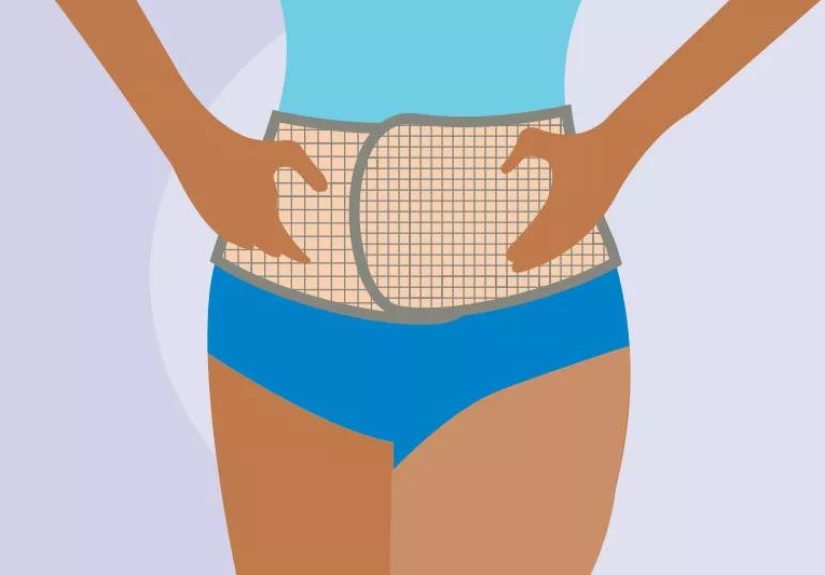
Postpartum belly wrapping (also called belly binding) is the practice of applying gentle-to-firm compression around your abdomen after childbirth. In modern life, that usually means one of these:
- Abdominal binder: A wide, stretchy band (often Velcro) commonly offered after a C-section and sometimes after vaginal birth.
- Postpartum belly wrap: A more “shaping” style wrap, sometimes with multiple panels or adjustable compression zones.
- Traditional cloth binding: Long fabric wraps used in many cultures (often requiring technique and careful tension control).
- Compression garments: High-waisted supportive shorts/leggings that provide mild compression and support.
Whatever the format, the goal isn’t “instant abs.” It’s typically comfort: helping you feel held together while your core, connective tissue, and pelvic floor recalibrate after pregnancy.
What a Belly Wrap Can Do (Realistic Benefits)
1) Provide support when your core feels “wobbly”
After pregnancy, your abdominal wall and connective tissue have been stretched and stressed for months. Many people describe an early postpartum feeling of instabilitylike their middle is “sloshing” when they stand up. A wrap can act like an external support system so movements feel less awkward and more secure.
2) Improve posture (aka: stop the newborn hunch)
Feeding, rocking, and staring lovingly at your baby while folding into a shrimp-like curve is a full-time sport. Support garments can cue you into better posture and reduce strain on your backespecially when your ligaments are still loose and your body is adjusting.
3) Offer comfort after a C-section
A C-section is major abdominal surgery, and many hospitals routinely provide an abdominal binder afterward. Research reviews and clinical studies have found binders can help reduce pain scores and distress for some patients and may improve mobility (like getting up and walking more comfortably)a big deal when every cough feels like a plot twist.
4) Make early movement feel more doable
Gentle walking is often encouraged postpartum (when cleared by your clinician), and some people find a wrap makes movement feel less “jiggly” and more controlled. That confidence can matterbecause the first stroll to the kitchen can feel like a marathon when you’re sleep-deprived.
What a Belly Wrap Can’t Do (Let’s Save You Some Disappointment)
It won’t “melt fat” or guarantee weight loss
If a product promises it will “shrink your belly in 10 days,” it’s selling hope with Velcro. Compression can change how your body looks while you’re wearing it, but it doesn’t burn fat or replace nutrition, movement, and time.
It won’t speed-run your uterus back to normal
Your uterus shrinks through a normal process called involution. A wrap doesn’t control that process. It may help you feel supported while it’s happening, but it’s not a magic remote control for anatomy.
It won’t heal diastasis recti by itself
Diastasis recti (abdominal separation) is common postpartum. Medical guidance commonly emphasizes that binders don’t “fix” it or strengthen muscles on their own. At best, a wrap can serve as a reminder to engage your core gently and maintain posturewhile you do the rehab work that actually restores function.
Who Might Benefit Most?
After a C-section: “I want support for my incision area and movement.”
This is where abdominal binders have the strongest mainstream medical footprint. Postpartum pain-management guidance from major U.S. women’s health organizations includes abdominal binders as one comfort option after delivery (particularly after surgery). Many patients report that a binder makes standing up, walking, and even laughing feel less intense in the early days.
Important: comfort support is different from aggressive compression. Your incision needs air, cleanliness, and freedom from excessive pressure. A wrap should feel like a steady “helping hand,” not a clamp.
After a vaginal birth: “My core feels weak, and my back is tired.”
If you delivered vaginally, you might still love a wrap for posture support, lower-back relief, or a general “held together” feelingespecially during long feeding sessions or while babywearing. The key is using it as a short-term comfort tool, not a replacement for rebuilding strength.
If you have diastasis recti symptoms: “I want a little support during the day.”
Some people with diastasis recti report that their belly feels more uncomfortable as the day goes on, especially when they’re standing and lifting. A wrap can reduce that “end-of-day heaviness” sensation, but it shouldn’t be the whole plan. Many clinicians recommend pairing support garments with guided core and pelvic floor rehaboften led by a pelvic floor physical therapist.
When Belly Wrapping Is a Bad Idea (Or Needs Medical OK First)
1) If you’re dealing with complications
Skip compressionor get explicit medical guidanceif you have signs of infection (uterine or incision), unusual or heavy bleeding, severe pain, fever, or complications such as postpartum hypertension/preeclampsia. In these situations, the priority is medical evaluation, not shapewear.
2) If you can’t breathe comfortably
If your wrap makes you breathe shallowly, raises pressure under your ribs, or makes you feel lightheaded, it’s too tight or poorly positioned. Breathing well matters postpartum for recovery, circulation, and core function. A supportive wrap should allow a full breathno bargaining with your lungs.
3) If it worsens pelvic floor symptoms
Too much abdominal pressure can increase downward force on the pelvic floor. If you notice more heaviness, bulging sensations, or leaking, a wrap may be aggravating the issueor the fit/tension may be wrong. This is a smart time to consult a pelvic floor PT.
4) If your skin is angry
Heat, sweat, friction, and postpartum sensitivity are a recipe for irritation. Redness, rash, or chafing means you need breaks, better breathability, or a different garment. Cleanliness matters tooespecially after a C-section.
How to Use a Postpartum Belly Wrap Safely (The Non-Dramatic Way)
Step 1: Choose “supportive snug,” not “Victorian corset”
The best mental image is a gentle hugfirm enough to feel stable, loose enough to breathe, move, and eat like a person. If you have indentations, numbness, tingling, or pain, loosen it.
Step 2: Time it right for your body
Many people start within days postpartum if they feel comfortable, especially after a C-section when a binder is provided. Others prefer waiting until swelling decreases. The “right” time depends on your delivery, your incision status, and your clinician’s guidance.
Step 3: Wear it in short blocks
Think: a few hours while you’re up and active, then a break. You want your muscles and deep core to keep “showing up” for the jobnot to outsource all stability to Velcro forever.
Step 4: Don’t sleep in it unless your clinician says it’s OK
Overnight compression can be uncomfortable and may increase irritation or breathing restriction. Most people do best removing it to sleep and letting skin recover.
Step 5: Keep it clean and incision-friendly
If you had a C-section, make sure the wrap doesn’t rub the incision and that it stays clean. A soft layer (like a breathable camisole) underneath can reduce friction.
Picking a Wrap: A Practical Checklist
You don’t need the most expensive “celebrity-approved” wrap to get support. Look for:
- Adjustability: Your body changes week to week. Multiple closure points or panels help.
- Breathable fabric: Sweat + friction = chaos.
- Comfort at the ribs and hips: A good wrap supports without digging in.
- Enough height: It should cover the area you want supported without rolling down.
- Ease of use: If it takes 12 minutes and a geometry degree, you won’t use it.
Pro tip: If you’re recovering from a C-section, ask your hospital team what they recommend and how they want it positioned. A quick fitting lesson can prevent a lot of trial-and-error.
What to Do Alongside Wrapping (Because Recovery Is a Team Sport)
Gentle movement, when cleared
Short walks and gentle mobility can support circulation, mood, and overall recovery. A wrap might make that feel more comfortable, but it’s not mandatory.
Breathing and deep-core reconnection
Postpartum rehab often begins with basics: diaphragmatic breathing, gentle core engagement, and pelvic floor coordination. If you’re unsure where to startor you’re noticing symptoms like heaviness or leakinga pelvic floor PT can be a game-changer.
Realistic expectations (the most underrated tool)
Your body spent months adapting to pregnancy. It deserves more than a two-week deadline. A wrap can be a helpful comfort tool, but time, sleep (whenever possible), nutrition, and gradual strengthening are the long-game MVPs.
So… Should You Try Postpartum Belly Wrapping?
Try it if: you want extra support, you’re recovering from a C-section, you feel unstable during movement, or you’re looking for posture/back comfortand you can wear it without pain or breathing restriction.
Skip it (or get medical guidance first) if: you have complications (infection, unusual bleeding, severe pain, preeclampsia/postpartum hypertension concerns), your wrap worsens pelvic floor symptoms, or you find yourself tightening it like you’re trying to win a denim competition.
Most honest answer: postpartum belly wrapping can be a useful short-term comfort tool for many peopleespecially after a C-sectionbut it’s not a cure, not a weight-loss strategy, and not a replacement for gradual rehab. If it makes you feel better and you use it safely, it can earn a spot in your recovery lineup. If it stresses your body out, toss it in the drawer with the jeans you’re not ready to emotionally process yet.
Real-World Experiences: What Postpartum Belly Wrapping Feels Like (The Good, the “Meh,” and the Nope)
Experience #1: The C-section “first cough” era.
A lot of C-section parents describe the early days as a surprising mix of joy and “why does standing up feel like a boss fight?” For some, the hospital-provided binder becomes their security blanketespecially during transitions like sitting to standing, getting in and out of bed, or walking the hallway. The wrap doesn’t erase pain, but it can make the midsection feel less exposed. People often describe it as: “I felt like my insides weren’t auditioning for an escape room.” The biggest learning curve is tensionmost find that a comfortably snug wrap helps, while a too-tight wrap turns breathing into a negotiation.
Experience #2: The vaginal birth “my middle feels weird” surprise.
Even without surgery, many postpartum parents say the first week feels like their core forgot its job description. Some try a wrap during daytime baby careespecially long feeding sessionsbecause it helps posture and reduces that tired lower-back ache. A common report is that it’s most useful during activities (standing, pacing with baby, light chores), but less appealing during rest. Several people end up using it like a tool, not a lifestyle: on for a few hours, off for a few hours, and definitely off when it starts feeling hot or itchy.
Experience #3: The diastasis recti “support, not solution” mindset shift.
People who suspect abdominal separation often hope a wrap will “pull everything back together.” The ones who feel happiest with wrapping tend to use it differently: as a gentle reminder to move with control and engage their deep core during daily lifestanding tall, exhaling during effort, avoiding the dramatic sit-up out of bed. Many say the wrap reduces discomfort late in the day, but real progress comes from consistent rehaboften guided by a pelvic floor PTrather than from tighter compression.
Experience #4: The “I cinched it and instantly regretted it” cautionary tale.
Almost every postpartum community has a version of this story: someone wraps too tight because they want to “see results,” then wonders why they feel dizzy, refluxy, or like their ribs are filing a complaint. The fix is usually immediate: loosen it, reposition it lower or more evenly, and treat compression like a comfort settingnot a punishment. A few people also notice that over-tightening makes pelvic heaviness worse, which is a strong sign to back off and consider professional guidance.
Experience #5: The “short-term helper” happy ending.
Many parents who enjoy postpartum wrapping describe a similar pattern: they use it most in weeks 1–3 (or a bit longer after a C-section), mainly when they’re upright and moving. Over time, as walking feels easier and core strength returns, they gradually wear it lesssometimes switching to supportive high-waisted leggings for light compression. The wrap becomes one tool in a bigger recovery kit: hydration, manageable movement, posture support, and gentle strengthening. The vibe is less “bounce back” and more “build backkindly.”
If you’re curious, the best approach is simple: try it gently, pay attention to your body’s feedback, and treat the wrap like a supportive teammatenot the coach, the referee, and the entire game plan.