Table of Contents >> Show >> Hide
- Why Island Microwaves Are Suddenly Everywhere
- The Pros of Putting a Microwave in a Kitchen Island
- The Cons (and the Problems Pros Try to Prevent)
- What Kind of Microwave Works Best in a Kitchen Island?
- Design Rules Pros Use for Island Microwave Placement
- Electrical, Ventilation, and Safety: The Checklist You Want Before Cabinets Are Built
- When an Island Microwave Is a Great Idea
- When You Should Skip It (or Think Twice)
- Smart Alternatives Pros Suggest
- Bottom Line: YesIf You Design It Like a Pro
- Experiences and Real-Life Lessons Homeowners Share After Living With an Island Microwave
If the kitchen is the heart of the home, the microwave is that one organ everyone pretends they don’t rely on… right up until it’s missing.
And lately, the hottest microwave debate isn’t “reheat pizza or eat it cold like a goblin?”it’s where the microwave should live.
Specifically: should you put a microwave in a kitchen island?
Designers and remodel pros aren’t shy about this one. An island microwave can be brilliantor a daily annoyance disguised as a sleek cabinet panel.
The difference comes down to which microwave you choose, where you place it on the island, and whether you plan for real-life stuff like
traffic flow, kid access, and where hot bowls go when they come out.
Why Island Microwaves Are Suddenly Everywhere
Kitchen islands have evolved from “extra counter” to “command center.” They hold sinks, dishwashers, trash pullouts, charging drawers, and sometimes
a seating area where homework, snacks, and life decisions happen.
Tucking the microwave into the island is part of a bigger trend: hiding visual clutter and keeping counters clear.
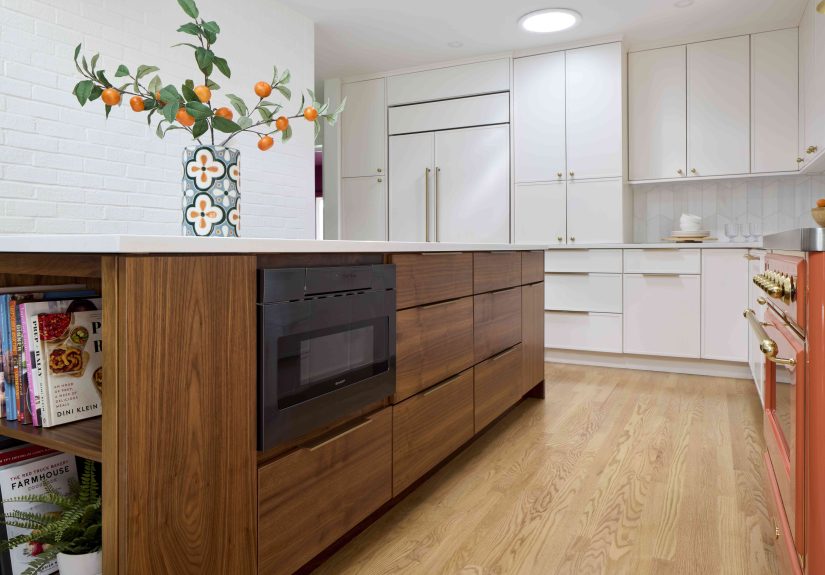
Plus, modern options (especially the microwave drawer) are built to look like they belong in custom cabinetryno more big appliance
hanging out on the counter like it pays rent.
The Pros of Putting a Microwave in a Kitchen Island
1) You get your counter space back
For many households, the microwave is the single biggest counter hog. Moving it into an island frees up prime prep space and makes the kitchen feel
instantly calmer. It’s like cleaning your room by putting everything in the closetexcept this time it’s intentional and looks expensive.
2) It can improve kitchen workflow (when placed correctly)
Pros often think in “zones”: prep zone, cook zone, coffee/snack zone, cleanup zone. A microwave on the island can support a snack-and-reheat zone
without pulling people into the hot cooking area. That’s especially helpful when one person is cooking and someone else is reheating leftovers
or warming a kid’s snack.
3) It keeps the sightlines clean
A microwave on the counter or above the range breaks up your backsplash and can visually “heavy up” a wall.
A built-in island microwaveespecially a drawer stylekeeps the kitchen looking open and intentionally designed.
If you’re the kind of person who gets stressed by countertop chaos, this is a real quality-of-life upgrade.
4) It can be easier to use than an over-the-range microwave
Over-the-range microwaves require reaching up, which can feel awkward (and sometimes unsafe) when you’re handling hot liquids.
An island microwave is typically lower, which can reduce overhead reaching. Some designers specifically like drawer microwaves in islands
because access is straightforward and you’re not lifting soup over your face like you’re offering it to the ceiling.
5) It can support accessibility and aging-in-place planning
If you’re designing a “forever” kitchen, microwave placement matters. A microwave set at a reasonable height can be easier for people who
struggle with overhead reaching. Accessibility is also about clear space in front of the appliance and controls that are easy to operate.
An island location can work well when the approach and reach are thoughtfully planned.
The Cons (and the Problems Pros Try to Prevent)
1) Bending down gets old fast
If the microwave is too lowor if you use it constantlyyou may get tired of bending. This is one reason the drawer microwave is popular:
the opening action is different from a traditional door, and many people find it easier to load without awkward “door swing + crouch” gymnastics.
2) Hot food + kid height can be a risky combo
Putting a microwave low on the island can make it easy for kids to use (great for independence, great for snack requests every 45 minutes).
But easy access also means you need to think about safety. Look for a strong child lock feature and set household rules about hot liquids
(because spilled ramen water is nobody’s idea of fun).
3) Islands are traffic zones
Islands attract people like free samples at a warehouse store. If the microwave is on the “main walkway side,” you can end up with someone
crouched down while others squeeze pastaka the perfect recipe for bumped elbows and dropped plates.
4) You can lose valuable storage
Islands are often where the best storage lives: deep drawers for pots, pullouts for trash and recycling, hidden outlets, baking sheets,
and that drawer full of takeout sauces you swear you’ll organize someday.
A built-in microwave takes up a chunk of that real estate.
5) Installation is more complex than “plug it in and vibe”
Built-in island microwaves require planning for power, clearances, and airflow.
Depending on the model, you may need a dedicated circuit, specific cabinet dimensions, and a toe-kick or rear vent gap.
This is not the moment to wing it with a tape measure and optimism.
What Kind of Microwave Works Best in a Kitchen Island?
Microwave drawer: the island favorite
A microwave drawer is designed for undercounter installation. It opens like a drawer instead of swinging out like a door, which helps in tight spaces.
Many models are built-in by design and typically don’t need external ducting, but they do need proper airflow around the unit.
Drawer microwaves are also popular because they look integrated and free up both counter and upper cabinet space.
Built-in countertop microwave with a trim kit: the budget-aware built-in look
Some homeowners use a standard microwave designed to be paired with a trim kit for a built-in appearance.
This can be a smart middle ground, but it’s crucial to follow the manufacturer’s cutout and clearance requirements.
A trim kit isn’t just decorationit’s part of how the unit fits, breathes, and sits safely in cabinetry.
What to avoid in most islands
A random countertop microwave shoved into a closed cabinet without proper clearance is a common mistake.
Poor airflow can shorten the microwave’s life or trigger overheating issues.
Also, models with a wide door swing can be awkward on an islandespecially if the door opens toward a walkway.
Design Rules Pros Use for Island Microwave Placement
1) Plan a “landing zone” for hot food
Pros love a simple concept: wherever hot food comes out, it needs somewhere safe to go immediately.
Aim for a clear landing area right next to the microwave. This reduces spills, burns, and frantic “WHERE DO I PUT THIS?!” moments.
If your island is already doing triple duty as prep, serving, and homework station, protect a small dedicated spot.
2) Keep it off the main traffic side
If your island has seating, the best microwave placement is usually on the working side, not the seating side.
You want the person using the microwave to stand naturally in the kitchen work zone, not hover behind someone eating cereal.
When possible, place it on the end of the island or the side that doesn’t get constant pass-through traffic.
3) Think about door direction and handle side
With a traditional door microwave, door swing matters. You don’t want the door opening into a walkway, nor do you want the handle side positioned
so you’re forced to twist your body while holding hot dishes.
Drawer microwaves reduce this issue, but you still need to plan clearance for the drawer to open fully.
4) Choose a comfortable height (and don’t ignore the “real user”)
Pros often recommend placing the microwave based on the main user’s height and abilities. If it’s below the counter, don’t drop it so low
that every reheat turns into a squat workout.
Also consider who uses it most: a tall adult who cooks daily, kids who reheat snacks, or a multigenerational household.
There isn’t one perfect heightthere’s only the height that fits your real life.
5) If accessibility matters, design for reach and approach
If you’re aiming for an accessible kitchen, pay attention to the reach range to controls, the depth of the counter overhang, and clear floor space.
Islands can create obstructions that reduce comfortable reach.
The fix is usually thoughtful placement (not too far back), controls that are easy to operate, and enough open space in front of the appliance.
Electrical, Ventilation, and Safety: The Checklist You Want Before Cabinets Are Built
Power: plan the circuit and outlet location early
Many microwavesespecially built-in and drawer unitsrequire a properly grounded 120V circuit and may specify an individual (dedicated) branch circuit.
Even when local codes vary, pros treat this as a “plan it like it’s required” item because it avoids nuisance tripping and supports safe operation.
Your electrician should confirm the right circuit size, GFCI/AFCI needs in your jurisdiction, and the best place for the receptacle so it’s accessible
(not buried behind a permanently trapped appliance).
Airflow: microwaves still need to breathe
Microwave drawers are generally designed for built-in installation and often don’t require external venting, but they do need adequate airflow
behind and around the unit. Some cabinetry designs use toe-kick or rear gaps to let warm air escape.
Always follow the installation manual’s clearance requirementsthis is the non-glamorous part of design that keeps your fancy kitchen from
becoming a mystery overheating problem.
Heat sources: don’t stack risks
Try not to place the island microwave right next to a cooktop or directly in a spot where steam and grease can constantly hit it.
While microwaves themselves don’t produce open flame heat, the surrounding environment matters.
A microwave placed in the “splash zone” of cooking can get grimy faster and may be more annoying to maintain.
Child lock: use it if kids are around
If the microwave is low and kids are in the house (or visiting frequently), use the lock feature. It’s not about being dramatic; it’s about
preventing accidental starts and keeping small hands from experimenting with “what happens if I microwave this spoon.”
When an Island Microwave Is a Great Idea
- You want a clean, uncluttered counter and you use your microwave daily.
- Your cooktop wall is visually important and you don’t want an over-the-range microwave blocking a beautiful backsplash or hood.
- You have a snack zone household where multiple people reheat food while someone else cooks.
- You’re choosing a drawer microwave designed for undercounter installation and you’re building cabinets to fit it properly.
- You’re planning for accessibility and want to reduce overhead reaching.
When You Should Skip It (or Think Twice)
- Your island is small and already strained for storage, seating clearance, or prep space.
- Your kitchen traffic is intense and the island is basically Grand Central Station.
- You hate bending and you’re a heavy microwave user (several times a day, every day).
- You’re tempted to DIY an unsafe cabinet setup without proper clearances, airflow, or electrical planning.
- You rely on the microwave vent function (in that case, an over-the-range or a dedicated hood solution may make more sense).
Smart Alternatives Pros Suggest
1) Put it in a tall pantry cabinet (the “appliance garage” approach)
A tall cabinet placement can keep the microwave off the counter while keeping it at a more comfortable height for frequent use.
This works especially well if you have a pantry wall, a built-in coffee bar, or a “secondary prep” zone.
2) Use a low-profile microwave over the range (if you need venting)
If your layout depends on a microwave that also supports cooktop ventilation, a low-profile over-the-range unit can be a good compromise.
You keep counter space and gain ventilation benefits, though you’ll still be placing the microwave higher than an island install.
3) Keep it on the counterstrategically
Sometimes the best solution is the simplest: a countertop microwave placed where it doesn’t wreck your prep flow.
Consumer-focused reviews often point out that countertop models offer the most flexibility in size, pricing, and placement.
If you move frequently, rent, or don’t want to commit cabinet space, this can be the most practical choice.
Bottom Line: YesIf You Design It Like a Pro
Putting a microwave in a kitchen island can be a fantastic move when the placement supports your workflow, the cabinet is built for the appliance,
and you’ve planned for power, airflow, and a safe landing area.
In most modern remodels, the drawer microwave is the cleanest, most island-friendly choice.
But if your island is small, your household hates bending, or your island is the main traffic lane, you may be happier placing the microwave elsewhere.
The pro mindset is simple: don’t ask “Can a microwave go in an island?” Ask:
“Will this specific microwave, in this specific island spot, make daily life easier?”
If the answer is yes, your future self will thank youprobably while reheating coffee for the third time.
Experiences and Real-Life Lessons Homeowners Share After Living With an Island Microwave
After the remodel dust settles and the “wow” factor becomes Tuesday, homeowners tend to notice the same handful of things about island microwaves.
First: traffic patterns become very real. On paper, an island microwave seems like the perfect hidden upgrade. In practice, people quickly
learn whether the microwave sits on the “working side” (smooth, efficient) or the “hangout side” (awkward, crowded, and occasionally chaotic).
Households with kids often love the conveniencesnacks happen without someone reaching overheadbut many also establish a rule:
no microwaving soup or hot drinks without an adult nearby. That’s not a design flaw; it’s just real life.
Another consistent experience is how much the type of microwave matters. Homeowners who choose a drawer microwave often report that it feels
more “built for the island” because the drawer action avoids the classic problem of a door swinging into the aisle. People also like that they can place
food in and slide it out without wrestling around a door panel. Meanwhile, those who install a standard microwave behind a cabinet-style opening sometimes
describe it as a compromise: it can look great, but it’s less forgiving if the cabinet fit is tight or if the airflow wasn’t planned thoughtfully.
The most satisfied homeowners tend to be the ones who followed the installation instructions to the letterespecially clearancesbecause it keeps the unit
running quietly and reliably.
Cleaning is another surprise category. An island microwave can stay cleaner than a cooktop-adjacent microwave because it’s farther from grease and steam.
But it also gets more fingerprintsespecially on drawer handlesbecause it becomes the “snack station” device. Families often say a quick weekly wipe-down
keeps it looking new, while a neglected handle becomes a museum exhibit of every meal you’ve ever eaten. Also: crumbs. Lots of crumbs. Islands are crumb
magnets, and the microwave area is no exception.
Storage tradeoffs also show up fast. Some homeowners later admit they didn’t realize how much they valued deep island drawers until the microwave took over
that space. The workaround many people love is planning purpose-built storage nearby: a drawer for potholders and microwave-safe lids, a spot
for plates and bowls, or even a shallow drawer for utensils and napkins. When those supporting pieces are close, the island microwave feels like a mini
station that runs itself. Without them, it can feel like you’re constantly crossing the kitchen to fetch what you need.
Finally, there’s the “life stage” factor. People designing for aging-in-place often appreciate that an island microwave can reduce overhead reaching, but
they’re also the most sensitive to bending. The sweet spot is usually thoughtful placement (not too low) and a model that’s comfortable to use daily.
Overall, the lived-in verdict is pretty consistent: an island microwave is amazing when it’s planned as part of a systemtraffic flow,
landing space, storage, power, and clearancenot just installed because it looked good in a showroom kitchen.