Table of Contents >> Show >> Hide
- Why This $6 Eye Cream Is Suddenly Everywhere
- Meet the Product: Good Molecules Yerba Mate Wake Up Eye Gel
- The Luxury Comparison: What La Mer Brings to the Table
- Can a $6 Eye Cream Really Beat La Mer?
- What Actually Causes Dark Circles and Puffiness?
- The Ingredients That Matter Most in Eye Creams
- How to Choose an Eye Cream That Actually Matches Your Problem
- Application Tips So Your Eye Cream Helps Instead of Hurts
- So… Is the $6 Eye Cream Worth It?
- Extended Reader Experiences: Why the $6 Eye Cream Keeps Winning Fans
- Conclusion
Let’s talk about the under-eye area: the tiny patch of skin that somehow manages to reveal your sleep schedule, stress level, hydration habits, and possibly your life choices before you’ve finished your morning coffee. So when shoppers say a $6 eye cream works better for them than a luxury cream from La Mer, people pay attention.
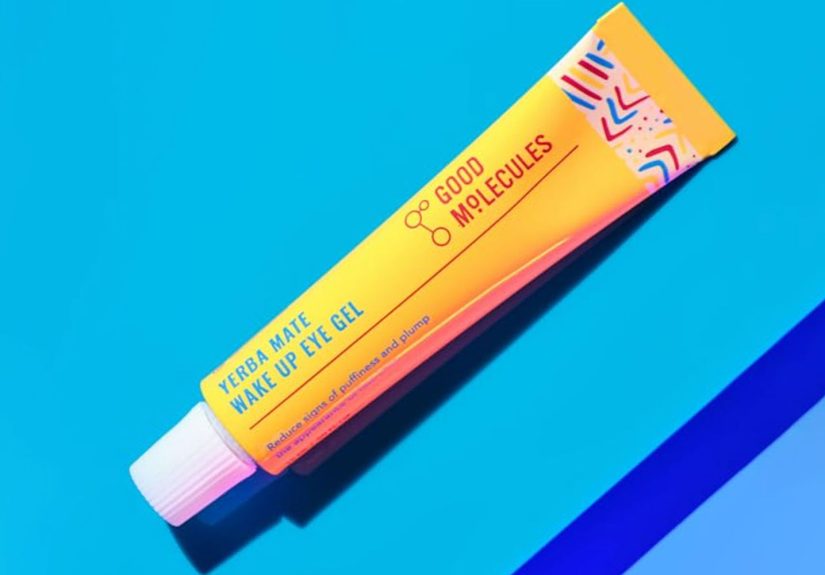
The product getting all the buzz is Good Molecules Yerba Mate Wake Up Eye Gel, a budget-friendly eye treatment that has earned a loyal following for helping with puffiness, dryness, and that “I definitely stayed up too late” look. And yes, the comparison to La Mer is what makes the story irresistible: one option costs about the same as a snack run, while La Mer’s eye creams live firmly in the “luxury skincare” zip code.
But here’s the truth (and the useful part): this isn’t just a cheap-vs-expensive beauty showdown. It’s really about what your under-eyes need, what ingredients can realistically do, and how to shop smarter without getting hypnotized by fancy jars. In this guide, we’ll break down why shoppers love this $6 eye cream, how it compares to La Mer, which ingredients actually matter, and how to choose the right eye cream for your skin goals.
Why This $6 Eye Cream Is Suddenly Everywhere
The current hype around the Good Molecules eye gel took off after shopping coverage highlighted a shopper saying they preferred it over a much pricier La Mer eye cream. That kind of quote spreads fast for obvious reasons: it flips the usual luxury-skincare script on its head. The appeal is simple if a low-cost eye gel gives visible results, shoppers feel like they’ve found a loophole in the beauty matrix.
Part of the buzz is also timing. Shoppers are more ingredient-savvy than ever, and many now look for specific actives (like caffeine, peptides, and hyaluronic acid) instead of automatically assuming the most expensive product wins. In other words, people are reading labels, not just packaging. The cute jar is nice, but the ingredient list is the main character now.
There’s also a practical reason this product keeps trending: eye care is one of those categories where people want fast-ish, visible improvements. Puffiness, dehydration, and makeup creasing can sometimes look better quickly with the right texture and ingredients. A lightweight gel that feels cooling and layers well under concealer is exactly the kind of product that gets repeat purchases.
Meet the Product: Good Molecules Yerba Mate Wake Up Eye Gel
Good Molecules positions this eye gel as a wake-up treatment for tired-looking eyes, and that matches how shoppers describe it. Retail descriptions emphasize a lightweight, fast-absorbing gel texture and ingredients aimed at hydration and puffiness support. That matters because the under-eye area tends to be delicate, easily dehydrated, and not very forgiving if a formula is too greasy, too fragranced, or too heavy under makeup.
Key Ingredients That Make It Popular
- Caffeine: Often used in eye products to help reduce the look of puffiness and make under-eyes appear more awake.
- Peptides (including acetyl tetrapeptide-5): Commonly used in formulas targeting puffiness and fine lines.
- Hyaluronic acid: A hydration-focused ingredient that helps plump the look of skin and reduce that dry, crinkly appearance.
- Yerba mate extract: Included for antioxidant support, which helps address the effects of oxidative stress over time.
On product pages and retailer descriptions, the formula is often framed as an “energizing” eye gel, and that’s a good way to think about it. It’s not a magic wand. It won’t permanently erase hereditary dark circles or replace a cosmetic procedure. But it can help improve how the under-eye area looks and feels day to day especially if your main issues are puffiness, dryness, and fatigue-related dullness.
The other reason shoppers like it? It’s accessible. A lot of eye creams ask you to commit like it’s a serious relationship. This one costs so little (especially on sale) that trying it feels low-risk. If it works, amazing. If it doesn’t, you’re not staring at a $250 jar wondering whether to “give it another two weeks.”
The Luxury Comparison: What La Mer Brings to the Table
La Mer is a luxury skincare brand, and its eye creams are priced accordingly. Depending on the product, La Mer eye treatments can sit around $245 to $275 for a standard-size jar. The brand emphasizes premium textures, signature ferments, and a sensory experience that many loyal users genuinely enjoy.
For example, La Mer’s eye line highlights benefits like smoothing, plumping, radiance, and reducing the look of dark circles and lines. These are the same broad concerns many drugstore and mid-range eye creams target but the difference is price point, brand prestige, texture profile, and formulation philosophy.
That doesn’t mean La Mer is “bad” or that lower-priced eye gels are automatically better. It just means shoppers are getting smarter about value. Some people want a rich, luxe cream and love the ritual. Others want something that de-puffs quickly, plays nicely with concealer, and doesn’t cost as much as a utility bill. Both can be valid skincare choices.
Can a $6 Eye Cream Really Beat La Mer?
Here’s the honest answer: for some shoppers, yes for their specific goals.
“Better” in skincare is not one-size-fits-all. A product can be better for your budget, better under makeup, better for sensitivity, or better at reducing morning puffiness. Meanwhile, another product might be better for nighttime moisture, skin feel, or luxury experience. Those are different scorecards.
The Good Molecules eye gel tends to win with shoppers who care most about:
- Cooling, lightweight texture
- Quick absorption
- De-puffing support
- Hydration without heaviness
- Drugstore-level affordability
La Mer tends to appeal to shoppers who prioritize:
- Rich, luxurious textures
- Brand heritage and premium packaging
- A more indulgent skincare routine
- Dense cream formulas for drier skin
So yes, a $6 eye cream can absolutely “beat” a luxury one if the shopper’s biggest complaint is puffiness and the cheaper formula solves it well. Skincare is personal and your under-eyes do not care how expensive the jar was.
What Actually Causes Dark Circles and Puffiness?
Before buying any eye cream, it helps to know what you’re treating. “Dark circles” is a catch-all phrase, but the causes can be very different:
1) Genetics
Some people naturally have more pigment under the eyes or a facial structure that creates shadows. If this runs in your family, an eye cream may improve the appearance a bit, but it likely won’t fully erase it.
2) Thin Skin and Aging
As skin ages, the under-eye area can become thinner and lose support. That makes blood vessels more visible and shadows more noticeable. This is why under-eyes can look darker even when you’re doing everything “right.”
3) Puffiness and Fluid Retention
Salt intake, allergies, sleep position, dehydration, and general inflammation can make under-eyes look swollen or puffy. A cooling gel and ingredients like caffeine may help the area look less puffy temporarily.
4) Hyperpigmentation and Sun Exposure
Sun exposure can worsen discoloration around the eyes. If the darkness is pigment-related, brightening ingredients and daily sun protection matter more than a super-rich cream.
5) Irritation and Rubbing
Allergies, eczema, contact dermatitis, and rubbing your eyes can worsen discoloration and swelling. In this case, a gentle product and avoiding irritation are just as important as the eye cream itself.
The big takeaway: you need the right product for the right cause. A puffiness-focused gel won’t behave like a pigment-treatment cream, and vice versa. That’s not failure that’s skincare physics.
The Ingredients That Matter Most in Eye Creams
A recent review of eye cream ingredients found that several common actives show promise for periorbital concerns (that’s the eye area, if you want the fancy term for your next skincare group chat). Here’s what that means in plain English.
Caffeine for Puffiness and a “More Awake” Look
Caffeine is one of the most popular eye cream ingredients for a reason. It’s commonly used in formulas that target puffiness and tired-looking eyes, and research on eye-area products supports its role in improving the look of under-eye concerns. Dermatology-focused coverage also frequently highlights caffeine for helping with redness and visible vascular-related darkness.
Translation: caffeine is not hype, but it works best for specific problems mainly puffiness and the look of under-eye fatigue. It won’t permanently fix structural shadows or deeply inherited pigmentation.
Hyaluronic Acid for Hydration and Plumping
Hyaluronic acid is a hydration superstar, and the evidence here is pretty strong. Multiple reviews and clinical studies support topical hyaluronic acid for improving skin hydration and helping skin look smoother and more plump. Around the eyes, that can mean less crepey texture and better makeup application.
This is one reason a budget eye gel can feel surprisingly effective: when your under-eyes are dehydrated, a good humectant-rich formula can make a visible difference fast. It’s not “anti-aging in a week,” but it can absolutely be “less tired-looking by Tuesday.”
Peptides for Fine Lines and Firmness Support
Peptides are often included in eye creams to support the look of firmer, smoother skin. Research reviews on eye-area ingredients note that peptides may help with collagen-related goals and hydration support, especially when paired with other ingredients. They’re not usually the fastest ingredient in the room, but they’re popular in long-game formulas.
Ceramides and Niacinamide for Barrier Support
The eye area gets irritated easily, so barrier support matters. Ceramides help reinforce the skin barrier and improve hydration, which is especially useful if your under-eyes feel dry, flaky, or stinging-prone. Niacinamide is also commonly used in eye products to support barrier health and improve the appearance of uneven tone.
If your under-eye area reacts to everything, you may get better results from a boring-but-solid barrier-focused formula than from the latest “miracle” active. Boring skincare often wins. It just doesn’t get invited to glamorous ad campaigns.
Retinol for Fine Lines (With a Caution Label)
Retinol can help with fine lines and texture, and dermatologists often recommend it for anti-aging concerns. But the eye area is delicate, so retinol eye creams need to be used carefully. If your skin is sensitive, start slowly and avoid piling on multiple irritating actives at once.
Also important: if a product is sold as a cosmetic, brands need to be careful not to make drug-like claims about changing skin structure or function. That’s one reason skincare marketing can sound dramatic while staying legally vague. (If you’ve ever read “helps visibly renew the appearance of radiance,” now you know.)
How to Choose an Eye Cream That Actually Matches Your Problem
If You Wake Up Puffy
- Look for caffeine and a gel texture.
- Store it in the fridge if you like a cooling effect.
- Pair with a cold compress on rough mornings.
- Watch salt intake and sleep position if puffiness is a daily issue.
If You Have Dry, Crepey Under-Eyes
- Look for hyaluronic acid, glycerin, and ceramides.
- Choose a cream or gel-cream texture if plain gels feel too light.
- Apply on slightly damp skin, then seal with moisturizer if needed.
If You’re Concerned About Fine Lines
- Look for peptides and/or a gentle retinol eye cream.
- Introduce retinol slowly to avoid irritation.
- Daily sunscreen is non-negotiable if you want to protect progress.
If Your Dark Circles Are Mostly Pigment-Related
- Focus on sun protection and brightening ingredients.
- Be patient pigment takes time.
- Consider dermatologist advice if over-the-counter products stall out.
Application Tips So Your Eye Cream Helps Instead of Hurts
Even a great eye cream can backfire if you use too much or apply it too aggressively. The under-eye area is delicate, and friction is not your friend.
- Use a tiny amount: Think grain-of-rice territory for both eyes.
- Tap, don’t rub: Gently pat along the orbital bone.
- Avoid getting too close to the lash line: Products can migrate.
- Patch test if you’re sensitive: Especially with retinol or fragranced formulas.
- Use sunscreen daily: UV exposure can worsen dark circles and pigmentation.
- Be careful with eye makeup and glitter products: Irritation can make under-eye issues look worse.
One more practical tip: if your eye cream pills under concealer, it doesn’t matter how fancy the ingredient list is. The best eye cream is the one you can use consistently. Consistency beats drama in skincare every time.
So… Is the $6 Eye Cream Worth It?
For many shoppers, absolutely. The Good Molecules Yerba Mate Wake Up Eye Gel checks a lot of boxes: low price, lightweight feel, hydrating ingredients, puffiness support, and good compatibility with daytime routines. It’s a classic example of a product that overdelivers for its price point.
Is it a one-product answer for every under-eye issue? No. If your concerns are mostly genetic shadows, significant volume loss, or long-term pigmentation, you may need a broader strategy that includes sunscreen, targeted actives, and possibly in-office treatments. But if you want a budget eye cream that helps you look more rested and less puffy, this is exactly the kind of product worth trying.
Luxury skincare can be lovely. Drugstore skincare can be excellent. And the under-eye area is famously unimpressed by price tags. That’s why this story resonates: shoppers aren’t just chasing “cheap.” They’re chasing results.
Extended Reader Experiences: Why the $6 Eye Cream Keeps Winning Fans
If you read enough shopper reviews and beauty discussions, a pattern starts to show up fast: people don’t fall in love with this eye gel because it promises miracles. They like it because it fits into real life. The most common experiences sound very practical “my under-eyes looked less puffy,” “my concealer sat better,” “I looked more awake,” and “it didn’t irritate my skin.” That may not sound glamorous, but in skincare, practical results are often what create cult favorites.
A lot of shoppers mention using the gel in the morning instead of at night. That makes sense for the formula type. A lightweight eye gel is often easier to wear under makeup than a dense cream, especially if you’re rushing through your routine before work, school, or a morning commute. People who struggle with concealer creasing often describe a similar experience: when the under-eye area is dehydrated, makeup clings to every tiny line. Add a hydrating eye gel, and suddenly everything looks smoother. It’s not that the lines disappeared it’s that the skin is better prepped.
Another recurring theme is that this product is popular with shoppers who don’t want a “heavy” under-eye feel. Some expensive eye creams are rich and cushiony, which can be great for dry skin, but not everyone likes that texture during the day. If you’re oily, combo, acne-prone, or just sensitive to product migration, a lighter gel can feel more comfortable. That alone can make someone prefer a $6 product over a luxury cream. Preference doesn’t always mean stronger ingredients sometimes it just means better texture for your routine.
Mature-skin shoppers also show up in these conversations, which is worth noting. You’ll often see comments from people in their 60s or 70s saying they’ve tried everything from drugstore to prestige and were surprised by how much they liked this one. That doesn’t mean a cheap eye gel replaces every anti-aging product, but it does highlight something important: older skin still benefits from hydration, low irritation, and consistency. Sometimes a simple product gets used every day, while a fancy one gets rationed like a luxury candle. Daily use usually wins.
There’s also a psychological factor here that beauty shoppers don’t always talk about out loud: when a low-cost product works, it feels empowering. You feel like you outsmarted the system a little. Instead of being told you need a premium formula to look refreshed, you found a product that does the job for the price of a coffee. That feeling creates loyalty, and loyalty creates repeat reviews, recommendations, and word-of-mouth hype.
Of course, not every experience is dramatic. Some shoppers report subtle improvements instead of instant visible changes less morning puffiness, better hydration, smoother texture over a few weeks. That’s still a win, and honestly, it’s a more realistic skincare expectation. The under-eye area responds best to gentle, regular care. The shoppers who seem happiest are the ones using this eye gel as part of a bigger routine: enough sleep when possible, sunscreen, less rubbing, a gentle cleanser, and a little patience. In that context, the $6 eye cream shines.
The bottom line from these real-world experiences is simple: people don’t necessarily need the fanciest eye cream. They need one they’ll actually use, that feels good, and that targets the problem they really have. For a lot of shoppers, this one checks all three boxes and that’s exactly why it keeps getting compared to products that cost 40 times more.
Conclusion
“Shoppers Prefer This $6 Eye Cream Over Pricey La Mer” isn’t just a catchy headline it reflects a bigger shift in how people buy skincare. More shoppers are choosing products based on ingredient function, daily usability, and value instead of assuming luxury equals better. And in the case of under-eye care, that makes perfect sense.
If your main goals are depuffing, hydration, and looking a little more awake in the morning, a budget-friendly eye gel like Good Molecules Yerba Mate Wake Up Eye Gel may be exactly what you need. If you love a rich, luxurious eye cream and enjoy the premium experience, La Mer may still be worth it for you. Skincare is personal but smart skincare is always about matching the formula to the problem.
In short: your under-eyes want the right ingredients, gentle application, and consistency. They do not care whether the jar looks expensive on your vanity.