Table of Contents >> Show >> Hide
- Complete Season 23 Episode Guide
- What Season 23 Gets Right
- Standout Ask This Old House Season 23 Episodes
- Episode 1: Bath Accessibility; Wooden Gutter Repair
- Episode 3: Florida Trees; Smart Lighting
- Episode 9: Uneven Paver Patio; EV Charger
- Episode 11: Shed Foundation; Bifold Doors
- Episode 13: Beehives 101; Step Stool
- Episode 15: 3D Printed Homes; Square Bowl
- Episode 17: Outdoor Shower
- Episode 20: Electric Bill Investigation
- Episode 23: AC Airflow Issue; Shellac Removal
- Episode 25: Thank You, Roger Cook
- Episode 26: Mudroom Cubbies
- Why Season 23 Feels Fresh
- Extended Reflections: The Experience of Watching Season 23
- Conclusion
Some TV shows give you cliffhangers. Ask This Old House gives you drainage fixes, smarter lighting, better airflow, and the occasional reminder that a good mudroom can bring more peace than a motivational quote on a kitchen wall. Season 23 keeps the series’ winning formula intact: small-to-midsize home problems, expert guidance, practical teaching, and that warm, reassuring vibe that says, “Yes, your house is weird, but it is fixable.”
If you are searching for a complete Season 23 Ask This Old House episodes guide, this season is an especially satisfying one. It blends traditional repairs with modern upgrades, mixes in tool talk and craft segments, and still finds time for episodes that feel surprisingly personal. From bath accessibility and wooden gutter repair to EV chargers, smart home energy monitoring, 3D-printed homes, and a moving tribute to Roger Cook, Season 23 proves that home improvement TV can be practical, informative, and genuinely comforting without turning into a circus with nail guns.
Complete Season 23 Episode Guide
| Episode | Title | Original Air Date |
|---|---|---|
| 1 | Bath Accessibility; Wooden Gutter Repair | September 26, 2024 |
| 2 | Cracked Drywall; Radiator Baseboard Cover | October 3, 2024 |
| 3 | Florida Trees; Smart Lighting | October 10, 2024 |
| 4 | Rusty Bulkhead; Granite Stairs | October 17, 2024 |
| 5 | Medicine Cabinet; Chimney Crown | October 24, 2024 |
| 6 | Gutter Runoff; Replace Ceiling Fan | November 1, 2024 |
| 7 | Wallpaper Installation; Sump Pump | November 7, 2024 |
| 8 | Humidifier System; End Table | November 14, 2024 |
| 9 | Uneven Paver Patio; EV Charger | January 2, 2025 |
| 10 | Trash Insert; Arborvitae Removal | January 9, 2025 |
| 11 | Shed Foundation; Bifold Doors | January 16, 2025 |
| 12 | Gas Fireplace; Wainscoting | January 23, 2025 |
| 13 | Beehives 101; Step Stool | January 30, 2025 |
| 14 | Paint Wainscoting; Sandbox | February 6, 2025 |
| 15 | 3D Printed Homes; Square Bowl | February 13, 2025 |
| 16 | Stair Treads; Sconce Install | February 20, 2025 |
| 17 | Outdoor Shower | March 27, 2025 |
| 18 | Tree Diagnosis; Home Checklist | April 3, 2025 |
| 19 | Retaining Wall; Mini Split Upkeep | April 10, 2025 |
| 20 | Electric Bill Investigation | April 17, 2025 |
| 21 | Irrigation Add-On; Stripped Holes | April 24, 2025 |
| 22 | Urban Gardens; Apron Driveway | May 1, 2025 |
| 23 | AC Airflow Issue; Shellac Removal | May 8, 2025 |
| 24 | Overseeding; Foundation Repair | May 15, 2025 |
| 25 | Thank You, Roger Cook | May 22, 2025 |
| 26 | Mudroom Cubbies | May 29, 2025 |
What Season 23 Gets Right
The smartest thing about Season 23 is that it never confuses “small project” with “small consequence.” A bathroom accessibility upgrade is not flashy, but for a homeowner planning to age in place, it matters every single day. Repairing period-correct wooden gutters may sound niche, yet it says a lot about the show’s respect for old-house character. Installing a Level 2 EV charger, troubleshooting HVAC airflow, or using a smart home energy monitor feels modern, but those episodes are still grounded in the same question the series has always asked: what makes a home work better for real people?
That balance is what gives the season its charm. The cast does not chase trends just because they sparkle under studio lights. Instead, they bring new ideas into the home only when those ideas solve actual problems. So yes, smart lighting shows up. So do 3D-printed homes. But just as often, the season slows down for gutters, stairs, wainscoting, gravel bases, mulch, shellac, and the humble art of not making a mess of your laundry-and-entryway zone. In other words, Season 23 understands something many homeowners learn the expensive way: the future is cool, but your leaking gutter is still the boss.
Standout Ask This Old House Season 23 Episodes
Episode 1: Bath Accessibility; Wooden Gutter Repair
This opener sets the tone beautifully. It is practical, human, and refreshingly unglamorous in the best way. The accessibility segment shows how thoughtful bathroom changes can make a house safer and more livable without making it feel clinical. The wooden gutter repair project then pivots hard into old-house preservation, which is peak Ask This Old House: one minute you are thinking about aging in place, the next you are deeply invested in keeping a home period-correct. That is the kind of genre whiplash this audience actually enjoys.
Episode 3: Florida Trees; Smart Lighting
This is one of the season’s clearest examples of how the show travels well. The Florida segment brings regional character into the episode, with tropical fruit trees and climate-specific landscaping choices that would make absolutely no sense in a snowy New England yard. Meanwhile, the smart lighting discussion keeps the episode current by showing how modern controls, bulbs, switches, and reactive lighting can improve comfort and convenience. It is a neat little snapshot of Season 23 as a whole: rooted in place, but not stuck in the past.
Episode 9: Uneven Paver Patio; EV Charger
If you like episodes that pair visible curb appeal with future-ready convenience, this one delivers. The paver patio fix is satisfying because it tackles a problem many homeowners have seen: a once-proud DIY patio that starts wobbling like a shopping cart with a bad wheel. Then the EV charger segment brings in a highly relevant upgrade for modern garages. It is the kind of episode that says you can care about craftsmanship and electrical capacity in the same afternoon. Honestly, that is homeowner multitasking at its finest.
Episode 11: Shed Foundation; Bifold Doors
This episode quietly sneaks up on you. A gravel shed foundation may not sound like must-see TV, but the show makes the logic easy to follow and the payoff easy to appreciate. The bifold door project is even more relatable, especially for anyone whose laundry area and entry space have formed an uneasy alliance. Nathan Gilbert’s work here reflects one of the season’s recurring strengths: taking awkward, clutter-prone spaces and making them function with dignity. Or at least with fewer things staring at you the moment you walk in the door.
Episode 13: Beehives 101; Step Stool
This is one of the most charming entries in the season. The beekeeping segment expands the show’s idea of home improvement into stewardship, gardening, and small-scale sustainability. Then the step stool build adds a classic workshop element that longtime viewers love. The result is an episode that feels educational without becoming stiff. It says that a well-run home is not just about repairs. Sometimes it is also about building skills, growing confidence, and learning that bees are both fascinating and slightly more organized than most family garages.
Episode 15: 3D Printed Homes; Square Bowl
Here the show stretches its format in a good way. The 3D-printed housing segment introduces viewers to a broader conversation about construction technology and how homes may be built in the future. But the episode does not drift into tech-bro fantasy land. It keeps its feet on the ground by comparing new methods with traditional building practices and then shifts to a hands-on woodturning segment with a square bowl. That contrast is exactly why the episode works. It reminds viewers that innovation and craftsmanship are not enemies. They can sit at the same workbench.
Episode 17: Outdoor Shower
This one has strong seasonal-energy appeal. The outdoor shower build in Cape Cod is collaborative, location-specific, and downright fun. Landscaping, layout, plumbing, enclosure work, and finishing details all come together in a way that feels bigger than the show’s usual one-problem format. It is also a perfect example of the cast’s team chemistry. Everyone contributes, nobody grandstands, and the final result feels both aspirational and believable. You watch it and immediately think, “That is lovely.” Then, five minutes later, you think, “Could my backyard handle that?” That is how the show gets you.
Episode 20: Electric Bill Investigation
One of the season’s most timely episodes, this entry takes a problem almost every homeowner hates: an electric bill that seems to have entered its villain era. The solution is not hand-wavy advice. It is process. Lawn care, energy monitoring, and tool education all come together around a core idea that defines the series: before you throw money at a problem, understand it. In a season full of fixes you can see, this one stands out because it tackles something that usually arrives as a confusing number on a statement and a low-grade household panic.
Episode 23: AC Airflow Issue; Shellac Removal
Another strong modern-meets-traditional episode, this one addresses comfort issues in a Miami home while also demonstrating finish repair on wood trim. That pairing should not work as well as it does, but Season 23 makes it feel natural. The airflow assessment shows the show’s continued interest in home performance, while the shellac segment appeals to viewers who care about restoration and detail. It is a very Ask This Old House combination: solve the mechanical issue, save the woodwork, and leave the homeowner with a better house than the one they were arguing with last week.
Episode 25: Thank You, Roger Cook
This is the emotional center of the season. Rather than simply moving forward at full speed, the series pauses to honor Roger Cook’s legacy as a landscape contractor, teacher, and beloved presence in the This Old House world. The tribute matters because it reflects the deeper appeal of the franchise. Viewers do not just come for repair tips. They come for trust, continuity, and the feeling that these experts care about the work and the people behind it. This episode makes that subtext text, and it lands.
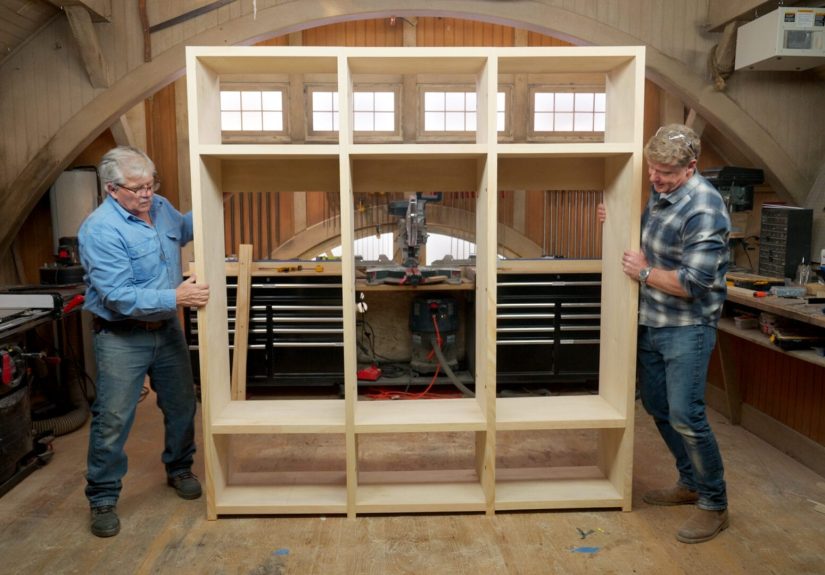
Episode 26: Mudroom Cubbies
The finale is delightfully useful. Mudroom cubbies are the kind of project that can improve a household immediately, especially if backpacks, shoes, coats, and random sports gear have been conducting an unsanctioned occupation near the front door. The episode also folds in paint finishing and mulch education, which sounds like a lot on paper but feels cohesive on screen. It is a tidy end to a season built on the idea that smarter systems make calmer homes.
Why Season 23 Feels Fresh
What makes Season 23 of Ask This Old House feel fresh is not reinvention. It is range. The cast moves from accessibility upgrades to landscaping, from beehives to HVAC diagnostics, from historical materials to emerging construction methods, without losing the show’s identity. Kevin O’Connor remains the ideal guide because he knows when to ask the obvious question the audience is thinking. Tom Silva still makes complex carpentry feel approachable. Richard Trethewey keeps mechanical systems understandable. Jenn Nawada brings landscape intelligence and regional awareness. And the expanded bench of experts, including Nathan Gilbert, Heath Eastman, Mauro Henrique, Mark McCullough, Ross Trethewey, and Lee Gilliam, gives the season depth without crowding it.
That matters for SEO-minded readers and actual viewers alike: when people search for Ask This Old House Season 23 episodes, they are often looking for more than a plain episode list. They want to know whether the season is worth their time. The answer is yes. It is useful for homeowners, entertaining for DIY fans, and accessible even if you cannot tell a router bit from a door hinge. The season respects the intelligence of the audience without assuming everybody was born holding a tape measure.
Extended Reflections: The Experience of Watching Season 23
Watching Season 23 feels a lot like having competent, calm people walk into the part of your house that annoys you most and say, “All right, let’s sort this out.” That may be the real magic of Ask This Old House. It does not just show projects. It reduces the emotional static that comes with homeownership. A rattling fan, a soggy gutter problem, a crooked patio, a gloomy entry, a mystery utility bill, a too-hot room, a clutter trap by the front door, a space that no longer works for the way you live now; these are not world-ending crises, but they are the kinds of things that quietly wear people down. Season 23 understands that better than a lot of louder home shows.
There is also something deeply satisfying about the show’s pace. It is not frantic. It does not behave like every paint choice is a spiritual awakening. Nobody gasps because a wall came down. Nobody pretends a stair tread is “a total game changer for the entire family journey” while dramatic music swells like someone found buried treasure behind the water heater. Instead, the season trusts the viewer. It lets the work be interesting. And somehow, that makes the episodes more watchable, not less.
Another experience that stands out in Season 23 is the sense of movement. The season travels, and that matters. Miami brings climate-specific comfort issues. Florida landscaping changes the plant conversation entirely. Detroit adds community-focused energy and practical urban problem-solving. Austin introduces future-facing building methods. Cape Cod gives the outdoor shower episode a distinct personality that would not feel the same anywhere else. These location shifts make the season feel broader than a generic “fix a house” show. Homes are personal, local, weather-dependent, budget-dependent, and full of quirks. Season 23 leans into that reality.
Then there is the cast dynamic, which is a major part of the viewing experience. The experts are skilled, but they are also unpretentious. That matters more than people realize. When Tom builds, it feels earned. When Richard explains a system, it feels clarifying rather than performative. When Jenn talks landscaping, she connects design with use and climate instead of treating plants like decorative wallpaper. Nathan, Heath, Mauro, Mark, Ross, and Lee each bring a specialized voice, but the season never turns into a contest for screen time. It feels collaborative, and viewers can sense that immediately.
The emotional experience of the season also deserves mention. Episode 25, the tribute to Roger Cook, gives the season real heart. It reminds viewers that this franchise has lasted because it built relationships, not just projects. Even when the show is teaching something technical, it is also reinforcing a quiet philosophy: homes deserve care, craft matters, and good advice can make people feel more capable. That message lands even harder in a tribute episode because it shows the human side of expertise.
By the time Season 23 ends with Mudroom Cubbies, the overall experience is surprisingly complete. You have seen repairs, upgrades, preservation work, new technology, outdoor improvements, tool education, craftsmanship, and a meaningful look back at one of the show’s most beloved figures. You also come away with ideas you can actually use. Maybe not all of them. Most of us are not building an outdoor shower next weekend. But you might rethink your entry storage, your lighting, your airflow, your yard, or the way you approach a repair before panicking and opening seventeen browser tabs. That alone makes the season valuable.
In the end, Season 23 is not about showing off houses. It is about making houses work better. That sounds simple, but it is the reason this show still resonates. The episodes are useful, grounded, and refreshingly free of nonsense. For viewers who love home improvement shows with real substance, Season 23 – Ask This Old House episodes offers exactly what the title promises: smart fixes, memorable projects, and the kind of steady expertise that never goes out of style.
Conclusion
If you want a season that captures the full personality of the franchise, Ask This Old House Season 23 is an easy recommendation. The episode lineup is broad without feeling scattered, educational without becoming dry, and warm without turning syrupy. It respects traditional craftsmanship, embraces modern home technology where it makes sense, and never loses sight of the people living in these spaces. In a TV landscape full of makeover chaos and forced reactions, Season 23 succeeds by doing something radical: it stays helpful. And that, frankly, looks very good on a house.