Table of Contents >> Show >> Hide
- Why Rice and Grains Deserve a Permanent Spot in Your Kitchen
- Smart Cooking Tips for Better Rice and Grain Recipes
- Favorite Types of Rice and Grains to Cook With
- Rice & Grain Recipe Ideas Worth Repeating
- How to Build a Week of Meals from One Grain Prep Session
- Common Mistakes That Ruin Rice and Grain Recipes
- Why the Best Rice & Grain Recipes Feel So Reliable
- Kitchen Experience: What Rice & Grain Recipes Teach You Over Time
- Conclusion
- SEO Tags
Rice and grains are the quiet overachievers of the kitchen. They are affordable, adaptable, comforting, and somehow capable of being both “cozy weeknight dinner” and “look at me, I meal-prepped like a responsible adult.” One pot of fluffy rice can anchor a stir-fry, stretch a soup, bulk up a salad, or become tomorrow’s fried rice if you have the patience to save leftovers. Other grains, from quinoa and farro to barley and bulgur, bring their own personalities to the table: nutty, chewy, toasty, hearty, and occasionally smug in that “I’m full of fiber” kind of way.
This guide to rice and grain recipes is designed for home cooks who want more than a plain scoop on the side of the plate. It covers the best ways to use grains in everyday cooking, the smartest techniques for better texture and flavor, and a range of recipe ideas you can actually make without turning dinner into a science fair. Whether you are building grain bowls, making a cozy breakfast porridge, tossing together a fast pilaf, or reviving day-old rice into a skillet miracle, there is plenty to work with here.
Why Rice and Grains Deserve a Permanent Spot in Your Kitchen
Good rice and grain recipes solve a lot of dinner problems at once. They are satisfying without being fussy, budget-friendly without feeling boring, and flexible enough to pair with vegetables, beans, eggs, seafood, poultry, or whatever is hiding in the back of the refrigerator. Whole grains also bring more texture and depth than many refined grains, which means a bowl of food can taste more interesting before you even reach for the sauce.
There is also an impressive range to explore. White rice is fast, fluffy, and dependable. Brown rice is earthier and chewier. Jasmine rice leans fragrant, basmati stays elegant and separate, sushi rice is sticky in the best possible way, and wild rice offers a firm bite that makes soups and salads far more exciting. Meanwhile, quinoa cooks quickly, farro holds up beautifully in meal prep, barley is a soup hero, and bulgur is the overachiever of last-minute side dishes.
In other words, rice and grains are not filler. They are the backbone of deeply satisfying meals. Treat them that way and your food will immediately taste more intentional.
Smart Cooking Tips for Better Rice and Grain Recipes
1. Rinse when it helps texture
Many rice recipes benefit from rinsing, especially when you want distinct, fluffy grains instead of a sticky clump that behaves like edible wallpaper paste. Rinsing removes excess surface starch, which can make white rice cleaner-tasting and less gummy. Not every grain needs this treatment, but for plenty of rice dishes, it is a tiny step with a big payoff.
2. Toast grains for extra flavor
If you have ever wondered why restaurant rice pilaf tastes richer than the version you threw together in a hurry, this is often the secret. Toasting rice or grains briefly in oil or butter before adding liquid creates a nuttier aroma and a more layered flavor. It is the culinary equivalent of putting on a blazer: same person, suddenly more polished.
3. Match the grain to the job
Not every grain belongs in every dish. Long-grain rice is great when you want separate kernels. Brown rice and farro are excellent in grain bowls because they stay pleasantly chewy. Quinoa works well in salads because it cooks quickly and stays light. Barley thrives in soups and risotto-style dishes, where its starch helps create a velvety texture. Picking the right grain is half the battle and most of the bragging rights.
4. Let cooked grains rest
Rice especially benefits from a few minutes off the heat before fluffing. That short rest allows moisture to distribute more evenly, which means better texture and fewer wet spots. It is not dramatic. It is just effective. Like most kitchen wisdom, it sounds annoying right up until it works.
5. Keep leftovers on purpose
Freshly cooked rice is wonderful. Day-old rice is strategic. Chilled leftover rice is ideal for fried rice, rice salads, stuffed vegetables, and quick lunch bowls. The grains dry slightly in the refrigerator, so they hold their shape better in a hot pan. Future-you will be grateful, and present-you will feel unusually organized.
Favorite Types of Rice and Grains to Cook With
- Jasmine rice: fragrant and soft, perfect for stir-fries, grilled meats, and saucy dishes.
- Basmati rice: light and fluffy with a delicate aroma, excellent for pilaf and curries.
- Brown rice: hearty and nutty, a strong choice for meal prep and grain bowls.
- Wild rice: chewy and deeply savory, ideal in soups, salads, and holiday-style side dishes.
- Quinoa: quick-cooking and versatile, great in salads, breakfast bowls, and skillet meals.
- Farro: tender-chewy with a nutty flavor, excellent for warm salads and hearty sides.
- Barley: pleasantly chewy and comforting, especially good in soups and risotto-style recipes.
- Bulgur: fast and practical, perfect for grain salads, herby sides, and easy lunch prep.
Rice & Grain Recipe Ideas Worth Repeating
Lemon Herb Rice Pilaf
This is the side dish that rescues bland chicken, roasted fish, and tired weeknight vegetables. Start by sautéing a little onion or shallot in olive oil or butter, then add long-grain rice and toast it lightly. Cook with broth, finish with lemon zest, parsley, and a squeeze of juice, and suddenly your humble pot of rice tastes like it got promoted.
Best add-ins: toasted almonds, peas, dill, scallions, or a handful of crumbled feta. It is bright, flexible, and much more charming than plain white rice pretending everything is fine.
Mushroom Farro Skillet
Farro has a satisfying chew that makes it feel substantial without becoming heavy. Cook it until tender, then fold it into a skillet of browned mushrooms, garlic, thyme, and a splash of broth. Finish with Parmesan or a spoonful of mascarpone if you want something creamy and dramatic.
This recipe works especially well in cooler weather, when your dinner should ideally feel like it is wearing a sweater. Add spinach, white beans, or roasted squash to turn it into a complete meal.
Quinoa Breakfast Bowl
Oatmeal gets all the breakfast glory, but quinoa deserves more attention before noon. Simmer it until tender, then serve it warm with milk, cinnamon, chopped apples or berries, nuts, and a drizzle of maple syrup. The result is lightly sweet, pleasantly nutty, and less predictable than your usual breakfast routine.
For a savory version, top warm quinoa with a soft egg, avocado, sautéed greens, and chili crisp. Breakfast suddenly feels a little more ambitious, but still manageable.
Better-Than-Takeout Fried Rice
The secret to good fried rice is not mystery. It is cold rice, high heat, and resisting the urge to crowd the pan. Start with leftover rice. Cook aromatics and vegetables first, scramble in an egg if you like, then add the rice and toss until the grains separate and lightly toast. Finish with soy sauce, sesame oil, and something fresh like scallions.
You can add shrimp, chicken, tofu, or edamame, but do not overcomplicate it. Fried rice is at its best when it tastes like actual rice, not sauce with a support staff.
Loaded Grain Bowls
If you like meals that feel healthy, colorful, and suspiciously expensive in restaurants, grain bowls are your friend. Start with cooked brown rice, quinoa, farro, or barley. Add roasted vegetables, greens, beans or protein, something crunchy, and a punchy sauce. That is the formula. No one needs to overthink this.
A reliable bowl structure looks like this:
- Base: brown rice, quinoa, farro, or a rice-and-grain blend
- Vegetables: roasted broccoli, sweet potatoes, cucumbers, cabbage, carrots
- Protein: chickpeas, salmon, chicken, tofu, soft-boiled eggs
- Crunch: nuts, seeds, crispy onions, radishes
- Sauce: tahini dressing, yogurt sauce, vinaigrette, miso dressing, spicy mayo
The beauty of grain bowl recipes is that they are both structured and forgiving. They are the meal equivalent of “business casual.”
Barley Soup with Vegetables
Barley brings body and comfort to soup in a way that feels almost unfair to lesser ingredients. Simmer it with onions, carrots, celery, garlic, tomatoes, broth, and whatever vegetables need using up. Add beans for extra heft or shredded chicken for a more traditional feel.
The barley thickens the broth slightly and gives every spoonful a chewy, satisfying bite. This is the kind of pot you make when you want leftovers that improve overnight and quietly make you feel like you have your life together.
Bulgur and Herb Salad
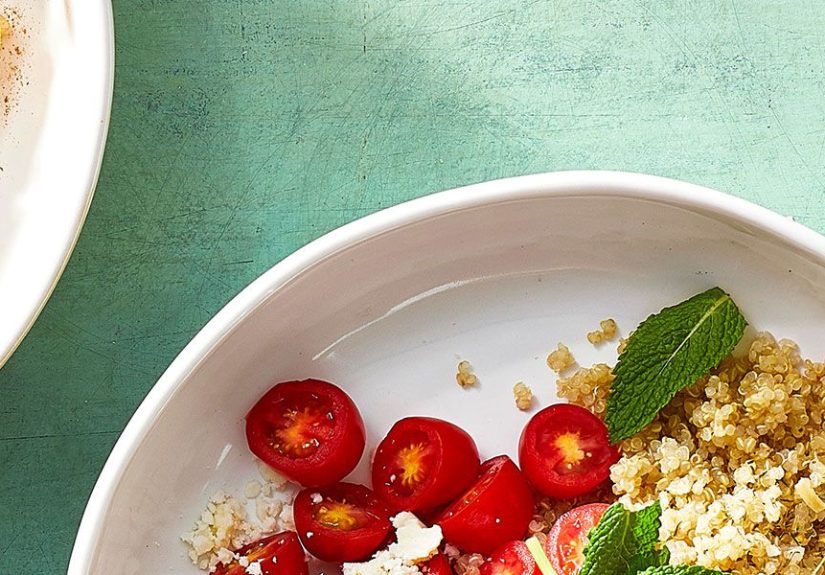
Bulgur is one of the quickest paths to a useful side dish. Soak or simmer it, then toss with parsley, mint, cucumber, tomatoes, lemon juice, olive oil, and a little salt. It is fresh, adaptable, and excellent with grilled meats, roasted vegetables, or chickpeas.
You can also bulk it up with feta, pistachios, or chopped olives if you want more richness and texture. Bulgur does not ask for much, but it delivers a lot.
How to Build a Week of Meals from One Grain Prep Session
One of the smartest things about rice and grain recipes is how well they support meal prep. Cook a pot or two at the start of the week and suddenly several meals become easier.
- Monday: grain bowl with roasted vegetables and tahini dressing
- Tuesday: fried rice with eggs, peas, and scallions
- Wednesday: soup with barley or brown rice added for body
- Thursday: lemon herb pilaf alongside salmon or chicken
- Friday: cold grain salad with cucumbers, beans, herbs, and vinaigrette
This approach reduces waste, saves time, and keeps dinner from sliding into the familiar tragedy of toast and random pickles.
Common Mistakes That Ruin Rice and Grain Recipes
Using too much liquid
Mushy grains are rarely the dream. Follow a reliable method for the specific grain you are using, because quinoa, brown rice, bulgur, and farro do not all play by the same rules.
Skipping seasoning
Rice and grains need salt. They also benefit from broth, aromatics, citrus, herbs, and spices. A plain pot can be useful, but a seasoned pot is memorable.
Fluffing too aggressively
Stirring cooked rice like you are punishing it will break the grains and turn the texture gummy. A fork and a light hand work better.
Thinking grains are boring
This is less a cooking mistake and more a mindset issue. Grain recipes become boring only when treated like background noise. Once you layer in texture, acid, herbs, crunch, and contrast, they become the kind of meals people actually crave.
Why the Best Rice & Grain Recipes Feel So Reliable
The best rice and grain recipes are not flashy because they do not need to be. They work because they balance comfort and flexibility. They can be simple enough for a Tuesday and interesting enough for guests. They welcome leftovers, encourage improvisation, and stretch expensive ingredients without making dinner feel cheap.
Most importantly, they reward practice. The more you cook rice and grains, the more intuitive they become. You start recognizing which grains belong in soup, which ones make a better salad, and which batch should absolutely be saved for fried rice the next day. That kind of kitchen confidence is hard to beat.
Kitchen Experience: What Rice & Grain Recipes Teach You Over Time
After cooking rice and grains regularly, you begin to notice something funny: they quietly change the way you cook everything else. At first, they seem like side dishes. Then one day, without warning, you realize they have become the framework for half your meals and a good portion of your kitchen logic.
Rice teaches patience. The best pots usually come from resisting the urge to peek, stir, poke, and otherwise behave like a nervous stage parent. You add the liquid, cover the pot, lower the heat, and trust the process. It is deeply annoying the first few times because doing nothing feels suspicious. Then you lift the lid and find tender, fluffy grains, and suddenly restraint seems like a very glamorous life skill.
Other grains teach flexibility. Quinoa forgives. Farro holds up. Bulgur is almost aggressively convenient. Barley takes its sweet time but rewards you with a pot of something that feels substantial and comforting. Cooking with different grains makes you less dependent on a single routine, and that matters on busy weeks when dinner needs to bend without breaking.
There is also a practical satisfaction in discovering how far one batch can go. A pot of brown rice on Sunday can become Monday’s burrito bowl, Tuesday’s fried rice, Wednesday’s soup booster, and Thursday’s lunch salad with whatever vegetables are still hanging around. It is not glamorous meal prep with matching containers and a color-coded spreadsheet. It is a looser, saner kind of kitchen planning, and frankly, many of us need that.
Rice and grain recipes also sharpen your instincts about texture. You start craving contrast: chewy farro with roasted squash, fluffy jasmine rice with crispy tofu, cool grain salad with crunchy cucumbers and salty feta. You learn that a squeeze of lemon wakes up a whole bowl, that herbs make grains feel alive, and that toasted nuts can rescue nearly any lunch from mediocrity. These are small lessons, but together they make you a better cook.
Maybe the best part is that grain-based meals feel generous. They stretch ingredients, welcome improvisation, and make it easier to feed more people without panic. A bowl of grains topped with vegetables, sauce, and something protein-rich does not feel like a compromise. It feels thoughtful. Cozy. Capable. The kind of food that says, “Yes, dinner happened, and no, it did not require a meltdown.”
Over time, that is the real charm of rice and grain recipes. They are dependable without being dull, wholesome without being self-righteous, and creative without demanding culinary gymnastics. They meet you where you are, whether that is an ambitious Sunday cook-up or a Wednesday night when you are one dirty skillet away from giving up. And honestly, any ingredient group that can do all that deserves permanent pantry status.
Conclusion
Rice and grain recipes earn their place in everyday cooking because they offer variety, comfort, value, and endless flexibility. From lemony rice pilaf and skillet farro to breakfast quinoa, fried rice, grain bowls, and barley soup, these ingredients adapt to almost any mood or meal plan. Once you learn a few core techniques, such as rinsing when needed, toasting for flavor, resting after cooking, and saving leftovers strategically, grains stop being an afterthought and start becoming the most useful players in your kitchen. That is a pretty good return from one pantry shelf.