Table of Contents >> Show >> Hide
- Why Rainbow Cake Works (And Why It Sometimes Doesn’t)
- Rainbow Cake Ingredients
- Tools You’ll Be Glad You Used
- Step-by-Step Rainbow Cake Recipe
- Make the Vanilla Buttercream
- How to Assemble a Rainbow Layer Cake That Stands Tall
- Pan Sizes and Easy Conversions
- Flavor Variations That Still Keep the Rainbow
- Troubleshooting: Fixes for Common Rainbow Cake Problems
- Make-Ahead, Storage, and Serving Tips
- Rainbow Cake “Real Life” Experiences (The Stuff Recipes Don’t Always Say)
- Conclusion
- SEO Tags
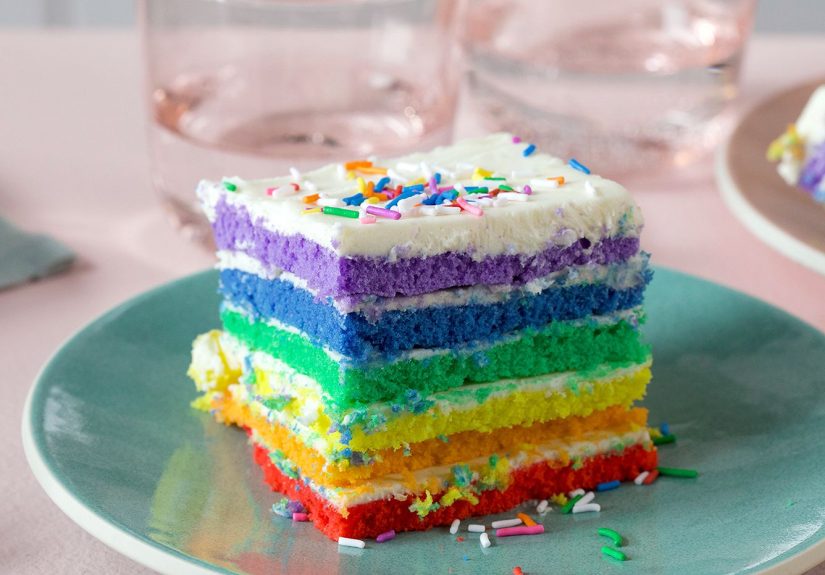
A rainbow cake is basically a magic trick you can eat: a normal-looking frosted layer cake on the outside, and thensurprisesix bold, bright layers when you slice it.
It’s the dessert equivalent of opening a closet and finding an entire color wheel living in there rent-free.
This guide walks you through a reliable, from-scratch rainbow cake recipe with practical, real-baker tips for getting clean colors, tender layers, and a cake that stacks straight
(instead of leaning like it’s trying to whisper gossip to the cake stand). You’ll also find variations, troubleshooting, make-ahead strategies, and a long “what it’s really like” section at the end.
Why Rainbow Cake Works (And Why It Sometimes Doesn’t)
At its core, rainbow cake is a classic vanilla butter cake (or vanilla layer cake) divided into portions and colored. The “wow” comes from contrast: a light-colored batter,
vivid food coloring, and thin layers that bake evenly. Where people run into trouble is usually one of these:
- Colors look dull (often from using liquid coloring in tiny amounts or a batter that’s too yellow).
- Layers bake unevenly (unequal batter portions, inconsistent pan prep, or mixing differences between bowls).
- Cake stacks crooked (domed layers, warm frosting, or skipping the crumb coat/chill time).
The good news: every one of those problems has a fix, and most of them are solved with a kitchen scale, gel coloring, and a little patience.
(Not a spiritual journey. Just, like… 20 minutes of chilling.)
Rainbow Cake Ingredients
This recipe makes six 6-inch layers (the classic “true rainbow” look). You can bake in batches if you don’t have six pans.
I’ll also include a simple size conversion later.
For the Vanilla Rainbow Cake Layers
- 2 3/4 cups (345 g) all-purpose flour
- 2 1/2 teaspoons baking powder
- 1/2 teaspoon fine salt
- 3/4 cup (170 g) unsalted butter, softened
- 1/4 cup (55 g) neutral oil (canola/vegetable)
- 1 3/4 cups (350 g) granulated sugar
- 4 large eggs, room temperature
- 2 large egg whites, room temperature (helps keep the crumb lighter in color)
- 1 tablespoon vanilla extract
- 3/4 cup (180 g) sour cream, room temperature
- 3/4 cup (180 ml) whole milk, room temperature
- Gel food coloring: red, orange, yellow, green, blue, purple
For the Vanilla Buttercream Frosting
- 1 1/2 cups (340 g) unsalted butter, softened
- 5 1/2 to 6 cups (660–720 g) powdered sugar, sifted
- 3 to 5 tablespoons heavy cream (or whole milk)
- 2 teaspoons vanilla extract
- 1/4 teaspoon fine salt (more to taste)
Optional Finishes
- Rainbow sprinkles (jimmies work well)
- White chocolate drip or simple buttercream swirls
- Fresh berries for a less “birthday explosion” look
Tools You’ll Be Glad You Used
- Kitchen scale (for equal batter portionsthis is the secret to even layers)
- Six 6-inch round cake pans (or 2–3 pans and bake in batches)
- Parchment rounds + nonstick spray
- Stand mixer or hand mixer
- Offset spatula + bench scraper (frosting = smoother, faster, fewer regrets)
- Cooling racks
Step-by-Step Rainbow Cake Recipe
1) Prep the Pans and Oven
- Preheat oven to 350°F (175°C).
- Grease six 6-inch round pans. Line bottoms with parchment rounds, then lightly grease again.
- Dust with flour and tap out excess (optional but helpful if your pans are older or moody).
Pro tip: If you’re baking in batches, prep all parchment rounds first. When one batch comes out, you’ll be ready to refill and bake again without scrambling.
Rainbow cake rewards organization.
2) Mix the Dry Ingredients
Whisk together flour, baking powder, and salt in a bowl. Set aside.
3) Cream Butter, Oil, and Sugar
- In a large bowl, beat the butter and sugar on medium-high until fluffy, 3–5 minutes.
- Beat in the oil. This “butter + oil” combo helps with flavor and moisture.
4) Add Eggs and Vanilla
- Add eggs one at a time, beating after each addition.
- Add egg whites and beat until combined.
- Mix in vanilla extract.
If your mixture looks slightly curdled at this point, don’t panic. Once you add dry ingredients and dairy, it typically comes together.
(Cakes are dramatic. You are calm.)
5) Alternate Dry Ingredients and Dairy
- In a measuring cup, whisk sour cream and milk together until smooth.
- Add flour mixture in 3 additions, alternating with the sour cream/milk in 2 additions.
- Mix just until combined. Overmixing = tougher cake layers and less delicate crumb.
6) Divide Batter Evenly (The Scale Method)
Weigh your mixing bowl with batter, then divide the total by 6 to get your target weight per color.
Spoon that amount into six bowls. This makes your layers bake evenly and stack neatly.
Why it matters: If one bowl has more batter, that layer bakes thicker and domes more, which creates a leaning tower effect during stacking.
Funny in photos, less funny when slicing.
7) Color the Batter
Add gel food coloring a little at a time, stirring gently with a spatula. Aim for vivid color, but try not to whip air into the batter.
Gel coloring is preferred because it delivers bold color without adding much extra liquid.
- Red: Often needs the most coloring to look “true red,” not pink.
- Purple: Mix violet with a tiny touch of pink if it looks too blue-leaning.
- Natural colors: Work, but tend to be more muted and sometimes shift slightly during baking.
8) Bake the Layers
- Pour each color into its prepared pan and smooth the top.
- Bake 12–16 minutes (6-inch pans), or until a toothpick comes out with a few moist crumbs.
- Cool in pans 10 minutes, then turn out onto racks to cool completely.
Batch baking note: If you only have 2–3 pans, bake in rounds. Keep the colored bowls covered at room temp while the first batch bakes.
Stir each color gently before pouring the next batch.
Make the Vanilla Buttercream
- Beat butter on medium-high until creamy, about 2–3 minutes.
- Add powdered sugar gradually (unless you want your kitchen to look like it hosted a blizzard).
- Add vanilla, salt, and 3 tablespoons cream. Beat 2 minutes.
- Add more cream 1 tablespoon at a time until spreadable but still sturdy.
Texture goal: Soft enough to spread, firm enough to hold layers in place. If it’s too loose, chill it 10–15 minutes and re-whip.
How to Assemble a Rainbow Layer Cake That Stands Tall
1) Level the Layers
If any layers are domed, level them with a serrated knife once fully cool. Flat layers are the difference between “bakery vibe” and “tipsy rainbow.”
2) Stack in Rainbow Order
Place the first layer on a cake board or plate. Spread a thin, even layer of buttercream.
Repeat: cake layer, frosting, cake layer, frostinguntil you reach the top.
3) Crumb Coat + Chill
Spread a thin coat of frosting around the whole cake to trap crumbs (this is the crumb coat).
Chill for 20–30 minutes. This step makes final frosting smoother and far less stressful.
4) Final Frosting and Decorating
Add a thicker final coat of buttercream. Smooth with a bench scraper. Finish with sprinkles, swirls, or a drip.
If you’re doing sprinkles on the sides, gently press them into the frosting while it’s still tacky.
Pan Sizes and Easy Conversions
- Six 6-inch layers: Best for the classic rainbow look (thin, even slices).
- Three 8-inch layers: You can do a “rainbow ombré” (blend colors per layer) or bake fewer colors per layer.
- Sheet cake: Spread batter in a 9×13 pan and create stripes or swirls for a simpler rainbow effect.
If you want a larger cake with true six-color layers in 8-inch pans, you’ll usually need more batter than this recipe provides.
The easiest path is to bake six thinner 8-inch layers in batches, or scale the recipe up by about 1.3x–1.5x depending on your pan depth.
Flavor Variations That Still Keep the Rainbow
Funfetti Rainbow Cake
Add 1/2 cup rainbow sprinkles to the uncolored batter before dividing (use jimmies; tiny nonpareils can bleed).
Lemon-Vanilla Rainbow Cake
Add 1 tablespoon lemon zest and swap 1/2 teaspoon vanilla for 1/2 teaspoon lemon extract.
Chocolate Buttercream “Pot of Gold”
Frost the outside with chocolate buttercream and keep vanilla between layers. It gives a dramatic slice reveal and balances sweetness.
Natural Food Coloring Version
Use natural powders or homemade coloring (like turmeric for yellow, berry-based reds, or cabbage-based blues/purples).
Expect softer hues and test a small amount firstsome natural colors shift slightly with heat and acidity.
Troubleshooting: Fixes for Common Rainbow Cake Problems
My colors look muted
- Use gel coloring and a light batter base (egg whites help).
- Don’t be afraid to deepen color in the bowlsome colors bake a touch lighter.
- Avoid overbrowning: bake just until done and pull promptly.
My layers are dry
- Check your oven temperature (an oven thermometer is a life upgrade).
- Pull layers as soon as they test donethin layers overbake quickly.
- Wrap cooled layers and chill; cold layers are easier to frost and often taste moister after resting.
My cake is sliding or leaning
- Level domes and keep frosting at a spreadable-but-sturdy consistency.
- Chill after the crumb coat and again after final frosting if your kitchen is warm.
- Use a small “buttercream dam” around the edge of each layer if your frosting is soft.
My frosting is too sweet
- Add a pinch more salt and a splash more vanilla.
- Try a tangier filling (cream cheese frosting between layers) and vanilla outside.
- Serve with berries or a lightly sweetened whipped cream sidesweetness loves a balancing buddy.
Make-Ahead, Storage, and Serving Tips
- Make ahead: Bake layers up to 2 days early. Wrap tightly and refrigerate (or freeze up to 1 month).
- Freeze layers: Wrap each layer in plastic wrap + foil. Thaw overnight in the fridge before frosting.
- Store finished cake: Refrigerate if using dairy-heavy frosting. Let sit at room temp 30–60 minutes before serving for best texture.
- Clean slices: Use a sharp knife dipped in hot water and wiped dry between cuts.
Rainbow Cake “Real Life” Experiences (The Stuff Recipes Don’t Always Say)
If you’ve never made a rainbow cake before, here’s what typically happens in real kitchens (and what you can do so it goes smoothly).
First: you’ll underestimate how many bowls you need. You’ll confidently start with two bowls, realize you need six, and then suddenly every cereal bowl you own
is drafted into service. If you want to feel like a calm professional, set out six bowls before you start coloring. It’s a small thing, but it turns the process
from “color emergency” into “delightful edible art.”
Next: the red layer will test your patience. People often expect red to pop instantly, but it can look pink until you add enough gel color.
This is where “tiny additions” matters. Add a little, mix gently, and then pause for a few seconds. Color can deepen as it disperses.
Many bakers find that the purple layer is the opposite problem: it can pull too blue if you’re not careful, so a microscopic touch of pink can nudge it toward a true violet.
It’s basically color theory, but with frosting potential.
Then there’s the baking-in-batches reality. Unless you have six identical pans, you’ll likely bake two or three rounds.
The biggest worry is, “Will my batter sit too long?” In practice, if you work efficiently and keep bowls covered at room temperature, you can bake in rounds successfully.
The key experience-based move is to stir each bowl gently before pouring, because batter can settle a bit while waiting.
Also: re-grease and re-line your pans each round. Reusing parchment that’s already baked once is a shortcut that tends to backfire at the exact moment you’re trying to unmold
a neon-blue layer. (That’s not the time to discover your pan has trust issues.)
Frosting brings its own set of “welcome to the club” moments. A common first-timer experience is frosting that’s too soft because the kitchen is warm
or the butter is borderline melty. When that happens, the cake layers can slide slightly as you stack.
The fix is refreshingly unglamorous: chill the cake. A short chill after a crumb coat makes the whole project feel 10 times more controlled.
Another experience-based tip: don’t fight crumbs with your soul. Fight crumbs with a crumb coat.
That thin first layer is like putting down painter’s tape before you paintboring, practical, and secretly the reason it looks good.
And yes, food coloring will try to become part of your identity. It can stain fingertips, wooden spoons, and sometimes your confidence.
If you want to keep cleanup easy, use disposable gloves while coloring and a silicone spatula (silicone cleans up far better than porous tools).
If you’re serving rainbow cake at a birthday party, the experience is usually the same: kids gasp at the first slice, adults pretend they’re “just having a small piece,”
and someone asks if you bought it from a bakery. That question is the rainbow cake trophy. Accept it graciously.
Finally, the most underrated experience: rainbow cake tastes better the next day. Not because it changes flavor dramatically, but because resting lets moisture distribute
and the crumb soften slightly. If you can bake layers one day and assemble the next, you’ll usually get cleaner stacking and a more tender bite.
So if you’re making this for a big eventbirthday, Pride celebration, baby shower, or just a Tuesday that needs more joygive yourself that extra cushion.
Rainbow cake is supposed to be fun. The goal is “wow,” not “why am I sweating over purple batter at midnight?”
Conclusion
A great rainbow cake recipe is less about perfection and more about smart steps: a light vanilla batter, gel coloring, evenly divided portions,
and chilling at the right moments so your layers behave. Once you’ve done it once, you’ll realize it’s not “hard,” it’s just a projectlike decorating a tree or assembling furniture,
except this one comes with buttercream.
When you’re ready, grab your bowls, commit to the crumb coat, and remember: even if your layers aren’t laser-straight, the slice reveal will still make people smile.
And that’s kind of the whole point of a rainbow.