Table of Contents >> Show >> Hide
- What Exactly Is Psoriatic Arthritis Nail Damage?
- Fast Facts (So You Can Speak Fluent “Nail-ish”)
- Symptoms: What You’ll See, Feel, and (Sometimes) Hear
- Why Nails Get Involved in Psoriatic Arthritis
- Getting a Diagnosis (Without Playing Dermatology Bingo)
- Nail Psoriasis vs. Fungal Nail Infection
- Treatment: From “Stop Snagging” to Long-Term Control
- When to See a Professional
- Prevention & Maintenance
- FAQs (Short, Sweet, and To the Point)
- Bottom Line
- SEO Goodies
- Real-World Experiences & Pro Tips ()
When your nails start sending cryptic messagestiny craters, mysterious yellow patches, or a nail that seems to be ghosting the nail bedit may not be a manicure mishap. It could be nail involvement from psoriatic arthritis (PsA). Let’s decode those signals in plain English, with real science and easy, practical fixes.
What Exactly Is Psoriatic Arthritis Nail Damage?
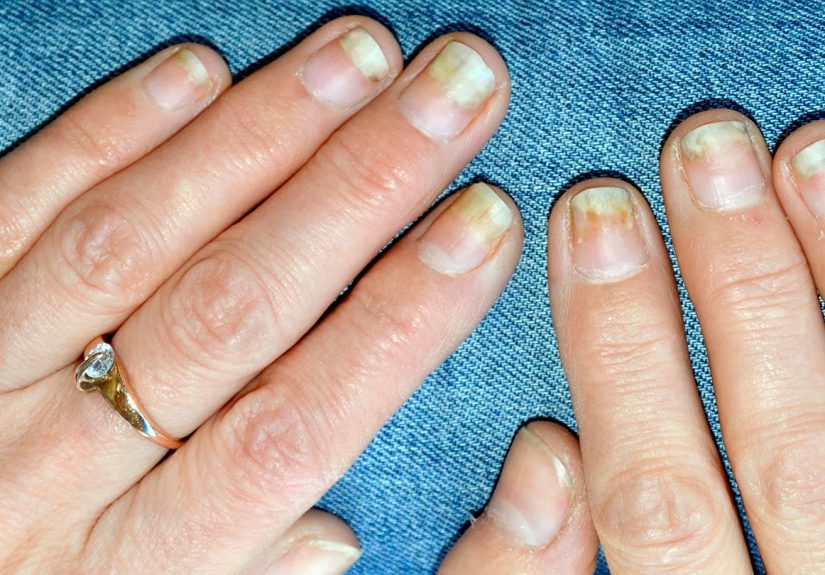
Psoriatic arthritis is an autoimmune condition that inflames joints and, in many people, the skin. Because your nails share anatomical and immune “neighborhoods” with the tips of your fingers and toes (particularly the distal interphalangeal joints and surrounding entheses), the immune misfire can show up in nails, too. The result: texture changes (pits and ridges), color shifts (that coppery “oil-drop” stain), thickened debris under the nail, and the nail lifting from the bed (onycholysis). These changes are more than cosmeticnail pain, snagging, and tenderness can make everyday tasks surprisingly annoying.
Fast Facts (So You Can Speak Fluent “Nail-ish”)
- Pitting: Tiny dents on the nail surfacethink thumbtack marks in soft wood.
- Oil-drop (salmon patch): A translucent yellow-orange spot beneath the nail plate.
- Onycholysis: The nail partially lifts off the bed, creating a white space that can trap dirt and microbes.
- Subungual hyperkeratosis: Chalky, thick build-up under the nail that can cause pressure and soreness.
- Crumbly or brittle nails: When the plate weakens from ongoing inflammation.
Heads-up: Fungal infections can look similar. Many clinicians check for onychomycosis (e.g., KOH prep, culture, or PAS stain) before dialing in your treatment plan.
Symptoms: What You’ll See, Feel, and (Sometimes) Hear
Visible Changes
Besides pits and oil-drops, watch for uneven color (yellow, brown, or a red-black streak from tiny hemorrhages), thick, chalky build-up, and jagged separation at the nail’s free edge.
How It Feels
Tenderness when you press the nail or type; throbbing when you’re in tight shoes; and a “snag risk” that catches on clothing. If you also have joint stiffness in the last finger joints, that’s a classic duo in PsA.
Quality-of-Life Impact
From shaking hands to opening cans, nails matter. People report frustration around grooming, self-consciousness, and even changing jobs that require fine manual work. This isn’t vanityit’s real function.
Why Nails Get Involved in Psoriatic Arthritis
The nail unit isn’t just the plate you trim. It includes the matrix (produces the plate), bed (the “mattress” under the plate), and surrounding folds. Inflammation at the tendon insertions near the nail (enthesitis) can trigger changes where the matrix lays down keratin. Matrix-dominant inflammation tends to cause pitting and crumbling; bed-dominant inflammation leans toward onycholysis and subungual debris. Different patterns can coexist on different nailsbecause PsA likes to keep things interesting.
Getting a Diagnosis (Without Playing Dermatology Bingo)
A dermatologist or rheumatologist will do a nail and joint exam, take a history (skin plaques now or in the past? family history?), and sometimes order tests to rule out mimics. If a fungal infection is suspected, they may clip or scrape a small sample for testing. Severity is often tracked with a standardized score like the Nail Psoriasis Severity Index (NAPSI), which helps measure response over time.
Nail Psoriasis vs. Fungal Nail Infection
| Feature | Nail Psoriasis | Onychomycosis (Fungal) |
|---|---|---|
| Common Signs | Pitting, oil-drop, subungual debris, onycholysis | Yellow-brown discoloration, thickening, friable nail |
| Pattern | Often multiple nails, may track with joint pain | May start in one nail and spread |
| Testing | Clinical ± biopsy; rule out fungus | KOH stain, culture, PAS often positive |
| Treatment | Topicals, injections, systemics for PsA | Antifungals (topical/oral) |
Pro tip: You can have both. Coinfection happensso treatment plans sometimes combine antifungals with anti-inflammatory therapy.
Treatment: From “Stop Snagging” to Long-Term Control
Nail Care and Lifestyle (Start Here)
- Keep nails short and gently rounded to reduce lift and snagging.
- Avoid trauma (tight shoes, aggressive manicures, picking at debris).
- Moisturize nail folds and cuticles; skip cutting cuticles (infection risk).
- Use protective gloves when cleaning, gardening, or doing wet work.
- Consider breathable footwear and moisture-wicking socks to reduce secondary infection risk.
Topical Therapies (Matrix and Bed Targets)
High-potency corticosteroids (often under occlusion) calm inflammation; vitamin D analogs (e.g., calcipotriene), tazarotene (a retinoid), and calcineurin inhibitors (off-label) can improve thickness, discoloration, and pitting. Expect gradual resultsnails grow slowly, and visible improvement can take months.
Intralesional Corticosteroid Injections (Precision Work)
For stubborn nailsespecially when only a few are involvedclinicians may inject a small amount of triamcinolone acetonide into the proximal nail fold or matrix at intervals. It sounds intense, but when done by an experienced clinician it can be highly effective for pitting and oil-drops.
Phototherapy (Select Cases)
Targeted phototherapy has mixed results in nails due to limited penetration, but can be considered when skin plaques also need light treatment. Practicality (clinic frequency) often guides this choice.
Systemic Treatments (When Joints and Skin Join the Party)
If you have active PsA or extensive skin disease, systemic therapy can improve nails and joints. Options may include:
- Traditional DMARDs: methotrexate, cyclosporine, acitretin (nail benefits vary; acitretin can help thickened nails but watch mucocutaneous side effects).
- Biologics: TNF-α inhibitors (adalimumab, etanercept, infliximab), IL-17 inhibitors (secukinumab, ixekizumab), IL-12/23 and IL-23 inhibitors (ustekinumab, guselkumab, risankizumab). Many clinical trials show meaningful nail improvement alongside skin and joint gains.
- Targeted small molecules: PDE-4 inhibitor apremilast; JAK inhibitors in PsA can also help global inflammation and sometimes nails.
Combination play: A topical plus a systemic is commonthink of topicals as “spot-treating” nails while the systemic quiets the immune system overall.
If Fungal Infection Is Confirmed
Antifungal therapy (topical or oral) may be added. Treating fungus doesn’t treat PsA, but it removes a look-alike problem that complicates nail recovery and keeps the playing field clean.
When to See a Professional
- Rapid nail changes with pain or swelling around the tip joints.
- Nail lifting, bleeding, or signs of infection (redness, warmth, pus).
- Multiple nails involved or DIY care isn’t helping after a few months.
- Any time nail issues arrive with new joint stiffness, morning soreness, or sausage-like swelling in fingers or toes.
Team sport: Many people benefit from a dermatologist–rheumatologist combo for coordinated care.
Prevention & Maintenance
- Manage triggers: stress, skin trauma (avoid picking), and smoking.
- Stick to your PsA regimeneven when joints feel okay; consistency helps nails catch up.
- Schedule regular gentle trims; consider a medical pedicure if nails are hard to manage.
- Use nail-friendly cosmetics: breathable nail polish; avoid harsh removers and hard gels that require aggressive scraping.
FAQs (Short, Sweet, and To the Point)
How long until I see improvement?
Fingernails grow ~3 mm/month; toenails ~1 mm/month. Visible change often takes 3–6 months (fingers) and 6–12 months (toes). Hang in there.
Are supplements helpful?
Biotin and other supplements won’t treat psoriatic nail inflammation. If your clinician suspects a deficiency, they’ll personalize advice. Otherwise, invest in proven anti-inflammatory therapy and good nail habits.
Will treating my PsA help my nails?
Yes. Effective systemic treatment that calms PsA often improves nails, especially when nail damage reflects the same inflammatory pathway as your joints and skin.
Bottom Line
Nail damage in psoriatic arthritis is common, treatable, and worth addressing. Identify the pattern, rule out fungus, fix daily habits, and pick a therapy matched to your disease severity. With time and the right plan, nails can look and feel dramatically betterand so can your grip on the little tasks that make up everyday life.
SEO Goodies
sapo: Psoriatic arthritis doesn’t stop at jointsyour nails can suffer too. From pitting and oil-drops to onycholysis and thick debris, nail changes are common but manageable. This in-depth guide explains what’s happening, how to tell nail psoriasis from fungus, and the treatmentstopical, injection, phototherapy, and systemicthat actually help. Expect clear steps, realistic timelines, and everyday hacks to protect your nails while your therapy does the heavy lifting.
Real-World Experiences & Pro Tips ()
“I thought it was just bad pedicures.” That’s how many stories start. One reader noticed a pale rim under the tip of her big toe that kept widening. She tried antifungal polish for monthsno dice. The lightbulb moment came when her pinky fingernail developed tiny pin-prick dents and her index finger felt stiff in the morning. Her dermatologist clipped a sample (fungus negative), started a high-potency steroid under occlusion for the nails, and coordinated with a rheumatologist who tweaked her PsA medication. Three months later, the oil-drop patch faded, and typing didn’t hurt.
“Injections sounded terrifying, but…” If you have one or two “bad actors,” intralesional triamcinolone can be a game-changer. A guitarist shared that a single pitted thumbnail wrecked his fingerstyle technique. After two careful injections a month apart, the pits smoothed out as the nail grew, and he could play weekend gigs again. The key: a clinician who does nail injections routinely and uses gentle technique with a tiny needle and local cooling to reduce discomfort.
“My nails improved when my shoes did.” Nails hate micro-trauma. Runners often see toenail onycholysis worsen during training blocks. One athlete downsized stack height and upsized toe-box width, swapped cotton socks for moisture-wicking synthetics, and used paper tape on her most tender nail fold before long runs. With the same PsA regimen, her toenails stopped lifting and the chalky debris plateaued.
“Combo therapy beat my plateau.” Nails can lag behind skin and joints. A tech worker on a biologic had clear skin and better morning stiffness, but the oil-drop stain on his pointer finger wouldn’t quit. His derm layered a vitamin D analog in the morning and a super-potent steroid under occlusion at night, three nights on, four off. After two nail growth cycles (about six months), the stain shifted to the free edge and clipped away. Patience + layering = progress.
“Salons are doablewith rules.” Several readers happily kept their manicure appointments by setting boundaries: no cuticle cutting (push back gently with oil), no electric filing over the nail plate, and polish breaks between events. Bring your own tools if possible, and ask for a light touch. If a nail is lifted, skip polish there until re-attached.
“Know when to escalate.” DIY care is great, but red flagsrapid spreading, pain in the last finger joints, or a nail that suddenly turns darkdeserve a fast appointment. If fungus is confirmed on one toe, treat it; leaving it smolders and confuses the picture.
“Measure what matters.” Snap monthly photos in the same lighting and angle, then compare. You’ll see subtle wins sooner, which keeps motivation high. Share those photos with your clinicianthey’re gold for adjusting therapy.
The take-home from the community: good footwear, gentle grooming, consistency with prescriptions, and smart escalation (injections or a systemic when needed) add up. Nail recovery is a slow-motion success story; give it the months it needs, and celebrate every clean millimeter of new growth.