Table of Contents >> Show >> Hide
- What Are Phytosterols, Exactly?
- How Do Phytosterols Work in Your Body?
- Do Phytosterols Really Lower Cholesterol?
- Where Can You Get Phytosterols?
- How Much Phytosterol Is Enough?
- Potential Downsides and Risks of Phytosterols
- Who Might Benefit Most from Phytosterols?
- How to Use Phytosterols Safely and Smartly
- Bottom Line: Are Phytosterols Right for You?
- Experiences and Practical Perspectives with Phytosterols
If you’ve ever stared at a tub of “heart healthy” margarine or a cholesterol-lowering yogurt and seen the words plant sterols or phytosterols, you might have wondered, “What exactly are these things… and should I be eating them?”
Short answer: phytosterols are plant-based cousins of cholesterol that can help lower LDL (“bad”) cholesterol. Longer answer: like most things in nutrition, they’re helpful in the right dose, in the right people, and they’re not totally drama-free.
In this in-depth guide, we’ll walk through what phytosterols are, how they work, how much actually does something, and the potential downsides and safety considerations you should know before loading up on sterol-fortified everything.
What Are Phytosterols, Exactly?
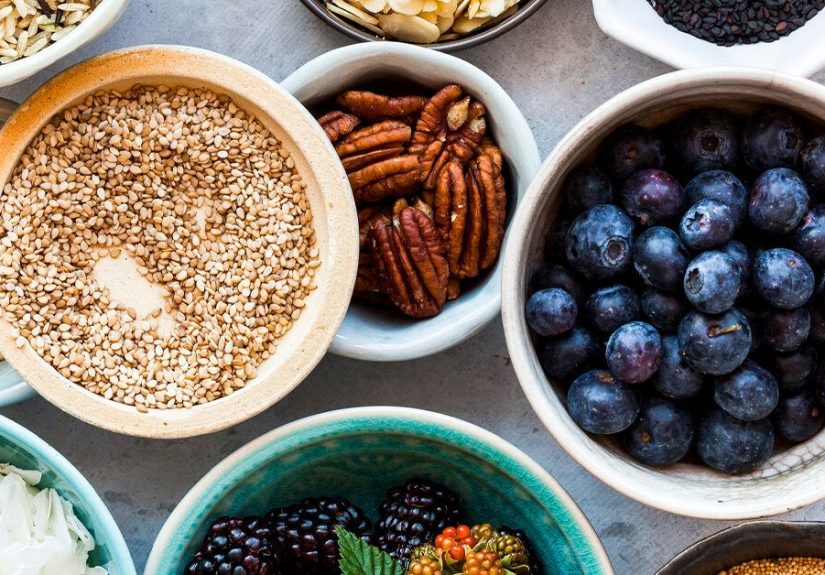
Phytosterols are a group of plant compounds that look a lot like cholesterol under the microscope. They’re naturally found in small amounts in foods like vegetable oils, nuts, seeds, whole grains, legumes, and some fruits and vegetables.
There are two major categories you’ll see on labels:
- Plant sterols (such as sitosterol, campesterol)
- Plant stanols (the “saturated” versions of sterols)
Both sterols and stanols get grouped under the broad term “phytosterols,” and both are used in foods and supplements designed to help lower cholesterol. They’re often added to:
- Soft margarines and spreads
- Yogurts and yogurt drinks
- Milk or non-dairy beverages
- Snack bars, juices, and dietary supplements
The typical Western diet provides only about 200–400 mg of phytosterols per day, which isn’t enough to significantly change cholesterol levels. To get into “therapeutic” territory, most people either need fortified foods or supplements.
How Do Phytosterols Work in Your Body?
Phytosterols are sneakyin a good way. Because they look so similar to cholesterol, they compete with it in your digestive tract. When you eat phytosterols along with a meal that contains cholesterol, they:
- Mix with bile and dietary fat in your intestines.
- “Crowd out” cholesterol from the transport system that normally absorbs it.
- Reduce how much cholesterol actually makes it into your bloodstream.
Studies show that phytosterols can reduce intestinal cholesterol absorption by roughly 30–50%, which translates into lower LDL cholesterol levels.
Your liver notices that less cholesterol is coming in and responds by pulling more LDL cholesterol out of the blood. That’s why phytosterols are often recommended as part of a lifestyle plan for high cholesterol.
Do Phytosterols Really Lower Cholesterol?
Yesat the right dose, phytosterols have one of the most consistent LDL-lowering effects among food-based strategies.
Multiple clinical trials and reviews have found that:
- About 1.5–3 grams per day of plant sterols or stanols can lower LDL cholesterol by roughly 7–12.5%.
- A commonly cited dose is 2 grams per day, associated with an 8–10% drop in LDL.
- Effects appear to be additive to other strategieswhen combined with a heart-healthy diet or cholesterol-lowering medications, total LDL reduction can be greater.
That kind of drop isn’t magic, but it’s meaningful, especially for people at mild to moderate cardiovascular risk or for those who want every bit of help they can get alongside diet, exercise, and medications when needed.
One important nuance: while phytosterols reliably lower LDL, the evidence that they directly reduce heart attacks or strokes is less clear, and some studies have raised questions about whether very high blood levels of phytosterols might actually be harmful.
Where Can You Get Phytosterols?
Natural Food Sources
You’ll find natural phytosterols in a variety of plant foods, especially:
- Vegetable oils (corn, soybean, canola, sunflower)
- Nuts and seeds (almonds, pistachios, sesame seeds)
- Whole grains (wheat germ, whole wheat bread, bran)
- Legumes (beans, peas, lentils)
- Some fruits and vegetables in smaller amounts
These foods are great for overall health, but even a very plant-forward diet generally won’t hit the 1.5–3 gram “therapeutic” range without fortified products.
Fortified Foods and Supplements
Most people who use phytosterols for cholesterol management rely on:
- Fortified spreads and margarines
- Fortified dairy or plant-based drinks
- Yogurt drinks or snack products
- Capsules or tablets containing plant sterols/stanols
These products are typically designed so that two servings per day provide around 2 grams of phytosterols, often split between breakfast and dinner for best effect.
How Much Phytosterol Is Enough?
Expert groups and regulatory agencies generally land in a similar range:
- The US National Cholesterol Education Program and other expert bodies have recommended about 2 grams per day of phytosterols for people who need additional LDL lowering beyond diet alone.
- Many heart-health organizations suggest 1.5–3 grams per day as an effective dose range, with little extra benefit above 3 grams.
- Some agencies recommend that intake not exceed 3 grams per day on a regular basis.
In simple terms: if you’re using phytosterol-fortified foods to lower cholesterol, you’re usually aiming for about 2 grams per day, not 200 mg and not 10 grams “because more is better.”
Potential Downsides and Risks of Phytosterols
So far, phytosterols sound like the nutrition equivalent of a cheat code. But like any tool, they come with caveats and limitations. Here are the main concerns experts discuss.
1. They May Affect Fat-Soluble Vitamin Absorption
Because phytosterols interfere with cholesterol absorption, they can also slightly reduce absorption of some fat-soluble vitamins and carotenoids (like beta-carotene).
The effect appears modest and may not be clinically significant for most healthy adults who eat a balanced diet rich in colorful fruits and vegetables. Still, if you’re using phytosterol-enriched foods long term, it’s wise to:
- Eat plenty of deeply colored fruits and vegetables (carrots, sweet potatoes, leafy greens, bell peppers).
- Make sure you’re not skimping on overall nutrient intake.
- Talk with your healthcare provider if you’re already deficient in fat-soluble vitamins or taking high-dose supplements.
2. They Don’t Replace Statins or Other Prescribed Medications
Phytosterols are sometimes marketed in ways that feel a little… optimistic. They can support healthy cholesterol levels, but they do not replace prescribed cholesterol-lowering medications for people at high cardiovascular risk.
Major medical organizations emphasize that phytosterols should be seen as an add-on to lifestyle and, when needed, medications, not as a stand-in for statins or other drugs.
3. Uncertain Impact on Long-Term Heart Disease Risk
We have strong evidence that phytosterols lower LDL cholesterol. What’s less clear is whether they independently reduce the risk of heart attacks and strokes over many years.
Some observational studies have even suggested that very high blood levels of certain phytosterols might be linked to more atherosclerosis, though the data are mixed and not all experts agree on how to interpret these findings.
For most people using typical doses, current evidence suggests benefits (lower LDL) likely outweigh theoretical risks, but this is one reason why guidelines recommend limiting daily intake and not treating phytosterols as something you should mega-dose forever.
4. Not Appropriate for Everyone (Especially Sitosterolemia)
There’s a rare genetic condition called sitosterolemia, in which people absorb and retain phytosterols excessively. In these individuals, phytosterols can accumulate in the body and promote premature atherosclerosis.
People with sitosterolemia are advised to avoid phytosterol-enriched products entirely.
Most people don’t have this disorder, but if there’s a strong family history of very early heart disease or known sitosterolemia, phytosterol supplements are not the right tool.
5. Limited Benefit in Some Situations
Phytosterols tend to work best when dietary cholesterol intake is relatively high and when overall lifestyle changes are also in place. In some peopleespecially those whose cholesterol is driven more by genetics than dietthe effect may be smaller than expected.
Who Might Benefit Most from Phytosterols?
Phytosterols are often considered for:
- Adults with mild to moderately elevated LDL cholesterol who want an additional lifestyle strategy.
- People already following a heart-healthy diet and physical activity plan, looking for extra LDL reduction.
- Those taking cholesterol-lowering medications who, in collaboration with their clinician, want to “stack the deck” with food-based tools.
Most guidelines stress that phytosterol-enriched products are not meant for:
- Children under a certain age (unless under specialist supervision).
- Pregnant or breastfeeding people, as safety data are limited.
- People with sitosterolemia or other rare lipid disorders.
How to Use Phytosterols Safely and Smartly
If you and your healthcare provider decide that phytosterols make sense for you, here’s how to use them in a practical, no-drama way.
1. Start with Food First
Before you even think about fortified spreads, focus on the foundations of cholesterol management:
- Cut back on saturated fat (fatty red meat, processed meats, butter, full-fat dairy).
- Use more unsaturated fats (olive oil, canola oil, nuts, seeds, avocados).
- Eat more soluble fiber (oats, beans, lentils, fruit) to help pull cholesterol out of your system.
- Stay active, maintain a healthy weight, and avoid smoking.
Phytosterols work best on top of this base, not instead of it.
2. Choose One or Two Reliable Sources
To avoid confusion (and accidental overdosing), pick one or two fortified products you’ll actually use every daylike a spread and a yogurt drinkand stick with them.
- Check the nutrition label to see how many grams of plant sterols/stanols each serving provides.
- Plan your day so your total intake is around 2 grams, and not more than 3 grams.
3. Take with Meals for Best Effect
Because phytosterols work by blocking cholesterol absorption from food, they’re most effective when consumed with meals that contain some fat. A phytosterol-enriched spread on dry toast at 3 p.m. might not be doing as much work as the same spread on your breakfast or dinner toast with a meal.
4. Keep Your Doctor in the Loop
Always let your healthcare provider know if you’re adding phytosterol supplements or regularly using fortified products, especially if you:
- Take statins or other lipid-lowering medications.
- Have a history of nutrient deficiencies.
- Have a family history of unusual lipid disorders or very early heart disease.
They may want to monitor your cholesterol levels, adjust medications, or check vitamins and other markers over time.
Bottom Line: Are Phytosterols Right for You?
Phytosterols are a powerful example of how something naturally found in plants can be turned into a targeted tool for managing cholesterol. They:
- Can lower LDL cholesterol by around 7–12% at doses of 1.5–3 grams per day.
- Work by blocking cholesterol absorption in the gut.
- Are generally considered safe for most healthy adults when used within recommended limits.
But they also:
- May slightly reduce absorption of some fat-soluble vitamins and carotenoids.
- Do not replace medications for people at high cardiovascular risk.
- Are not appropriate for everyone (especially people with sitosterolemia or certain other conditions).
If you’re curious about phytosterols, think of them as one tool in a bigger toolbox: alongside a heart-healthy diet, regular physical activity, stress management, proper sleep, and recommended medications when needed. Used wisely and under medical guidance, they can give your LDL cholesterol a measurable nudge in the right direction.
meta_title: Phytosterols: Benefits, Dosage, and Possible Downsides
meta_description: Learn what phytosterols are, how they lower LDL cholesterol, recommended doses, and potential downsides before adding them to your routine.
sapo: Phytosterolsalso known as plant sterols and stanolsare plant-based compounds that look a lot like cholesterol but actually help lower LDL levels when you eat enough of them. From fortified margarines to supplements, they’re heavily marketed as heart-healthy heroes. But how do phytosterols really work, how much do you need to see results, and are there any downsides to loading up on sterol-enriched foods? This in-depth guide breaks down the science, benefits, and risks so you can decide, with your healthcare provider, whether phytosterols deserve a spot in your daily routine.
keywords: phytosterols, plant sterols, plant stanols, LDL cholesterol, cholesterol-lowering foods, phytosterol side effects, phytosterol supplements
Experiences and Practical Perspectives with Phytosterols
Research and guidelines are helpful, but most people want to know: “What does this actually look like in real life?” While everyone’s experience is different, there are some common patterns that show up when people start using phytosterols as part of a cholesterol-lowering plan.
From Confusion at the Grocery Store to a Routine
Many people first stumble onto phytosterols by accident. They’re standing in front of the dairy case, comparing spreads, when they notice one tub loudly advertising “WITH PLANT STEROLS!” and another one that looks almost identical but doesn’t make any claims. The fortified version usually costs more, and the immediate question is, “Is this really worth it?”
Once they learn that you need around 2 grams of plant sterols or stanols per day for a meaningful LDL reduction, the math becomes part of the routine: one serving of spread at breakfast, another at dinner, maybe a fortified yogurt drink somewhere in between. People who succeed with phytosterols long term usually treat them like brushing their teethsmall, consistent actions rather than occasional heroic efforts.
What People Notice (and What They Don’t)
Unlike caffeine or sugar, phytosterols don’t come with a noticeable “feel it right away” effect. There’s no energy rush, no buzz, no dramatic sensation. The real changes show up quietly on lab reports. Someone might see their LDL drop from 150 mg/dL to around 135–140 mg/dL after several weeks of consistent use, especially if they’re also improving their diet and activity level.
Some people appreciate the psychological benefit: having a specific, measurable action they can take at home every day. It can feel empowering to know that your choice of spread or yogurt is doing more than just tasting good. For others, the main hurdle is boredom. Eating the same fortified product daily can get old, so rotating between a couple of phytosterol-rich foods often makes it easier to stay consistent.
Common Questions People Ask Their Providers
When individuals bring up phytosterols with their healthcare providers, a few questions tend to come up repeatedly:
- “Can I stop my statin now that I’m using phytosterols?”
Providers usually emphasize that phytosterols are a helpful addition, not a replacement, especially if someone has diabetes, previous heart disease, or very high LDL at baseline. - “Is it safe to use these every day for years?”
Most clinicians point to guidelines that support daily use within recommended doses while also acknowledging the ongoing research about long-term outcomes. - “What if I already eat a really healthy, plant-heavy diet?”
For people who already eat lots of plant foods and still have high LDL, phytosterols can be a logical “next step” before or alongside medications, depending on risk level.
Potential Frustrations and How People Navigate Them
Not all experiences with phytosterols are smooth. Some people feel disappointed when they don’t see dramatic results, especially if they expected a 40–50% drop in LDL from diet alone. For others, the higher price of fortified products is a barrier. They might switch to phytosterol supplements to control cost, or decide to focus on other strategies like increasing soluble fiber and following medication recommendations more closely.
Occasionally, people worry about “too many additives” when they see phytosterols on an ingredient list. That’s where education matters: understanding that phytosterols come from plant oils and are used at concentrations similar to what you might get from a very plant-rich traditional diet can make them feel less mysterious and more like a concentrated version of something that’s been in food all along.
Using Phytosterols as Part of a Bigger Lifestyle Story
In many real-world stories, phytosterols work best when they’re woven into a broader lifestyle narrative. Someone might decide to tackle their cholesterol after a wake-up callan abnormal lab result, a friend’s heart scare, or a milestone birthday. Their plan might include:
- Walking most days of the week.
- Cutting back on processed meats and fried foods.
- Cooking at home more often with olive oil, beans, veggies, and whole grains.
- Adding phytosterol-enriched foods or supplements as one more lever to pull.
When they look back months later and see that their LDL has nudged downward, their blood pressure is better controlled, and they feel more energetic, phytosterols are usually one piece of the winnot the whole story, but a helpful supporting character.
Ultimately, the most realistic “experience-based” takeaway is this: phytosterols are not a miracle cure, but for the right person, at the right dose, they can offer a quiet, evidence-backed boost to a heart-healthy lifestyle. Used thoughtfully and under professional guidance, they’re less of a fad and more of a steady ally in the long-term game of cardiovascular prevention.