Table of Contents >> Show >> Hide
- Why the FDA Is Sounding the Alarm
- What “Off-Brand” Actually Means in This Story
- How We Got Here: Demand, Shortages, and a Very Busy Gray Market
- What Changed After the Shortage Ended
- The Biggest Risks With Off-Brand Versions
- Why This Is Also a Marketing Story
- What Patients Should Do Before They Fill a Prescription
- Real-World Experiences Around Off-Brand Semaglutide
- Conclusion
- SEO Tags
If the internet had a mascot for modern medicine, it might be a tiny injection pen wearing sunglasses and dodging shady online ads. That is where we are with Ozempic and Wegovy. These semaglutide medications became household names because they helped reshape the conversation around type 2 diabetes, obesity treatment, and medical weight loss. They also became magnets for imitators, copycats, counterfeiters, and enough questionable marketing to make even a cautious pharmacist raise both eyebrows.
Now the U.S. Food and Drug Administration is making its position increasingly clear: consumers should be very careful with so-called “off-brand” versions of Ozempic and Wegovy. In plain English, the agency is warning that many products being marketed online or through aggressive telehealth-style channels are not FDA-approved, may not contain the same ingredient profile as the real thing, and can create real safety risks. In other words, bargain-basement semaglutide may come with a luxury-level problem list.
This warning matters because the market for semaglutide exploded so fast that a gray zone opened up around it. For a while, shortages helped fuel demand for compounded versions. Then, as supply improved, the legal and safety conversation changed. The result is a new phase of the GLP-1 boom: more enforcement, more scrutiny, and a bigger push to help patients tell the difference between a legitimate prescription and a medical mystery box.
Why the FDA Is Sounding the Alarm
The FDA’s warning is not about one single product. It is about a growing ecosystem of semaglutide lookalikes. Some are compounded drugs prepared by licensed pharmacies under limited circumstances. Some are fraudulently marketed online. Some are sold as “research” products even though they are clearly being pitched to humans. Some carry misleading labels. And some are outright counterfeit.
That distinction matters. Ozempic and Wegovy are FDA-approved medications made under tightly controlled manufacturing standards. The agency reviews their safety, effectiveness, quality, labeling, storage instructions, and dosing information. Off-brand versions usually do not go through that same premarket review. That means patients may assume they are buying a near-identical substitute when they are actually buying something that can differ in concentration, inactive ingredients, container type, dosing instructions, or even chemical form.
In early 2026, the FDA said it planned to take decisive steps against GLP-1 ingredients intended for use in non-FDA-approved compounded drugs that were being mass-marketed as similar alternatives to approved medications. The agency also said companies cannot market those products as “generic” versions of approved drugs or claim they are the same thing. That is a major clue about how regulators now view the marketplace: not as a cute workaround, but as a public health problem wearing a discount sticker.
What “Off-Brand” Actually Means in This Story
Consumers often hear the phrase “off-brand” and think it means a cheaper but basically similar version. That is not how this works. In the semaglutide world, “off-brand” can refer to several very different categories, and lumping them together can hide the risk.
1. Compounded semaglutide
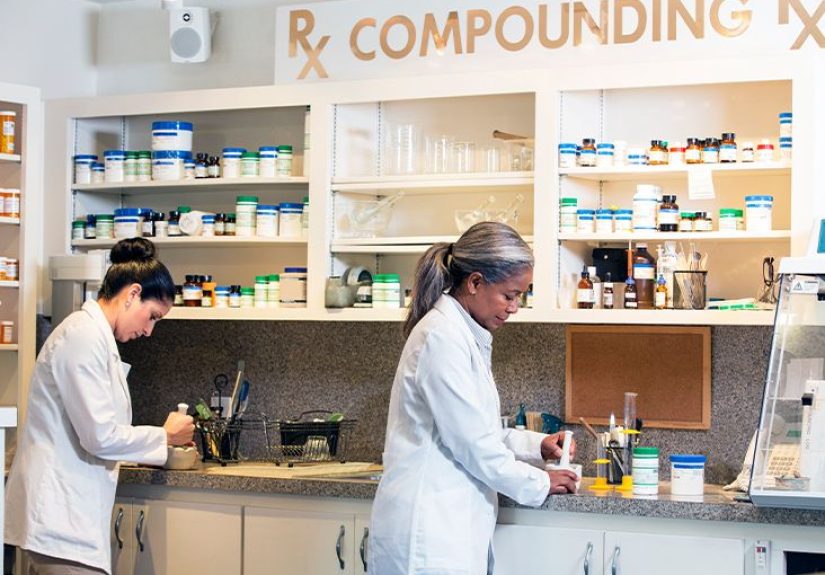
Compounded drugs are custom-prepared medications made by specialized pharmacies or outsourcing facilities. In some situations, compounding serves a legitimate medical purpose, such as when a patient needs a different formulation or when an FDA-approved drug is not commercially available. But compounded semaglutide is not FDA-approved and is not the same thing as an FDA-approved generic. That last point deserves a neon sign.
2. Counterfeit Ozempic
Counterfeit products are fake products pretending to be authentic. The FDA has warned more than once about counterfeit Ozempic found in the U.S. drug supply chain. That means this is not just an “iffy website” problem. Fake product can move through channels that look legitimate enough to fool busy buyers and stressed patients.
3. Online products sold as “research use only”
This is where things get especially sketchy. Some semaglutide-related products have been sold with labels suggesting they are not meant for human use, while also providing dosing instructions that make the wink-and-nod obvious. The FDA has warned that these products may be of unknown quality and may be harmful.
4. Salt forms and altered versions
Another problem is the use of semaglutide sodium or semaglutide acetate, which are salt forms rather than the same active ingredient used in approved drugs. The FDA has said it does not have information showing these salts have the same chemical and pharmacologic properties as the approved ingredient. Translation: chemistry is not a place to freelance.
How We Got Here: Demand, Shortages, and a Very Busy Gray Market
The rise of off-brand semaglutide did not happen in a vacuum. Ozempic and Wegovy became massively popular because semaglutide showed impressive results in blood sugar control and weight management, while also gaining attention for cardiovascular benefits in certain patients. That clinical success collided with real-world problems: high prices, uneven insurance coverage, celebrity buzz, viral social media content, and a shortage that stretched on for years.
Semaglutide injection products were listed in shortage beginning in 2022. During that period, compounding pharmacies had more room to make versions of the drug under the rules that apply when a medication is not commercially available. That opened a door for both legitimate compounding activity and a flood of opportunists who saw consumer demand and sprinted toward it like it was Black Friday with syringes.
Patients who could not get brand-name Ozempic or Wegovy, or who could not afford them, often turned to less expensive options. Some did so with medical supervision. Others found products through online marketplaces, ads, and subscription-style services. That blend of urgency and confusion created the perfect environment for marketing language that made compounded products sound far more standardized and proven than they actually were.
What Changed After the Shortage Ended
In February 2025, the FDA said the shortage of semaglutide injection products was resolved. That announcement changed the rules of the game. The agency said manufacturers could meet present and projected national demand, even though localized supply hiccups might still happen as product moved through the distribution chain.
Once the shortage was declared resolved, mass production of copycat semaglutide became much harder to justify. The FDA gave compounders a limited wind-down period in spring 2025, and the issue quickly moved into the courts. By June 2025, a federal judge upheld the FDA’s removal of semaglutide from the shortage list, a decision that strengthened the agency’s position and narrowed the path for widespread copycat sales.
That legal backdrop helps explain the sharper tone of the FDA’s 2026 messaging. Regulators were no longer talking about a temporary workaround for a shortage. They were talking about non-FDA-approved products being mass-marketed in ways that could mislead consumers into thinking they were buying equivalents to approved medications.
The Biggest Risks With Off-Brand Versions
Dosing errors
One of the most concrete dangers involves dosing confusion. FDA-approved Ozempic and Wegovy injections come in standardized, prefilled pens. Many compounded versions come in vials, syringes, or different concentrations. That may sound like a small packaging issue, but it can become a big medical problem in a hurry.
The FDA has reported dosing errors associated with compounded semaglutide, including cases requiring hospitalization. Some patients mistakenly took five to 20 times the intended dose. Others were confused by instructions expressed in “units” rather than milligrams. When people are expected to do medication math at the kitchen counter while also being hungry, stressed, and staring at a syringe, the margin for error is not exactly comforting.
Unknown ingredients or altered formulations
Compounded products may use different inactive ingredients, vary in concentration, or contain salt forms that are not the same as the active ingredient in the approved drug. Some off-brand products are also promoted in unusual forms such as sublingual drops, dissolvable tablets, or sprays, even though those formats do not have the same body of evidence behind them. “Creative” is a nice word for appetizers. It is a less reassuring word for injectable or hormone-like medication.
Underreported adverse events
The FDA has received hundreds of adverse event reports linked to compounded semaglutide. As of July 31, 2025, the agency said it had received 605 reports associated with compounded semaglutide. Importantly, that number may understate the real picture because many state-licensed pharmacies are not required to report adverse events to the FDA the way outsourcing facilities are. So if the official number already looks uncomfortable, the unofficial one may be even less charming.
Shipping and storage problems
Injectable GLP-1 drugs require proper refrigeration. The FDA has received complaints about compounded GLP-1 products arriving warm or with inadequate ice packs. If a medication that should be cold shows up feeling like it just got back from a beach vacation, that is not a sign of quality control. It is a sign to pause and call the provider or pharmacy.
Counterfeit products
Counterfeit Ozempic is a separate and serious threat. Fake products may contain too much, too little, or none of the expected ingredient, and they may include harmful contaminants. In prior counterfeit investigations, the FDA also flagged fake components such as labels, patient information, cartons, and even needles. That turns a simple prescription fill into a trust problem for the entire supply chain.
Why This Is Also a Marketing Story
Part of the FDA’s concern is not just what is in these products, but how they are sold. The agency has explicitly objected to claims that non-FDA-approved compounded GLP-1 products are “generic” versions, the same as approved drugs, or clinically proven to produce the same outcomes. That language can flatten important differences and make consumers believe they are choosing between Coke and store-brand cola, when the real comparison is more like choosing between a sealed product and a mystery beverage somebody mixed in the parking lot.
This is especially relevant in telehealth and direct-to-consumer advertising. Fast online intake forms, sleek websites, and subscription models can make the process feel modern and frictionless. But friction is not always the villain. In medicine, a little friction can be the thing that stops you from taking the wrong dose of the wrong formulation from the wrong source.
What Patients Should Do Before They Fill a Prescription
None of this means every compounded medication is bad or every online healthcare company is reckless. It does mean patients should slow down long enough to verify what they are being offered.
First, ask whether the medication is FDA-approved or compounded. Do not settle for mushy wording like “similar to” or “based on the same science.” Second, confirm the prescription comes from a licensed healthcare professional and is being filled by a state-licensed pharmacy. Third, inspect labels carefully, especially if the product claims to come from a pharmacy you do not recognize. Spelling mistakes, odd addresses, vague instructions, or packaging differences are all reasons to stop and ask questions.
Patients should also ask about concentration, dosing units, storage, titration schedule, and how to measure the medication if it comes in a vial. If the instructions sound like a middle-school word problem, that is a sign you need clearer guidance before taking the first dose.
Real-World Experiences Around Off-Brand Semaglutide
The most revealing part of this story is not the legal language. It is the messy, real-life experience surrounding these products. Patients have been living through a strange mix of medical hope and marketplace chaos. Many started by hearing that Ozempic or Wegovy could be life-changing, then discovered the practical obstacles: insurance denials, cash prices that made their wallets wheeze, local pharmacy shortages, or waitlists that turned a prescription into a scavenger hunt.
That frustration created a powerful emotional opening for off-brand offers. Suddenly, online ads promised lower prices, quick access, and a smooth telehealth experience. For many people, the pitch was irresistible because it arrived right at the intersection of urgency and vulnerability. They were not chasing a trendy shortcut so much as trying to solve a real access problem. Reports from pharmacies, clinicians, and health journalists show that consumers often believed they were getting something close enough to the approved product that the difference barely mattered. Unfortunately, the difference sometimes mattered a lot.
One common experience involved confusion over dosing. Instead of a prefilled pen with a fixed system, some patients received vials and syringes with instructions in units. The FDA has described cases in which patients accidentally drew up far too much medication, in some instances five to 20 times the intended dose. Imagine being told to start a carefully titrated medication, only to discover the biggest challenge is not the nausea, but deciphering how many tiny lines on a syringe equal the number your prescriber meant.
Pharmacists have also faced their own version of the headache. During shortage periods, they had to explain to disappointed patients why a medication was unavailable, help hunt for supply, field questions about copycat products, and sort through confusion created by flashy online marketing. Legitimate compounders, meanwhile, were squeezed into the same conversation as bad actors, even though the quality and oversight of products can vary widely. In a crowded market, trust became both the most important ingredient and the hardest one to verify.
Prescribers have reported another recurring experience: cleaning up confusion after the fact. Patients would arrive with products of uncertain origin, vague instructions, odd labeling, or side effects that required a closer look. Some had received medication warm in shipment. Some had been sold “microdoses” or nonstandard formulations. Others simply assumed “compounded” meant “generic,” which is not the same thing at all. That misunderstanding has become one of the central themes of the FDA’s warnings.
Even now, after the shortage situation improved, patients are still navigating a difficult transition. Some are trying to move from compounded products to FDA-approved versions. Some are reevaluating telehealth providers. Some are learning that a lower upfront price can hide a higher clinical risk. The overall experience is not one big cautionary tale about vanity or hype. It is a story about what happens when genuine medical demand outruns supply, affordability, and public understanding all at once.
Conclusion
The FDA’s warning about off-brand Ozempic and Wegovy is really a warning about confusion. Confusion over what is FDA-approved, what is compounded, what is counterfeit, what is legal, what is equivalent, and what is safe. In the semaglutide rush, those distinctions got blurry fast. Regulators are now trying to sharpen them again.
For consumers, the takeaway is simple: do not assume every semaglutide product sold online or advertised as a cheaper alternative is a safe stand-in for Ozempic or Wegovy. Some products may be lawfully compounded in narrow circumstances, but many are being marketed in ways that overpromise, oversimplify, or obscure meaningful risks. When it comes to GLP-1 medications, “close enough” is not a medical standard. It is a gamble.
The smartest move is not the fastest checkout. It is getting a valid prescription, using a licensed pharmacy, asking specific questions, and treating suspiciously easy semaglutide offers the way you would treat a suspiciously cheap parachute: with healthy skepticism and a firm desire to keep falling to a minimum.