Table of Contents >> Show >> Hide
- Dentist vs. orthodontist in one simple answer
- What does a dentist do?
- What does an orthodontist do?
- How are dentists and orthodontists trained differently?
- Orthodontist vs. dentist: the biggest differences
- Can a dentist provide orthodontic treatment?
- When should you see a dentist?
- When should you see an orthodontist?
- Why dentists and orthodontists often work together
- Common myths about dentists and orthodontists
- How to choose the right provider
- Final thoughts
- Real-World Experiences: What Patients Often Notice in the Dentist vs. Orthodontist Journey
- SEO Tags
Choosing between a dentist and an orthodontist can feel a little like choosing between a mechanic and a race-car engineer. Both know the machine. Both want it to run beautifully. But one handles the broad care and maintenance, while the other specializes in alignment, performance, and precision. Your mouth works the same way.
People often use the words dentist and orthodontist like they are interchangeable. They are not. An orthodontist is a dentist, but not every dentist is an orthodontist. That one sentence clears up most of the confusion, but not all of it. Patients still want to know who treats cavities, who handles braces, who fixes bite problems, and who should be the first call when teeth start acting like they were assembled by committee.
This guide breaks down what each professional does, how their training differs, when you should see one instead of the other, and why many patients actually need both. Think of it as the no-floss, no-fuss explanation of one of dentistry’s most common questions.
Dentist vs. orthodontist in one simple answer
A general dentist is your primary oral health provider. They focus on preventing, diagnosing, and treating common issues involving your teeth, gums, and mouth. A orthodontist is a dental specialist who focuses on straightening teeth, correcting bite problems, and guiding jaw alignment with tools like braces, clear aligners, and retainers.
In plain English, your dentist helps keep your mouth healthy. Your orthodontist helps make sure your teeth and jaws line up the way they should. One is broad. One is highly focused. Both are important. Neither should be ghosted.
What does a dentist do?
Prevent problems before they get expensive
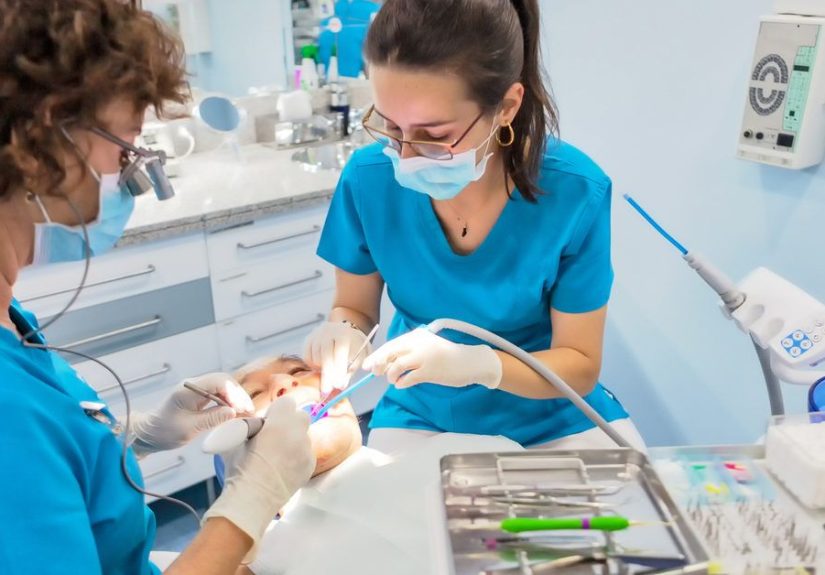
Dentists are the front line of oral health. Routine checkups, cleanings, fluoride treatments, sealants, X-rays, and gum evaluations all fall under their daily work. Their job is to catch problems early, ideally before you wake up one Tuesday morning and discover your molar has opinions.
Preventive care is a huge part of general dentistry because small issues are easier, cheaper, and less dramatic to fix than large ones. A dentist checks for cavities, gum inflammation, plaque buildup, enamel wear, oral infections, and other warning signs that can snowball when ignored.
Repair damage and restore function
Dentists also treat problems that have already shown up. That can include fillings, crowns, bridges, root canal therapy in some practices, extractions, dentures, and other restorative treatments. If you crack a tooth, develop a cavity, or have a filling that suddenly decides to retire without notice, your dentist is usually the person you call first.
Many general dentists also provide cosmetic services like whitening, bonding, and veneers. So yes, they care about appearance too. They just do it from a broader oral-health perspective rather than an alignment-only one.
Coordinate your overall oral care
A good dentist is also a referral hub. They recognize when a case needs a specialist and help guide the patient in the right direction. If they spot crowding, overbite, underbite, crossbite, jaw-growth issues, or spacing problems during a routine exam, they may refer the patient to an orthodontist for a closer look.
That referral role matters because many bite and alignment issues are first discovered during standard dental visits. In other words, your dentist is often the one who notices the plot twist before the orthodontist enters the story.
What does an orthodontist do?
Specialize in bite and alignment
An orthodontist focuses on the diagnosis, prevention, interception, and correction of misaligned teeth and jaws. Their world is built around bite function, spacing, crowding, jaw relationships, and tooth movement over time. They are not just “the braces person,” even though braces are what most people picture first.
Orthodontists treat conditions such as overbite, underbite, open bite, crossbite, overjet, crowding, spacing, and other forms of malocclusion. These issues may affect chewing, speech, oral hygiene, wear on the teeth, facial balance, or self-confidence. Sometimes the problem is obvious in a photo. Sometimes only a trained specialist can spot it during an exam.
Use appliances to move teeth and guide growth
Orthodontic treatment often includes metal braces, ceramic braces, lingual braces, clear aligners, elastics, palatal expanders, and retainers. The goal is not simply to make teeth look straight for the holiday card. The goal is to create a healthier bite and improve how the upper and lower teeth fit together.
For children, orthodontists may also guide jaw development while the face is still growing. That can make certain problems easier to manage early. For teens and adults, orthodontic treatment usually focuses on moving teeth into better positions and stabilizing the results with retainers.
Handle simple and complex alignment cases
Some orthodontic issues are mild. Others are surprisingly complex. A patient may need only clear aligners for mild crowding. Another may need braces, extractions, or coordination with an oral surgeon because the problem involves jaw structure and not just tooth position.
That is where orthodontics becomes more than cosmetic. Straight teeth can look great, sure, but alignment also affects function. A healthy bite can make it easier to chew, speak, and clean teeth properly. That means orthodontics can support long-term oral health, not just smile aesthetics.
How are dentists and orthodontists trained differently?
Here is the key distinction: both professionals attend dental school, but orthodontists complete additional specialty training after dental school. That advanced training is typically a two- to three-year accredited orthodontic residency focused specifically on tooth movement, facial growth, bite correction, biomechanics, treatment planning, and dentofacial orthopedics.
So when someone asks, “Is an orthodontist basically just a dentist who does braces?” the accurate answer is: not exactly. An orthodontist starts as a dentist, then goes deeper into one specialty with formal postgraduate training. It is dentistry with a narrower lens and a much more specialized toolkit.
That is why an orthodontist’s day looks different from a general dentist’s day. A general dentist may move from cleanings to fillings to crown prep to gum evaluations. An orthodontist spends the day evaluating bite relationships, managing tooth movement, adjusting appliances, monitoring treatment progress, and planning stable long-term alignment.
Orthodontist vs. dentist: the biggest differences
| Category | Dentist | Orthodontist |
|---|---|---|
| Main focus | Overall oral health, prevention, diagnosis, and routine treatment | Tooth alignment, bite correction, and jaw guidance |
| Training | Dental school plus licensure | Dental school plus 2–3 years of specialty orthodontic residency |
| Common treatments | Cleanings, fillings, crowns, exams, preventive care, restorations | Braces, clear aligners, retainers, expanders, bite correction |
| When patients see them | Routine care, pain, cavities, gum issues, preventive visits | Crooked teeth, crowding, spacing, overbite, underbite, jaw-alignment concerns |
| Role in referrals | Often identifies problems and refers to specialists | May work with the dentist during and after treatment |
Can a dentist provide orthodontic treatment?
Yes, some general dentists offer orthodontic treatment, including braces or clear aligners. That is one reason the topic gets confusing so quickly. A dentist may legally provide certain orthodontic services depending on their training, comfort level, and the complexity of the case.
But the important detail is this: scope and complexity matter. Mild cases may be managed by a general dentist with orthodontic experience. More complicated problems, especially those involving significant bite issues, jaw growth, impacted teeth, or surgical planning, are usually better handled by an orthodontist.
A helpful way to think about it is this: all roads may start at the dentist’s office, but not all roads should end there. If the case is more advanced, a specialist is often the smartest stop.
When should you see a dentist?
You should see a dentist for regular checkups, cleanings, cavities, gum bleeding, tooth pain, broken teeth, oral hygiene concerns, sensitivity, bad breath, or any general dental issue. Dentists are also who most people see for ongoing oral-health maintenance, even if they are currently in orthodontic treatment.
That last point surprises people. Braces do not replace your dentist. Clear aligners do not replace your dentist. If anything, orthodontic treatment makes regular dental care even more important, because brackets, wires, and aligners can make hygiene trickier and plaque more annoying than usual.
When should you see an orthodontist?
You should see an orthodontist when the main concern involves crooked teeth, crowding, gaps, an uneven bite, jaw alignment, or teeth that do not meet properly. If chewing feels awkward, teeth are difficult to clean because of overlap, or a smile looks shifted or compressed, an orthodontic evaluation may help.
Children should also have an orthodontic checkup by age 7, even if they do not obviously need braces yet. That does not mean treatment starts at age 7 for everyone. It simply means a specialist can evaluate growth, eruption patterns, and early bite issues while there is still time to intercept certain problems before they become bigger and more stubborn.
Adults can absolutely see orthodontists too. Orthodontic treatment is no longer a teen-only club. Many adults choose braces or aligners to correct crowding, relapse from old treatment, or bite issues that were never treated in the first place.
Why dentists and orthodontists often work together
This is not a rivalry. It is a relay race. The best outcomes often happen when the dentist and orthodontist coordinate care.
For example, a dentist may find crowding or a developing overbite during a six-month exam and refer the patient to an orthodontist. During orthodontic treatment, the dentist continues monitoring cavities, gum health, and cleanings. If a patient needs restorations, extractions, or long-term maintenance, the general dentist stays involved. The orthodontist focuses on the alignment plan while the dentist protects the overall health of the mouth.
That teamwork matters because straight teeth are not especially helpful if the gums are unhealthy, and perfectly clean teeth still may not function well if the bite is significantly off. Oral health works best when both structure and maintenance are handled well.
Common myths about dentists and orthodontists
Myth 1: Orthodontists are only for kids
Nope. Plenty of adults seek orthodontic treatment. Teeth can move at any age, as long as the gums and supporting bone are healthy enough for treatment.
Myth 2: Braces are only cosmetic
Also no. Orthodontic treatment can improve bite function, speech, cleaning access, and long-term wear patterns in addition to appearance. A prettier smile may be the headline, but function is often the deeper story.
Myth 3: If my dentist offers aligners, I never need an orthodontist
Sometimes true, sometimes not. Mild alignment concerns may be managed in a general dental office. Complex bite or jaw issues usually deserve a specialist evaluation.
Myth 4: Braces cause TMJ problems
That myth refuses to retire, but research has not supported the idea that orthodontic braces or a bad bite automatically cause temporomandibular disorders. Jaw pain is more complicated than that, which is why self-diagnosing from social media is not a great health strategy.
How to choose the right provider
Start by asking what the main problem is. If the issue is routine care, pain, decay, gum health, or general maintenance, start with a dentist. If the issue is crooked teeth, bite problems, spacing, crowding, or jaw alignment, an orthodontist is often the right move. If you are not sure, start with your dentist and let them help triage the situation.
You can also ask practical questions during a consultation:
- What is the main diagnosis?
- Is this a simple alignment issue or a more complex bite issue?
- Would a specialist add value in this case?
- How will routine dental care continue during treatment?
- What are the goals: cosmetic improvement, functional improvement, or both?
The right provider is not always the one with the flashiest before-and-after photos. It is the one whose training matches the problem you actually have.
Final thoughts
So, orthodontist vs. dentist: what is the real difference? A dentist is your general oral-health doctor, handling prevention, diagnosis, routine treatment, and long-term maintenance. An orthodontist is a dentist with advanced specialty training in straightening teeth, correcting bite problems, and guiding jaw alignment.
Both matter. Both may be part of the same treatment journey. And both have a role in helping patients keep their mouths healthy, functional, and yes, camera-ready when necessary.
If your teeth hurt, call your dentist. If your bite feels off, your teeth are crowded, or your child’s smile is developing in a way that looks unusual, add an orthodontist to the conversation. Your mouth will appreciate the teamwork, even if your wallet asks for a brief moment alone.
Real-World Experiences: What Patients Often Notice in the Dentist vs. Orthodontist Journey
One of the most common patient experiences starts at a routine dental checkup. Someone goes in expecting the usual cleaning, a polite lecture about flossing, and maybe a free toothbrush they will forget in a drawer. Then the dentist notices crowding, an overbite, or a permanent tooth coming in at a strange angle. Suddenly the visit turns into the beginning of an orthodontic conversation. This happens often because dentists see patients regularly and catch small changes early. Many people first learn they may need braces or aligners not because something hurts, but because their dentist spots a developing alignment issue before it becomes more obvious.
Parents often describe a similar experience with their children. A child may seem to have a perfectly normal smile, but the dentist notices that baby teeth are falling out too early, adult teeth are erupting in unusual positions, or the jaws are not developing evenly. An orthodontic evaluation at that stage can feel surprisingly reassuring. Sometimes the orthodontist says treatment is not needed yet, which gives parents peace of mind. Other times the specialist recommends monitoring growth, using an expander, or planning future treatment. The experience is less “your child needs braces immediately” and more “here is the roadmap, and now you know what to watch.”
Adults often have a different emotional experience. Many put off orthodontic care for years because they assume braces are only for teenagers or because they think their concern is cosmetic and therefore not urgent. Then they realize their crowding is making flossing harder, their bite feels uneven, or teeth have shifted since they wore braces decades ago. What surprises many adults is how collaborative the process becomes. The orthodontist may focus on alignment, while the dentist continues managing cleanings, restorations, and gum health. Patients quickly learn that getting straighter teeth does not pause regular dental care. It actually makes that care more important.
Another common experience involves expectations. Some patients think a dentist and an orthodontist do nearly identical work and are shocked to learn how different the appointments feel. A dental visit may include X-rays, a cavity check, a gum exam, and preventive care. An orthodontic visit is more about measurements, bite relationships, tooth movement, attachments, elastics, progress checks, and long-term stability. Neither appointment is “better.” They are simply built for different purposes. Once patients understand that, the whole system makes more sense.
Patients who have been through both types of care often say the biggest lesson is this: oral health is not one lane. Clean teeth, healthy gums, and a functional bite all matter. A dentist protects the health of the mouth day to day. An orthodontist fine-tunes how the teeth and jaws work together over time. When those roles overlap well, patients usually feel more informed, more confident, and much less likely to confuse a cleaning with a braces consult ever again.