Table of Contents >> Show >> Hide
- The quick overview: what the Opinel No.115 actually is
- Beechwood handle: why it matters (beyond looking nice)
- The blade: small, sharp, and confidently not wiggly
- What it’s best at: real kitchen tasks where it shines
- How to use the Opinel No.115 like you’ve done this before
- Care and maintenance: keep the beechwood happy
- How it compares to popular peeler styles in the U.S.
- Who should buy the Opinel No.115 beechwood handle version?
- Smart buying tips (so you get the right No.115)
- Conclusion: small tool, big quality-of-life upgrade
- Real-World Kitchen Experiences (Extra )
Some kitchen tools get all the glorychef’s knives, cast-iron skillets, stand mixers that look like they could bench-press a turkey.
Meanwhile, the humble peeler sits in a drawer like an underrated side character… until you need to peel a mountain of potatoes and suddenly
it’s the main hero of your weeknight dinner.
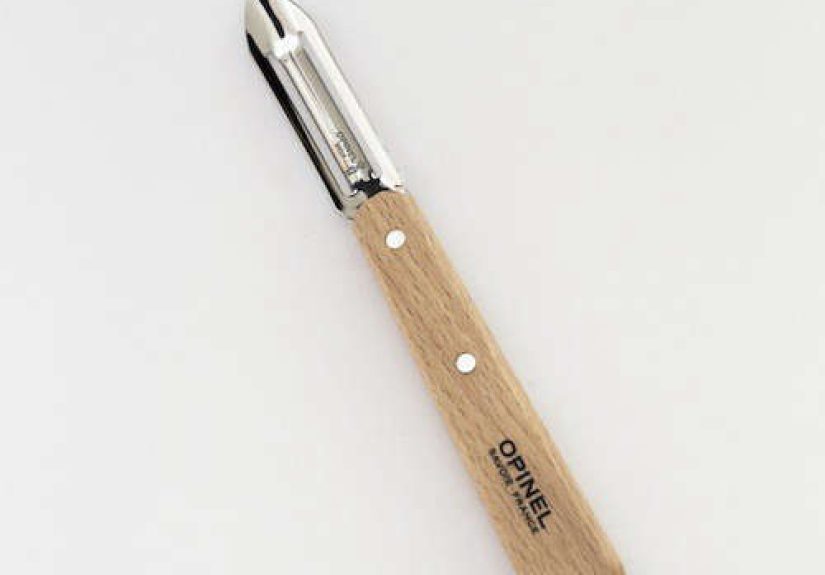
Enter the Opinel No.115 Peeler with a beechwood handle: a compact, French-made, “why is this so satisfying?” tool that’s built
to make peeling feel less like a chore and more like a tiny, productive flex. If you’ve ever peeled an apple and accidentally removed half the apple
with it, this one’s for you.
The quick overview: what the Opinel No.115 actually is
The Opinel No.115 is a fixed-blade vegetable peeler (meaning the blade doesn’t swivel). It’s designed to be fast, steady, and
comfortable in the hand, with a short stainless steel blade and a beechwood handle that looks rustic in a good way
like you might also own a sourdough starter with a name.
- Style: stationary / non-swivel peeler (more control, less wobble)
- Blade size: about 2.5 inches (6 cm)
- Handle: varnished beechwood for grip and durability
- Bonus detail: a pointed tip for “potato eye” removal and quick touch-ups on produce
- Handedness: designed to work for both right- and left-handed users
Note: You’ll also see No.115 versions with colored wood handles (often hornbeam) and, in some listings, a micro-serrated edge for delicate skins.
The beechwood-handle version is commonly the natural wood lookclassic, simple, and very “I shop farmers markets” without being annoying about it.
Beechwood handle: why it matters (beyond looking nice)
Beechwood is one of those materials that quietly does its job well. Opinel’s beech handles are typically varnished, which helps protect the wood
from moisture and kitchen grimebecause yes, peelers get messy, and no, your sink is not a spa.
Comfort and fatigue: the underrated peeler problem
Most people don’t think about ergonomics until their hand cramps mid-potato. The No.115’s handle shape is meant to feel stable and comfortable,
especially during repetitive peeling (holiday prep, meal prep, or “I bought a 10-pound bag of carrots for reasons I can’t explain”).
The beechwood handle gives a warm, slightly textured feel that many plastic handles don’t. It’s not “sticky,” but it also doesn’t feel like it’s trying to launch
itself into the garbage disposal the moment your hand gets damp.
The blade: small, sharp, and confidently not wiggly
The No.115 uses a short stainless blade that’s designed for kitchen prep: peel fruits, peel vegetables, and keep moving. Because the blade is fixed
(not swiveling), you get a more predictable cutting angle. That can mean cleaner, thinner peels once you get your rhythm.
Fixed blade vs swivel blade: what’s the difference in real life?
A swivel peeler adapts to curves easilygreat for quick, mindless peeling. A fixed blade peeler, like the No.115, gives you more direct control
and a steadier feel, especially on firmer produce. Think of it like the difference between driving a car with loose steering (swivel) and one that feels planted
on the road (fixed).
If you’ve ever had a swivel peeler “chatter” on a carrot or skip on a potato, that’s one reason people love stationary peelers: fewer surprises, more consistency.
Micro-serrated or smooth? The No.115 family has variations
Depending on the seller and handle style, you may see No.115 peelers described as micro-serrated. Micro-serrations can help “bite” into delicate skins
(tomatoes, peaches) without sliding around. Smooth edges can feel cleaner on firm produce. Either way, the No.115 is built for speed and controljust match the version
to what you peel most often.
What it’s best at: real kitchen tasks where it shines
1) Potatoes and sweet potatoes
This is the classic peeler test. The No.115’s fixed blade can feel especially steady on thicker skins, and the pointed tip is handy for removing eyes and blemishes
without switching tools.
2) Carrots, cucumbers, and zucchini
Long produce is where a stationary peeler can feel wonderfully efficient: long strokes, consistent peel thickness, minimal waste.
If you like making carrot ribbons for salads, you may find it easier to keep the ribbons uniform when the blade angle doesn’t constantly shift.
3) Apples and pears
For pies, crisps, or snack prep, the No.115 gives you the “controlled peel” vibe. You’re less likely to gouge deep (goodbye, half an apple),
especially once you learn how lightly it wants to be pressed.
4) “Kitchen detail work” you didn’t know a peeler could do
- Shaving chocolate curls (carefullythis is a peeler, not a magic wand)
- Making thin strips of hard cheese for salads
- Creating citrus strips for cocktails (a peeler can do it; just avoid the bitter white pith)
How to use the Opinel No.115 like you’ve done this before
The trick with a fixed blade peeler is to let the sharpness do the work. If you press hard, you’ll peel deeper than you need, waste more produce,
and your wrist will file a complaint.
Grip and angle
- Hold it like a pencil (but sturdier): controlled, not clenched.
- Keep the blade nearly parallel to the produce surface for thin peels.
- Use longer strokes on long veggies and shorter strokes on round items like apples.
Two-direction peeling (ambidextrous-friendly)
Many peelers work best in one direction, but stationary styles often feel good with push and pull motions once you find the angle.
If you’re left-handedor you just peel “backwards” because your brain says sothis design won’t judge you.
Using the tip for potato eyes and blemishes
That pointed end isn’t decoration. Use it to pop out potato eyes, trim bruised spots on apples, or remove little imperfections fast.
It’s the kind of feature you ignore for months and then one day you’re like, “Oh. That’s why this exists.”
Care and maintenance: keep the beechwood happy
Stainless steel is generally low-maintenance, but the wood handle deserves a little respect.
The safest routine is simple: hand wash, rinse, dry promptly.
Do: quick clean + quick dry
- Wash by hand with warm, soapy water.
- Dry the blade and handle right away.
- Store it dry (wood likes “not soggy” as a lifestyle).
Don’t: soak it like it’s a saucepan
Wood handles don’t love long soaks or repeated dishwasher rides. Some listings describe certain Opinel tools as dishwasher safe, but even then,
wood tends to last longer when you keep it out of prolonged heat and water exposure. If you want this peeler to age gracefully, treat it like a wooden spoon:
quick wash, quick dry, back to work.
When it feels less sharp
A peeler blade can dull over time, especially if it’s scraping against tough skins daily. If you notice tearing instead of clean peeling, it might be time to
refresh or replacedepending on the exact version and how it’s built. The good news: the No.115 is priced like a sensible tool, not a collector’s artifact.
How it compares to popular peeler styles in the U.S.
In American kitchens, you’ll commonly see:
Y-peelers (fast, efficient, often the pro favorite) and
swivel straight peelers (classic, widely available, easy to use).
The No.115 is a bit different: it’s a stationary, compact peeler that leans into control and consistency.
If you love Y-peelers
You might still appreciate the No.115 as a “second peeler” for tight control and detail workespecially on smaller produce. Many cooks keep both styles:
the Y-peeler for big jobs, and a stationary peeler for when you want precision.
If you currently use a cheap swivel peeler
The No.115 can feel like a real upgrademore stable, better built, and nicer in the hand. Plus, the beechwood handle gives it a classic look that doesn’t scream
“I was purchased in a panic at a supermarket checkout.”
Who should buy the Opinel No.115 beechwood handle version?
- Minimalists who want a simple tool that works well and lasts.
- Home cooks who peel often (meal prep, soups, holiday sides, smoothies).
- People who hate wobbly peelers and want more predictable control.
- Gift givers looking for something useful, affordable, and “nice enough to wrap.”
Smart buying tips (so you get the right No.115)
Check the handle material
If you specifically want beechwood, look for “natural” wood descriptions and confirm the material in the listing. Some colored No.115 versions use
other woods (commonly hornbeam) with varnished finishes.
Look for the blade description
If you peel delicate items (tomatoes, peaches), consider a micro-serrated listing. If you mostly peel potatoes, carrots, apples, and cucumber,
a smooth edge can be perfectly satisfying.
Price reality check
The No.115 is typically priced in that “impulse upgrade” zone: not expensive, but clearly nicer than the bargain-bin peeler that bruises tomatoes and your spirit.
Prices can vary by retailer and handle style, so compare a couple of trusted shops.
Conclusion: small tool, big quality-of-life upgrade
The Opinel No.115 Peeler with a beechwood handle is the kind of kitchen tool that quietly makes your prep work smoother.
It’s controlled, comfortable, and built with classic materials that feel good to use. And because it’s compact and straightforward, it ends up being the tool you reach
for without thinkinguntil you realize you’re peeling faster, wasting less, and somehow feeling slightly more put-together as a human.
If your current peeler is “fine,” the No.115 will make you question what you’ve been tolerating. If your current peeler is “a crime,” the No.115 is basically a kitchen rescue mission.
Real-World Kitchen Experiences (Extra )
Let’s talk about the kind of everyday experiences people tend to have with a tool like the Opinel No.115because peelers aren’t just about specs; they’re about whether you
dread peeling or you just… do it and move on with your life.
The first thing many home cooks notice is how steady a fixed blade feels. With a swivel peeler, the blade angle changes slightly as you move, which is great for curves,
but it can also feel a little “wiggly” on firm produce. With the No.115, the blade stays put, so your hand learns the angle quickly. After a few minutes, you start peeling on autopilot
the good kind of autopilot where you’re efficient, not the kind where you forget you already added salt and now your soup tastes like the ocean.
A common weeknight scenario: you decide to make roasted potatoes. You grab a potato, start peeling, and realize you’re not fighting the tool. The peels come off in consistent ribbons, and the
blade doesn’t chatter across the skin. You use the pointed tip to pop out a stubborn eye, and you don’t have to switch to a paring knife for a tiny fix. That sounds smalluntil you do it ten times
in a row and realize you just saved yourself a bunch of annoying little “micro-frustrations.”
Another experience: prepping carrots for soup or slaw. With long vegetables, the No.115 can feel almost rhythmic. You get into a patternpeel, rotate, peel, rotateand the handle stays comfortable,
especially if you’re doing a bigger batch. People who cook a lot often mention that comfort matters more than you expect. A handle that doesn’t dig into your fingers makes peeling feel like a normal step,
not a task you want to outsource to a mythical kitchen assistant named Dave.
For fruit preplike apples for piemany cooks end up appreciating how the tool helps avoid waste. Because the blade is stable and the angle is predictable, it’s easier to peel thinly without gouging.
You still need a light touch (this peeler isn’t a bulldozer), but once you find it, you’ll see more peel and less apple flesh in the trash.
And then there’s the “I didn’t expect to care about aesthetics” moment. A beechwood handle looks and feels different from plastic. It can make the tool feel like a real object you own on purpose,
not something that teleported into your drawer from a random holiday cooking emergency. Over time, people often develop a weird fondness for itthe kind you usually reserve for a favorite mug or a well-worn
cutting board. The No.115 becomes the peeler you reach for first, and if someone else in the house puts it in the wrong drawer, you will notice. Immediately. Like a kitchen detective.
Bottom line: the experience tends to be less “wow, this changed my life” and more “wow, this removed a daily annoyance.” And honestly? That’s the best kind of upgrade.