Table of Contents >> Show >> Hide
- What Is a No-Bake Cheesecake?
- Ingredients for the Best No-Bake Cheesecake
- Step-by-Step No-Bake Cheesecake Recipe
- Pro Tips for a Creamy, Stable No-Bake Cheesecake
- Flavor Variations to Try
- Common No-Bake Cheesecake Problems (and Fixes)
- Serving and Storage
- Real-World Experiences and Extra Tips for No-Bake Cheesecake Success
This no-bake cheesecake recipe is what happens when you want a show-stopping dessert but your oven and your energy level both say, “Absolutely not.”
It’s creamy, tangy, rich, and surprisingly easy. No water baths, no cracked tops, no praying to the cheesecake godsjust a simple cold-set filling in a buttery graham cracker crust.
In this guide, we’ll walk through an easy,
step-by-step no-bake cheesecake recipe, talk about the science behind a smooth, sliceable filling, share flavor variations, and finish with real-world tips and experiences to help you avoid the common “why won’t this set?” crisis.
What Is a No-Bake Cheesecake?
A classic baked cheesecake relies on eggs and gentle oven heat to set into that dense, custardy texture. A no-bake cheesecake skips the eggs and the oven entirely.
Instead, it uses a combination of full-fat cream cheese and whipped cream (and sometimes a little sour cream or yogurt) to create a light, mousse-like texture that firms up in the refrigerator.
Because there’s no baking, the texture is softer, silkier, and a bit lighter than a traditional New York–style cheesecake. Think cloud-like creaminess that still holds a clean slice when properly chilled.
It’s perfect for hot-weather entertaining, tiny kitchens, student apartments, or anyone who just doesn’t want to preheat anything today.
Ingredients for the Best No-Bake Cheesecake
For the Graham Cracker Crust
- 2 cups (about 200–220 g) graham cracker crumbs
- 1/2 cup (115 g) unsalted butter, melted
- 3–4 tablespoons light brown sugar
- Pinch of fine salt
A classic no-bake cheesecake almost always starts with a graham cracker crust. The combination of buttery crumbs, a hint of caramel flavor from brown sugar, and a pinch of salt gives you that iconic sweet-salty base that balances the rich filling.
Brown sugar also adds moisture that helps the crust hold together firmly once it’s chilled.
For the Cheesecake Filling
- 24 oz (680 g) full-fat cream cheese, cold but slightly softened at the edges
- 1 cup (120 g) powdered sugar
- 1/3 cup (80 g) sour cream
- 2 teaspoons fresh lemon juice
- 2 teaspoons vanilla extract
- 1 1/2 cups (360 ml) cold heavy whipping cream
Full-fat brick-style cream cheese (not whipped or tub-style spread) is non-negotiable. It provides structure and that classic tang.
Powdered sugar dissolves seamlessly and helps stabilize the filling.
Sour cream adds tang and a bit of looseness so the cheesecake doesn’t feel overly stiff.
Whipped heavy cream is the “air injection system,” giving lift and a cloud-like texture while also helping the cheesecake hold its shape.
Optional Toppings
- Fresh berries (strawberries, blueberries, raspberries)
- Fruit compote or pie filling
- Chocolate ganache or shaved chocolate
- Lemon curd and whipped cream
- Crushed cookies, nuts, or caramel drizzle
The beauty of a plain vanilla no-bake cheesecake is that it’s basically a blank canvas.
Dress it up with whatever’s in season: juicy summer berries, cozy fall caramel and pecans, or a glossy chocolate topping for the chocoholics in your life.
Step-by-Step No-Bake Cheesecake Recipe
Step 1: Prepare the Pan
Use a 9-inch springform pan for easy unmolding. If you don’t have one, a deep 9-inch pie dish works, but you’ll need to slice more carefully.
Line the bottom with parchment paper if you want very clean slices that lift out without drama.
Step 2: Make the Graham Cracker Crust
- Stir together graham cracker crumbs, brown sugar, and a pinch of salt in a mixing bowl.
- Pour in the melted butter and mix until the crumbs are fully coated and feel like damp sand.
- Transfer the mixture to the pan and press it firmly into an even layer on the bottom and slightly up the sides.
- Use the bottom of a flat measuring cup or glass to really pack the crust downthis helps it set into a stable base instead of crumbling when sliced.
- Chill the crust in the freezer while you make the filling (at least 15 minutes).
Chilling the crust firms up the butter and essentially “locks” the crumbs together, giving you that crisp, clean layer under the creamy filling.
Step 3: Beat the Cream Cheese
-
Add the cold cream cheese to a large mixing bowl or stand mixer fitted with the paddle attachment.
Beat on medium speed until very smooth and no lumps remain, scraping the bowl as needed. - Add powdered sugar and continue beating until the mixture is thick, creamy, and fully combined.
- Beat in sour cream, lemon juice, and vanilla until silky-smooth.
Taking time to beat the cream cheese thoroughly at this stage is key. Any small lumps now will turn into grainy bits later.
The goal is a glossy, thick mixture that looks like an ultra-luxurious frosting.
Step 4: Whip the Cream
- In a separate chilled bowl, add the cold heavy cream.
- Whip on medium-high speed until stiff peaks form (the cream should stand up firmly when you lift the beaters).
- Be careful not to overbeat into butter territorystop when it’s thick, billowy, and holds its shape.
Whipped cream needs to be at stiff-peak stage to provide structure. If it’s too soft, your cheesecake may set loosely and slump after slicing.
Step 5: Fold the Filling Together
-
Add about one-third of the whipped cream to the cream cheese mixture and gently fold with a spatula.
This lightens the base so it’s easier to combine without knocking all the air out. - Fold in the remaining whipped cream in two additions, using gentle, sweeping motions from the bottom of the bowl up and over.
- Stop folding as soon as the mixture is uniform and fluffy. A few tiny streaks are better than overmixing.
Folding (not stirring vigorously) preserves the air bubbles you worked so hard to whip into the cream, giving your no-bake cheesecake that signature light, mousse-like texture.
Step 6: Fill, Chill, and Set
- Pour the filling over the chilled crust and smooth the top with an offset spatula or the back of a spoon.
- Tap the pan gently on the counter a few times to release any large air pockets.
- Cover the pan tightly with plastic wrap or foil to prevent the cheesecake from absorbing fridge odors.
- Refrigerate for at least 6 hours, but preferably overnight (8–12 hours) for the cleanest slices and best texture.
The waiting is the hardest part, but it’s also where the magic happens: the fat in the cream cheese and cream firms up in the cold, turning a fluffy mixture into a sliceable dessert that still feels silky on the tongue.
Step 7: Unmold and Serve
- Run a thin knife around the edge of the pan to loosen the cheesecake.
- Release the springform ring or gently cut slices straight from a pie dish.
- Top with fresh fruit, sauce, or your favorite decorations just before serving.
- For sharp, Instagram-ready slices, wipe your knife clean between each cut.
Pro Tips for a Creamy, Stable No-Bake Cheesecake
1. Use Full-Fat, Brick-Style Cream Cheese
Reduced-fat or whipped cream cheese has more water and less structure, which can make your cheesecake softer and more prone to weeping.
Stick to full-fat bricks for the best flavor and texture.
2. Chill ThoroughlyLonger Is Better
No-bake cheesecake isn’t a “make at 5 PM, serve at 7 PM” dessert.
Plan for at least 6 hours of fridge time, with overnight being ideal, especially if you want that firm but creamy texture that holds up on a dessert table.
3. Keep Things Cold
Cold cream cheese, cold heavy cream, and a chilled bowl for whipping cream all help your filling whip and set properly.
Too much warmth can make the mixture loose and slow to firm up.
4. Don’t Skimp on the Whipping
Cream cheese should be fully smoothed, and heavy cream should be at stiff peaks. If either element is under-whipped, your cheesecake will be softer.
If your cream looks curdled or grainy, you’ve gone a bit too faradd a splash more cream and beat briefly to smooth it out.
5. Food Safety Matters
Cream cheese and whipped cream are high-moisture dairy ingredients, so keep them refrigerated as much as possible.
Don’t leave a no-bake cheesecake out at room temperature for more than a couple of hours when serving.
If your kitchen is very warm, reduce that time. When in doubt, put it back in the fridge and slice as needed.
Flavor Variations to Try
Berry Swirl No-Bake Cheesecake
- Swirl 1/2–3/4 cup cooled berry sauce (strawberry, raspberry, or blueberry) into the top of the filling before chilling.
- Drag a skewer or butter knife through the sauce to create pretty patterns.
- Top with fresh berries for a vibrant, summery finish.
Chocolate No-Bake Cheesecake
- Replace 1/2 cup of the cream with 1/2 cup cooled melted dark chocolate.
- Add 2–3 tablespoons cocoa powder along with the powdered sugar.
- Top with chocolate shavings or a simple ganache drizzle.
Lemon No-Bake Cheesecake
- Increase the lemon juice to 3–4 tablespoons and add 1–2 teaspoons lemon zest.
- Top with lemon curd and whipped cream for sunshine-in-dessert-form.
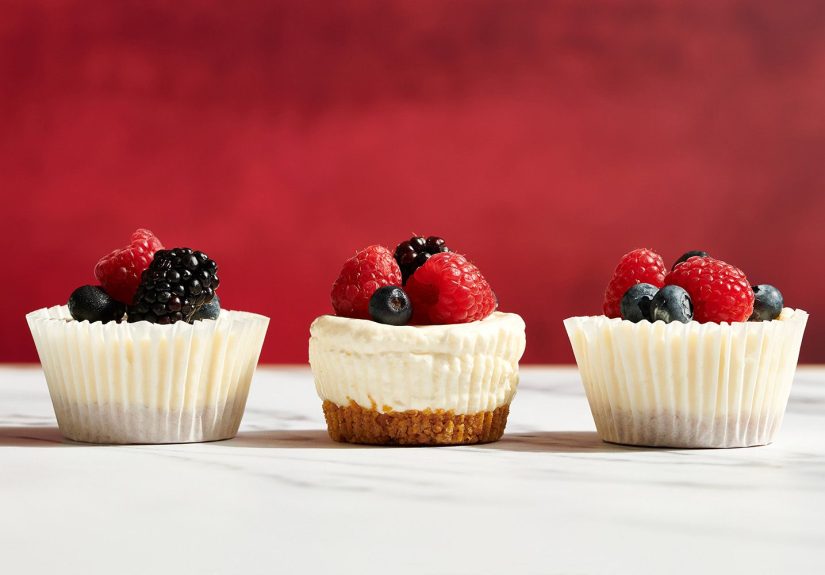
Mini No-Bake Cheesecake Cups
- Press a tablespoon or two of crust mixture into the bottom of small jars, ramekins, or cupcake liners.
- Pipe or spoon the filling on top.
- Chill for 4–6 hours and top each with its own garnish for cute, party-friendly portions.
Common No-Bake Cheesecake Problems (and Fixes)
“My Cheesecake Is Too Soft or Won’t Set”
Most often, it just needs more time. Give it a full overnight chill before panicking.
If it’s still very loose, check whether you used full-fat brick cream cheese and heavy cream, and whether the cream was whipped to stiff peaks.
Next time, you can add 1–2 teaspoons of powdered gelatin (bloomed and dissolved) for extra insurance if you live in a very warm climate.
“The Texture Is Grainy”
Graininess usually comes from small lumps of cream cheese that weren’t properly beaten smooth or from undissolved sugar.
Make sure the cream cheese is beaten thoroughly before adding other ingredients, and stick to powdered sugar, which dissolves more easily and contributes to a silky texture.
“The Crust Falls Apart”
If your crust is crumbly, you might not have used enough butter or packed it firmly enough.
Measure the butter carefully, and press down firmly with a flat-bottomed glass.
Also, don’t skip the chilling stepthis is when the butter re-solidifies and binds the crumbs together.
Serving and Storage
Serve no-bake cheesecake well-chilled, ideally straight from the refrigerator. It’s rich, so modest slices are usually enoughthough seconds are fully expected.
Pair it with coffee, tea, or a glass of dessert wine if you’re feeling fancy.
Store leftovers tightly covered in the refrigerator for up to 4–5 days.
You can also freeze slices: wrap each piece tightly in plastic wrap and place in an airtight container.
Thaw overnight in the fridge before serving. The texture may be slightly firmer after freezing, but still delicious.
Real-World Experiences and Extra Tips for No-Bake Cheesecake Success
After you’ve made no-bake cheesecake a few times, you start noticing small habits that make a big difference.
One of the most important lessons people learn the hard way is not to rush the chilling time.
If you’re planning to serve cheesecake for a special occasionsay, a birthday, holiday, or dinner partymake it the day before.
That way, the filling has a full night to set, and you’re not opening the fridge every ten minutes asking, “Is it ready yet?” like it’s a cheesecake live stream.
Another common experience: the “lumpy filling surprise.”
Many home cooks toss everything into the bowl at once, turn on the mixer, and then wonder why they see tiny bits in their slices.
The fix is simple but crucialcream the cream cheese first until perfectly smooth, then add powdered sugar, then the rest.
Think of cream cheese as that friend who needs a bit of one-on-one time before they’re ready to meet the whole group.
Pan choice also tells a story.
Springform pans are the classic choice, but some people swear by a deep tart pan with a removable bottom because it gives a pretty, fluted crust edge.
Others love making individual servings in small jars or cups because they travel well and look impressive for picnics or potlucks.
If you’re bringing dessert to a party where fridge space is limited, individual jars with lids are your new secret weapon.
Toppings are where personality really shines.
Some hosts keep it super simple with fresh berries and a dusting of powdered sugar; others go full maximalist with caramel drizzle, chopped nuts, chocolate curls, and maybe a cookie or two stuck dramatically into each slice.
A smart trick is to serve the cheesecake plain and set out a “topping bar” on the sidebowls of berries, sauces, nuts, and whipped creamso guests can customize their own slice.
It turns dessert into an activity, which is especially fun for kids and, let’s be honest, for adults too.
Texture preferences differ as well.
Some people like their no-bake cheesecake ultra-light and mousse-like, which means whipping lots of cream and folding gently.
Others prefer something a little denser and more reminiscent of baked cheesecake; they use a bit more cream cheese and slightly less whipped cream.
Over time, you’ll figure out your sweet spot.
Don’t be afraid to tweak the ratio by a few tablespoons at a time until it feels perfect for you.
There’s also the “oops, my kitchen is hot” scenario.
In warm climates or peak summer, everything softens faster, from the butter in your crust to the whipped cream in your filling.
If you’ve ever watched your cheesecake sides slowly slouch after an hour on the table, you know the pain.
The fix: keep the cheesecake in the fridge until the very last moment, serve it on a chilled platter, and return leftovers promptly.
If you’re expecting the dessert to sit out for a long buffet-style event, consider making mini cheesecakes in small cups that stay colder and are easier to portion.
Finally, no-bake cheesecake tends to become “that dessert” people start asking you to bring again and again.
Once friends and family know you can make a rich, impressive cheesecake without heating the oven, requests start rolling in:
“Can you do the lemon one again?” “How about a chocolate swirl next time?”
The good news is that once you’ve mastered this base recipe, you can adapt it endlesslydifferent crusts, new toppings, seasonal flavorswhile still relying on the same core method.
It’s the kind of recipe that quietly slides into your regular rotation and stays there for years.