Table of Contents >> Show >> Hide
- What Is a Net Shopping Bag, Exactly?
- Why the Net Shopping Bag Is Still Having a Moment
- Top Benefits of a Net Shopping Bag
- When a Net Shopping Bag Works Best
- When It Is Not the Best Choice
- How to Choose the Best Net Shopping Bag
- Food Safety and Cleaning Tips
- Net Shopping Bag Ideas Beyond Groceries
- Common Mistakes People Make
- Final Thoughts: Is a Net Shopping Bag Worth It?
- Everyday Experiences With a Net Shopping Bag
If the humble net shopping bag had a publicist, that person would be having a very good year. What used to feel like a slightly bohemian market accessory now sits at the intersection of convenience, sustainability, food storage, and everyday style. One minute it is carrying lemons, a baguette, and parsley like it just stepped out of a farmers market ad. The next minute it is hauling sunscreen, library books, and a suspiciously heavy jar of pasta sauce. In other words, the net shopping bag has range.
That versatility is exactly why the net shopping bag keeps popping up in conversations about reusable bags. Americans are thinking more carefully about single-use waste, better grocery habits, and products that can do more than one job. A good reusable net bag is light, foldable, breathable, and easy to stash in a purse, backpack, glove compartment, or the mysterious kitchen drawer where takeout menus go to retire.
This guide breaks down what a net shopping bag is, why people love it, where it works best, where it does not, how to clean it, and how to choose one that will not betray you in the parking lot. Because nobody wants their avocados making a dramatic escape.
What Is a Net Shopping Bag, Exactly?
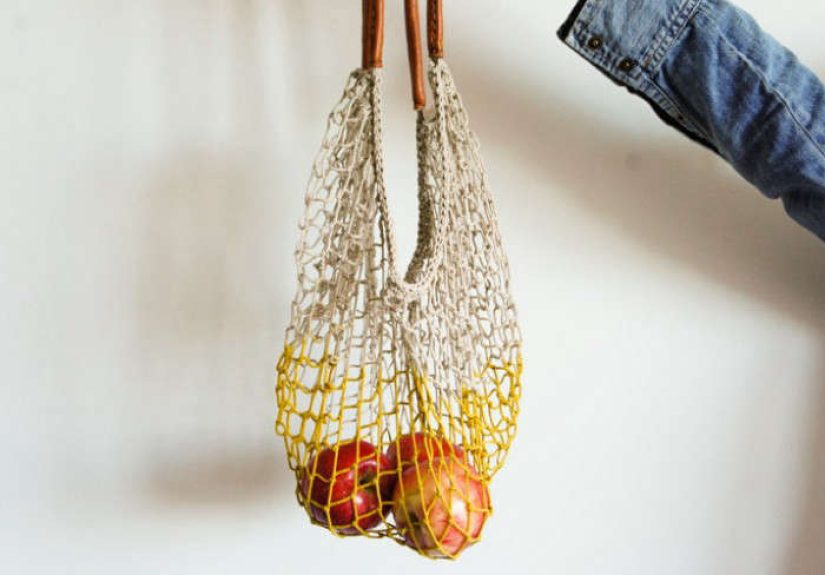
A net shopping bag is a reusable bag made with an open-weave or mesh-style construction. You may also hear it called a string bag, mesh market bag, or reusable produce bag, depending on the size and intended use. Some are made from cotton, some from recycled synthetics, and some are designed for produce while others are built to handle a full grocery run.
The classic appeal is simple: the bag stretches. That open net structure expands to hold much more than it appears capable of carrying. It is the kind of accessory that looks tiny when empty and somehow grows into a snack-hauling, bottle-carrying, onion-saving workhorse the moment you need it.
Common types of net bags
Cotton mesh bags are the most recognizable. They are soft, washable, breathable, and usually have a casual market-bag look. Fine mesh produce bags are smaller and often used for fruits and vegetables. Synthetic mesh or net bags may dry faster and resist moisture better, which can be handy for beach trips, gym gear, or wet produce. Some designs include reinforced bottoms, wider handles, or a tighter weave for extra structure.
Why the Net Shopping Bag Is Still Having a Moment
The biggest reason is practicality. A net bag solves several everyday problems at once. It is reusable, compact, breathable, and versatile enough for groceries, errands, and household storage. That matters more than ever as shoppers look for alternatives to disposable bags and try to reduce the pile of crumpled plastic multiplying under the sink like it pays rent.
There is also a clear environmental angle. Reusable bags are often promoted as a better waste-reduction habit than relying on single-use bags for every trip. That does not mean every reusable option is perfect forever, but it does mean buying one durable bag and actually using it repeatedly is a smarter move than treating every checkout line like a one-time bag buffet.
Then there is the aesthetic factor. A net shopping bag feels relaxed, functional, and a little more thoughtful than a random promotional tote from 2017. It looks at home at the grocery store, the farmers market, the beach, the park, or hanging on a hook in the kitchen filled with garlic and onions. It is practical without looking boring, which is a surprisingly rare talent.
Top Benefits of a Net Shopping Bag
1. It folds down small
A net bag takes up very little space. You can tuck one into a jacket pocket, side compartment, or handbag and forget it is there until checkout. That alone makes it easier to remember than bulky structured totes.
2. It is breathable
Breathability is one of the biggest advantages of a mesh shopping bag. Produce such as onions, garlic, and some citrus benefits from airflow, and breathable storage can help reduce trapped moisture compared with sealed plastic. That makes the bag useful not only at the store but also at home.
3. It stretches surprisingly well
The elasticity of the net structure allows the bag to expand around oddly shaped items. A baguette, leafy greens, a bouquet, and two avocados can coexist in a way that feels mildly miraculous. It is not magic, but it does sometimes feel like your bag is showing off.
4. It can support low-waste routines
A reusable net bag works well for people trying to cut down on single-use plastics, especially for produce and quick errands. If you buy loose apples, onions, lemons, or potatoes, a breathable reusable bag can be a simple upgrade.
5. It multitasks
A good reusable market bag is not just for shopping. It can store pantry produce, carry books, hold beach toys, organize scarves, or serve as an extra catch-all on travel days. If an object earns its space in your home by doing five jobs instead of one, that object is pulling its weight.
When a Net Shopping Bag Works Best
The best uses are the ones that match the bag’s strengths: breathable, lightweight, flexible carrying. It shines in a few specific scenarios.
Farmers market trips
This is the bag’s natural habitat. A net shopping bag is excellent for produce, bread, flowers, and smaller market finds. It keeps things visible, easy to carry, and less sweaty than plastic.
Produce shopping
Loose fruits and vegetables are a great match for mesh bags. If you are buying onions, garlic, lemons, limes, or potatoes, the airflow is useful both during the trip home and later in storage.
Light grocery runs
For a quick stop that involves a few essentials, the bag is ideal. It is especially useful when you walk to the store or like to keep an emergency bag in the car.
Home storage
Many people use net bags to store pantry produce that needs ventilation. Hanging a bag of onions or garlic in a cool, dry place is a practical use that also looks pleasantly organized, like your kitchen suddenly has its life together.
When It Is Not the Best Choice
Net shopping bags are useful, but they are not superheroes. They have limits, and knowing them will save you frustration.
Very heavy or sharp-edged items
Cans, jars, and boxed goods can usually be carried in a sturdy net bag, but very heavy loads may be uncomfortable, especially if the straps are thin. Sharp corners can also stress the weave over time. If you routinely carry large grocery hauls, a structured tote may be a better main bag, with the net bag as backup.
Small items that can poke through or get lost
Travel-size toiletries, coins, lip balm, garlic cloves without a container, and other tiny escape artists are better off in a pouch or lined tote.
Raw meat and leak-prone groceries
This is where food safety matters. Raw meat, poultry, or seafood should be kept separate from ready-to-eat foods. If packaging leaks, juices can contaminate other items. A net bag is not the right place for anything messy, drippy, or questionably sealed. Use separate containment for raw proteins and wash reusable bags regularly.
How to Choose the Best Net Shopping Bag
Material
Cotton net shopping bags are popular because they are soft, washable, and attractive. Recycled synthetic materials may offer faster drying and stronger water resistance. If your main use is produce and everyday errands, cotton is usually a pleasing choice. If you want a bag for beach gear or damp items, synthetic mesh may be more practical.
Handle length
Short handles are fine for hand carrying, but shoulder-length straps are more comfortable if you plan to walk. A bag that digs into your hand halfway across the parking lot quickly loses its charm.
Weave size
Large open netting creates that classic expandable look, but it is less useful for smaller items. A tighter mesh is often better for produce, pantry storage, and everyday carrying.
Reinforcement
Check the seams and handle attachment points. A strong bag usually has reinforced stitching or a sturdier upper band that keeps the bag from stretching in all the wrong emotional directions.
Washability
If you plan to use it for groceries, especially produce, choose one that is easy to wash. Regular cleaning matters more than many shoppers realize.
Food Safety and Cleaning Tips
A reusable bag is only helpful if it is also clean. Food safety experts consistently recommend separating raw meat and other leak-prone foods from produce and ready-to-eat items. That means your net shopping bag should mainly carry fruits, vegetables, bread, packaged dry goods, and other low-risk groceries unless you have a clear way to contain raw items safely.
Wash reusable bags regularly, especially if they carry groceries often or become visibly soiled. Cloth bags are commonly machine washable. Plastic-lined or nonporous styles are often cleaned with hot, soapy water. Let the bag dry thoroughly before using it again. A damp bag stuffed in a dark trunk is basically a bad decision in fabric form.
It also helps to create a simple system: one bag for produce, one for pantry items, and a separate washable or wipe-clean bag for anything cold, damp, or more likely to leak. That small habit makes reusable shopping a lot more hygienic and much less chaotic.
Net Shopping Bag Ideas Beyond Groceries
Beach bag
Sand falls through mesh. That alone earns the bag a gold star. Sunscreen, a towel, water, and snacks fit nicely, and the bag dries faster than many thick totes.
Laundry helper
Use it for socks, delicates, or quick loads headed to a laundry room. The airflow can be helpful for damp items in the short term.
Pantry organizer
Hang garlic, onions, or shallots where they can breathe. Mesh storage can support better airflow than sealed plastic bags.
Travel extra
Pack one in your suitcase for snacks, souvenirs, or overflow. It weighs almost nothing and earns its keep fast.
Library and errand bag
Books, a water bottle, and a cardigan all fit. If that sounds oddly specific, it is because the net shopping bag tends to become the bag you grab when life becomes unplanned.
Common Mistakes People Make
Using one bag for everything without washing it
Reusability does not cancel the laws of cleanliness. Grocery bags need care.
Overloading a delicate bag
Some net bags are decorative or light-duty. Make sure the construction matches your habits.
Ignoring comfort
A bag can be adorable and still be wildly annoying to carry. Wide straps and decent handle length matter.
Forgetting the storage side of the equation
One reason people love net bags is that they can move from store to pantry. If that is your plan, choose a breathable style that works for both jobs.
Final Thoughts: Is a Net Shopping Bag Worth It?
Yes, for most people, a net shopping bag is a smart and useful addition to the reusable-bag lineup. It is not the only bag you will ever need, but it might become the one you reach for the most. It handles produce beautifully, folds down small, works for errands beyond groceries, and fits neatly into a lower-waste routine without making everyday life harder.
The best net bag is the one you will actually carry, actually use, and actually wash. That is the whole game. If it lives in your car, helps you skip a stack of disposable bags, keeps onions ventilated, and makes your market run a little easier, it is doing excellent work. Quietly. Stretchily. With surprisingly good taste.
Everyday Experiences With a Net Shopping Bag
There is something oddly satisfying about using a net shopping bag in real life because it keeps proving that “simple” and “smart” can be the same thing. The first experience many people have is surprise. The bag looks small at home, almost decorative, and then suddenly it is carrying six apples, a loaf of bread, leafy greens, a bottle of sparkling water, and a bunch of bananas like it has been training for this moment all week. That stretch factor is part of the fun. You stop underestimating it very quickly.
Another common experience is that a net bag changes how you shop. When you carry a breathable reusable bag, you become more aware of what you are buying loose instead of pre-packed. You start reaching for individual oranges, unpackaged onions, or market produce that does not need extra plastic around it. The bag encourages a more flexible, less wasteful style of shopping without turning the grocery trip into a lecture. It simply makes better habits easier.
People also notice how useful the bag becomes after the store run is over. Instead of unloading everything and tossing the bag into a corner, many shoppers keep using it at home. Garlic goes in. Then onions. Then maybe a few lemons. The bag ends up hanging from a pantry hook, looking far more organized than anyone feels before coffee. That shift from shopping tool to home storage is one of the most underrated parts of owning a net bag.
There are practical lessons, too. One of the first is that not every item belongs in a net bag. A carton of eggs can do fine if packed carefully, but leaky meat packaging, tiny loose items, and very heavy jars are a different story. Most experienced users end up building a system: the net bag for produce and dry goods, another bag for cold items, and maybe an insulated tote for frozen foods. Once you figure that out, the whole shopping process gets smoother.
The comfort factor also shows up in everyday experience. A good bag with decent handles feels effortless. A bad one makes you question your life choices halfway from the checkout to the car. That is why people who love their net shopping bags often become unexpectedly opinionated about strap length, seam strength, and weave size. It sounds dramatic until your fingers are going numb from carrying potatoes in a bag designed for aesthetics instead of physics.
Then there is the social side. Net shopping bags tend to invite comments. Someone at the market asks where you got it. A cashier says it is cute. A friend notices you using it for beach gear, then copies the idea. It is one of those everyday objects that manages to be functional and conversation-worthy at the same time. Not many bags can claim that without sounding smug.
Over time, the biggest experience is reliability. The bag becomes part of your routine. You keep one near the door, one in the car, maybe one tucked into another tote. It is there when plans change, when you stop for groceries unexpectedly, when you need extra storage, or when you realize your kitchen has somehow become 80% onions. That is the real charm of a net shopping bag. It does not try to be complicated. It just keeps being useful, again and again, until you wonder how something so lightweight became such a dependable part of daily life.