Table of Contents >> Show >> Hide
If your body were a high-tech smart home, your nervous system would be the Wi-Fi, the control panel, and the frantic IT manager rebooting everything when it freezes.
This incredibly complex network of brain, spinal cord, and nerves runs every thought, feeling, movement, and reflex you have from solving a tough math problem to yanking your hand away from a hot pan in a split second.
Understanding how the human nervous system works isn’t just for med students. Knowing its main
functions, key organs, and common nervous system diseases can help you spot red flags early, protect your long-term health, and better support loved ones living with neurological conditions.
What Is the Human Nervous System?
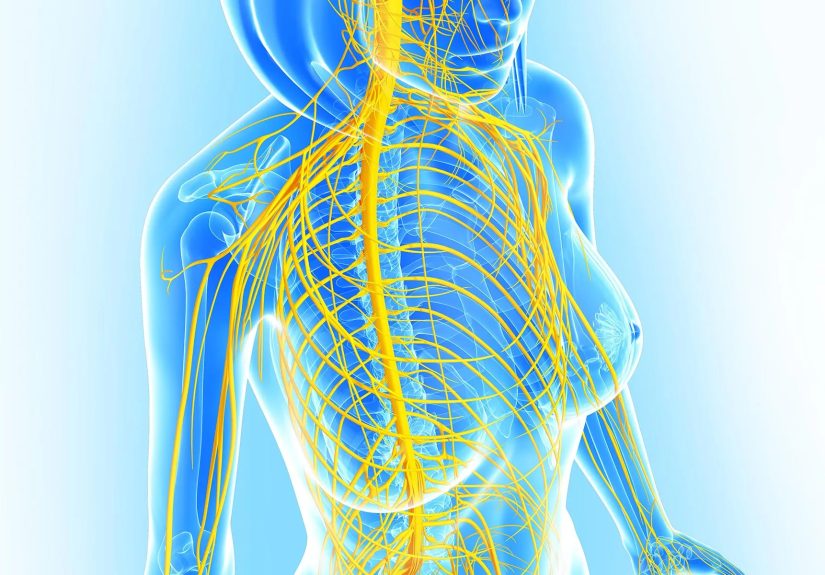
The nervous system is your body’s master control and communication network. It uses tiny electrical signals and chemical messengers called neurotransmitters to send information between your brain, spinal cord, and every corner of your body.
Structurally and functionally, it’s usually divided into two main parts:
- Central nervous system (CNS): the brain and spinal cord. This is the “command center” that interprets information and decides what to do next.
- Peripheral nervous system (PNS): all the nerves that branch off from the spinal cord and brain and travel throughout the body, connecting the CNS to your organs, limbs, and skin.
Together, the CNS and PNS coordinate everything from your heartbeat and breathing to your memories, moods, and muscle movements. It’s multitasking on a level your laptop could only dream of.
Main Organs and Structures of the Nervous System
Brain: The Command Center
The brain is the star of the nervous system show. Packed with around 100 billion neurons, it handles thought, memory, emotion, movement, and sensation. Different regions have different specialties: the cerebrum helps with thinking and voluntary movement, the cerebellum refines balance and coordination, and the brainstem manages automatic functions like breathing and heart rate.
You can think of the brain as a busy office filled with departments: one for language, one for vision, one for emotions, and so on. They’re constantly emailing (well, electro-chemically signaling) each other to keep you functioning smoothly.
Spinal Cord: The Information Highway
The spinal cord is a thick bundle of nerve tissue running inside your vertebral column. It acts as a high-speed highway for messages traveling between the brain and the rest of the body. It also coordinates many reflexes on its own for example, that instant knee-jerk response during a checkup doesn’t wait for your brain to approve.
Peripheral Nerves and Ganglia
Peripheral nerves branch out from the brain and spinal cord like the limbs and twigs of a tree. These nerves carry:
- Sensory signals from your skin, muscles, and organs back to the CNS.
- Motor signals from the CNS to your muscles and glands.
Small clusters of nerve cell bodies outside the CNS are called ganglia. Together, the PNS relays information between the CNS and the rest of your body and is more exposed to injury and toxins, since it doesn’t have the same bony or blood–brain barrier protection as the CNS.
Neurons and Glial Cells
The basic working units of the nervous system are neurons. Each neuron has:
- a cell body (soma) that contains the nucleus,
- dendrites that receive signals, and
- a long axon that sends signals to other cells.
Surrounding and supporting the neurons are glial cells. Once thought of as mere “support staff,” we now know glia help guide developing neurons, maintain the chemical environment, provide myelin insulation around axons, and actively participate in brain signaling and metabolism.
How the Nervous System Works: Key Functions
Despite its complexity, the nervous system has three core jobs:
- Receive information from inside and outside the body (sensory input).
- Process and interpret that information (integration in the brain and spinal cord).
- Respond by activating muscles or glands (motor output).
You touch a hot stove, sensory nerves fire, the signal zooms up your spinal cord to the brain, the brain votes “This is bad,” and motor nerves trigger your hand to pull back all in fractions of a second.
Somatic vs. Autonomic Nervous System
Functionally, the peripheral nervous system splits into:
- Somatic nervous system: controls voluntary movements (like reaching for your coffee) and communicates sensory information such as touch, pain, temperature, and body position.
- Autonomic nervous system (ANS): runs things you don’t have to think about heart rate, blood pressure, digestion, sweating, and more.
Sympathetic, Parasympathetic, and Enteric Divisions
The autonomic nervous system has three major divisions:
- Sympathetic nervous system: your “fight-or-flight” team. It increases heart rate, widens airways, and redirects blood to muscles so you can run, fight, or at least speed-walk away from awkward situations.
- Parasympathetic nervous system: the “rest-and-digest” crew. It slows the heart rate, stimulates digestion, and supports recovery after stress.
- Enteric nervous system: sometimes called the “second brain,” this network in your gut helps coordinate digestion and works semi-independently, though it still communicates with the brain.
Common Nervous System Diseases and Disorders
Over 600 known neurological diseases can affect the nervous system, disrupting movement, sensation, cognition, or automatic functions like breathing and heart rate.
Central Nervous System Disorders
- Stroke: occurs when blood flow to part of the brain is blocked or a blood vessel bursts. Brain cells begin to die within minutes, leading to weakness, speech problems, or other sudden neurological symptoms.
- Multiple sclerosis (MS): an autoimmune disease in which the immune system attacks the myelin sheath around nerve fibers in the brain and spinal cord. This slows or blocks nerve signals, causing symptoms like visual changes, numbness, weakness, and balance problems.
- Parkinson’s disease: a progressive movement disorder where certain brain neurons degenerate, causing tremor, stiffness, slowed movement, and balance difficulties.
- Alzheimer’s disease and other dementias: degenerative brain diseases characterized by progressive memory loss, confusion, and changes in thinking and behavior.
- Epilepsy: a condition marked by recurring seizures due to abnormal electrical activity in the brain.
Peripheral Nerve Disorders
The peripheral nervous system is vulnerable to injury, infections, toxins, metabolic problems (like diabetes), and autoimmune attacks. Common issues include:
- Peripheral neuropathy: damage to peripheral nerves causing numbness, tingling, burning pain, weakness, or loss of sensation, often starting in the hands and feet.
- Peripheral nerve injuries: trauma, compression, or stretching can interrupt messages between the brain and muscles, leading to weakness, pain, or loss of function.
Autonomic Nervous System Disorders
Disorders of the autonomic nervous system (dysautonomias) can lead to:
- Abnormal blood pressure or heart rate (for example, feeling faint when standing up).
- Problems with sweating, digestion, or temperature regulation.
- Bladder or bowel control issues.
These disorders may be primary or may develop as complications of diabetes, autoimmune conditions, or neurodegenerative diseases.
Warning Signs: When to See a Doctor
Call a healthcare professional right away or seek emergency care if you notice:
- Sudden weakness or numbness in the face, arm, or leg, especially on one side.
- Sudden confusion, trouble speaking, or understanding speech.
- Sudden vision changes, severe headache, or loss of balance.
- New seizures, fainting spells, or unexplained episodes of confusion.
- Gradually worsening numbness, tingling, or weakness in hands or feet.
These signs don’t always mean a serious disease, but they do mean you shouldn’t play “guess the diagnosis” at home. A qualified clinician can evaluate your symptoms and recommend appropriate testing.
Keeping Your Nervous System Healthy
You can’t control every risk factor for nervous system diseases genetics and aging still have strong opinions but lifestyle choices matter. Research consistently shows that habits supporting heart health, metabolic health, and mental wellbeing also benefit brain and nerve health.
- Protect your head and spine. Wear seat belts, use helmets for biking and contact sports, and practice safe lifting techniques to avoid traumatic brain and spinal cord injuries.
- Manage cardiovascular risk factors. Keep blood pressure, cholesterol, and blood sugar in healthy ranges to lower the risk of stroke and vascular dementia.
- Stay physically active. Regular aerobic and strength-building exercise supports blood flow to the brain, improves balance, and may lower risk for several neurological conditions.
- Eat for brain and nerve health. Diets rich in vegetables, fruits, whole grains, healthy fats, and lean protein provide the nutrients your nervous system needs to function and repair.
- Get quality sleep. During sleep, the brain consolidates memories and clears metabolic waste products. Chronic sleep deprivation may increase risk for mood disorders, cognitive problems, and pain sensitivity.
- Avoid smoking and limit alcohol. Both can damage blood vessels and nerve tissue over time.
- Protect against toxins. Use proper safety equipment when working with solvents, pesticides, or heavy metals; some exposures can damage peripheral nerves or brain cells.
Always talk with a healthcare professional before making major changes to medications, supplements, or exercise routines, especially if you already have a neurological condition.
Real-Life Experiences with Nervous System Conditions
Behind every medical term “neuropathy,” “migraine,” “MS flare” is a person trying to live a normal life while their nervous system occasionally acts like a glitchy operating system. Hearing what day-to-day life can look like with these conditions helps translate abstract anatomy into real human experience.
Living with Peripheral Neuropathy
Many people with peripheral neuropathy describe their feet as feeling like they’re walking on sand, pins and needles, or even burning coals all while their skin looks perfectly normal. Simple errands may require planning: choosing shoes with extra cushioning, avoiding long walks on hard surfaces, checking feet daily for blisters or cuts that might go unnoticed due to numbness.
Nights can be especially tough. Nerve pain often worsens when everything else is quiet. People experiment with pillow arrangements, soft socks, or elevating their legs just to find a position that lets them sleep. Over time, small adjustments like pacing activities, taking breaks, and using handrails or canes when needed can make a big difference in safety and independence.
Multiple Sclerosis and the “Invisible” Symptoms
For people with MS, symptoms can come and go, and many of them are invisible to others. One day, they can walk several blocks comfortably; the next, extreme fatigue or leg weakness makes crossing the living room feel like hiking uphill with a heavy backpack. Visual changes, numbness, and brain fog can make work or school feel unpredictable.
Many patients talk about becoming experts in energy budgeting. They learn to balance rest and activity, schedule demanding tasks earlier in the day, and communicate with employers, teachers, and family members about fluctuating needs. Cooling vests, mobility aids, and workplace accommodations aren’t signs of “giving in” they’re tools that let people stay engaged in their lives.
Migraine and Sensory Overload
Migraine is more than “a bad headache.” People often describe it as a sensory storm: light feels like needles, sounds like explosions, smells suddenly overwhelming. Some experience aura visual disturbances such as flashing lights or zigzag lines that warn a migraine is coming, while others are hit with little warning.
Over time, many learn to track their triggers: certain foods, skipped meals, lack of sleep, hormonal shifts, or changes in the weather. They might carry sunglasses indoors, keep noise-canceling headphones in their bag, and negotiate flexible schedules to allow for rest when attacks strike. The nervous system’s sensitivity can be frustrating, but understanding patterns helps people regain a sense of control.
Parkinson’s Disease: Movement, Mood, and Moments of Humor
Parkinson’s disease often starts subtly a mild tremor in one hand, a bit of stiffness, handwriting that shrinks over time. As symptoms progress, people may walk more slowly, take shorter steps, or feel “stuck” when trying to start moving. Everyday tasks like buttoning a shirt or tying shoelaces may become more time-consuming.
Yet many individuals and families find ways to adapt and even keep a sense of humor. They might turn physical therapy exercises into friendly competitions, use voice-activated devices to reduce fine motor demands, or plan social activities around the times of day when medications work best. Support groups online or in person provide a space to share tips, frustrations, and the kind of jokes only someone else with a stubborn nervous system would truly appreciate.
Caregivers and Support Networks
Nervous system diseases don’t just affect one person; they ripple through families, workplaces, and communities. Caregivers may help with transportation, medication schedules, home safety modifications, or just listening on tough days. Learning basic neurology concepts like why fatigue hits so hard in MS, or why neuropathy makes balance tricky can turn frustration into understanding.
In many stories, what stands out isn’t just the diagnosis but the relationships built around it: friends who learn to text instead of call when migraines strike, employers who offer flexible work arrangements, or communities that rally around someone after a stroke. Knowledge about the nervous system becomes a shared tool, helping everyone involved make more informed and compassionate choices.
Conclusion
The human nervous system is a remarkable, complicated, occasionally dramatic network that enables every thought, feeling, and action you have. Its main parts the brain, spinal cord, and peripheral nerves coordinate voluntary movement, automatic body functions, sensation, and cognition through an intricate web of neurons and glial cells.
While hundreds of nervous system diseases exist, from stroke and MS to peripheral neuropathy and migraine, early recognition and proper care can help preserve function and quality of life. Pairing medical guidance with healthy lifestyle habits, safety measures, and strong social support gives your nervous system the best chance to keep doing its full-time job: running the show behind the scenes, 24/7.