Table of Contents >> Show >> Hide
- What Is Microcephaly?
- Why Head Size Matters (And Why It’s Not the Whole Story)
- How Microcephaly Is Diagnosed
- Causes of Microcephaly
- Symptoms of Microcephaly
- Complications and Outlook
- Treatment: What Helps (Even When There’s No “Cure”)
- Supporting a Child With Microcephaly: Practical, Real-World Tips
- Prevention: Reducing Risk When Possible
- When to Seek Medical Help
- Experiences: What People Often Learn While Living With Microcephaly (About )
- “We thought the measurement was the diagnosisthen we learned it’s just the starting point.”
- Therapy can feel like a part-time job (until it becomes a normal rhythm)
- Progress isn’t always linear (and that’s normal)
- Parents become expert coordinatorswithout ever applying for the job
- School and community supports can be game-changers
- Conclusion
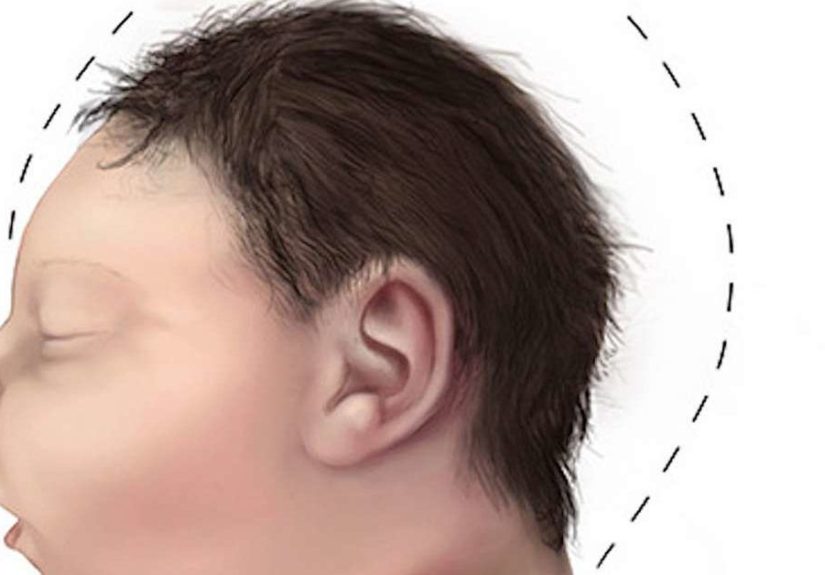
Microcephaly is one of those medical words that sounds like it belongs in a spelling bee finals round. But what it means is pretty straightforward: a baby’s head is much smaller than expected for their age and sex. Since the skull grows to “fit” the brain, a smaller head size often goes along with a smaller brain or differences in brain development.
Here’s the important part (and the reassuring part): microcephaly isn’t one single story. Some children with mild microcephaly grow, learn, and thrive with few or no added challenges. Others have developmental delays, seizures, or feeding issues that need long-term support. The goal of this guide is to explain what microcephaly is, what causes it, what symptoms to watch for, how doctors diagnose it, and what treatment and support can realistically do.
What Is Microcephaly?
Microcephaly is a condition where a baby’s head circumference (the distance around the head) measures smaller than expected compared with children of the same age and sex. It can be:
- Congenital microcephaly (present at birth), sometimes noticed right away or seen on prenatal imaging later in pregnancy.
- Postnatal (acquired) microcephaly, when a baby’s head size starts out typical but head growth slows or falls off the expected curve over time.
Clinicians typically use growth charts and statistical cutoffs to define microcephaly. In many medical settings, “severe microcephaly” may be described as head circumference far below the average (for example, about three standard deviations below the mean), while other definitions may use a cutoff closer to two standard deviations below the mean. The big idea is the same: the head is smaller than expected, and doctors look for the “why” behind that measurement.
Why Head Size Matters (And Why It’s Not the Whole Story)
Head circumference is like a “vital sign” for brain growtheasy to measure, useful, and worth tracking over time. But it’s not a personality test, an IQ predictor, or a crystal ball. Two babies can have the same head circumference and very different development. That’s why providers watch patterns (growth over time) and pair measurements with a child’s milestones, neurologic exam, andwhen neededimaging and lab tests.
How Microcephaly Is Diagnosed
1) Measuring head circumference (the basic, essential step)
Diagnosis often starts with a tape measure placed around the widest part of a baby’s head (typically across the forehead and around the back of the head). The number is then compared with standardized growth charts that account for age, sex, and sometimes gestational age (how early or late the baby was born).
Because newborn heads can be temporarily affected by the birth process (molding or swelling), clinicians aim to measure carefully and consistently. A single measurement can raise a flag, but repeated measurements over time help confirm whether head growth is tracking normally or not.
2) Prenatal ultrasound (sometimes helpful, sometimes not definitive)
Microcephaly can sometimes be suspected on prenatal ultrasound, especially later in pregnancy. But ultrasound has limits. Some cases aren’t obvious until the third trimester, and sometimes a small head measurement on ultrasound doesn’t end up meaning true microcephaly after birth.
3) Imaging and testing (to understand the cause and associated findings)
If a clinician suspects microcephaly, testing may be recommended to understand the underlying cause and check for other concerns. Depending on the situation, this can include:
- MRI (or sometimes CT, or head ultrasound in infants) to look at brain structure.
- Blood and urine tests to screen for certain genetic or metabolic conditions.
- Infectious testing when prenatal infection is a possibility (based on pregnancy history, symptoms, or imaging findings).
- Genetic evaluation (such as chromosomal testing or broader genetic panels), especially when microcephaly appears inherited, occurs with other physical findings, or is linked to developmental concerns.
4) Ruling out similar-looking issues (like craniosynostosis)
Not every small head is microcephaly. One key look-alike is craniosynostosis, when skull sutures fuse too early. That can affect head shape and sometimes head growth. In certain cases where craniosynostosis is the main driver, surgery may be part of treatmentso getting the diagnosis right really matters.
Causes of Microcephaly
Microcephaly happens when the brain doesn’t grow as expected during pregnancy or stops growing normally after birth. Sometimes the cause is clear; sometimes it isn’t. Causes and risk factors often fall into a few big buckets:
1) Genetic and chromosomal conditions
Genetics are a common reason microcephaly occurs. A child may inherit gene changes that affect brain growth and development, or microcephaly may be part of a broader genetic syndrome. Chromosomal conditionslike Down syndromecan also be associated with microcephaly, along with other medical or developmental features.
Microcephaly can also run in families as a normal trait (some families simply have smaller head sizes). In those cases, the child may have typical development, and measuring parents’ head circumference can provide helpful context.
2) Metabolic conditions (including untreated maternal PKU)
Certain metabolic conditions can affect fetal brain development. One classically discussed example is untreated maternal phenylketonuria (PKU). People with PKU can often have healthy pregnancies when PKU is well-managed, but uncontrolled levels of phenylalanine during pregnancy raise the risk of problems with fetal development, including microcephaly.
3) Infections during pregnancy (the “TORCH” and related infections)
Some infections can disrupt fetal brain development. Clinicians often group several of these under the “TORCH” umbrella (toxoplasmosis, rubella, cytomegalovirus, herpes) and may also include varicella (chickenpox) in the conversation. Zika virus infection during pregnancy has also been linked to microcephaly and other birth defects affecting the brain and senses.
Not every exposure leads to microcephaly, and risk depends on timing in pregnancy and many other factors. But pregnancy infection history is a key part of the diagnostic puzzle.
4) Exposures that affect fetal development
Several prenatal exposures are associated with a higher risk of microcephaly, including:
- Alcohol use during pregnancy (a known cause of fetal alcohol spectrum disorders, which can include growth and brain development effects).
- Illegal drug use and certain harmful substances.
- Exposure to toxic chemicals (for example, methylmercury exposure).
- Some medications (the risk varies widely by medication and timingthis is why medication review in pregnancy is so important).
5) Nutrition and oxygen/blood flow issues
Severe malnutrition or lack of key nutrients during pregnancy can affect brain growth. Likewise, situations that reduce oxygen or blood flow to the developing brainbefore, during, or after birthcan contribute to microcephaly, particularly acquired microcephaly. Stroke or significant brain injury early in life can also change the expected head growth pattern.
Symptoms of Microcephaly
Symptoms can range from “no major issues besides a smaller head” to more complex developmental and neurologic needs. Common symptoms and associated challenges may include:
- Small head size (the defining feature).
- Developmental delays (motor, speech/language, social).
- Intellectual disability (mild to severe, depending on cause and brain development).
- Seizures in some children.
- Feeding difficulties or poor weight gain.
- Muscle tone differences (too tight or too loose), movement and balance challenges.
- Hearing or vision problems, especially in certain infection-related cases.
One symptom that shows up often in medical descriptionsbecause it’s noticeable to caregiversis a high-pitched cry in some infants. It’s not specific to microcephaly, but it can be one of several clues that prompt further evaluation.
Complications and Outlook
The outlook for a child with microcephaly depends on what’s causing it and how the brain is developing. Some children have mild microcephaly with typical intelligence and development. Others may have long-term needs related to learning, mobility, seizures, feeding, or sensory challenges.
Another reality (and a frustrating one for parents who understandably want a neat, immediate answer): clinicians often can’t fully predict the long-term picture right at birth. Development unfolds over time. That’s why follow-up visits, milestone tracking, and early support matter so much.
Treatment: What Helps (Even When There’s No “Cure”)
Microcephaly is generally a lifelong condition. There isn’t a treatment that “returns the head to normal size” or a single standard therapy that works for every child. Instead, treatment focuses on two practical goals:
- Managing symptoms (like seizures or feeding problems).
- Maximizing development (supporting movement, communication, learning, and daily skills).
Early intervention therapies
When microcephaly is associated with developmental delays, early support can make a meaningful difference. Early intervention may include:
- Physical therapy to support strength, coordination, posture, and mobility.
- Occupational therapy to build fine motor skills, feeding skills, and daily living independence.
- Speech-language therapy to support communication (spoken language, sign, or assistive communication tools) and swallowing/feeding when needed.
Medical management
Depending on the child’s needs, medical treatment may include:
- Anti-seizure medications if seizures occur.
- Nutritional support for feeding difficulties or growth concerns.
- Hearing and vision services (testing, hearing aids, vision supports).
- Specialty care such as pediatric neurology, genetics, developmental pediatrics, and rehabilitation teams.
Surgery (in specific cases)
Most microcephaly is related to brain growth differences, not skull shape alone. But when a child’s small head size is tied to craniosynostosis (early fusion of skull sutures), surgical treatment may be considered to address skull growth constraints. This is one reason why careful diagnosis and imaging can be so important.
Supporting a Child With Microcephaly: Practical, Real-World Tips
Treatment isn’t only what happens in a clinic. Day-to-day support is where children build skills, confidence, and connection. A few practical strategies families often find helpful include:
Make milestones your compass, not your stress meter
Milestone checklists can be useful, but they can also feel like a pop quiz you didn’t study for. Try to use milestones as guideposts: “What can we support next?” instead of “What are we behind on?” Your child’s care team can help set realistic, individualized goals.
Use the “small wins” strategy
In therapy and development, tiny steps add up. A new sound. One extra bite. Holding a toy for longer. Sitting for a few seconds more. Those are real wins, and they’re often the building blocks of bigger progress.
Build a coordinated care routine
Many families juggle multiple appointments. It can help to keep a simple one-page “care snapshot” that includes medications, specialists, emergency contacts, therapy goals, and recent test results. (Think of it as a resume for your child’s medical teamminus the awkward interview handshake.)
Ask about school supports early
When children need extra learning support, early planning helps. Services can include individualized education plans, classroom accommodations, and therapy supports in school settings. The earlier support starts, the more time it has to work.
Prevention: Reducing Risk When Possible
Not all causes of microcephaly can be preventedespecially genetic conditions. But some risk factors are modifiable. Pregnancy and preconception care can help lower risk by focusing on:
- Consistent prenatal care and recommended screenings.
- A balanced, nutrient-rich diet and addressing severe nutritional deficiencies.
- Avoiding alcohol, illegal drugs, and toxic exposures (including certain chemicals).
- Reviewing medications with a clinician before and during pregnancy (never stop prescribed medication without medical guidance).
- Preventing infections when possible (for example, staying up to date on vaccines like rubella before pregnancy, practicing food and hygiene safety, and using travel/mosquito precautions where relevant).
- Managing known medical conditions (including PKU, where tight control before and during pregnancy is especially important).
- Genetic counseling for families with a known inherited condition or a prior child with microcephaly.
When to Seek Medical Help
If you’re a parent or caregiver and you’re worried about a baby’s head growth or development, it’s worth bringing it up with a pediatricianespecially if you notice:
- Head growth that seems to slow down or fall off the child’s usual curve.
- Feeding difficulties, poor weight gain, or trouble swallowing.
- Delays in rolling, sitting, crawling, walking, or talking.
- Concerns with vision or hearing.
- Seizure-like episodes (this should be treated as urgentseek emergency care).
This article is for education, not diagnosis. A child’s head size should be interpreted in context by a healthcare professional who can measure accurately and, if needed, run appropriate tests.
Experiences: What People Often Learn While Living With Microcephaly (About )
Medical explanations are helpful, but families often say the day-to-day experience is where the real learning happens. While every child’s journey is different, certain themes show up again and again in stories from parents, therapists, and clinicians.
“We thought the measurement was the diagnosisthen we learned it’s just the starting point.”
Many caregivers describe the moment microcephaly is first mentioned as a swirl of questions: “How serious is it? Did I do something wrong? What happens next?” Over time, most families discover that the head circumference number is not the whole story. The more useful question becomes: “How is our child developing?” That shiftfrom fear of a label to focus on skills and supportcan be a turning point.
Therapy can feel like a part-time job (until it becomes a normal rhythm)
Early on, therapy schedules can be intense: physical therapy on Monday, speech on Wednesday, occupational therapy on Friday, plus doctor visits sprinkled in like surprise confetti. Families often experiment to find a rhythm that supports progress without exhausting everyone. A common strategy is to pick a few “high impact” home activitiesshort and consistentrather than trying to recreate a full therapy session in the living room.
For example, a therapist might suggest practicing “tummy time” in small bursts, using a favorite toy to encourage head turning, or building communication by repeating simple sounds and celebrating any attempt to respond. These steps can look small, but they stack over time.
Progress isn’t always linear (and that’s normal)
Families often describe periods of rapid progress followed by plateaus. Plateaus can feel discouraging, but they’re common in child developmentespecially when a child is managing multiple challenges like muscle tone differences, feeding issues, or sensory concerns. Clinicians often encourage parents to watch for “quiet progress”: improved attention, better endurance, fewer frustrations, or more consistent use of a skill that was already learned.
Parents become expert coordinatorswithout ever applying for the job
Many caregivers say they unexpectedly become the “project manager” of their child’s care: tracking appointments, sharing reports between specialists, and translating medical terms into everyday plans. Tools that seem simplelike a binder, a notes app, or a one-page summary of medications and therapy goalscan reduce stress and help each specialist see the bigger picture.
School and community supports can be game-changers
As children grow, families often find that educational supports, adaptive services, and community programs can matter just as much as medical care. When schools, therapists, and parents communicate well, children are more likely to get consistent strategies across environments. Families also report that meeting other parentsthrough support groups, early intervention programs, or local disability resourcescan reduce isolation and offer practical tips no textbook ever includes.
Above all, many families emphasize this: microcephaly may shape a child’s needs, but it doesn’t erase personality. Kids still have favorite songs, strong opinions, and a talent for surprising adults at the exact moment you thought you had everything figured out.
Conclusion
Microcephaly is a diagnosis based on a smaller-than-expected head circumference, often tied to differences in brain growth. The causes range from genetic and chromosomal conditions to prenatal infections, metabolic conditions, toxic exposures, nutrition issues, and early-life brain injury. While there’s no cure that “fixes” head size, many supports can improve quality of lifeespecially early intervention therapies, seizure management when needed, educational services, and coordinated specialty care.
If you’re worried about a baby’s head growth or development, a pediatrician can measure accurately, track growth over time, and guide next steps. In microcephaly care, the most powerful approach is usually the most practical one: identify needs early, build a support plan, and focus on helping the child reach their best possible developmentone small win at a time.