Table of Contents >> Show >> Hide
- What Actually Happened With the Game Boy Emulator Ban?
- Apple’s Emulator U-Turn: From Ban to Confusion
- Why the Messy Ban Exposes Bigger App Store Mistakes
- What This Means for Developers
- What This Means for Gamers and Game Preservation
- How Apple Could Fix the Emulator Situation (And the App Store)
- Real-World Experiences: How the Emulator Ban Feels on the Ground
- Conclusion: A Small Emulator, a Big Warning
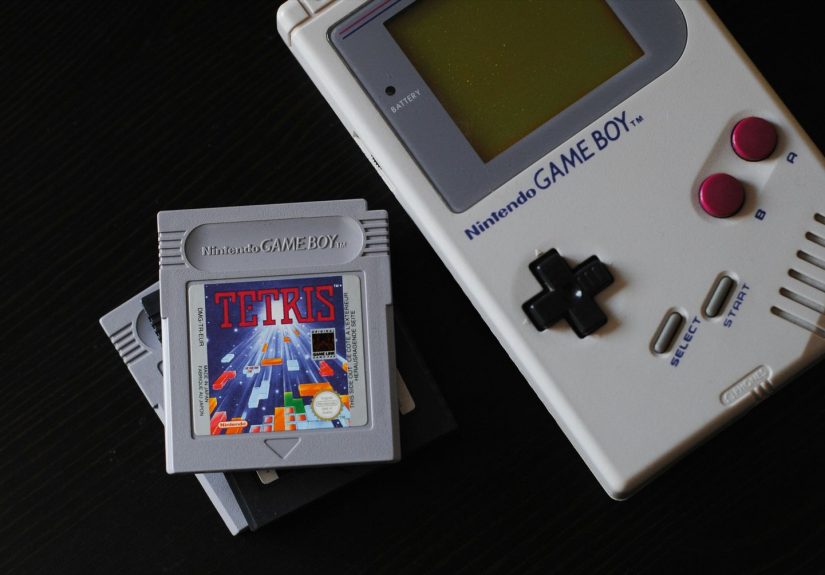
For a brief, glorious moment in 2024, it looked like iPhone owners could finally play classic Game Boy games without jumping through jailbreak hoops or weird sideloading tricks. Then, almost as quickly as it arrived, the first big Game Boy emulator on the App Store was yanked down in a very public, very messy fashion. The incident didn’t just frustrate nostalgic gamersit also exposed some uncomfortable truths about how Apple runs the App Store.
The Game Boy emulator sagacentered on an app called iGBAhas become a case study in App Store mistakes: inconsistent rules, weak review processes, confusing communication, and a growing gap between what Apple says in its guidelines and what actually happens in practice. If you ever felt like the App Store is a black box that occasionally spits out chaos, congratulations: this story is Exhibit A.
What Actually Happened With the Game Boy Emulator Ban?
To understand the mess, we have to rewind to early April 2024, when Apple quietly updated its App Store rules to allow retro game emulators for the first time. After more than a decade of a de facto ban, Apple said emulators were now welcomeso long as they followed the law and only ran “retro” games. That opened the door for apps that emulate older consoles like the NES, SNES, and of course, Nintendo’s beloved Game Boy.
Enter iGBA, a Game Boy Advance emulator that shot to the top of the App Store charts almost as soon as it was approved. Gamers rushed to download it, thrilled to finally have a simple, official way to play classic titles on iOS.
There was just one tiny problem: iGBA wasn’t really original.
Soon after launch, developer Riley Testutcreator of the popular GBA4iOS emulator and the more modern Delta emulatorpublicly pointed out that iGBA was essentially a clone of his old open-source project, GBA4iOS, copied without permission. Even worse, the original license explicitly forbade distributing it on the App Store without written approval from him. In other words, Apple had just approved a stolen, ad-filled fork of his work and handed it a prime spotlight in the store.
After a weekend of backlash and social media anger from developers and gamers alike, Apple removed iGBA from the App Store, citing violations of its rules: unauthorized copying of another developer’s app and shady data practices. Technically, Apple did the “right” thing in the end. But the damage was already done.
The whole fiasco raised an obvious question: How did this pass review in the first place, especially while the original, legitimate creator was still fighting to get his own emulator into the store?
Apple’s Emulator U-Turn: From Ban to Confusion
The iGBA incident didn’t happen in isolation. It came just days after Apple’s surprising U-turn on emulators. For years, emulation apps were essentially banned on iOS, forcing enthusiasts to use workarounds or alternative app stores outside Apple’s walled garden. Under pressure from regulatorsespecially in the EUApple updated its guidelines to explicitly allow retro game console emulators that follow copyright law.
That sounds clear on paper, but in practice, things got murky fast. Apple never really defined what “retro” means. Is PlayStation 2 retro? What about Nintendo DS? How many console generations back do you have to go before you qualify for “retro” status? Developers and users started guessing, and confusion flourished.
Meanwhile, Apple approved some emulators, rejected others, and pulled a few without much explanation. iGBA went up, then came down. Delta, a polished emulator from the original GBA4iOS developer, was approved and widely praised. Other emulators for systems like PlayStation 1 and even DOS later followed. The result was a pattern that felt less like a consistent policy and more like a series of improvisations.
Why the Messy Ban Exposes Bigger App Store Mistakes
1. Clone Apps Slip Through While Originals Struggle
The most embarrassing part of the iGBA story is simple: the App Store approved a clone of an open-source app while its original creator was still navigating the approval process with his legit, fully authorized emulator.
This is not a one-off issue. Developers have long complained that the App Store is full of copycat appscheap knockoffs that scrape UI designs, names, or even code from successful projects. In theory, Apple claims to crack down on clones. In practice, it’s easy for a scammy or low-effort copy to slip through review, especially if it arrives right as a new category (like emulators) suddenly opens up and reviewers are still figuring out what to look for.
The iGBA situation highlighted a painful reality: being first to market on the App Store doesn’t necessarily reward innovationit sometimes rewards whoever submits the fastest, regardless of ethics.
2. Inconsistent and Vague Rules Around Emulation
Rule changes are normal for any platform, but Apple’s emulator policy has felt like a moving target. First, emulators were basically banned. Then, retro console emulators were allowed. Then, Apple clarified that emulators could load ROMs downloaded from the web, as long as everything stayed legal. Later, emulator rules were broadened again to cover things like PC emulators, as seen with apps such as iDOS and UTM.
Each change arrived with minimal public explanation and left important questions unanswered. What counts as legal content? Which systems are considered retro? What about BIOS files? How should developers handle user-supplied ROMs? Instead of a clear, public framework, developers have had to interpret Apple’s intent from sparse guideline text and scattered communications.
That uncertainty makes it risky to invest months into building a high-quality emulator. If the rules are vague and enforcement is inconsistent, a serious developer may decide it’s safer to focus on other platformslike Androidwhere emulation is more openly supported.
3. The “Safe and Curated” Myth Takes a Hit
Apple has spent years marketing the App Store as a safe, curated marketplace where apps are carefully reviewed to protect users from scams and bad experiences. But when a cloned emulator full of ads and questionable tracking hits number one on the charts, while the original developer is stuck outside the gates, that narrative starts to crack.
The iGBA episode showed that the App Store review process is not nearly as airtight as Apple suggests. Reviewers may miss licensing violations, fail to recognize clones of popular open-source projects, or overlook sloppy data practices. When that happens in a brand-new category like emulators, the flaws are amplified.
For users, this raises a tough question: if a high-profile, obviously controversial app can slide through, how many quieter, less visible problems are getting through every day?
4. Mixed Signals to Regulators and Developers
The timing of Apple’s emulator reversal wasn’t a coincidence. It came amid increased scrutiny from antitrust regulators in the EU and elsewhere, who are pressuring Apple to loosen its grip on app distribution, payment systems, and platform access.
Allowing emulators could have been a great PR win for Appleproof that it listens to users and developers, and that it’s willing to open up its ecosystem. Instead, the messy rollout, topped by the cloned Game Boy emulator scandal, sent the opposite message: change is happening, but Apple still seems unwilling or unable to run the App Store with the clarity and consistency that developers want.
What This Means for Developers
For developers, especially indie creators, the iGBA saga is a cautionary tale. It illustrates three hard truths about building for the App Store:
- Your work can be cloned and approved before your own app is. Open-source projects are especially vulnerable to this kind of abuse.
- Guidelines alone don’t guarantee protection. Even if Apple’s rules say clones and stolen code aren’t allowed, enforcement is uneven.
- Risk and uncertainty are part of the platform. Investing in a complex app like an emulator means you’re betting on Apple’s mood, not just its written policies.
To cope, many developers have started diversifying: releasing on multiple platforms, experimenting with web apps, or using alternative stores where possible. Some are still willing to play the long game with Apple, hoping that once a category stabilizeslike emulators seem to be slowly doingthe risk of sudden bans or reversals goes down.
What This Means for Gamers and Game Preservation
For gamers, the chaotic rollout of emulators on iOS has been equal parts exciting and exhausting. On the one hand, it’s genuinely cool to grab a polished, legal-ish emulator like Delta from the App Store and boot up your favorite childhood games without jailbreaking your phone or hunting down sketchy downloads.
On the other hand, the iGBA ban reminded everyone that any emulator can vanish overnight if Apple decides it violates some rule or suddenly interprets a guideline differently. That kind of instability is frustrating if you’ve invested time in setting things up and building a ROM library.
There’s also the wider issue of game preservation. Many classic titles are unavailable in any legal, convenient form today. Emulation has become one of the primary tools for keeping gaming history accessible. When Apple wades into this space with unclear rules and inconsistent enforcement, it risks undermining preservation efforts while still not fully satisfying copyright holders.
Ideally, emulators on the App Store would become a bridge between players and rights holders: a place where people can legally buy and play retro games in a modern format, with developers and publishers getting paid and players getting a great experience. We’re not there yetbut the demand is clearly there, and the iGBA incident proved that gamers will show up the second those doors open, even a crack.
How Apple Could Fix the Emulator Situation (And the App Store)
Apple can’t undo the iGBA mess, but it can learn from it. Here are a few ways it could clean things upnot just for emulators, but for the App Store as a whole:
1. Publish Clear, Detailed Emulator Guidelines
“Retro console games” is not a meaningful technical or legal category. Apple should spell out:
- Which generations or systems qualify as retro.
- How developers should handle ROM loading and user-supplied content.
- What documentation Apple expects regarding licensing and permissions.
- Where the line is between acceptable emulation and facilitating piracy.
The more specific Apple is, the less guesswork developers have to do, and the less likely we are to see another public policy faceplant.
2. Improve Clone and License Checking
Perfect enforcement is impossible, but the App Store could do a much better job at detecting clones. Automatic checks comparing new app submissions against popular open-source projects, combined with manual reviews for high-profile categories, would make it harder for copycats to slip in.
Apple already uses automated tools to scan for malware and certain content. Extending that effort to detect obvious code and asset reuseespecially when licenses forbid commercial App Store distributionwould go a long way.
3. Increase Transparency Around Bans and Removals
When an app like iGBA gets removed, Apple usually issues a short, carefully worded statement citing “App Store violations” and little else. That might be enough for a generic flashlight app, but for high-profile cases that touch on policy changes, it’s not good enough.
Developers and users would benefit from postmortem-style explanations that outline, in plain language, what went wrong and what Apple will do differently going forward. That builds trust and helps other developers avoid repeating the same mistakes.
4. Treat the App Store Like Infrastructure, Not Just a Shop
At this point, the App Store isn’t just a digital storefrontit’s critical infrastructure for software distribution. That means Apple has responsibilities that go beyond maximizing revenue or promoting its own services. Consistency, fairness, and clarity aren’t nice-to-haves; they’re essential conditions for a healthy ecosystem.
The Game Boy emulator drama made it clear that Apple still sometimes behaves like a retailer curating shelves, rather than a platform steward setting and enforcing clear rules. If Apple wants developers to build ambitious appslike high-quality emulatorsit needs to give them a stable foundation.
Real-World Experiences: How the Emulator Ban Feels on the Ground
The Game Boy emulator saga might look like pure tech drama from the outside, but for the people directly involved, it’s deeply personal. To see how messy App Store decisions land in the real world, it helps to look at the story from a few different perspectives.
The Indie Developer: “I Watched My Work Get Cloned and Rewarded”
Imagine spending years building an emulator, refining the interface, polishing performance, and staying just on the right side of the legal and technical line. You release it outside the App Store because Apple won’t allow it. You open-source pieces of your code so others can learn, tinker, and contribute.
Then, one morning, you wake up to find a stranger has packaged up your work, slapped ads and tracking into it, uploaded it to the App Store, and is now #1 in the charts while you’re still waiting for Apple to respond to your own submissions. That’s essentially what happened to the original GBA4iOS creator when iGBA went live.
From that vantage point, the App Store doesn’t feel like a guardian of quality or safety. It feels like a lottery run by a company that doesn’t always recognize who actually built the ticket.
The Nostalgic Gamer: “I Finally Got My Childhood Back… for 48 Hours”
Now picture the everyday gamer who sees headlines saying “Game Boy emulator hits the App Store.” You download the app, dust off your old backups, and suddenly you’re playing Pokémon, Zelda, or Metroid on your iPhone during your commute. It feels magicaland completely frictionless compared to every hacky method you tried before.
Two days later, the app disappears.
You still have it installed, but you’re not sure if it’ll keep working in future iOS updates. There won’t be bug fixes. You don’t know if you should delete it or hold onto it like digital contraband. You read that it was cloned from someone else’s project and that it probably shouldn’t have existed in the first place.
The result is whiplash: the joy of finally getting something you’ve wanted for years, followed by the frustration of realizing the platform’s rules are too unstable to trust.
The Security-Conscious User: “I Thought the App Store Caught This Stuff”
Apple’s biggest selling point for the App Store is that it’s curated and secure. Many users are willing to pay a premium for Apple devices precisely because they believe the company is screening apps for unsafe behavior.
But when a high-profile, cloned emulator packed with aggressive ads and tracking tops the charts, it raises uncomfortable questions. If Apple missed something this obvious in such a sensitive, spotlighted category, what else is slipping through in less-visible corners of the store?
For security-conscious users, the lesson is clear: the App Store is safer than sideloading random APKs off the internet, but it’s not perfect. Trust is earned through consistent, careful enforcementnot just marketing claims.
The Bigger Picture: Learning From the Mess
The messy Game Boy emulator ban wouldn’t matter so much if it were a one-off anomaly. But it lines up with long-standing complaints from developers about unclear rules, inconsistent enforcement, and clones thriving at the expense of original creators. The difference now is that the controversy happened in a category that’s emotionally chargedretro gamingand at a time when regulators are already watching Apple’s every move.
In that sense, the iGBA fiasco is almost useful. It gave everyonedevelopers, gamers, journalists, and regulatorsa sharp, simple example of why App Store reform isn’t just a theoretical antitrust debate. It’s about whether people who build and use apps can rely on the platform that dominates mobile software distribution.
Conclusion: A Small Emulator, a Big Warning
On its own, a single Game Boy emulator coming and going from the App Store might seem like a minor story. But the way it played outApple approves a cloned, ad-stuffed rip-off, it skyrockets to the top of the charts, the original developer calls it out, and Apple quietly removes ittells us something important about how the App Store really works.
It shows that Apple’s review system can miss obvious red flags, that its policies around new categories like emulation are undercooked, and that the people who actually build great software aren’t always the ones who benefit first. It also shows that users, who just want to play old games without worrying about legal or technical drama, are stuck in the middle.
The good news is that emulators are, finally, on iOS in an official wayand some of them are excellent. The bad news is that the path they took to get there revealed cracks in one of the most powerful platforms in tech. If Apple wants the App Store to remain trusted, it can’t treat this as a one-time embarrassment. It has to treat it as a wake-up call.
In other words: the Game Boy emulator may have been retro, but the problems it revealed are very much modern.
SEO JSON