Table of Contents >> Show >> Hide
- Why Chicken + Veggie Meal Prep Works So Well
- The Mix-and-Match Blueprint
- A Simple Sunday Workflow (About 75–90 Minutes)
- Chicken + Veggie Flavor Matrix: 6 Mix-and-Match Combos
- Food Safety: The “Please Don’t Play Roulette” Section
- Storage That Keeps Veggies from Turning Sad
- Portioning for Real Life (Not a Spreadsheet)
- Specific Examples: 5 Days of Chicken + Veggie Mix-and-Match Meals
- Meal Prep Experiences: Lessons From the Weekday Trenches (Extra )
- Conclusion
Meal prep has a funny reputation: either you’re the kind of person who labels quinoa with a label-maker (respect),
or you’re eating cereal over the sink at 10 p.m. because “dinner was complicated.” The good news? Chicken-and-veggie
mix-and-match meal prep is the sweet spot between those two extremes. It’s flexible, fast, budget-friendly, and
surprisingly hard to get bored withif you build it like a system instead of a single recipe you’ll resent by Wednesday.
This guide gives you a practical, no-drama framework: cook a few chicken options, prep a variety of vegetables,
keep sauces and textures in the right lanes (crisp stays crisp, saucy stays contained), and assemble different bowls,
wraps, salads, and plates all week. Think of it as “choose your own adventure,” but with fewer dragons and more broccoli.
Why Chicken + Veggie Meal Prep Works So Well
Chicken is the reliable friend who shows up on time: it’s widely available, easy to season, and fits into almost any
cuisine. Vegetables bring color, fiber, and that “I’m doing something good for myself” feeling. Together, they make
a base that can turn into:
- Grain bowls (chicken + roasted veggies + rice/quinoa + sauce)
- Big salads (chicken + crunchy veg + greens + vinaigrette)
- Wraps (chicken + sautéed veg + slaw + a creamy spread)
- “Adult lunchables” (sliced chicken + raw veg + dip + fruit)
- Quick dinners (chicken + veg + a carb, reheated in 3 minutes)
The secret isn’t cooking seven identical containers. The secret is cooking components that combine into different
mealsso your fridge feels like options, not obligations.
The Mix-and-Match Blueprint
Use this simple formula to keep your meals interesting:
Protein + Veggies + Base + Sauce + Crunch/Finish.
1) Pick 2 Chicken Styles (Not Seven)
Two styles are plenty for variety. Choose based on how you’ll eat them:
- Sheet-pan roasted chicken (best for bowls/plates): season, roast, slice. Great texture and browning.
-
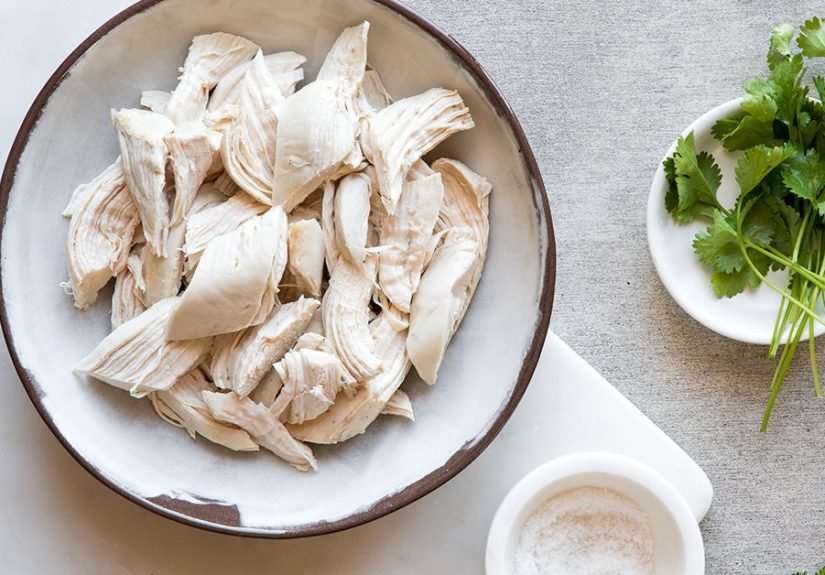
Shredded chicken (best for wraps/salads/tacos): cook until tender, shred, store with a bit of cooking
liquid or sauce to stay juicy. - Grilled/air-fried chicken (best for “fresh” vibe): quick cooking, nice char, feels less “leftover.”
2) Prep Veggies in 3 Textures
Texture is what keeps meal prep from feeling like you’re eating the same thing in different containers.
Aim for one from each category:
- Roasted: broccoli, cauliflower, carrots, Brussels sprouts, zucchini, peppers, onions
- Quick-cooked: sautéed green beans, stir-fried snap peas, wilted spinach, steamed edamame
- Raw/crunchy: cucumbers, cherry tomatoes, shredded carrots, radishes, romaine, slaw mix
3) Choose 1–2 Bases
Bases make meals filling and prevent the “I ate a salad and now I’m thinking about snacks” situation.
Rotate through:
- Whole grains: brown rice, quinoa, farro
- Starchy vegetables: roasted sweet potatoes, potatoes
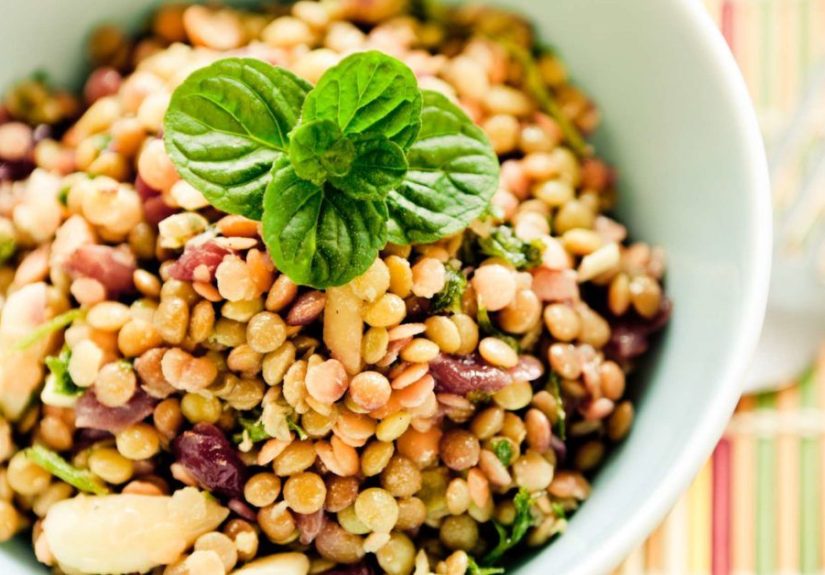
- Legumes: chickpeas, black beans, lentils
- Greens: spinach, romaine, spring mix (for lighter meals)
4) Build a 5-Minute Sauce Library
Sauce is your personality. Without it, chicken and vegetables can feel… responsible. With it, they feel like dinner.
Keep sauces separate until serving to protect texture.
- Lemon-garlic yogurt: Greek yogurt + lemon + garlic + salt + pepper
- Tahini-lemon: tahini + lemon + warm water + garlic + salt
- Salsa + lime: salsa + lime juice (easy Tex-Mex bowl magic)
- Peanut-lime: peanut butter + soy sauce + lime + a little honey + water to thin
- Herby vinaigrette: olive oil + vinegar + Dijon + herbs
5) Add Crunch + Finishers
Crunch and fresh toppings make meal prep feel “assembled today,” even if you cooked it Sunday.
- Crunch: pumpkin seeds, sliced almonds, roasted chickpeas, tortilla strips
- Finishers: fresh herbs, lemon wedges, pickled onions, feta, grated Parmesan
A Simple Sunday Workflow (About 75–90 Minutes)
This is the “one afternoon, many meals” plan. You don’t need a perfect kitchenjust a decent rhythm.
- Start the base: put rice/quinoa on the stove or in a rice cooker first.
- Heat the oven: roast-friendly veggies like broccoli, carrots, and peppers love a hot oven.
- Prep two sheet pans: one for chicken, one for vegetables (or separate sections if you’re careful about timing).
- Make 1–2 sauces: while things roast, whisk sauces in a bowl or shake in a jar.
- Chop raw veggies: cucumbers, tomatoes, and slaw can be done while the oven works.
- Cool everything: let hot food cool a bit before sealing containers so condensation doesn’t turn veggies soggy.
- Portion and label: mark containers with day-of-week or “eat first.” Your future self will applaud.
Chicken + Veggie Flavor Matrix: 6 Mix-and-Match Combos
Use this as a plug-and-play guide. Keep the components consistent, then swap seasonings and sauces.
| Style | Chicken Seasoning | Veggies | Base | Sauce | Finish |
|---|---|---|---|---|---|
| Mediterranean | Oregano + garlic + lemon + olive oil | Roasted zucchini, peppers, red onion | Quinoa or farro | Tzatziki or lemon-yogurt | Feta + cucumber + parsley |
| Tex-Mex | Chili powder + cumin + smoked paprika | Peppers, onions, corn (roasted or sautéed) | Brown rice or black beans | Salsa + lime | Cilantro + tortilla strips |
| Teriyaki-ish | Garlic + ginger + a touch of soy sauce | Broccoli, snap peas, carrots | Rice | Teriyaki or soy-lime drizzle | Sesame seeds + scallions |
| BBQ + Ranch | Salt + pepper + paprika | Roasted sweet potato + green beans | Potatoes or greens | BBQ (light) + yogurt ranch | Pickled onions |
| Curry Bowl | Curry powder + turmeric + garlic | Cauliflower, carrots, chickpeas | Rice | Yogurt-lime or tahini | Chopped cilantro |
| Garlic Parmesan | Italian seasoning + garlic | Broccoli, cauliflower, mushrooms | Whole-grain pasta or quinoa | Light vinaigrette or lemon squeeze | Parmesan + black pepper |
Food Safety: The “Please Don’t Play Roulette” Section
Meal prep is only as good as its safety basics. These guidelines help reduce the risk of foodborne illness while keeping
quality high.
Cook Chicken Thoroughly
- Cook chicken to a safe internal temperature of 165°F (use a food thermometer in the thickest part).
- Don’t wash raw chicken. It can spread germs around your sink and counters through splashing and droplets.
Chill Smart and Fast
- Refrigerate cooked food promptlygenerally within 2 hours (and within 1 hour if it’s very hot out).
- Keep the fridge at 40°F or below and the freezer at 0°F for safer storage.
- Use shallow containers so food cools faster (big, deep tubs stay warm longer in the middle).
How Long Does Meal-Prepped Chicken Last?
- Refrigerator: plan to use cooked chicken (and most leftovers) within 3–4 days.
- Freezer: many cooked leftovers keep best quality for about 3–4 months (still safe longer, but quality can drop).
Reheating Without Regrets
- Reheat leftovers to 165°F when possible, especially chicken-based meals.
- Microwave tip: cover your food and stir/rotate for more even heating.
- For roasted veggies: a quick oven or air fryer reheat can bring back some crispness.
Storage That Keeps Veggies from Turning Sad
If you’ve ever opened a container to find vegetables that feel like they’ve “given up,” it’s usually a moisture and
mixing issue. Try these upgrades:
Separate Wet from Crisp
- Keep sauces/dressings in small containers until serving.
- Store raw crunchy veggies separately from roasted veggies when possible.
- For salads, put hearty ingredients on the bottom, greens on top, dressing separate.
Use the Right Container Strategy
- Compartment containers: great for keeping textures separate.
- Glass containers: helpful for reheating and reducing stains from sauces.
- Labeling: “Eat first” beats “mystery container” every time.
Portioning for Real Life (Not a Spreadsheet)
A balanced meal is easier when you have a simple visual guide. Many nutrition frameworks suggest building meals with
plenty of vegetables, a solid protein portion, and a reasonable amount of whole grains or starchy vegetablesplus some
healthy fat from sauces, nuts, or olive oil.
For a practical starting point, consider:
- Vegetables: the biggest share (aim for color variety)
- Protein: a palm-sized portion of chicken for most people
- Base: a fist-sized portion of grains/beans/potatoes
- Fat/flavor: a spoonful of sauce, seeds, or dressing
If your goals are performance or muscle-building, you might scale protein up; if you’re focusing on lighter meals, you
might scale the base down. The best portion is the one that keeps you satisfied and consistent.
Specific Examples: 5 Days of Chicken + Veggie Mix-and-Match Meals
Monday: Mediterranean Bowl
Quinoa + lemon-oregano chicken + roasted peppers/zucchini + tzatziki + feta + parsley.
Tuesday: Tex-Mex Salad
Romaine + shredded chicken + roasted peppers/onions + black beans + salsa + lime + tortilla strips.
Wednesday: Teriyaki Rice Bowl
Rice + ginger-garlic chicken + broccoli/snap peas + soy-lime drizzle + sesame seeds + scallions.
Thursday: BBQ Plate
Chicken + roasted sweet potato + green beans + a little BBQ + yogurt ranch + pickled onions.
Friday: “Clean-Out-the-Fridge” Wrap
Tortilla + chicken + slaw mix + any leftover roasted veggies + a creamy spread (yogurt + hot sauce works).
Congratulations: you just turned randomness into lunch.
Meal Prep Experiences: Lessons From the Weekday Trenches (Extra )
People who stick with meal prep long-term usually learn the same handful of lessonsoften the hard way, usually around
Wednesday afternoon. One of the biggest realizations is that boredom isn’t caused by chicken itself; it’s caused by
repetition in flavor and texture. When meals feel identical, it’s often because everything was seasoned
the same and stored together. The fix is surprisingly small: keep sauces separate, add a fresh topping at serving time,
and rotate at least two spice profiles during prep. Even a basic salt-and-pepper chicken can feel brand new when it’s
paired with a different sauce (tahini one day, salsa the next) and finished with something crisp (seeds, slaw, or herbs).
Another common “aha” moment is learning which vegetables actually like the meal prep lifestyle. Sturdy veggiesbroccoli,
cauliflower, carrots, Brussels sproutstend to hold up well when roasted, cooled, and reheated. More delicate vegetables
can still work, but they often need different treatment: leafy greens do better raw and separate; zucchini and mushrooms
can be roasted but are usually best when they’re not overcooked; tomatoes often belong fresh, added right before eating.
Many meal preppers eventually create a two-lane system: “roastable veggies” for heat-and-eat meals and “fresh veggies”
for salads and crunch.
Timing matters, too. Some people find that prepping five full days of meals feels great on Sunday and less great when
Friday rolls around. A practical compromise is the “3-and-2 method”: prep three days of ready-to-eat meals and keep
extra chicken and vegetables frozen or unassembled for later in the week. This approach reduces waste, keeps food fresher,
and gives you a built-in reset without a second full cooking session. It also makes it easier to handle busy weeks when
plans changebecause they always do.
Container strategy is another real-world turning point. Beginners often store everything in one big container, then wonder
why the chicken tastes fine but the vegetables have the texture of a damp sock. People who get good at this tend to store
in components: chicken in one container, roasted veggies in another, sauce in small cups, crunchy toppings in a dry jar.
The meals assemble faster than you’d think, and the payoff is big: better texture, better flavor, and fewer “I can’t do
this again” moments.
Finally, most successful meal preppers stop chasing perfection and start chasing repeatability. They pick a short list of
weeknight “wins” (like two sauces, two veggie methods, and one base) and rotate flavors with small changesdifferent herbs,
a new spice blend, a switch from rice to beans. The goal becomes having a fridge that supports your week, not a fridge that
looks like a fitness influencer moved in. Consistency beats complexity every timeespecially when you’re hungry.
Conclusion
Chicken and veggie mix-and-match meal prep works because it’s a framework, not a food prison.
Cook chicken two ways, prep vegetables in multiple textures, choose a base (or two), and let sauces do the heavy lifting.
Keep food safety tight, store smart for texture, and your weekday meals become fast, flexible, and actually enjoyable.