Table of Contents >> Show >> Hide
- What “MCM Buffet” Means (and Why People Keep Calling It a Credenza)
- Why Hairpin Legs Work So Well With Mid-Century Modern
- The Anatomy of a Great MCM Buffet With Hairpin Legs
- Choosing the Right Hairpin Legs: A Practical Checklist
- DIY: Converting a Cabinet Into an MCM Buffet With Hairpin Legs
- Before you start: a quick safety note
- Step 1: Inspect the cabinet base like a detective
- Step 2: Decide leg placement (and don’t ignore overhang)
- Step 3: Add reinforcement if needed
- Step 4: Mark your holes and drill pilot holes
- Step 5: Attach the legs and check for level
- Step 6: Add tip-over protection (especially for tall legs or homes with kids/pets)
- Step 7: Finish touches that make it look custom
- Styling an MCM Buffet With Hairpin Legs (Without Making It Look Like a Showroom)
- Common Problems (and How to Avoid the Heartbreak)
- Conclusion: The Sweet Spot Between Retro and Right Now
- Real-World Experiences: What It’s Like Living With an MCM Buffet With Hairpin Legs
If a mid-century modern buffet is the “little black dress” of dining-room storage, hairpin legs are the cool sneakers that make it feel current again. Pair the two and you get a piece that looks vintage, functions like a workhorse, and politely refuses to go out of style (even when the internet declares it “over” every other year).
This guide breaks down what an MCM buffet actually is, why hairpin legs look so right on it, and how to plan (or DIY) the upgrade without turning your cabinet into a wobbly newborn giraffe. Expect practical tips, design rules you can actually use, and a few reality checksbecause gravity has opinions.
What “MCM Buffet” Means (and Why People Keep Calling It a Credenza)
“Mid-century modern” (MCM) is less about one exact look and more about a design attitude: clean lines, simple forms, function-first thinking, and warm natural materialsespecially wood tones like walnut and teakoften paired with metal accents. In furniture, that usually shows up as long, low silhouettes, minimal ornament, and legs that lift the case off the floor so it feels lighter than it really is.
The word buffet is basically a job title. Put a sideboard in the dining room and use it to hold linens, plates, serving pieces, and the “good” silverware you’re definitely going to polish someday? Congratulations: it’s a buffet now. (Furniture is like thatlocation matters.)
Buffet vs. sideboard vs. credenza
- Sideboard: the broad categorylow storage cabinet, usually with a top surface for display or serving.
- Buffet: a sideboard used for dining/serving; often taller than a media console so it’s comfortable for plating food.
- Credenza: often used in offices or living spaces; function overlaps, the vibe leans “sleek storage.”
In real life, the same cabinet can be called all threeespecially online. The safe approach is to focus on proportions and function, not the label on the product page.
Why Hairpin Legs Work So Well With Mid-Century Modern
Hairpin legs are the visual shortcut to “mid-century,” even when the cabinet itself started life as a basic box. Their thin, curved steel lines add lift and negative spacetwo classic MCM moves. They also play nicely with modern interiors because they’re simple and graphic, like a good line drawing that happens to hold up your snack plates.
A quick design-history nugget (because it’s fun)
Hairpin legs became popular in the mid-20th century as a practical solution that used less material while staying strongfunction meeting form in the most MCM way possible. That “efficient but stylish” origin story is exactly why they still feel right on storage furniture today.
What hairpin legs do for a buffet cabinet
- Modernize the silhouette: they turn a heavy-looking case into something that “floats.”
- Adjust the height: you can raise a low cabinet closer to buffet-serving height.
- Add contrast: black or brass-toned legs can sharpen warm walnut finishes and make hardware pop.
- Make cleaning easier: more clearance underneath means less dust drama.
The Anatomy of a Great MCM Buffet With Hairpin Legs
The best-looking pieces follow a few quiet rules. Break them on purpose if you want, but don’t break them accidentally. (That’s how you get a buffet that looks like it’s wearing roller skates.)
1) Proportions that feel “low and long”
Mid-century buffets typically feel horizontalwider than they are tall. Depth is often modest so the cabinet doesn’t bulldoze your room. If you’re choosing a piece for a dining area, you generally want enough top space for serving platters without turning every dinner into a game of Tetris.
2) Clean faces, minimal fuss
Flat-front doors, simple reveals, subtle pullsthese details read “MCM” instantly. Fluted doors, rattan panels, louvers, and gentle curves can still work if the overall form stays calm and not overly ornate.
3) Warm wood tones (real or convincingly finished)
Walnut is the crowd favorite for a reason: it’s warm, it’s rich, and it makes most rooms feel pulled together. Teak and oak can land beautifully too. If your cabinet is engineered wood or veneer, don’t panicwhat matters is the finish quality and how you style it.
4) Legs that look intentional
Hairpin legs come in different heights and thicknesses. The “right” choice depends on cabinet size, weight, and how you’ll use the piece. A small cabinet can look great with shorter hairpins; a longer buffet often needs taller legs for serving comfortand a sturdier leg design to avoid sway.
Choosing the Right Hairpin Legs: A Practical Checklist
This is where style meets physics. Your buffet doesn’t care how trendy the legs are if they’re not strong enough or not installed into something solid.
Pick a height based on how you’ll use the cabinet
- 6-inch legs: great for low cabinets, “floating” credenzas, or adding a modern lift without making it tower.
- 10–16-inch legs: useful when you want more clearance and a lighter look; often works for media-console heights and some buffets.
- Taller legs (20–28-inch): usually for tables and desksonly choose these for storage if the cabinet is designed for it.
If you’re converting an existing cabinet into a buffet, measure your target serving height before you buy anything. Your back will send a thank-you note.
Two-rod vs. three-rod hairpins
Two-rod hairpins look classic and light. Three-rod versions add rigidity, which can matter on longer pieces or heavier tops. If your buffet will hold stacks of dishes, small appliances, or a very determined espresso machine, stiffer legs are usually the calmer choice.
Plates, screws, and floor protection
- Mounting plates: more holes and thicker plates typically mean a more secure attachment.
- Screws: choose length that bites securely into the base without poking through the interior floor of the cabinet.
- Leveling feet/glides: great for older floors (and for protecting them from metal-on-wood grudge matches).
DIY: Converting a Cabinet Into an MCM Buffet With Hairpin Legs
You can absolutely DIY this if you’re careful and realistic. The most common mistake is thinking the bottom panel of a cabinet is magically strong everywhere. Often it isn’t. The goal is to attach legs into solid structure (or add structure so you can).
Before you start: a quick safety note
If you’re using a drill/driver, wear eye protection and work slowly. If you’re a teen, it’s smart to have an adult helpespecially for flipping the cabinet and for any step involving power tools. No makeover is worth a trip to urgent care.
Step 1: Inspect the cabinet base like a detective
Flip the cabinet and look underneath. You’re searching for:
- Corner blocks, rails, or a solid perimeter frame (best-case scenario)
- A thin bottom panel with no reinforcement (common)
- A recessed toe-kick (common on older dressers and some sideboards)
If you see a toe-kick, you may need to mount legs to the frame behind it (or add internal bracing) so the legs aren’t stuck awkwardly inboard. Mounting too far in can make the cabinet feel tippy.
Step 2: Decide leg placement (and don’t ignore overhang)
A good rule: keep legs close enough to the corners that the cabinet feels stable, but not so close that the mounting plates interfere with edge trim, door swing, or internal shelves. If the cabinet is very long, consider an extra center support (or choose a leg style designed for heavier loads).
Step 3: Add reinforcement if needed
If the base is thin or questionable, reinforce it before attaching legs. Options include:
- Internal corner blocks (wood triangles or blocks glued/screwed into corners)
- A perimeter cleat/frame inside the cabinet base to create thicker “bite” for screws
- A bottom plate (plywood panel) attached to the underside to spread the load
Reinforcement isn’t glamorous, but it’s what separates “cute makeover” from “why is my buffet doing the wobble dance?”
Step 4: Mark your holes and drill pilot holes
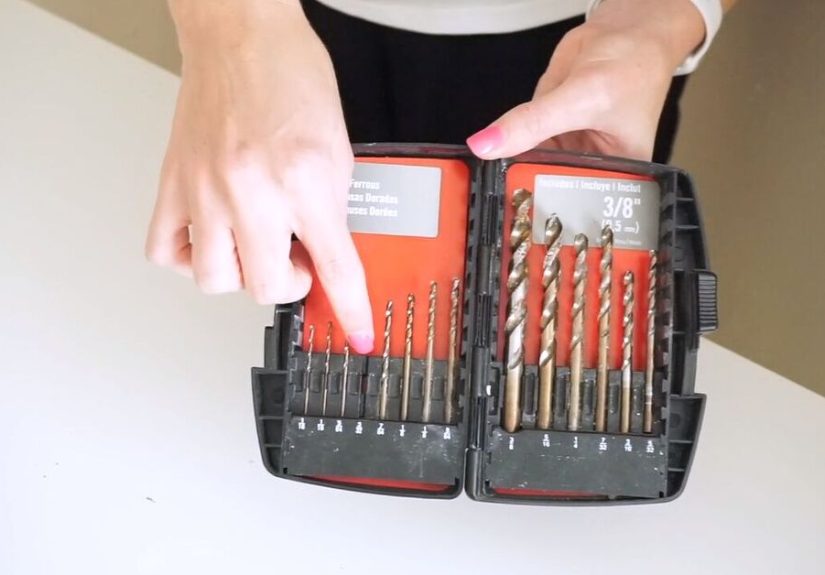
Hold each leg plate in place, mark the holes, then drill pilot holes. Pilot holes help prevent splitting and make screws drive straighter. Use a depth guide (even painter’s tape on the drill bit) so you don’t accidentally drill through the cabinet floor.
Step 5: Attach the legs and check for level
Start screws by hand to ensure they’re aligned, then tighten. Once all legs are attached, carefully flip the cabinet upright. Check for rocking. Adjustable feet are your best friend on slightly uneven floorslike 90% of real floors.
Step 6: Add tip-over protection (especially for tall legs or homes with kids/pets)
A taller, legged cabinet can be easier to tip than a low, floor-hugging oneespecially if drawers are opened or weight is placed on the edge. Consider a wall-anchoring strap if the piece is tall, heavy, or used in a high-traffic space. It’s not “extra.” It’s smart.
Step 7: Finish touches that make it look custom
- Add simple pulls (matte black, brass, or wood) to match the leg finish.
- Route or sand edges lightly for a softer mid-century feel (subtle is the point).
- Consider a walnut-toned stain or a warm clear finish if the wood grain is worth showing off.
- Use felt/glides on feet to protect floors and reduce sliding.
Styling an MCM Buffet With Hairpin Legs (Without Making It Look Like a Showroom)
The goal is “collected and functional,” not “I live inside a catalog.” Mid-century styling is at its best when it feels effortlesslike you naturally own a perfect ceramic vase and didn’t buy it at 11:47 p.m. because it was on sale.
Try a simple three-part top styling formula
- Height: a lamp, tall vase, or framed art leaning against the wall
- Mid-level: a tray for serving pieces, bar tools, or everyday items
- Texture: a plant, woven basket, or a stack of linen napkins
Make it earn its keep
A buffet is storage with benefits. Set it up so it actually helps you:
- Dining room: plates, serving bowls, table linens, candles, and “guest-ready” extras.
- Living room: board games, electronics, throws, and charging stations (add cable management).
- Entryway: catch-all trays, shoe storage, bags, and a lamp for warm light.
- Bar setup: glassware, bottles, mixers, and a tray that makes you look like you host parties on purpose.
Common Problems (and How to Avoid the Heartbreak)
Problem: Wobble
Wobble usually comes from one of three things: uneven floors, legs that aren’t rigid enough for the load, or screws biting into weak material. Adjustable feet help. Upgrading to sturdier legs helps. Reinforcing the base helps the most.
Problem: Screws poking through
This is the makeover equivalent of stepping on a LEGO. Avoid it by choosing the right screw length and using a depth guide when drilling pilot holes.
Problem: The cabinet feels tippy
If leg placement is too far inboardor the cabinet is tall and narrowyou can end up with a top-heavy feel. Keep legs closer to corners when possible, distribute weight inside the cabinet, and consider wall anchoring where appropriate.
Problem: The “almost MCM” look
This happens when too many details fight each other: ornate hardware plus glossy finish plus loud legs plus busy decor. Mid-century modern is usually happiest when it has one or two strong design moves, not eight.
Conclusion: The Sweet Spot Between Retro and Right Now
An MCM buffet with hairpin legs works because it blends two ideas that never stopped being appealing: warm, functional storage and a lighter, lifted silhouette. Done well, it looks intentionallike you hunted down a vintage piece (even if you absolutely did not).
Whether you buy one ready-made or DIY the upgrade, focus on proportion, stability, and finish. Choose legs that match the load, mount them into something solid, and style the top like a real person lives there. That’s the whole trick.
of experiences, as requested
Real-World Experiences: What It’s Like Living With an MCM Buffet With Hairpin Legs
Once the excitement of “new legs!” wears off, real life beginsthe kind where someone leans on the buffet while telling a story, a drawer gets opened too enthusiastically, and a pet investigates the underside like it’s a suspicious new cave. This is where a hairpin-legged buffet either becomes your favorite piece in the room… or your most attractive minor regret.
One of the first things people notice is how much lighter the room feels. Lifting a cabinet off the floor creates visual space, and your eyes read that negative space as “air.” In small dining rooms, that can be a game-changer. The buffet still holds the same amount, but it no longer looks like it’s squatting there, refusing to move. (It’s still heavy. It just looks emotionally available.)
The second surprise is cleaning. With more clearance underneath, a quick vacuum pass becomes possibleuntil you realize dust bunnies are excellent at forming a tiny civilization under furniture. Many people end up adding felt feet or glides not only for floor protection, but because it keeps the buffet from sliding a millimeter every time someone bumps it. That tiny slide is how “straight against the wall” becomes “why is it diagonal?” over three months.
If you DIY’d the legs, you’ll probably remember the moment you flipped the cabinet upright and waited for the verdict. A lot of projects feel fine upside down and suddenly reveal drama right-side up. The most common real-world fix is simple: leveling. Floors are rarely perfect, and hairpin legs can amplify tiny uneven spots. Adjustable feet are the quiet heroes here. If your legs don’t have them, thin furniture shims work, but you’ll want to hide them so your buffet doesn’t look like it’s wearing a single sock.
Serving food on the buffet is where you notice whether you nailed the height. When it’s right, it feels naturallike the buffet is helping you host. When it’s too low, you’ll catch yourself hunching. When it’s too high, it becomes a “standing desk for cheese,” which is honestly not the worst fate, but not what most people intend. This is why measuring before you commit is so worth it; your back cares more than your Pinterest board.
Storage habits also evolve. Many owners end up turning one section into a “drop zone” for daily life: keys, mail, chargers, reusable bags, and that one candle you keep moving around. The cabinet becomes a boundary: clutter goes inside, and the top stays mostly calm. (Mostly. Let’s be realistic.) Inside, baskets and bins become the difference between “organized buffet” and “drawer full of mysterious cords.” If your buffet doubles as a media console, the real-life upgrade people swear by is adding discreet cable holes and a power strip mounted insidesuddenly everything looks intentional.
Finally, there’s the emotional experience: this piece tends to get compliments. Guests recognize the silhouette, even if they don’t know the term “mid-century modern.” Hairpin legs read as deliberate design. And when someone says, “Where did you get that?” you get to choose your answer: the honest one (“I added the legs myself”) or the slightly dramatic one (“Oh, this old thing? I rescued it.”) Either way, the buffet does what great furniture should doit makes daily life easier, and it makes your space feel like you meant it.