Table of Contents >> Show >> Hide
- Why Body Image Can Get Extra Complicated with HIV
- Common Body Changes with HIV (And Why They Don’t Mean You’re Doing Anything “Wrong”)
- Step One: Get Curious with Your Care Team (Not Critical with Yourself)
- Building a Healthier Body Image: What Actually Works (Beyond “Just Be Confident”)
- Habits That Support Confidence Without Turning Life Into a Punishment Plan
- Social Media, Dating, and the Confidence Trap
- A Simple 2-Week “Body Image Reset” (Not a Diet, Not a Makeover)
- Experiences People Often Share When Working on Body Image with HIV (Extra Reflections)
- Conclusion
If body image had a “mute” button, most of us would press it before the mirror finishes loading.
Add HIV to the mixand suddenly your body can feel like it’s being graded on a curve you never agreed to.
The good news: you can build (and rebuild) a healthy body image while living with HIV, even if your body has changed,
your meds have changed, and your mood changes every time you try on jeans.
This guide is practical, compassionate, and grounded in what clinicians and reputable public health sources say about
HIV, treatment-related body changes, and mental health. It’s also written with one core belief:
your body is not a “before” photo. It’s your home.
Why Body Image Can Get Extra Complicated with HIV
Body image isn’t just “Do I like what I see?” It’s the whole mental playlistthoughts, feelings, and behaviorsaround
your appearance, health, and identity. With HIV, that playlist can pick up a few extra tracks:
- Stigma and fear of judgment (including self-stigma) can hit confidence hard.
- Changes in weight or fat distribution may happen over time, including after starting treatment.
- Stress and mental health (depression, anxiety) can shape how you see your bodysometimes more than the mirror does.
- Dating and disclosure worries can turn appearance into “proof” you’re okay or “evidence” you’re notneither is fair.
Here’s the key reframe: a healthy body image doesn’t mean you love every angle on every day.
It means your self-worth isn’t held hostage by your reflection.
Common Body Changes with HIV (And Why They Don’t Mean You’re Doing Anything “Wrong”)
Weight changes after starting or switching HIV treatment
Many people gain weight after starting antiretroviral therapy (ART). Sometimes that’s a “return-to-health” effectyour
body recovering as HIV is controlled. Sometimes weight gain may be linked to specific drug classes or combinations,
plus factors like age, sleep, stress, food access, and activity level.
The part that affects body image: weight changes can feel unpredictable, and unpredictability is gasoline for anxiety.
If you’re noticing weight changes that bother you, you’re not vainyou’re human.
Lipodystrophy and body shape changes
“Lipodystrophy” is an umbrella term for changes in how the body stores fat. Some people experience fat loss
(often in the face, arms, legs, or buttocks), fat gain (often abdominal/visceral, breasts, or the upper back/neck),
or a mix. These changes are less common than they used to be with older HIV regimens, but they still show up for
some peopleand they can be emotionally loud.
The tricky thing about lipodystrophy isn’t only the physical changeit’s the meaning people attach to it:
“Does this make me look sick?” “Will people assume something?” “Will I recognize myself?”
Those are real feelings, and they deserve real support.
The “mirror + stigma” effect
HIV stigma can shape body image in a unique way: it can turn normal body variation into “evidence” you’re at risk
of being judged. Over time, that can create hypervigilancewatching your face, your stomach, your skin, your energy,
like you’re your own surveillance camera.
A healthier body image often starts when you stop treating your body like a secret you have to manage.
Step One: Get Curious with Your Care Team (Not Critical with Yourself)
If your appearance or weight has changed and it’s affecting your confidence, start with a medical check-in.
Not because your body needs “fixing,” but because you deserve clarity and options.
Talk about what you’re noticingspecifically
- When did the change start (after a new regimen, stressor, life change)?
- Is it weight, shape, facial changes, energy, appetite, sleepor all of the above?
- Is it affecting mood, social life, intimacy, or medication adherence?
Ask about what can be monitored (and what can be adjusted)
Depending on your situation, your clinician may discuss monitoring weight trends, waist circumference, lipids,
blood sugar, blood pressure, and other metabolic markers. Sometimes small, sustainable habit changes help.
Sometimes a medication discussion is appropriate (never change ART on your own).
If abdominal fat changes are distressing, ask about evidence-based options
For some adults with HIV-associated lipodystrophy and excess abdominal fat, tesamorelin is an FDA-approved option
to reduce excess abdominal fat (with important limitations and risk/benefit considerations).
This is not a DIY supplement situationthis is a prescription, clinician-supervised decision.
If facial changes affect confidence, ask about realistic cosmetic/dermatology solutions
Treatments like injectable fillers have been used for HIV-associated facial lipoatrophy. Some people find these
options meaningful not because they “should” look a certain way, but because recognizing yourself matters.
Coverage and access vary, so it’s worth asking a clinic social worker or care coordinator about support programs.
Bottom line: You don’t have to “earn” help by suffering quietly. Bring it up.
Building a Healthier Body Image: What Actually Works (Beyond “Just Be Confident”)
1) Aim for body neutrality before body positivity
Body positivity is greaton days it feels real. On hard days, body neutrality is often more achievable:
“This is my body today. I can care for it without loving it.”
Try swapping appearance-only goals for function-based respect:
What did my body help me do this week? (Work, laugh, take meds, walk, cook, show upcounts.)
2) Treat your inner voice like it’s a roommate… and set rules
If your self-talk is cruel, it’s not “motivation.” It’s stress. And stress rarely improves health behaviors long-term.
A simple rule: don’t say to yourself what you wouldn’t say to a friend living with HIV.
3) Use mental health tools that are designed for real brains
Counseling can help you untangle stigma, anxiety, depression, and body image spirals. Cognitive behavioral therapy (CBT),
for example, focuses on identifying unhelpful thought patterns and replacing them with more accurate, workable ones.
Not every therapist is an HIV specialist, but you deserve someone who respects your lived reality. Many HIV clinics can
refer you to counselors or support services familiar with HIV-related stress.
4) Join communitybecause isolation lies
Support groups (in-person or online) can reduce the “I’m the only one” feelingespecially around body changes,
dating, aging, and long-term survivorship. Hearing how others navigate similar concerns can make your own path feel
less lonely and more possible.
5) Watch for red flags that need extra care
If body image distress is driving restrictive eating, bingeing, purging, compulsive exercise, or constant checking/avoidance,
it’s time for professional support. You deserve treatment that protects both physical health and mental health.
Habits That Support Confidence Without Turning Life Into a Punishment Plan
Move for mood, strength, and energynot payback
Regular movement can improve mood, sleep, and metabolic healthhelpful for many people with HIV.
The best routine is the one you’ll still be doing in three months. Start smaller than your ego wants:
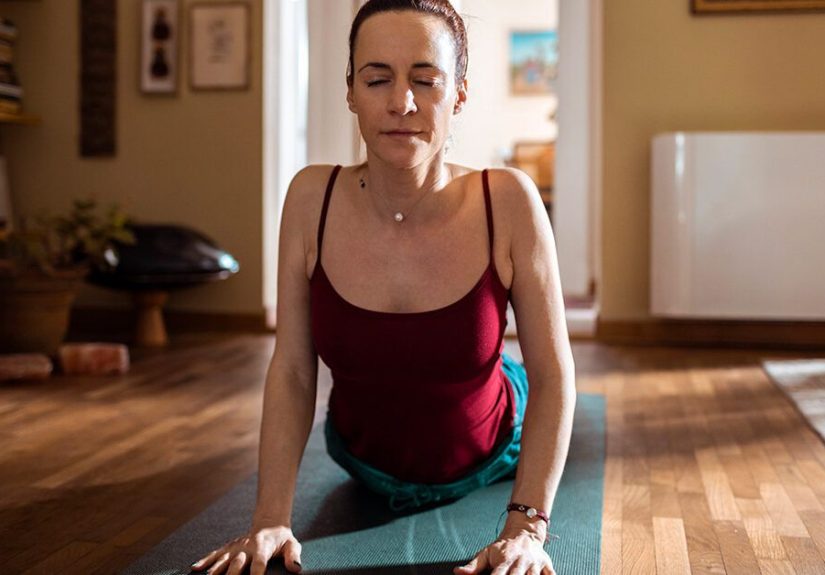
10-minute walks, gentle cycling, beginner strength training, yoga, dancing in your kitchen like nobody’s watching
(your cat will watch; cats always watch).
Strength training can be especially helpful if you’re worried about muscle loss or want to feel sturdier and more capable.
If you’re new to it, ask a clinician about safety and consider a trainer who respects your goals (health and confidence,
not “beach body by Friday”).
Eat to stabilize your body and your brain
A steady, balanced eating pattern supports energy, medication routines, and mood.
Instead of extreme diets, think “boring but effective” basics:
- Protein at meals to support muscle and satiety.
- Fiber (beans, vegetables, oats, fruit) to support heart/metabolic health.
- Hydration and regular meals to reduce “all day nothing, then everything” swings.
- Flexibility so food doesn’t become another source of shame.
If you’re dealing with nausea, appetite changes, or medication side effects, a registered dietitian (especially one with
HIV experience) can help you build a plan that works with your real life.
Prioritize sleep and stress reduction (they’re body-image multipliers)
Poor sleep and chronic stress can amplify anxiety, cravings, and negative self-talk. You don’t need a perfect routine
you need a repeatable one: consistent bedtime windows, less late-night scrolling, small daily decompression (music,
stretching, journaling, breathwork, prayer, a walk, calling someone safe).
Social Media, Dating, and the Confidence Trap
Curate your feed like it’s your mental diet
Social media can be supportivebut it can also be a comparison factory with free shipping. Research suggests that reducing
social media time can improve how people feel about their body image. Try a one-week experiment:
delete the apps from your home screen, set time limits, or take a 48-hour break and track your mood.
Replace “influencer abs” content with accounts that support body neutrality, HIV advocacy, joyful movement, cooking,
artanything that expands your identity beyond appearance.
Dating: confidence improves when the facts are clear
Body image and dating often intersect with HIV stigma. If you’re in care, taking ART as prescribed, and maintaining an
undetectable viral load, the concept known as “Undetectable = Untransmittable” (U=U) means you do not transmit HIV
to sexual partners. Knowing this can reduce fear and shame and make intimacy feel safer emotionallynot just physically.
Disclosure decisions are personal, and laws/policies vary. If you’re unsure how to navigate conversations, many clinics and
community organizations offer counseling and support around disclosure and relationships.
A Simple 2-Week “Body Image Reset” (Not a Diet, Not a Makeover)
This is a short, sustainable plan to calm the noise and rebuild trust with your body.
Repeat it anytime life gets loud.
Daily (10–20 minutes)
- One body-neutral statement: “My body deserves care today.”
- One small movement: walk, stretch, light strength, dance.
- One supportive action: take meds, prep a snack, drink water, schedule an appointment.
Twice per week (20–40 minutes)
- Strength basics (beginner routine): squat-to-chair, wall push-ups, band rows, light deadlifts, core stability.
- Meal support: plan two reliable meals you actually enjoy (reliability beats perfection).
Once per week (30 minutes)
- Mirror truce: look, notice, and name 3 neutral facts (no judgments). Example: “My shoulders are tense. My skin is dry. My posture is slouched.” Then do one kind action.
- Connection: attend a support group, message a friend, or engage with an HIV community space that feels safe.
Experiences People Often Share When Working on Body Image with HIV (Extra Reflections)
The strategies above matterbut it can also help to know you’re not the only one having complicated feelings.
Below are composite-style experiences drawn from common themes people describe in HIV communities and clinical settings
(not anyone’s private story, and not medical advicejust the human side).
“I thought I had to look ‘perfectly healthy’ to prove I was okay.”
Some people describe a pressure to look “unchanged” after diagnosislike any weight shift or tired day might invite questions.
Over time, many learn that chasing an invisible “normal” can become exhausting. What helps is swapping performance for support:
telling a trusted friend, joining a group, or working with a therapist on the belief that your worth depends on looking effortless.
One person put it like this: “I stopped trying to be a public service announcement and started being a person.”
“My meds helped save my life…and I was mad at what they did to my body.”
Mixed feelings are common: deep gratitude for ART alongside frustration about changes in weight or shape.
People often feel guilty for being upsetlike they should “just be thankful.” But gratitude and grief can coexist.
A useful shift is giving yourself permission to address the concern clinically (tracking patterns, asking about options)
while also addressing it emotionally (naming the fear underneath: “Will people judge me?” “Will I lose control?”).
When the fear is named, it’s usually less powerful.
“I avoided photos, mirrors, dating…basically my whole social life.”
Body image distress often shrinks life. People describe turning down invitations, skipping intimacy, or wearing the same
“safe outfit” on repeat. A gentle way back is exposure in small doses: one social plan per week, one photo with a friend,
one moment of choosing comfort over camouflage. Progress sometimes looks like this: “I went out, I felt awkward, and I lived.”
That counts.
“Learning U=U changed how I carried myself.”
For many, understanding viral suppression and U=U reduces the constant fear of harming someone else. That relief can show up
as better posture, more relaxed dating, and less shame-based checking in the mirror. People often describe confidence returning
not because their body changed, but because the story about their body changed: “I’m not dangerous. I’m treated. I’m okay.”
(And yes, it’s normal to need to hear that more than once.)
“The turning point was when I made health goals that weren’t punishment.”
Many people find body image improves when movement becomes about strength, energy, and moodnot earning food or shrinking.
Someone might start with two walks a week and slowly add light strength training. Others choose yoga for stress, or swimming
for joint comfort. The “best” routine is the one that makes you feel more like yourselfnot less.
If you take one thing from these reflections, let it be this: you don’t have to wait until you “feel confident” to start living.
Living is often what builds confidence.
Conclusion
Maintaining a healthy body image with HIV isn’t a single breakthroughit’s a practice. It’s medical clarity when you need it,
mental health support when stigma gets loud, community when isolation tries to move in, and daily habits that say,
“I’m worth caring for.” Your body may change across seasons of treatment and life. Your respect for it can stay.